Turn your cell phone into a field-tested satellite tracker. Works for Android and iPhone. | | |
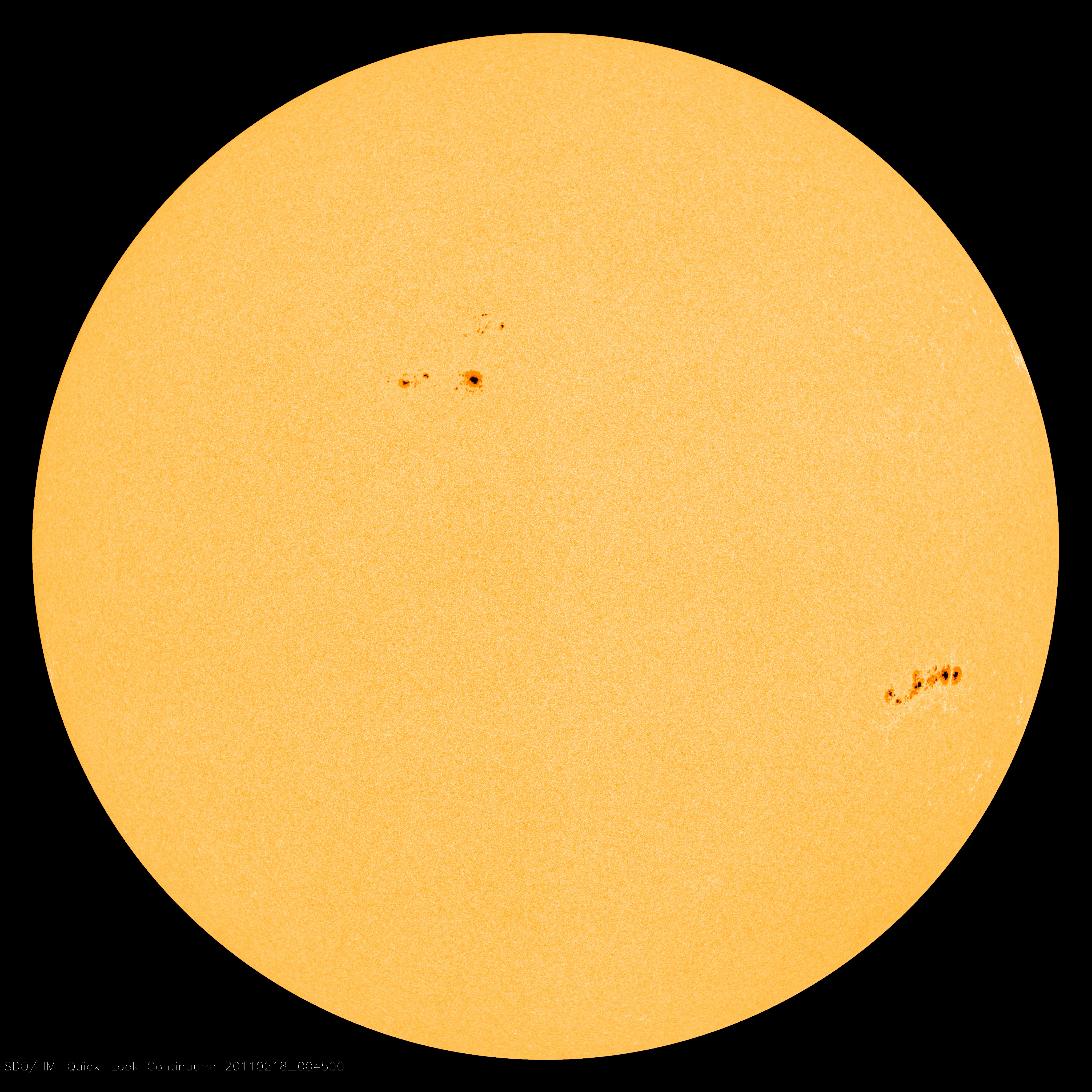
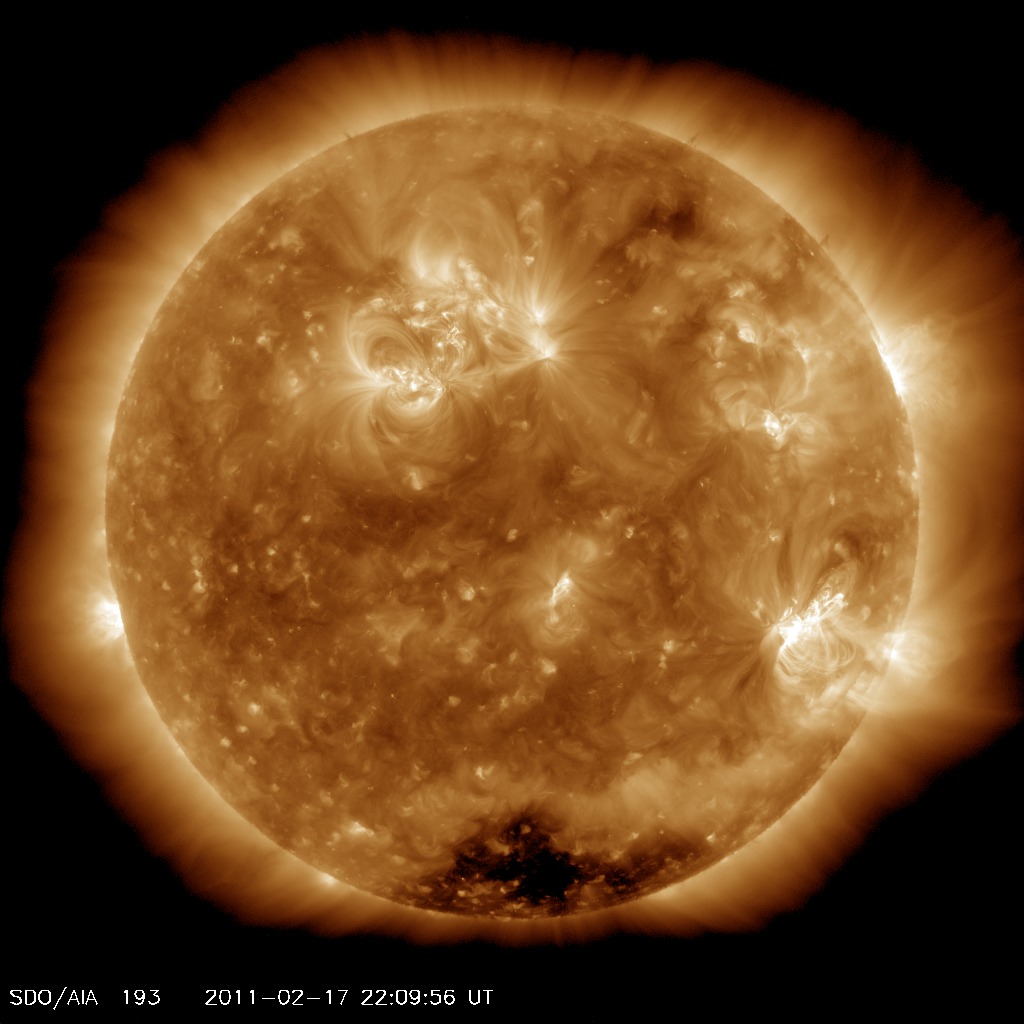
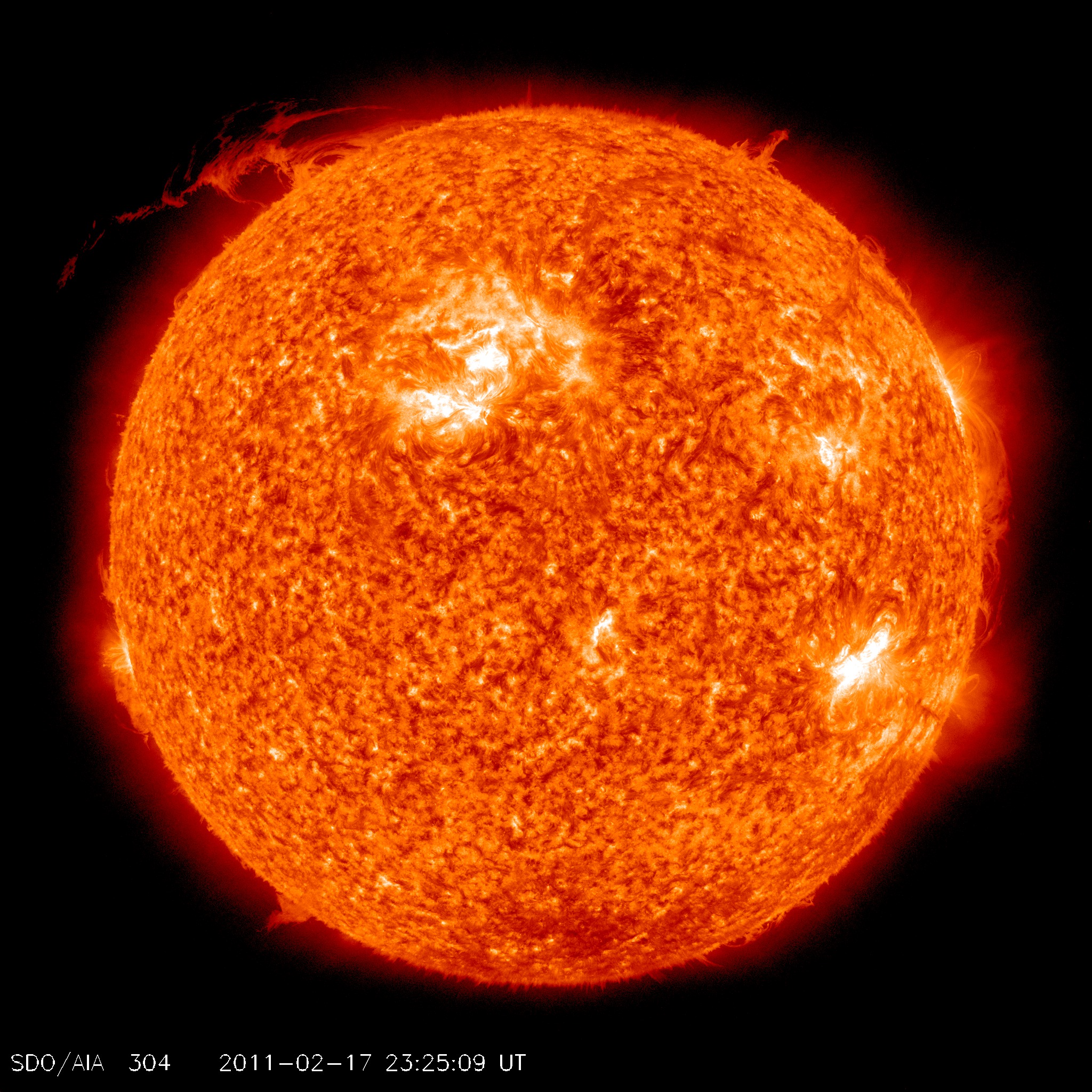
ANOTHER X-FLARE--ALMOST: Fast-growing active region 1161 erupted this morning, producing an M6.6-class solar flare at 1011 UT. The almost-X category blast was one of the strongest flares in years and continued the week-long trend of high solar activity. SOHO coronagraph images show no accompanying CME, so Earth effects should be minimal.
CME SPARKS AURORAS: One and possibly two CMEs hit Earth during the early hours of Feb. 18th, creating a gusty solar wind environment around our planet and fueling a minor G1-class geomagnetic storm. During the storm-peak, auroras were visible over Canada despite interference from the full moon:
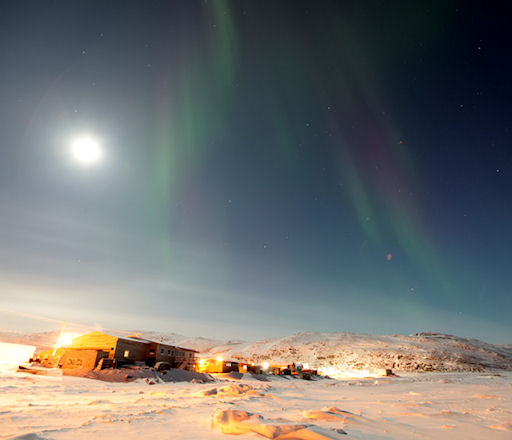
"The auroras were very colorful," reports photographer Sylvain Serre from Salluit, an Inuit village in Nunavik, Canada. "It was worth going out in the cold weather (-30 C) to see the show."
Although the storm has subsided, it could flare up again as the solar wind continues to swirl around Earth. High-latitude sky watchers should remain alert for auroras.
UPDATED: February 2011 Aurora Photo Gallery
[previous Februaries: 2010, 2009, 2008, 2007, 2006, 2004, 2003, 2002]
SOLAR PROMINENCE: A gigantic tendril of hot plasma is whipping and dancing along the sun's northeastern limb. "Wow, what a monster!" says amateur astronomer Pete Lawrence, who sends this picture from his backyard observatory in Selsey UK:
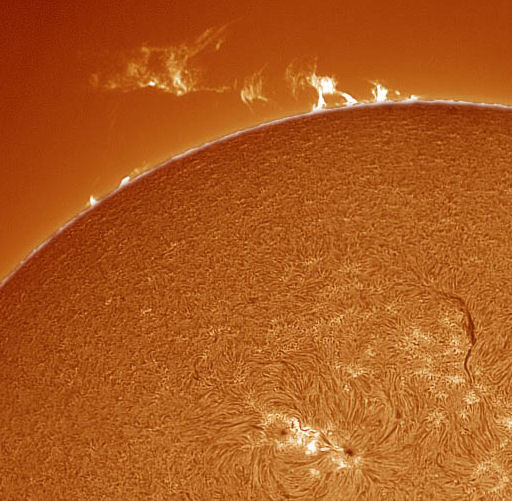
The plasma is barely contained by unstable loops of magnetism, and the whole structure could fly off into space later today. If it does erupt, Earth will not be in the line of fire. This solar activity is not geoeffective, merely photogenic. Readers with solar telescopes are encouraged to monitor the action.
more images: from the Solar Dynamics Observatory in Earth orbit
Potentially Hazardous Asteroids (
PHAs) are space rocks larger than approximately 100m that can come closer to Earth than 0.05 AU. None of the known PHAs is on a collision course with our planet, although astronomers are finding
new ones all the time.
On February 18, 2011 there were 1198 potentially hazardous asteroids.
Notes: LD means "Lunar Distance." 1 LD = 384,401 km, the distance between Earth and the Moon. 1 LD also equals 0.00256 AU. MAG is the visual magnitude of the asteroid on the date of closest approach. | | The official U.S. government space weather bureau |
| | The first place to look for information about sundogs, pillars, rainbows and related phenomena. |
| | Researchers call it a "Hubble for the sun." SDO is the most advanced solar observatory ever. |
| | 3D views of the sun from NASA's Solar and Terrestrial Relations Observatory |
| | Realtime and archival images of the Sun from SOHO. |
| | from the NOAA Space Environment Center |
| | the underlying science of space weather |