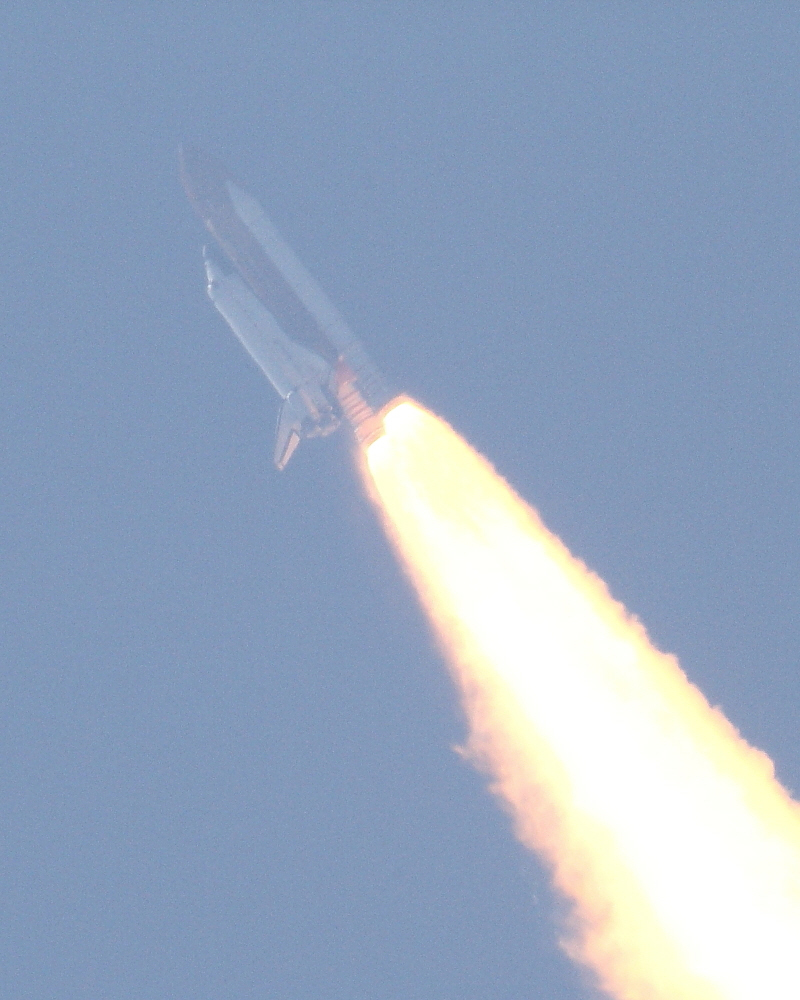
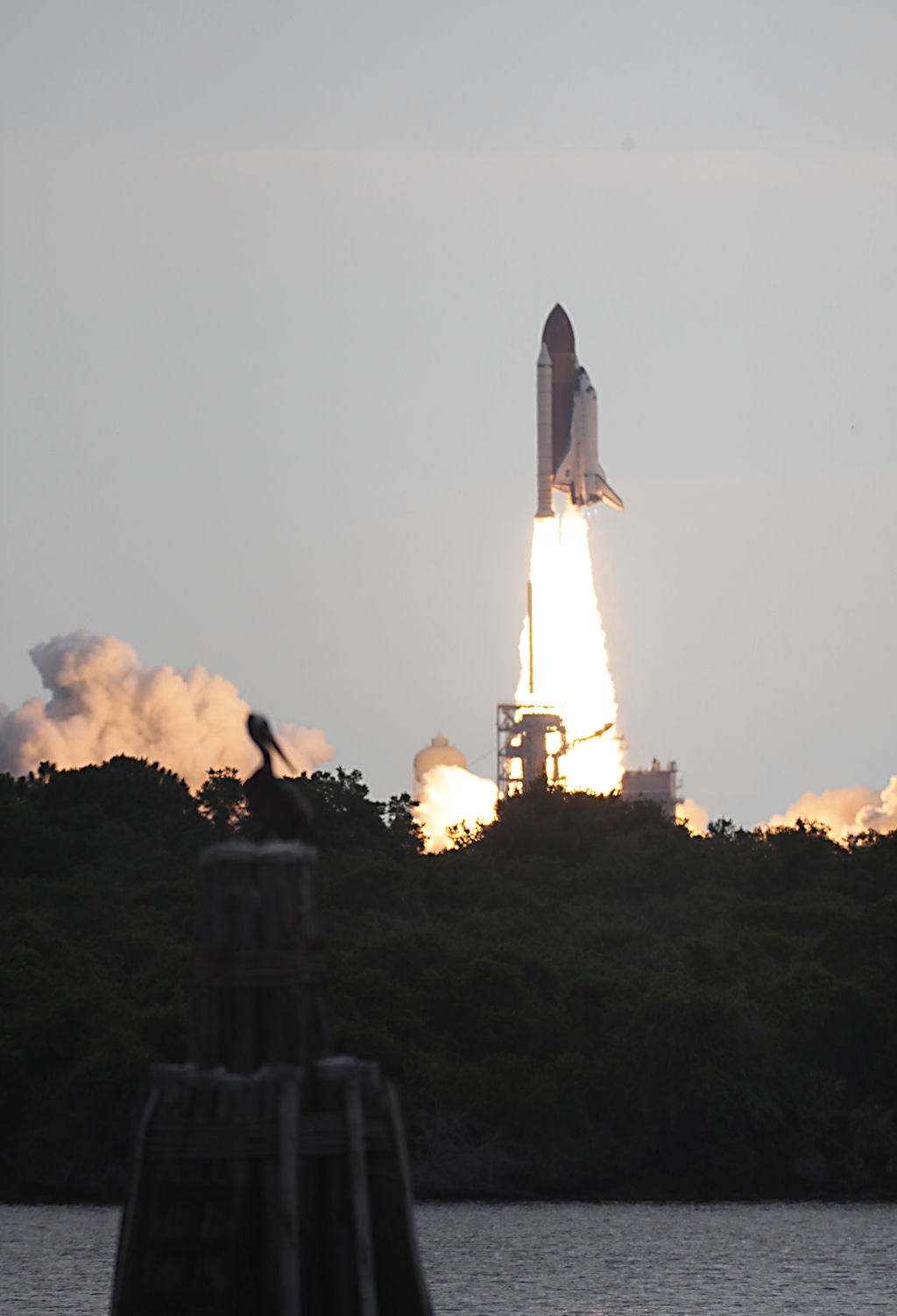
Metallic photos of the sun by renowned photographer Greg Piepol bring together the best of art and science. Buy one or a whole set. They make a stellar gift. | | |
DARK MATTER SHUTTLE MISSION: Space shuttle Endeavour is racing around Earth in pursuit of the International Space Station. When Endeavour reaches the ISS on Wednesday, May 18th, the crew will begin to unload the Alpha Magnetic Spectrometer, a $1.5 billion cosmic ray detector that could reveal the nature of dark matter and find whole galaxies made of antimatter. Truly, this is an experiment worthy of Endeavour's final flight.
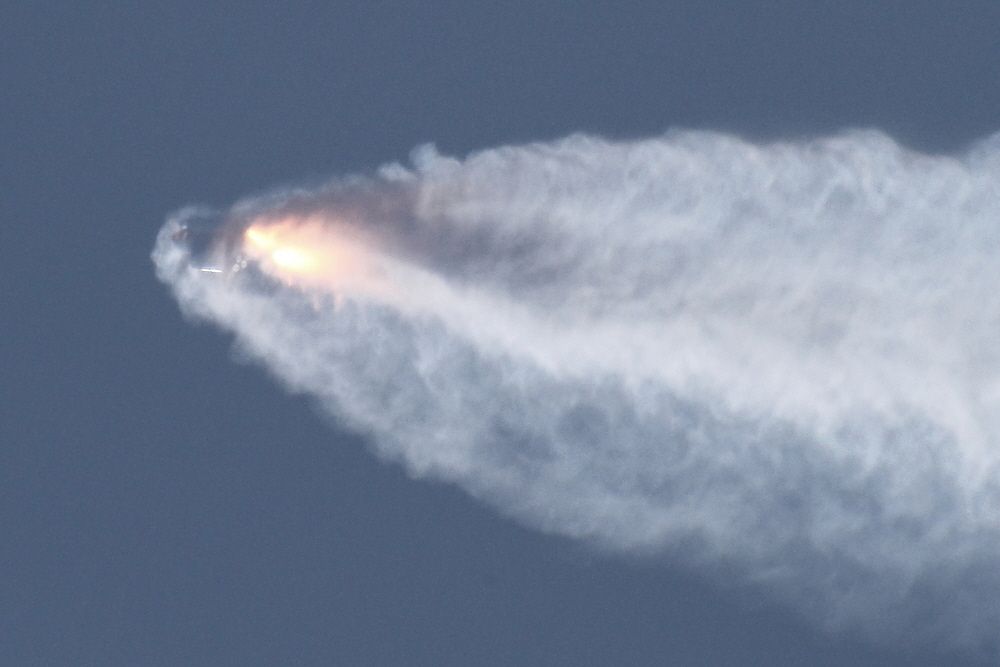
The mission began on Monday with a spectacular liftoff into clouds over the Kennedy Space Center:
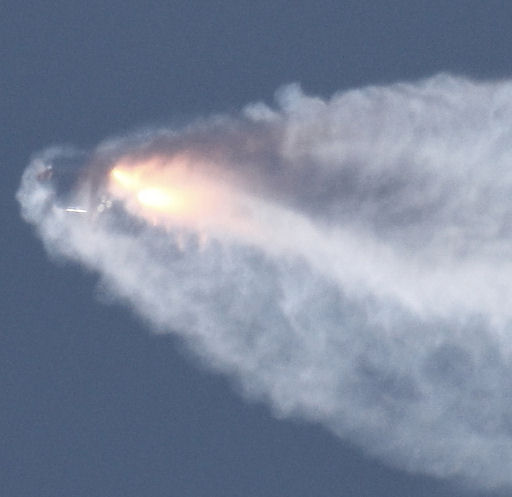
"The launch was as difficult to image as it was beautiful to watch," says photographer Pete Lardizabal. "From Apollo Beach we saw it enter the clouds over the Cape and exit into blue skies. What a view!"
During the two-week mission, Endeavour and the ISS will make numerous appearances in the night sky, especially over North America and Australia. Would you like to see this shuttle one last time? Turn your cell phone into a field-tested shuttle tracker.
more images: from Mike Reynolds at the KSC press site; from Valmir Martins de Morais of Juazeiro do Norte, Ceará, Brazil; from Kosma Coronaios of Louis Trichardt, Limpopo Province, South Africa
MORNING PLANETS: The Great Morning Planet Show of May 2011 is only half over. There are still 14 mornings to go. The show's second act began on May 16th with three bright planets hovering over space shuttle Endeavour:
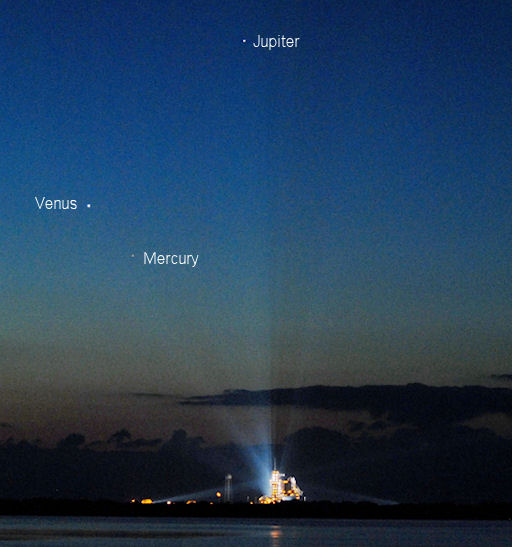
"I witnessed the launch of Endeavour early Monday morning and was greeted by this scene when I arrived at NASA's VIP viewing site on Banana Creek," says photographer Tom Cocchiaro of the New Hampshire Astronomical Society. "It was as though the Gods were watching over Endeavour as it sat perched on the launch pad in the early twilight hours. Too cool for words."
There are more cool sights in the mornings ahead. Check Science@NASA's "Better than Coffee" for details. A video version is available, too.
more images: from Russell Cockman flying 39,000 feet above central Australia;
NEW SATELLITE TRACKING TOOL: Have you ever wondered, what's orbiting over your head right now? A new satellite-tracking tool called WhatSat can answer that question for you. It's an app for Android phones that tells you what's overhead, helps you find satellites in the night sky, and "tags" satellites you've seen. Many satellite-tracking tools are available, but none is quite like this; view the demo video to learn what makes WhatSat unique.
April 2011 Aurora Gallery
[previous Aprils: 2010, 2009, 2008, 2007, 2006, 2005, 2004, 2003, 2002]