Don't just watch shooting stars. Wear them! Authentic meteorite jewelry for Christmas is now available in the SpaceWeather Store. | | |
NIGHT AFTER CHRISTMAS SKY SHOW: When the sun goes down tonight, step outside and look west. Venus and the crescent Moon have gathered together for a lovely night-after-Christmas conjunction in the sunset sky. Science@NASA has the full story.
CMEs TARGET EARTH, MARS: The odds of a geomagnetic storm on Dec. 28th are improving with the launch of two CMEs toward Earth in less than 24 hours. NASA's STEREO-B spacecraft photographed this one on Dec. 26th:
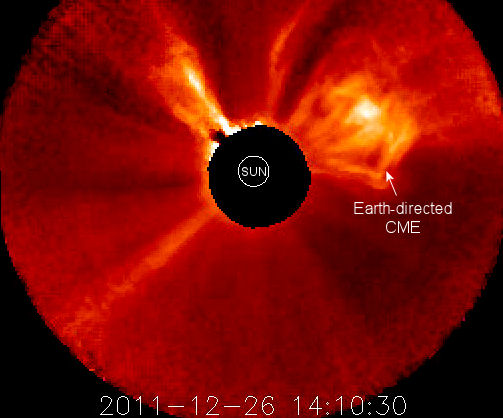
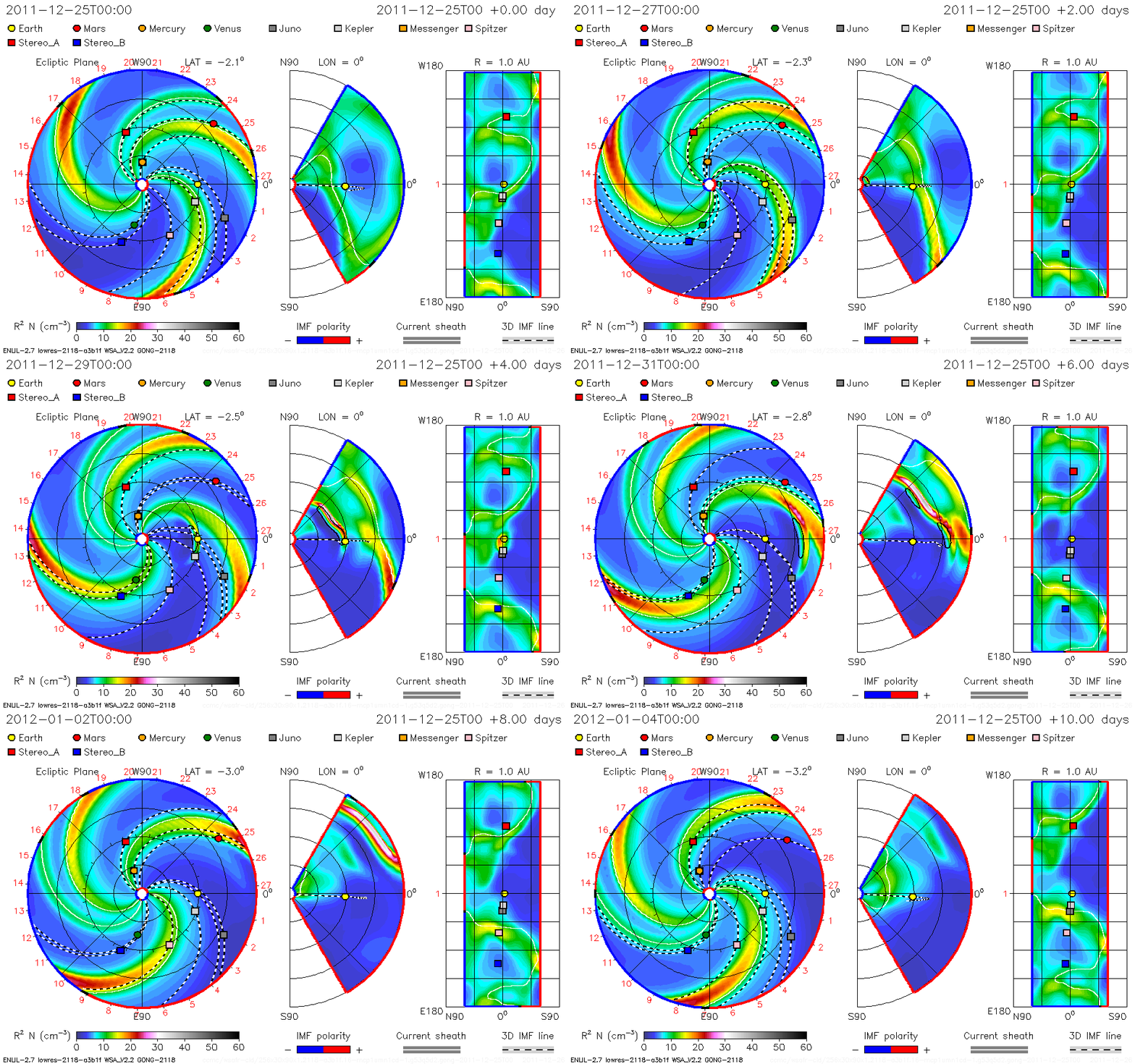
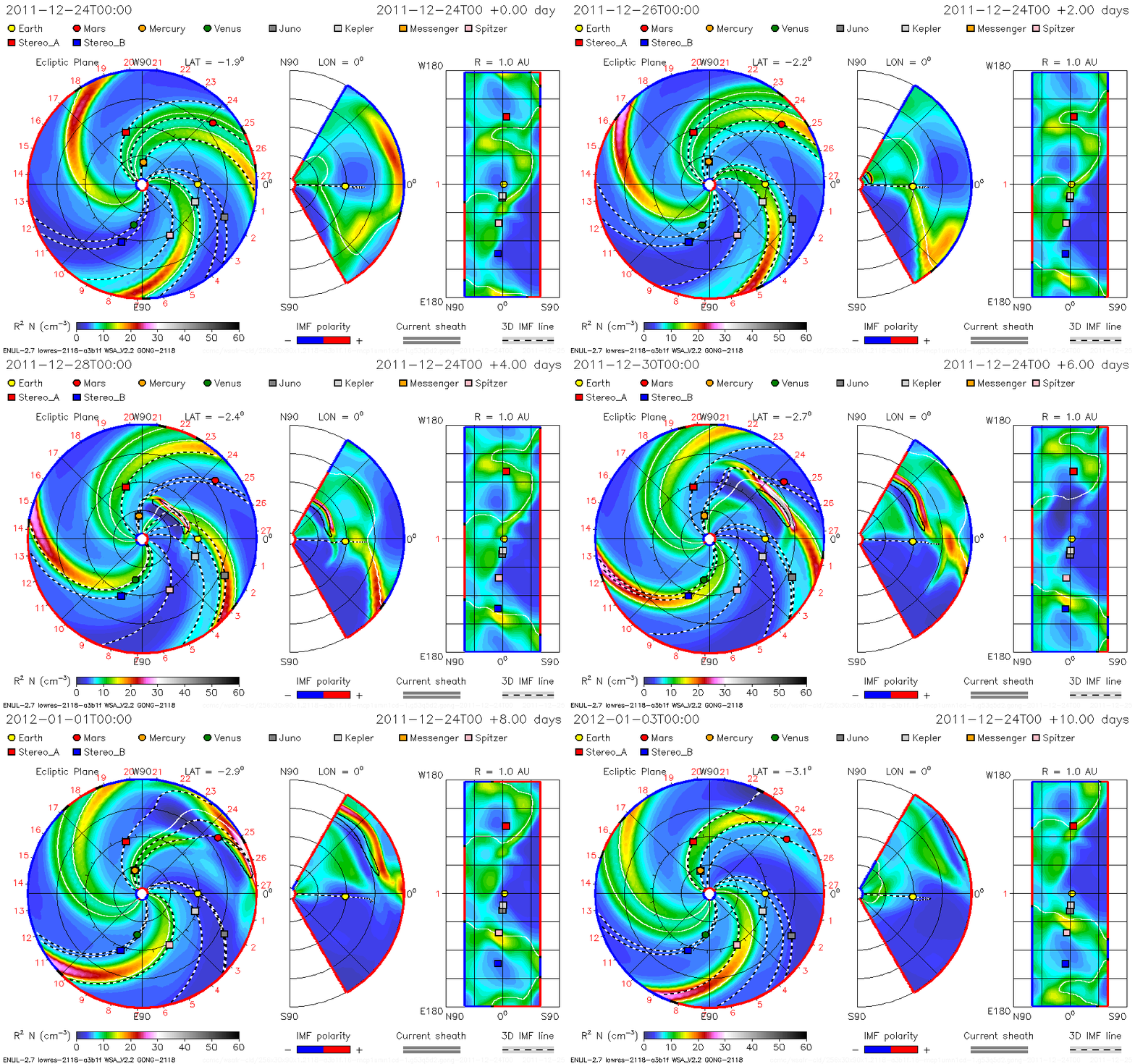
According to a forecast track prepared by analysts at the Goddard Space Weather Lab, the cloud should squarely strike Earth's magnetic field on Dec. 28th at 20:22 UT (+/- 7 hours). Another CME could deliver a glancing blow a few hours earlier on the same date. The double impact is expected to spark mild-to-moderate geomagnetic storms at high latitudes. Aurora alerts: text, voice.
Mars is also in the line of fire. The first of the two CMEs is squarely directed toward the Red Planet--estimated time of arrival: Dec. 30th at 1800 UT. Using onboard radiation sensors, NASA's Curiosity rover might be able to sense the CME when it passes the rover's spacecraft en route to Mars.
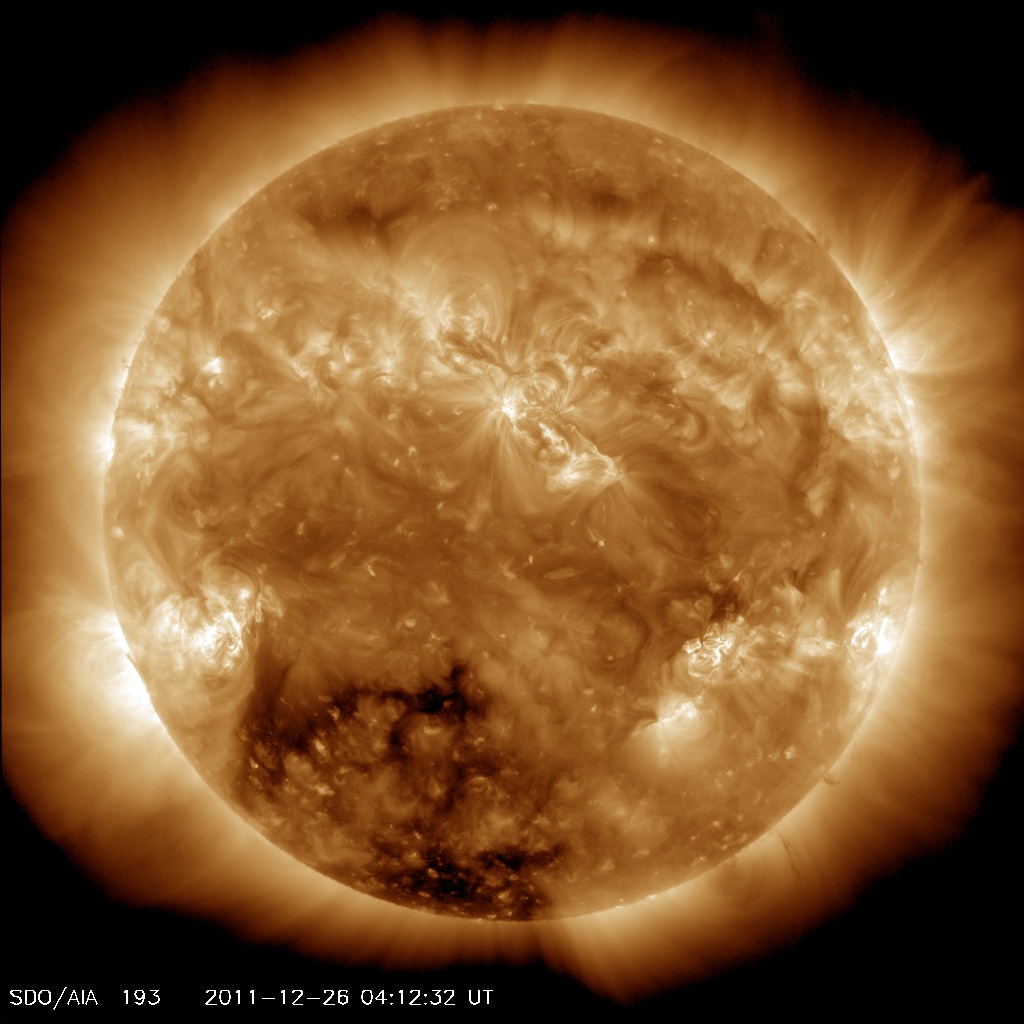
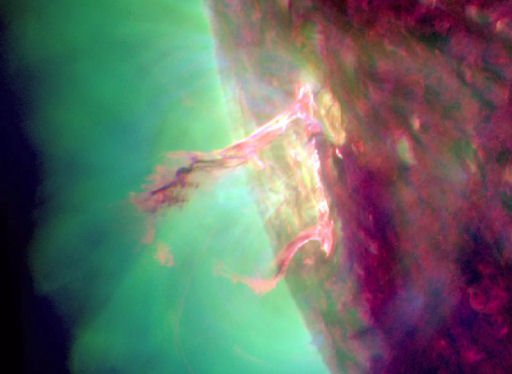
BEAUTIFUL BLAST: After three years of deep quiet, the sun woke up in 2011. Sunspots and solar flares became commonplace again as long-awaited Solar Cycle 24 got underway. One of the most beautiful eruptions of the young solar cycle occured just this past weekend. Rogerio Marcon of Campinas SP Brasil photographed the blast on Christmas Eve:
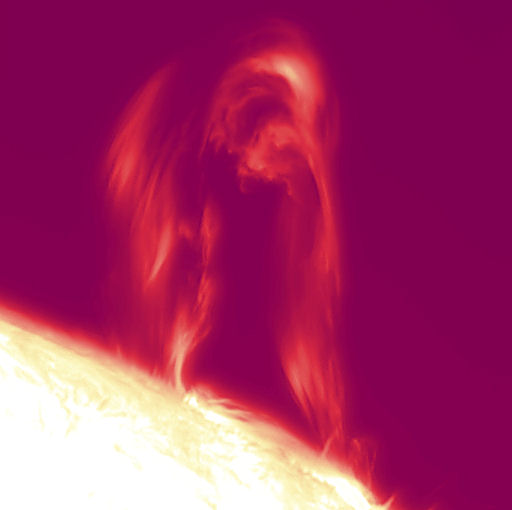
"I made a time-lapse video of the eruption," says Marcon. "What a wonderful Christmas present." While Marcon was recording the event from Earth, NASA's Solar Dynamics Observatory was doing the same from Earth-orbit. It was beautiful up there, too.
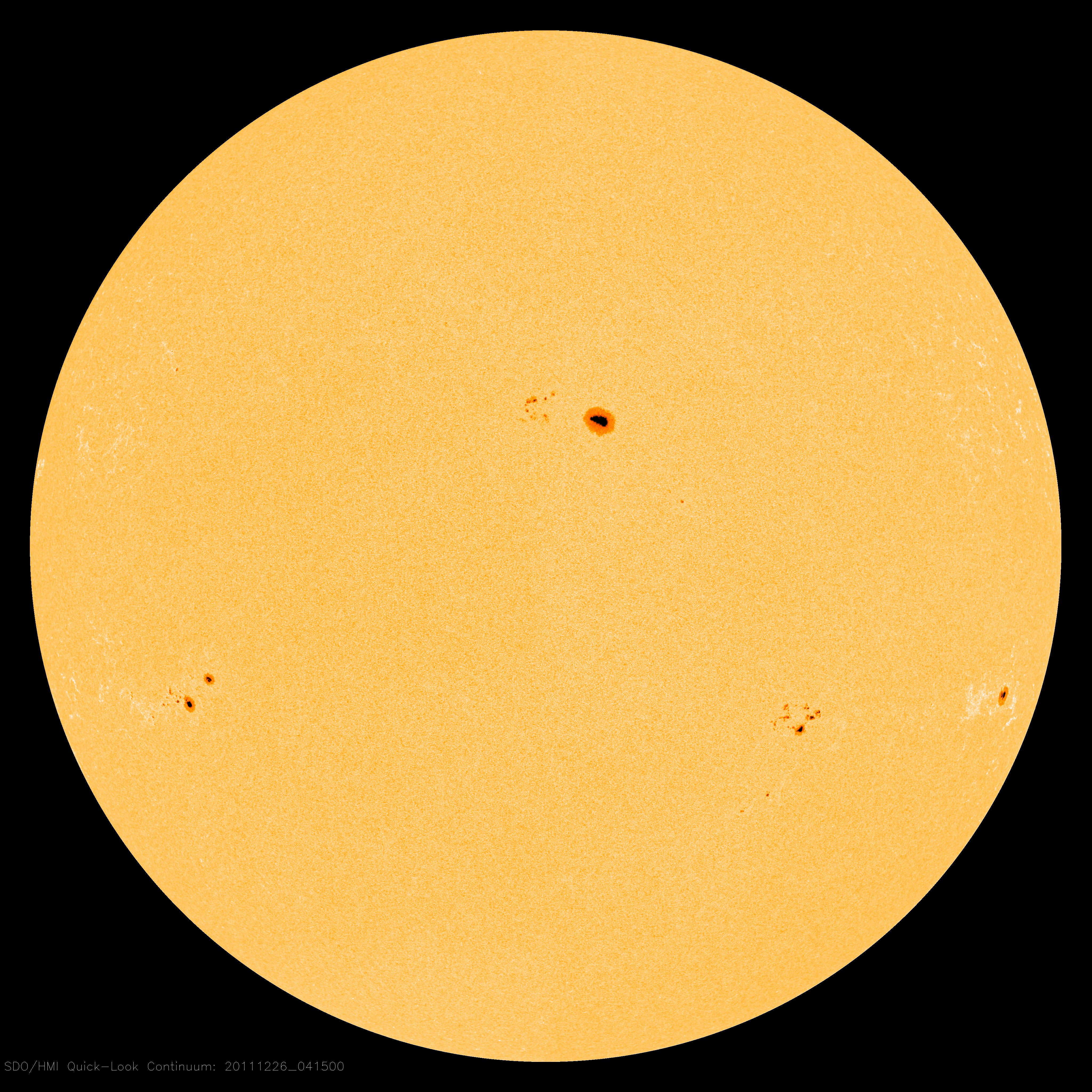
This explosion was not Earth-directed. Next time, however, could be different. The source of the blast, sunspot 1386, is turning toward Earth, increasing the chances of a geoeffective flare in the days ahead. Solar Flare alerts: text, voice.
more images: from Philippe Roucheux of Joigny, Bourgogne, France
Potentially Hazardous Asteroids (
PHAs) are space rocks larger than approximately 100m that can come closer to Earth than 0.05 AU. None of the known PHAs is on a collision course with our planet, although astronomers are finding
new ones all the time.
On December 26, 2011 there were 1272 potentially hazardous asteroids.
Notes: LD means "Lunar Distance." 1 LD = 384,401 km, the distance between Earth and the Moon. 1 LD also equals 0.00256 AU. MAG is the visual magnitude of the asteroid on the date of closest approach. | | The official U.S. government space weather bureau |
| | The first place to look for information about sundogs, pillars, rainbows and related phenomena. |
| | Researchers call it a "Hubble for the sun." SDO is the most advanced solar observatory ever. |
| | 3D views of the sun from NASA's Solar and Terrestrial Relations Observatory |
| | Realtime and archival images of the Sun from SOHO. |
| | from the NOAA Space Environment Center |
| | the underlying science of space weather |