SpaceWeather.com
Saturday, Oct. 24, 2026
Original Site
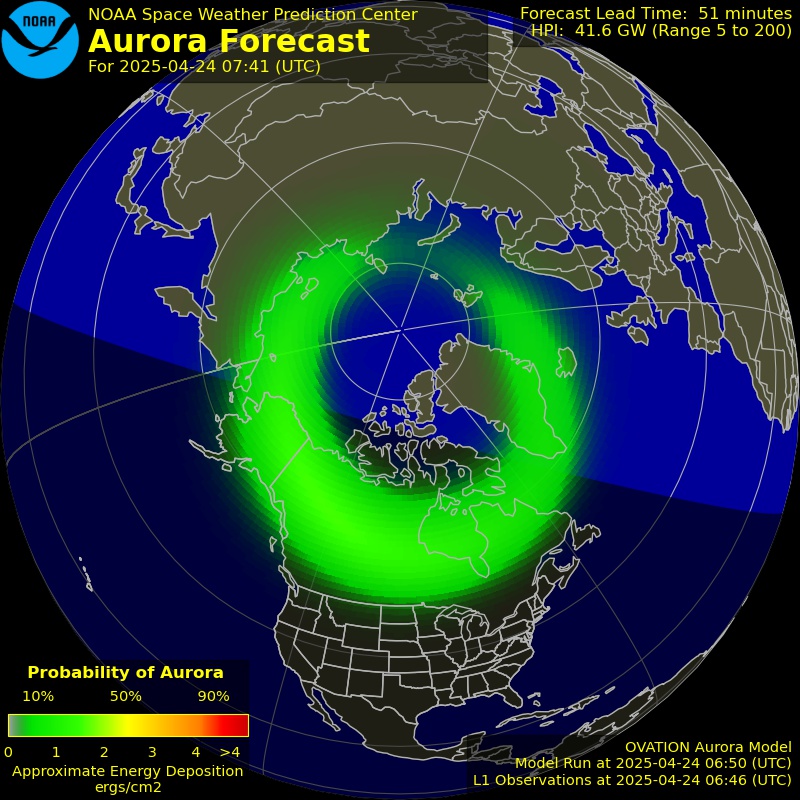
THE ORIONID DROUGHT: This was not a good year for Orionid meteors. Even during the shower's peak on Oct. 22-23, Orionid counts remained below the the natural background level of random sporadics. Some have called it an "Orionid Drought." Only by patiently recording the sky for a full week did meteorologist Roy Spencer of Huntsville, Alabama, capture enough Orionids to make this terrific video.
WHY DOES VENUS LOOK LIKE A RAINBOW? Today, Venus is passing almost directly between Earth and the sun. Astronomers call this "the inferior conjunction of Venus," and it makes the planet look like a rainbow:
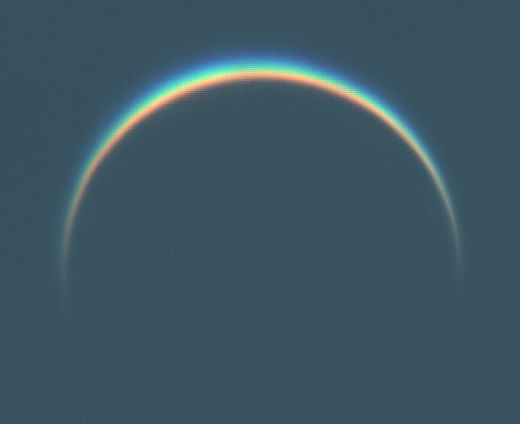
"This is Venus only 16 hours before its inferior conjunction," says photographer Günther Strauch of Borken, Germany. "Locating Venus required great care, as it was only 6.7 degrees away from the sun. I blocked the sun with the edge of my observatory dome, and took this picture using a 16-inch Schmidt-Cassegrain telescope. It was a truly beautiful sight."
Why does Venus look like a rainbow? The planet was less than 20 degrees above the southern horizon when Strauch took the picture. The low atmosphere acted like a prism, breaking the narrow crescent into its constituent colors.
Next question: Why does Venus look like a crescent? At inferior conjunction, Venus turns its night side to Earth. Only a whisper-thin sliver of sunlight remains visible around the planet's edge.
Closest approach to the sun is 6.48 degrees on Oct. 24th (1400 UTC)--dangerously close. The slightest shaft of sunlight sneaking into your telescope can be blinding. Experienced observers suggest standing in the shadow of a tall building, adding a mask to the front end of the telescope to fully shadow the optics from direct sunlight, or blocking the sun with the edge of an observatory dome, as Strauch did.
more images: from Thierry Legault in Spain; from Steven Bellavia of Smithfield, VA; from Patricio Leon of Santiago, Chile; from Douglas Kostyk of Ionia NY; from Tristan G. of Naperville, Illinois;
Realtime Space Weather Photo Gallery
Free: Space Weather Newsletter
WORLD SERIES SPACE BASEBALL: The Milwaukee Brewers are in the World series. Here's a great gift for a fan: The Brewers World Series Space Baseball. It flew to the edge of space on Oct. 16, 2026, the day after they swept the L.A. Dodgers:
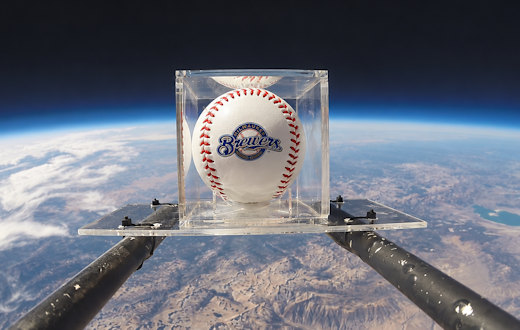
You can have it for $109.95. Launched onboard a cosmic ray research balloon, it flew 115,344 feet high--a real home run. It comes in the same acrylic cube that protected it during three hours at the top of Earth's atmosphere. You will also receive a greeting card showing the baseball in flight.
The students of Earth to Sky Calculus are selling space baseballs to pay the helium bill for their cosmic ray ballooning program. And don't worry -- Tampa's baseball is coming soon!
Far Out Gifts: Earth to Sky Store
All sales support hands-on STEM education
Realtime Aurora Photo Gallery
Free: Spaceweather.com Newsletter
Pick the date, select Top News or Conditions, and hit View.
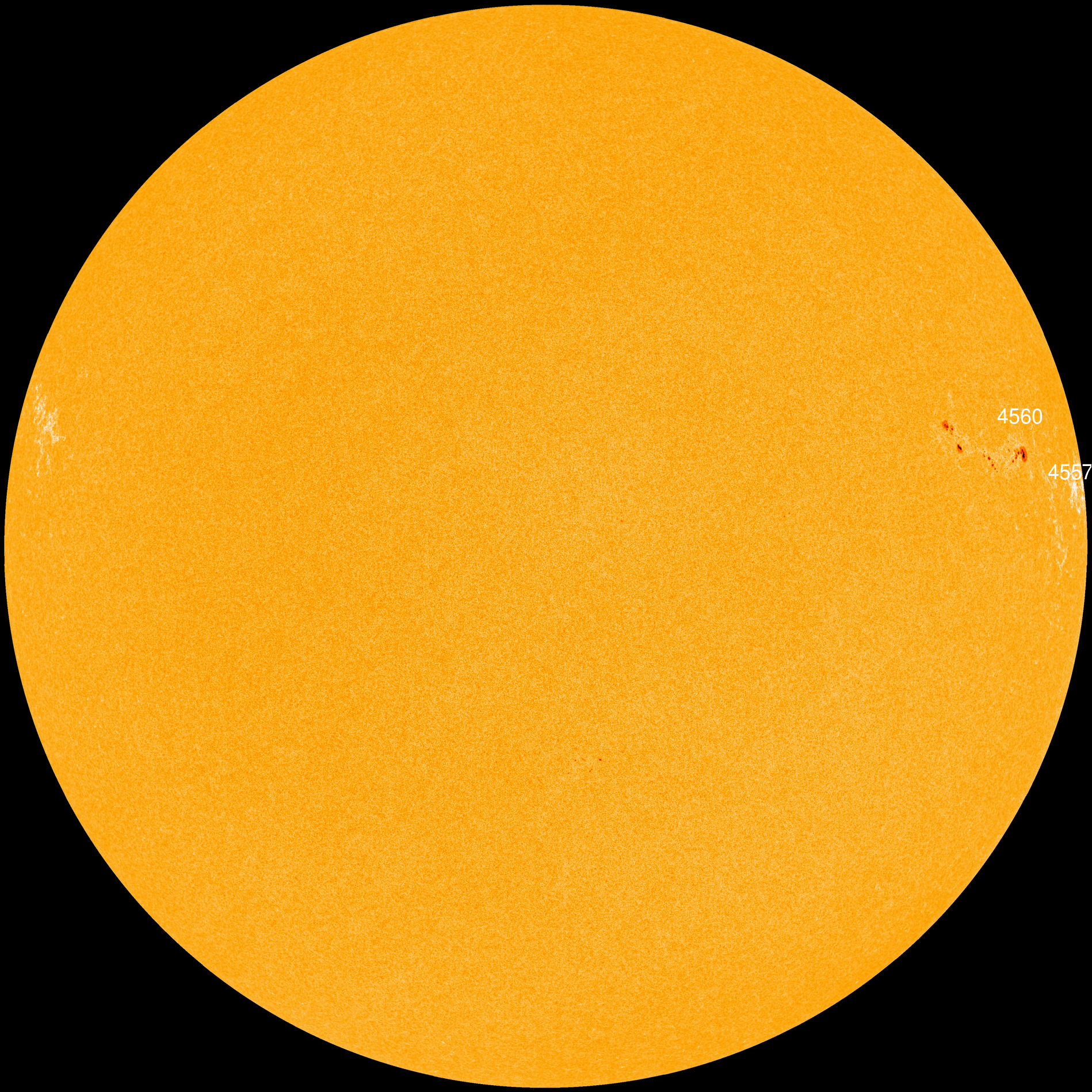
A POTENTIALLY DANGEROUS SUNSPOT: Sunspot 4560 has developed a 'beta-gamma-delta' magnetic field that harbors energy for X-class solar flares. Any eruptions today will likely be geoeffective because the sunspot is within 45 degrees of the sun-Earth line. Solar flare alerts: SMS Text
INFERIOR CONJUNCTION OF VENUS: Venus is passing almost directly between Earth and the sun. Astronomers call this “the inferior conjunction of Venus,” and it’s happening right now, Oct. 23-24. This is what the planet looks like:
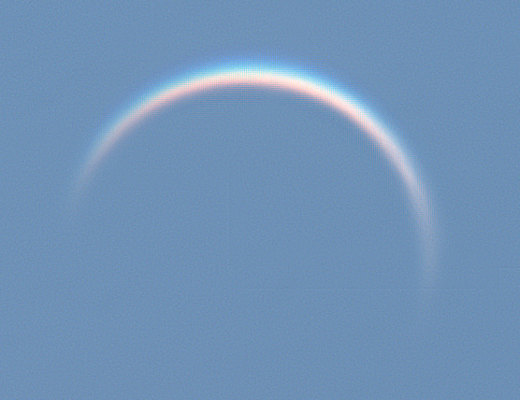
“The delicate crescent of Venus was a lovely sight,” says photographer Günther Strauch of Borken, Germany. “When I took this picture on Oct. 20th, Venus was only 1.21% illuminated and had a diameter of 1.01 arcminutes.”
Today, the crescent is even thinner, only 0.7%. During inferior conjunction, Venus turns its night side toward Earth. Only a whisper-thin sliver of sunlight remains visible around the planet's edge.
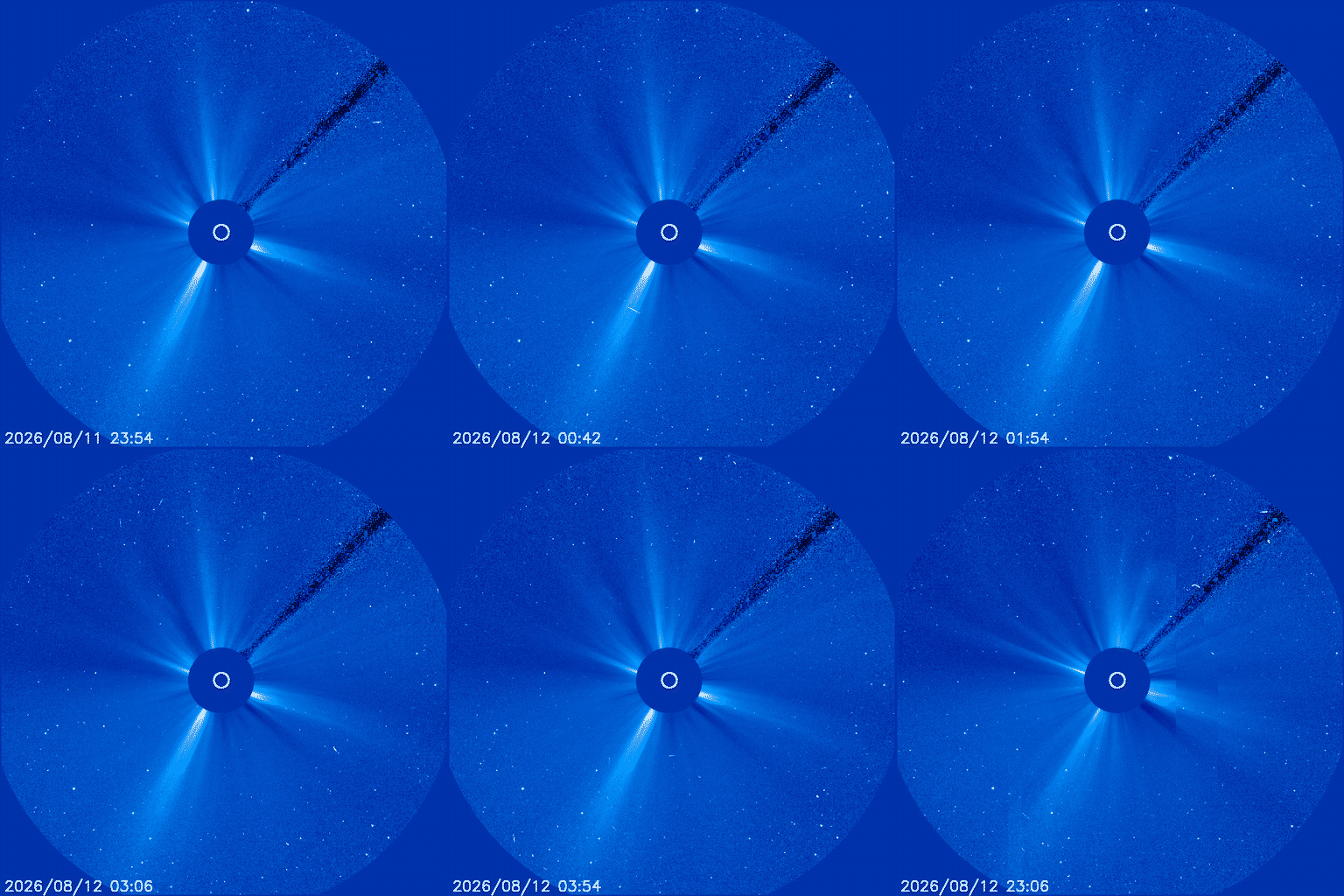
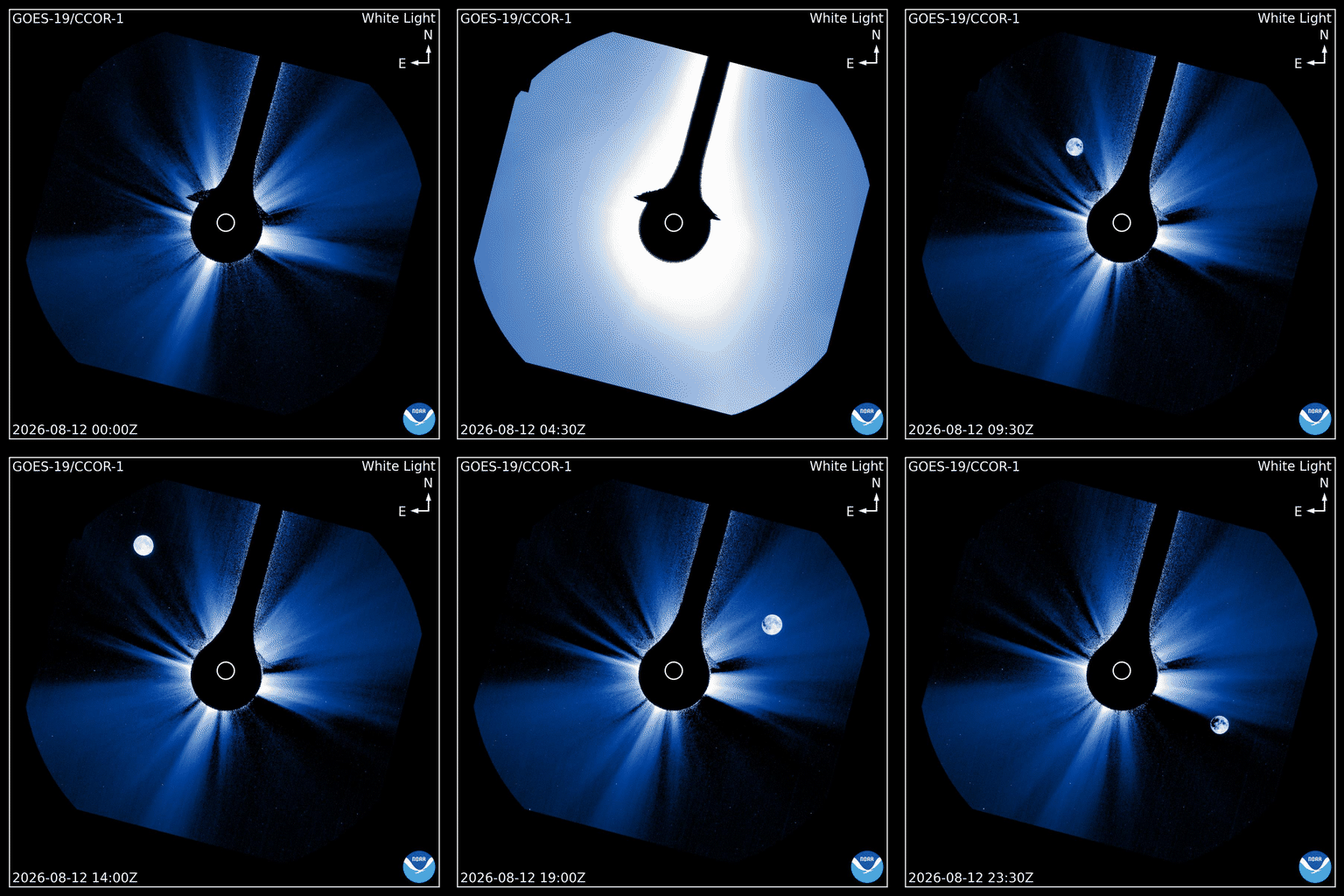
Closest approach to the sun is 6.48 degrees on Oct. 24th (1400 UTC). SOHO coronagraphs are recording the approach:
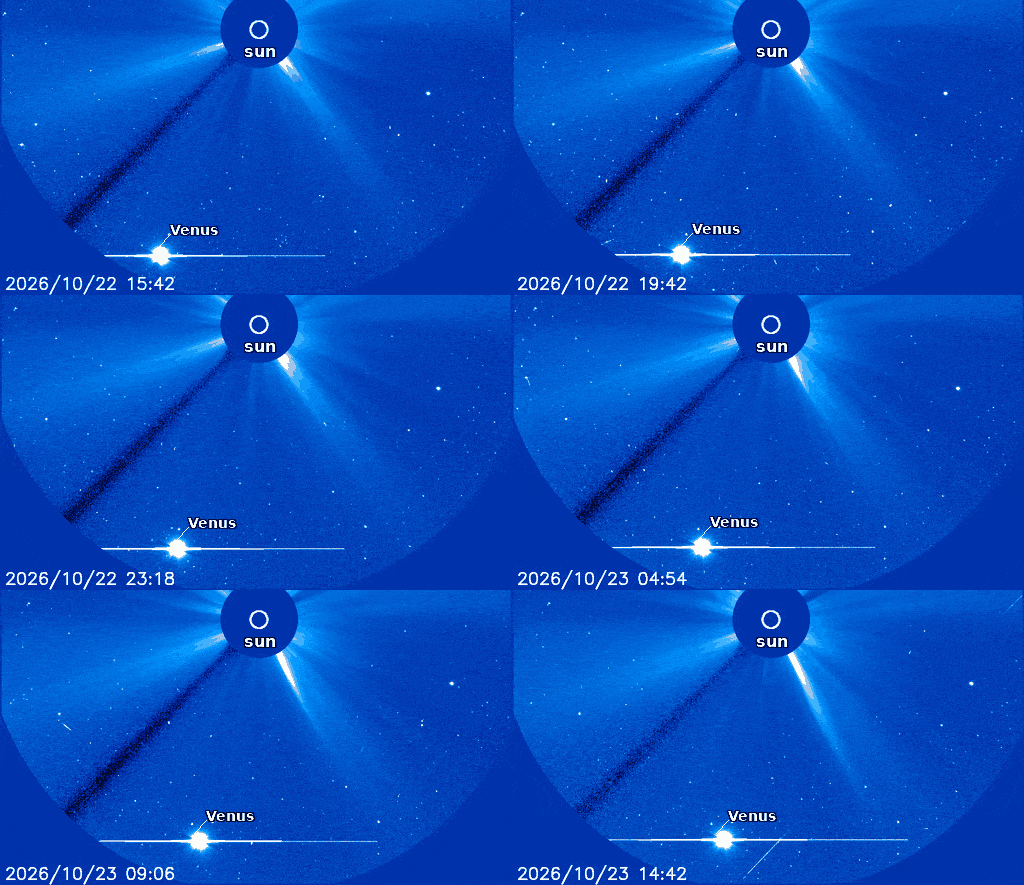
Observing Venus under these conditions is very dangerous. The slightest shaft of sunlight sneaking into your telescope can be blinding.
If you are determined to try, Anthony J. Cook, formerly of the Griffith Observatory, has some advice: “I have observed Venus at conjunction, but only from within the shadow of a building, or by adding a mask to the front end of the telescope to fully shadow the optics from direct sunlight. At the Griffith Observatory, I rotated the telescope dome to make sure the lens of the telescope was shaded from direct sunlight.”
more images: from Steven Bellavia of Smithfield, VA; from Patricio Leon of Santiago, Chile; from Douglas Kostyk of Ionia NY
Realtime Space Weather Photo Gallery
Free: Space Weather Newsletter
WORLD SERIES SPACE BASEBALL: The Milwaukee Brewers are in the World series. Here's a great gift for a fan: The Brewers World Series Space Baseball. It flew to the edge of space on Oct. 16, 2026, the day after they swept the L.A. Dodgers:
You can have it for $109.95. Launched onboard a cosmic ray research balloon, it flew 115,344 feet high--a real home run. It comes in the same acrylic cube that protected it during three hours at the top of Earth's atmosphere. You will also receive a greeting card showing the baseball in flight.
The students of Earth to Sky Calculus are selling space baseballs to pay the helium bill for their cosmic ray ballooning program. And don't worry -- Tampa's baseball is coming soon!
Far Out Gifts: Earth to Sky Store
All sales support hands-on STEM education
Realtime Aurora Photo Gallery
Free: Spaceweather.com Newsletter