SpaceWeather.com
Thursday, Oct. 8, 2026
Original Site
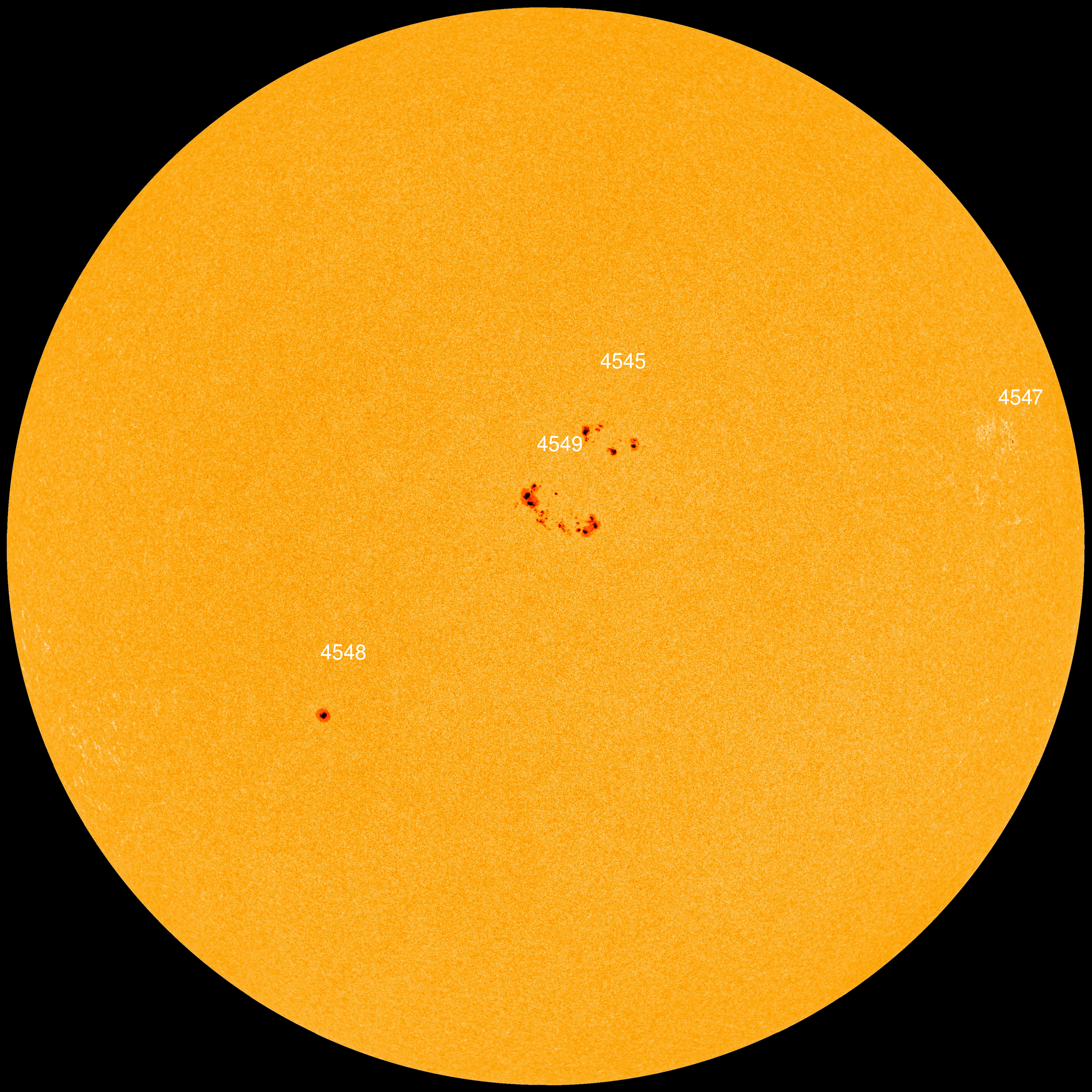
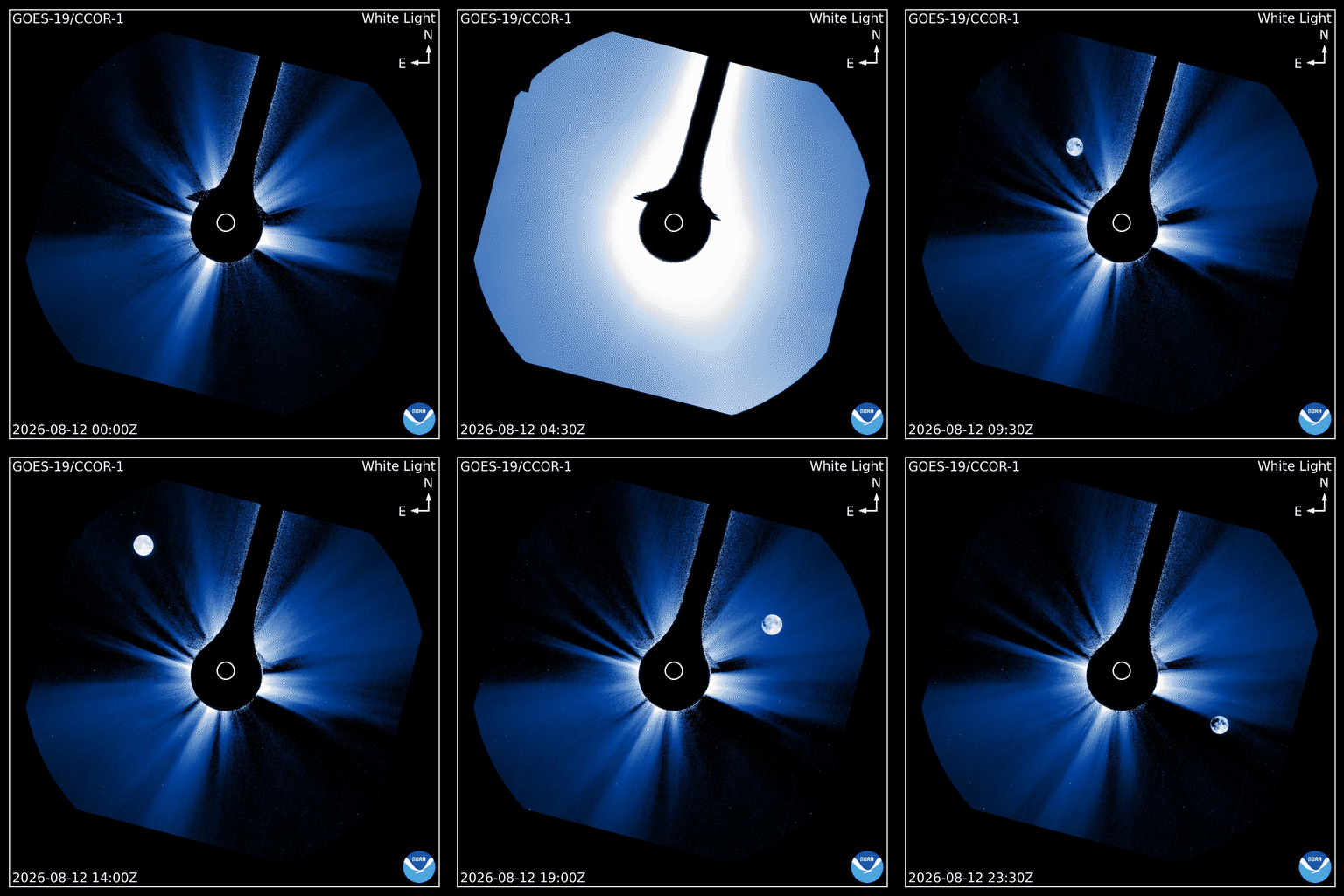
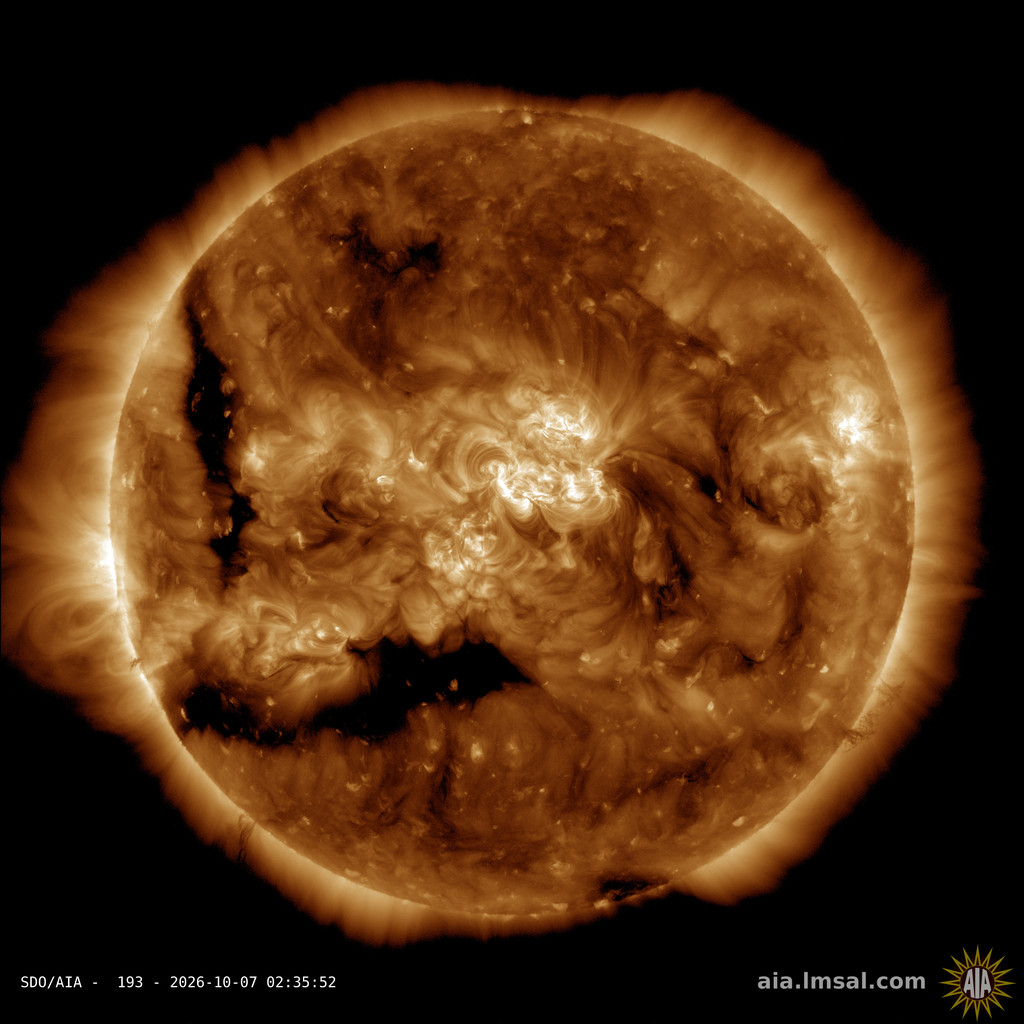
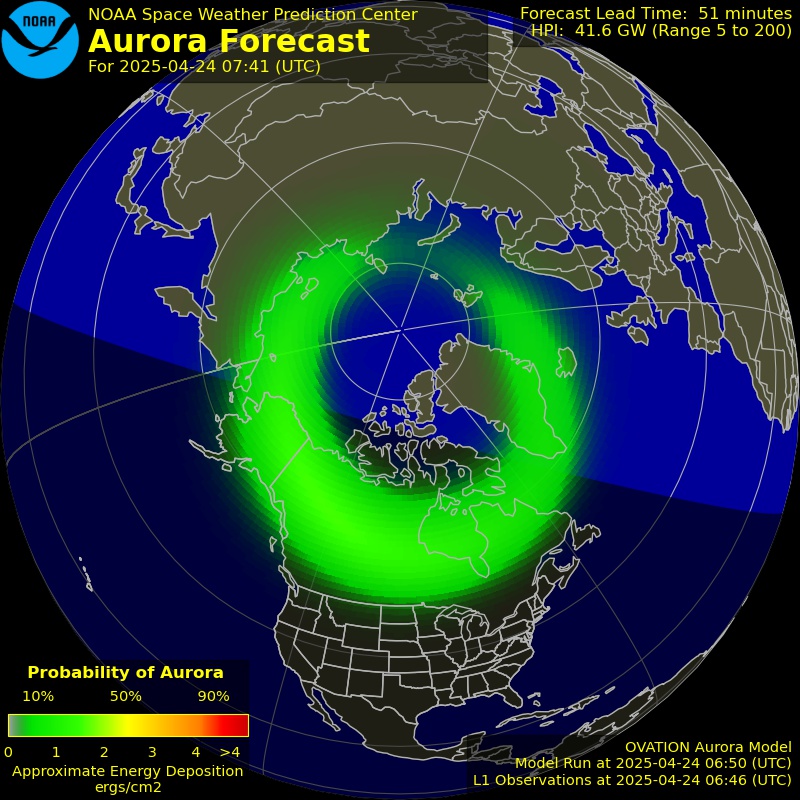
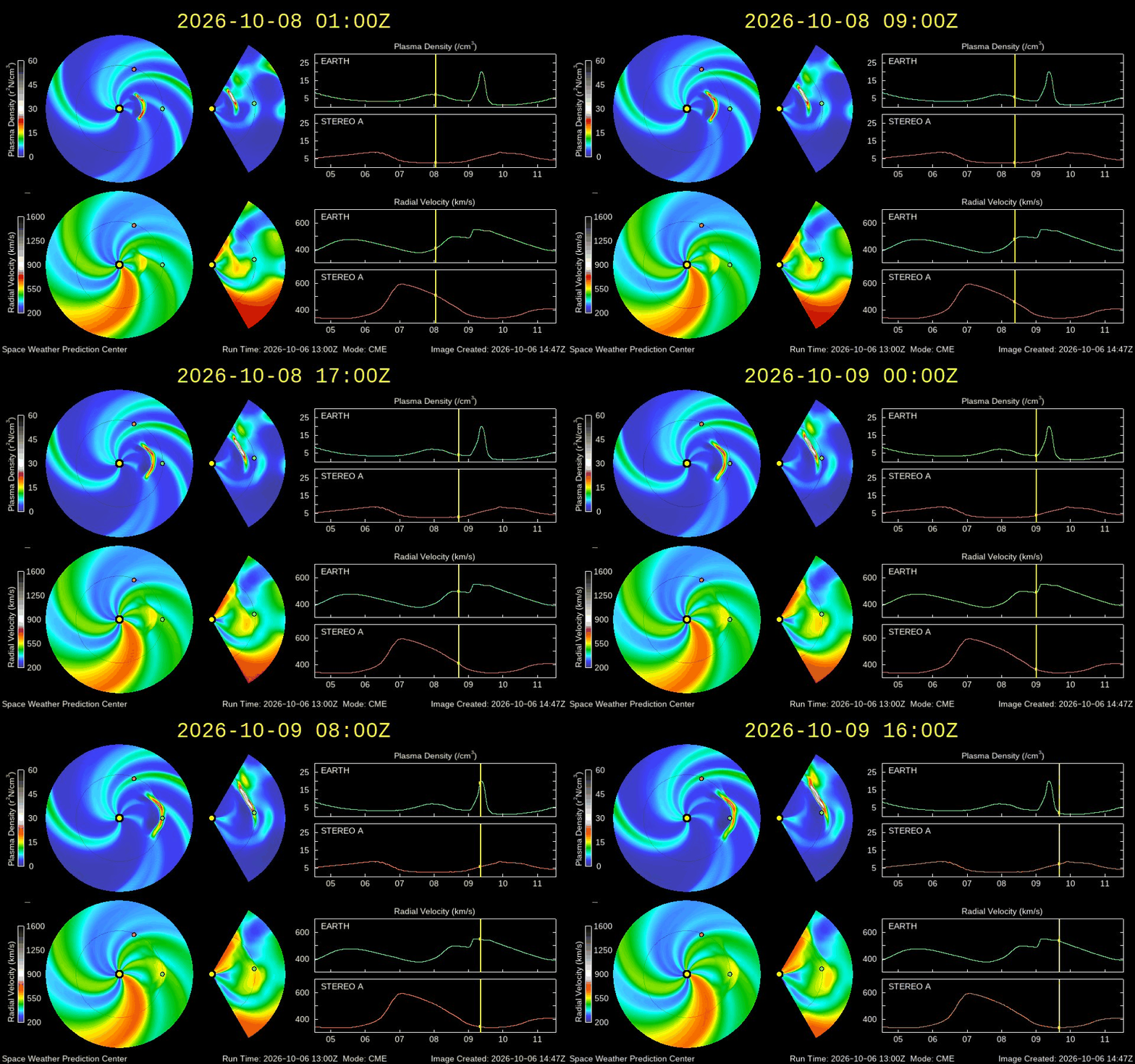
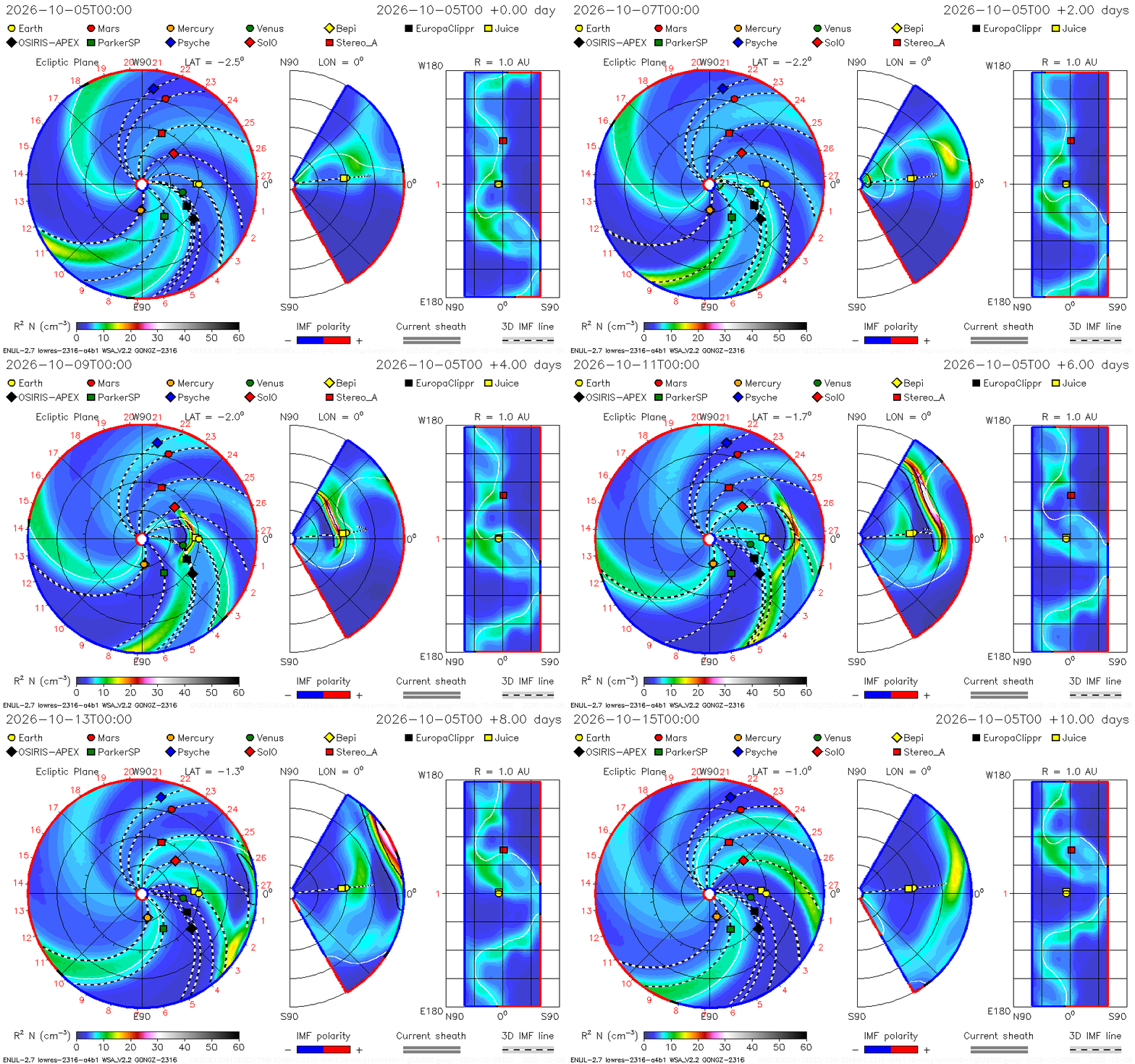
UPDATE: TWO CMES ARE COMING: Active sunspot 4549 puffed another CME toward Earth on Oct 7th), joining another CME already en route. The latest NOAA forecast model shows two CME hitting Earth, first on Oct. 9th, second on Oct. 11th. This sets the stage for G1/G2-class geomagnetic storms and auroras in the nights ahead. CME impact alerts: SMS Text
A PUZZLING DISPLAY OF PINK AURORAS: Pink is not an easy color for auroras to be. Yet on Oct 6th, "the sky exploded in bright pink colors," says Karsten Berger, who sends this picture from Levi, Finnland:
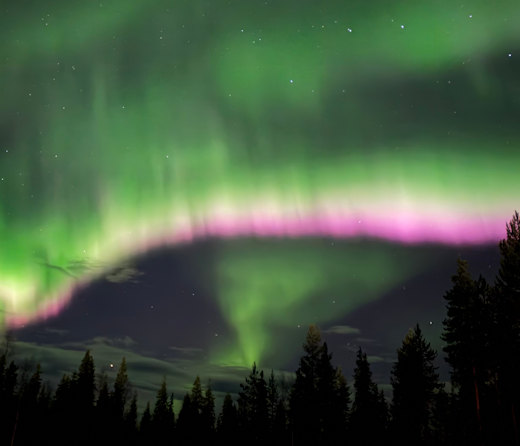
The pink lights were also seen in Iceland. "A vibrant pinkish-purple fringe clung tightly to the lower boundary of the auroral curtain, creating a striking contrast with the vast green expanse above," says photographer Jeff Dai.
Pink is rare because it requires particles from the sun to penetrate unusually deep into Earth's atmosphere. Most auroras come from altitudes of 100 to 300 km, where electrons strike oxygen to produce a green glow.
Pink requires those electrons to burrow even deeper, below 100 km, where they can find molecular nitrogen. N2 produces the pink. Sometimes we call this "the nitrogen fringe" because it creates a fringe of pink along the bottom of the green.
So what's the puzzle? Typically, a strong geomagnetic storm is required to reach so far into Earth's atmosphere. No such storm was underway when Berger took this picture. Lesson: Always be alert for pink.
Realtime Aurora Photo Gallery
Free: Spaceweather.com Newsletter
SHATTERED PLANETESIMAL METEORITE PENDANT: When meteorites land on Earth, they usually stay on Earth. This one went back to space. On Sept. 16, 2026, we flew this genuine iron meteorite pendant to the stratosphere onboard a cosmic ray research balloon:
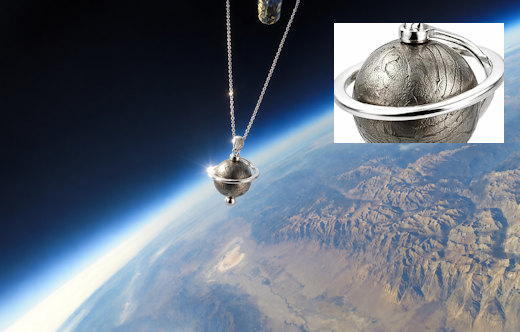
You can have it for $278.95. Thought to be the remnant of a shattered planetesimal, the original meteorite crashed to Earth in northern Sweden where it was preserved in glacial ice. Jewelers mounted this polished spherical fragment in a sterling silver "planetary rings" frame.
You can tell it's real just by looking. The surface of the sphere is covered with Widmanstätten patterns--interlocking crystals of iron-nickel alloy that grew inside the core of an ancient planetesimal as it cooled over millions of years.
The students of Earth to Sky Calculus are selling space pendants to pay the helium bill for their high-altitude balloon program. Each one comes with a full-color greeting card showing the jewelry in flight.
Far Out Gifts: Earth to Sky Store
All sales support hands-on STEM education
Realtime Space Weather Photo Gallery
Free: Space Weather Newsletter
Pick the date, select Top News or Conditions, and hit View.
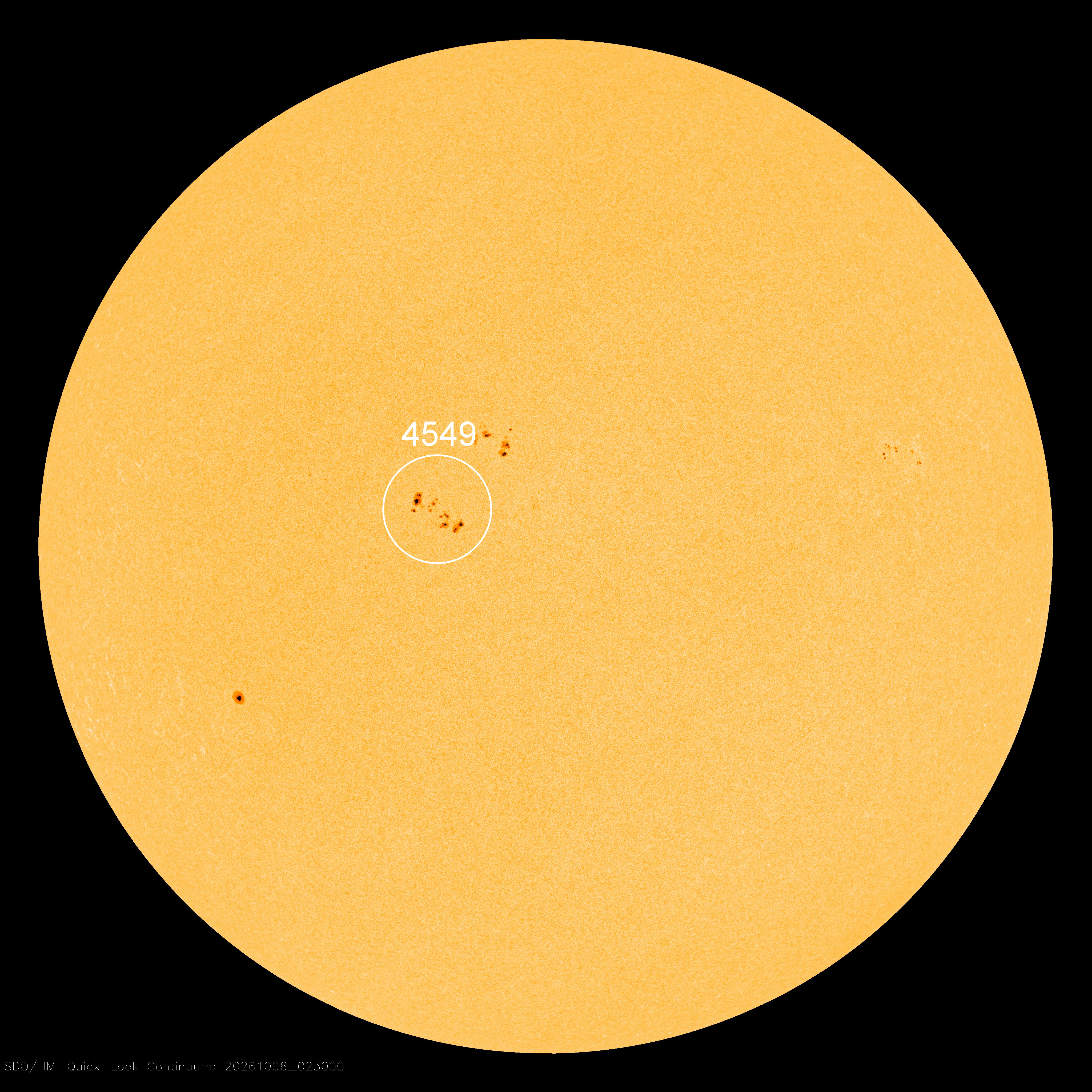
A POTENTIALLY DANGEROUS SUNSPOT: Don't be surprised if there is a X-flare today. New sunspot 4549 is growing rapidly (it didn't even exist yesterday) and has developed a delta-class magnetic field that harbors energy for strong solar flares. The sunspot is directly facing Earth. Solar flare alerts: SMS Text
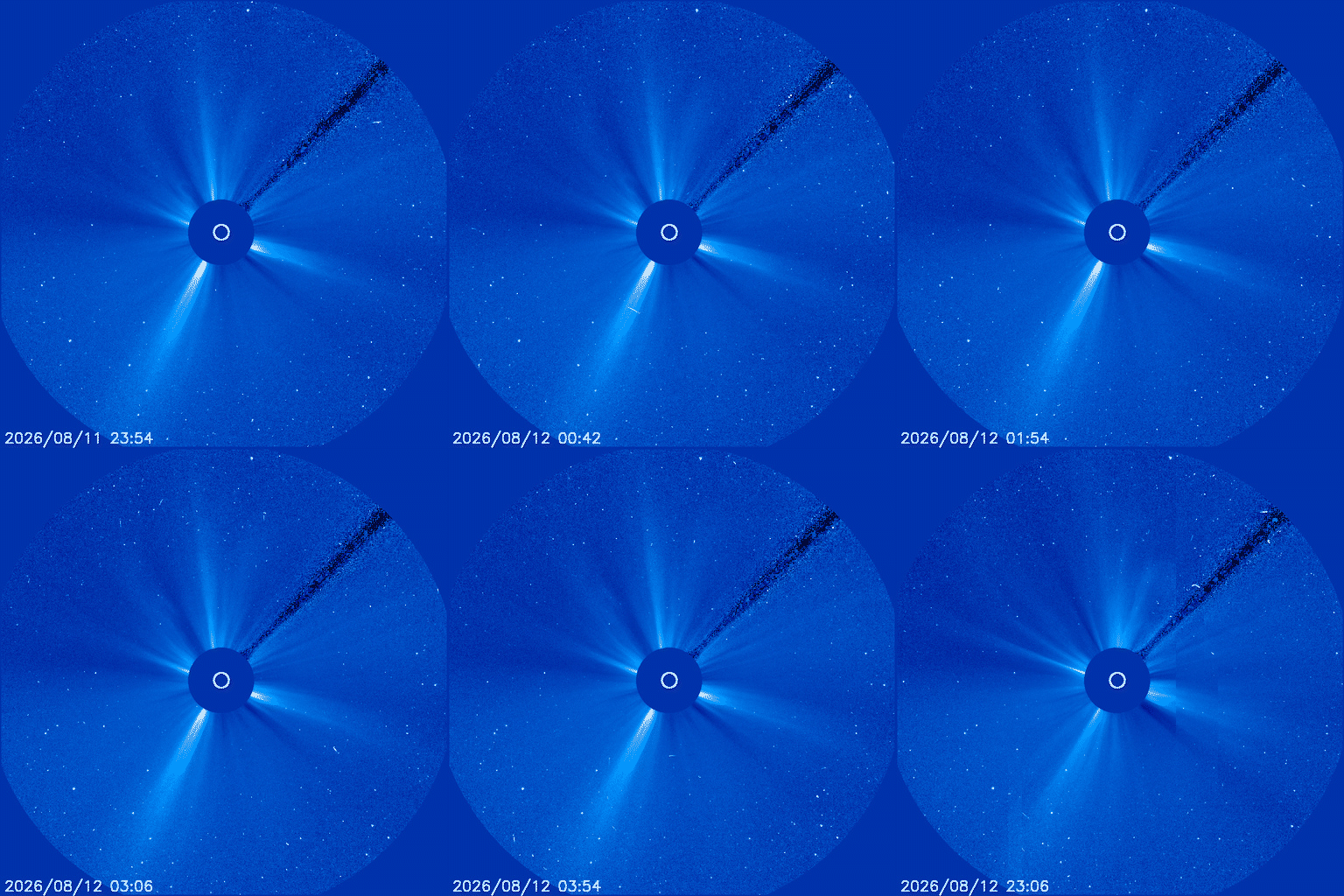
A CME IS COMING: Sunspot 4549 erupted this morning, producing a long-duration M2-class solar flare and a full-halo CME:
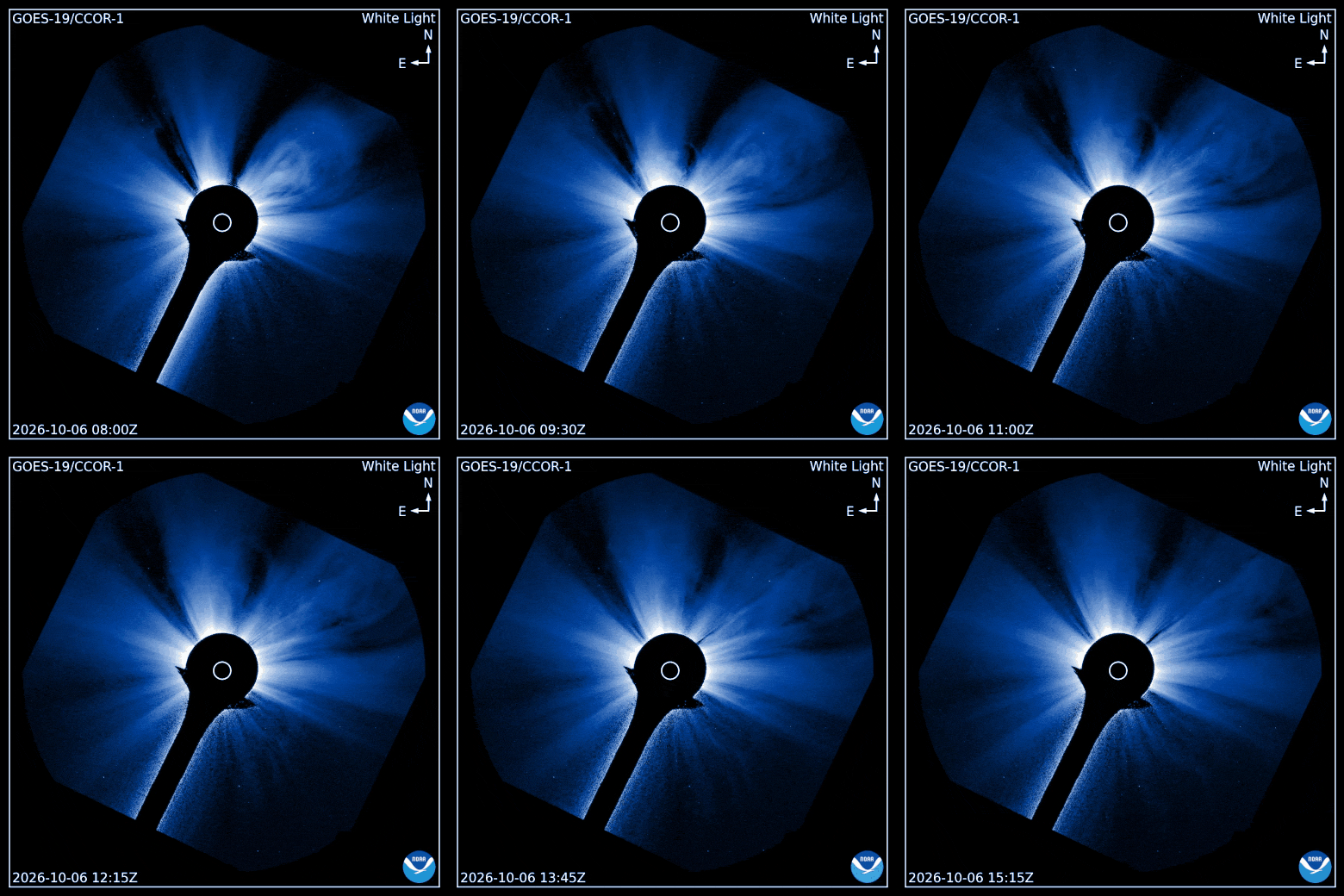
This CME is heading straight for Earth. NOAA and NASA models agree that it will arrive on Oct. 9th, delivering a blow that could spark a G2-class geomagnetic storm. The predicted timing of the strike is perfect for aurora photographers. A nearly new Moon will provide photo-quality dark skies in rural areas. CME impact alerts: SMS Text
Realtime Aurora Photo Gallery
Free: Spaceweather.com Newsletter
SHATTERED PLANETESIMAL METEORITE PENDANT: When meteorites land on Earth, they usually stay on Earth. This one went back to space. On Sept. 16, 2026, we flew this genuine iron meteorite pendant to the stratosphere onboard a cosmic ray research balloon:
You can have it for $278.95. Thought to be the remnant of a shattered planetesimal, the original meteorite crashed to Earth in northern Sweden where it was preserved in glacial ice. Jewelers mounted this polished spherical fragment in a sterling silver "planetary rings" frame.
You can tell it's real just by looking. The surface of the sphere is covered with Widmanstätten patterns--interlocking crystals of iron-nickel alloy that grew inside the core of an ancient planetesimal as it cooled over millions of years.
The students of Earth to Sky Calculus are selling space pendants to pay the helium bill for their high-altitude balloon program. Each one comes with a full-color greeting card showing the jewelry in flight.
Far Out Gifts: Earth to Sky Store
All sales support hands-on STEM education
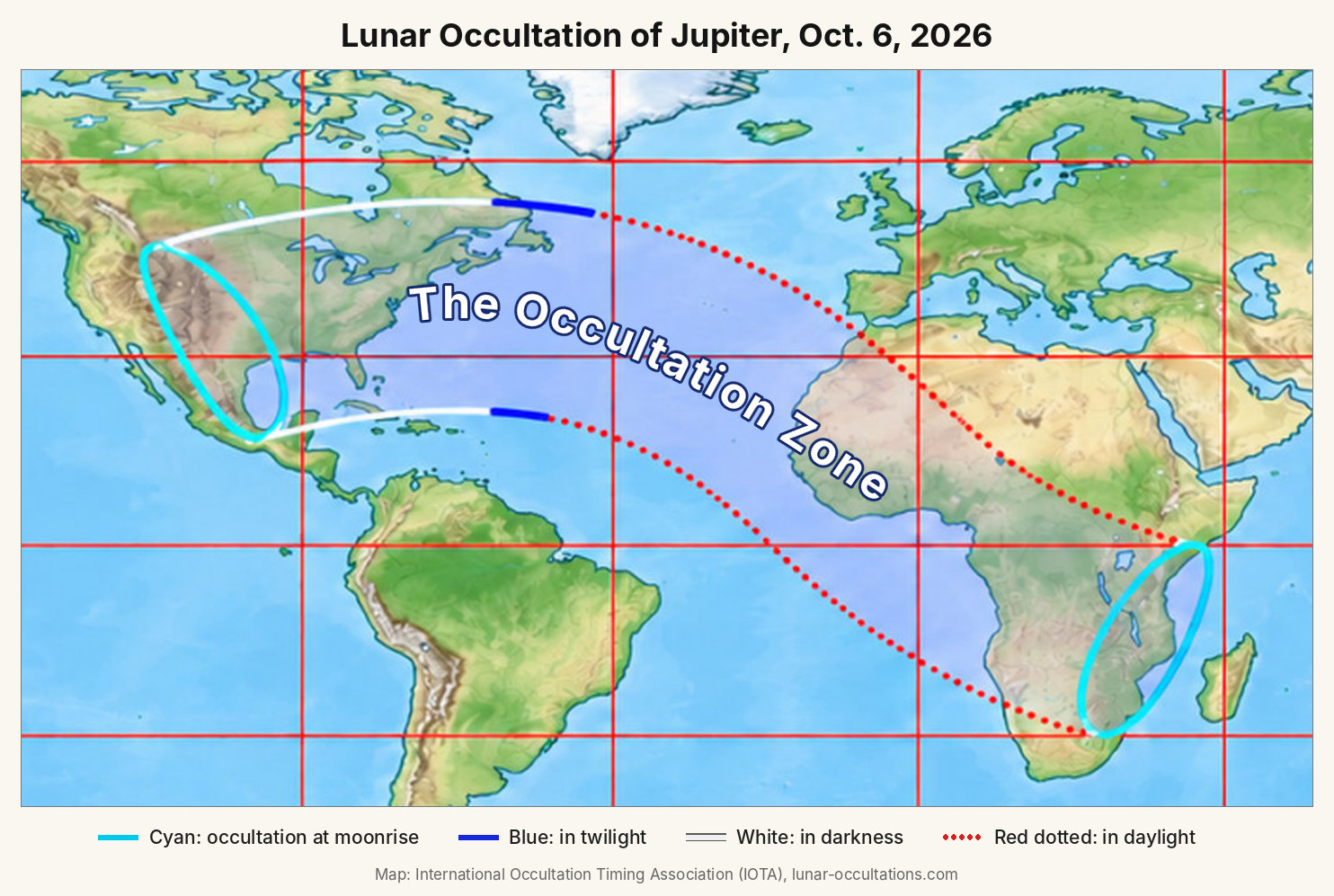
LUNAR OCCULTATION OF JUPITER: It was even better than coffee. Astronomers woke up before dawn on Oct. 6th to see a lunar occultation of Jupiter--essentially, an eclipse of the gas giant by the 20% crescent Moon. Marc Jobin watched the show from Montréal, Québec:
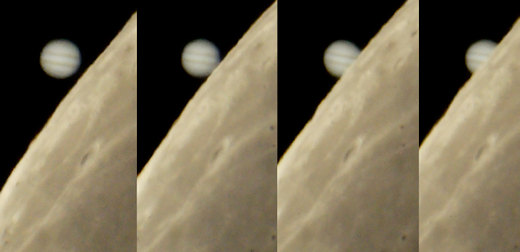
"These frames are about 90 seconds apart," says Jobin. "We were lucky to catch this rare phenomenon."
The occultation was visible from a wide band stretching across the USA and Canada. Outside of the occultation zone, it was merely a close encounter--still very pretty. Did you see it? Submit your pictures here.
Realtime Lunar Occultation Photo Gallery
Free: Spaceweather.com Newsletter
Realtime Space Weather Photo Gallery
Free: Space Weather Newsletter