MOSTLY QUIET: Solar activity remains low. The only action on the Earthside of the sun is a minor crackling of C-class solar flares from departing sunspot AR1800. NOAA forecasters estimate a 10% chance of M-class flares and no more than a 1% chance of X-flares on July 31st. Solar flare alerts: text, voice.
METEOR ACTIVITY PICKS UP: The Canadian Meteor Orbit Radar (CMOR) is scanning the skies over North America for signs of meteor activity. This all-sky map produced during the early hours of July 31st shows an active radiant in the constellation Aquarius:

"SDA" is the three-letter code for the Southern Delta Aquariid meteor shower, which occurs every year in late July when Earth passes through a stream of debris from comet 96P/Machholz. Observers are reporting more than a dozen meteors per hour from this radiant. They are best seen from the southern hemisphere during the dark hours between midnight and dawn.
The complete radar map shows another more significant radiant coming to life. Click here and look for "PER." The annual Perseid meteor shower is just getting started as Earth enters the outskirts of a debris stream from big comet 109P/Swift-Tuttle. Forecasters expect the shower to peak on August 12-13 with ~100 meteors per hour, an order of magnitude stronger than the Southern Delta Aquariids. Stay tuned.

NOCTILUCENT CLOUDS: Sky watchers across northern Europe are reporting a vivid display of noctilucent clouds on July 31st. Nické Eriksson sends this sunset image from Karlstad, Sweden:

"It reminded me of a magic carpet," says Eriksson.
Normally the coming of August signals a downturn in sightings of noctilucent clouds (NLCs). The northern noctilucent daisy is brightest in June and July. This year, however, might be different. So far, 2013 has been one of the best years ever for these strange clouds at the edge of space. Sightings could continue long after than usual end of NLC season.

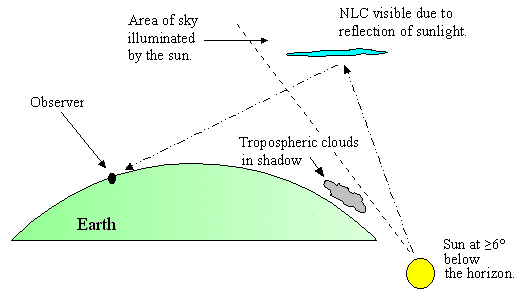
Observing tips: Look west 30 to 60 minutes after sunset when the sun has dipped 6o to 16o below the horizon. If you see luminous blue-white tendrils spreading across the sky, you've probably spotted a noctilucent cloud.
Realtime Space Weather Photo Gallery
Realtime Noctilucent Cloud Photo Gallery
[previous years: 2003, 2004, 2005, 2006, 2007, 2008, 2009, 2011]