STRANGE SITUATION: Near the peak of Solar Max, the sun has slipped into a state that resembles Solar Minimum. Sunspot numbers are low; the sun's X-ray and radio output are depressed; and NOAA forecasters estimate a scant 1% chance of solar flares during the next 24 hours. The quiet could be disturbed during the weekend, however, by the expected return of two old sunspots currently transiting the farside of the sun. Solar flare alerts: text, voice
SOUTHERN DELTA AQUARIID METEOR SHOWER: Earth is entering a broad stream of debris from Comet 96P/Machholz, source of the annual Southern Delta Aquariid meteor shower. Forecasters expect as many as 20 meteors per hour to fly out of the constellation Aquarius on July 29-30 when the shower peaks. Already, NASA meteor cameras are detecting a smattering of fireballs--like this one over New Mexico on July 25th:
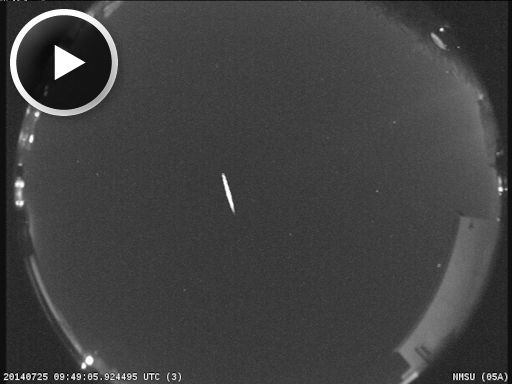
Although the shower favors the southern hemisphere, it is possible to see Southern Delta Aquariids from the north, too, as the video above shows. The best time to look is during the hours between local midnight and sunrise.
Got clouds? Try listening to the Southern Delta Aquariid meteor shower on Space Weather Radio. The audio stream is playing echoes from a forward-scatter meteor radar in Roswell, New Mexico. Also, NASA will stream the shower from an observing site at the Marshall Space Flight Center in Alabama. Live video begins on July 29th at 9:30 pm EDT.
Realtime Space Weather Photo Gallery
VEINS OF HEAVEN: The luminous tendrils of noctilucent clouds (NLCs) have been likened to "frozen lightning", slow-moving bolts of electric-blue that slowly zig-zag across the twilight sky during the months of Arctic summer. Last night photographer P-M Hedén witnessed a display over Hedesunda, Sweden, that suggested a different name. He calls them "veins of Heaven":
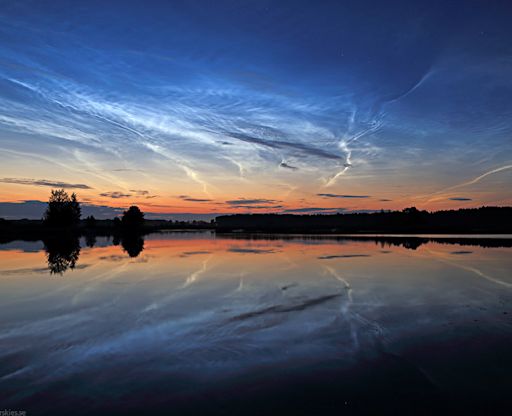
"I was really hoping for a good show because my children came along to watch," says Hedén. "We were not disappointed. From the beginning at 23:00 local time we saw noctilucent clouds all around the sky - amazing! Around 1 a.m. we had veins of Heaven both in the sky and reflected in the water."
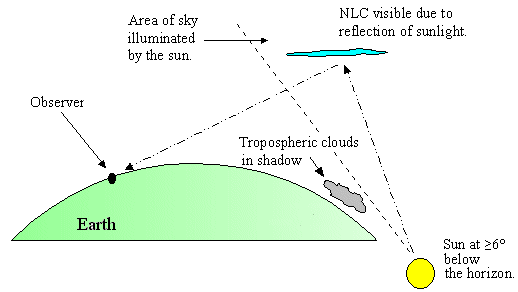
Seeded by meteor smoke, are Earth's highest clouds. They glow electric-blue when sunlight strikes them more than 80 km above Earth's surface. The fine structure that resembles lightning and evokes "heavenly veins" is not fully understood. This is just one of many mysteries about NLCs that NASA has sent its AIM spacecraft to investigate.
The natural habitat of noctilucent clouds is the Arctic Circle. In recent years, however, they have spread to lower latitudes with sightings as far south as Utah and Colorado. This may yet happen in 2014. Observing tips: Look west 30 to 60 minutes after sunset when the Sun has dipped 6o to 16o below the horizon. If you see blue-white tendrils zig-zagging across the sky, you may have spotted a noctilucent cloud.