CO-ROTATING INTERACTION REGION: NOAA forecasters estimate a 35% chance of polar geomagnetic storms on March 27th when a co-rotating interaction region (CIR) is expected to hit Earth's magnetic field. CIRs are transition zones between fast- and slow-moving solar wind streams. Solar wind plasma piles up in these regions, producing density gradients and shock waves that do a good job of sparking auroras. Aurora alerts: text, voice
GIANT PROMINENCE EXPLODES: The "Great Wall of Plasma," described in the news item below, is gone. It exploded on March 27th at approximately 1300 UT. NASA's Solar Dynamics Observatory recorded the blast:

The eruption occurred when magnetic fields holding the plasma aloft became unstable. An explosion of magnetic energy propelled the structure away from the sun. A fraction of the material came crashing back to the solar surface, but most of it is hurtling into the void. Coronagraphs onboard the Solar and Heliospheric Observatory (SOHO) are tracking a CME emerging from the blast site. At first glance, the CME does not appear to be heading for Earth, but it could have a small geoeffective component. Stay tuned for updates.
THE GREAT WALL OF PLASMA: Amateur astronomers around the world are monitoring a spectacular prominence emerging over the sun's eastern limb. Sergio Castillo of Corona, CA, calls it "the Great Wall of Plasma," and here's why: The vast structure is more than 6x taller and 30x wider than Earth. In other words, it could swallow our entire planet more than 180 times. Bill Hrudey sends this picture from the Cayman Islands:

"It's a solar imager's delight," says Hrudey.
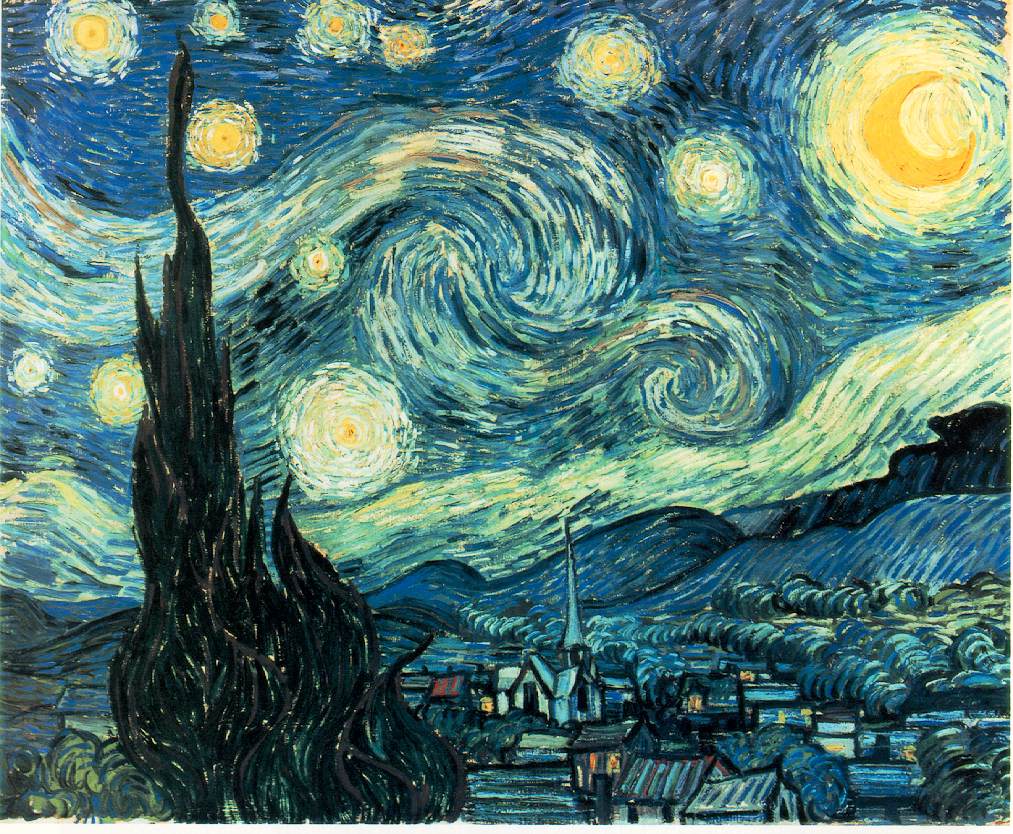
This is a type of prominence commonly called a "hedgerow prominence." Hot glowing plasma inside the structure is held aloft by unstable solar magnetic fields. NASA and Japanese space telescopes have taken high resolution images of of similar prominences and seen some amazing things such as (1) tadpole-shaped plumes that float up from the base of the prominence; (2) narrow streams of plasma that descend from the top like waterfalls; and (3) swirls and vortices that resemble van Gogh's Starry Night.
Got a solar telescope? Take a look!
Realtime Space Weather Photo Gallery
WHAT'S GOING ON IN THE STRATOSPHERE? Lately, Spaceweather.com and the students of Earth to Sky Calculus have been launching a lot of Space Weather Bouys. The missions aim to solve a minor mystery in the stratosphere. On March 17th, a CME hit Earth's magnetic field, sparking the strongest geomagnetic storm of the current solar cycle. Shortly after the CME hit, ground-based neutron monitors measured a drop in cosmic rays. Here is an example from the monitoring station in Oulu, Finland:

This drop is called a "Forbush Decrease." It happens because the CME sweeps aside cosmic rays that normally surround Earth, causing radiation levels to drop. The Earth to Sky space weather ballooning program has measured two previous Forbush Decreases, on Sept 13th and Dec 21st, 2014. On both occasions, radiation levels in the stratosphere dropped in sync with neutron counts on the ground.
This time, however, was different. Instead of dropping, radiation in the stratosphere ticked upward. At least that is what the Space Weather Buoys are telling us. This particular buoy was launched on March 17th during the peak of the geomagnetic storm:

So far, the student team has launched balloons with radiation sensors on March 13th, March 17th, March 21st, and March 24th; and more launches in the offing. By sampling the response of the stratosphere to the great storm--both the initial impact and the rebound--they hope to unravel the puzzle. After a few more flights, the team will share the full data set with the public.
This is crowd-funded research. Every one of Earth to Sky's flights is sponsored by a private individual or company. In exchange for a $500 donation, sponsors can have their logo or favorite family photo transported to the edge of space. Readers, if you would like to contribute to the research, please contact Dr. Tony Phillips for details.
Realtime Eclipse Photo Gallery