ANOTHER STREAM OF SOLAR WIND IS COMING: Geomagnetic activity is subsiding as Earth exits a solar wind stream that hit our planet's magnetic field on April 2nd. The quiet might not last long, however, because another stream of solar wind is coming. Estimated time of arrival: April 5th. NOAA forecasters say there is a a 55% chance of G1-class geomagnetic storms on Tuesday. Once again, Arctic sky watchers are favored for auroras. Aurora alerts: text or voice

GIANT SOLAR PROMINENCES: Solar activity takes many forms. Researchers often focus their attention on sunspots, counting dark cores that pepper the solar disk as a metric of the solar cycle. However, sunspots aren't the only manifestation of unrest. This week, sunspots are outnumbered by prominences. Alan Friedman photographed this specimen from his backyard observatory in Buffalo, New York:

"A short break in the clouds and spring snow showers allowed a peek at the sun today," says Friedman. "It was quite a view with two large prominences (and many smaller ones) at the edge of the disk." Friedman's full-disk image is a must-see.
Prominences are clouds of plasma held above the sun's surface by unstable magnetic fields. The one pictured above is called a "hedgerow prominence" because of its resemblance to the shrub-y border of a terrestrial road or yard. NASA and Japanese space telescopes have taken high resolution images of similar prominences and seen some amazing things such as (1) tadpole-shaped plumes that float up from the base of the prominence; (2) narrow streams of plasma that descend from the top like waterfalls; and (3) swirls and vortices that resemble van Gogh's Starry Night.
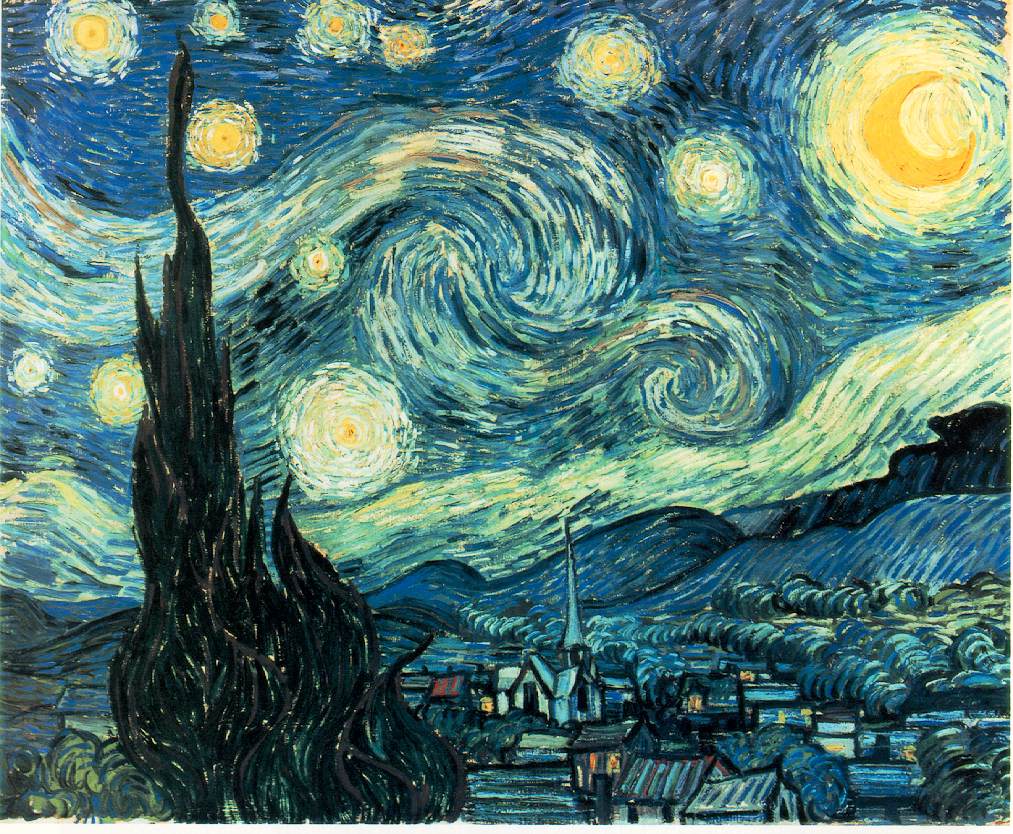
This is a good week to see these structures in action. If you have a solar telescope, take a look!
Realtime Space Weather Photo Gallery
TWILIGHT VS. NORTHERN LIGHTS: Soon, the season for auroras around the Arctic Circle will come to an end. The auroras aren't leaving. They're just losing a battle for visibility with the approaching Midnight Sun. On April 3rd, Frank Olsen photographed the competition over Norway's Andøya Island:

"Nothing beats the colors of the auroras when they appear side-by-side with the sunset," says Olsen. "Aurora season is definitely going out with a bang."
As April unfolds, the Midnight Sun will eventually overwhelm auroras around the Arctic Circle. For now, though, the competition seems evenly matched. More twilight shots are possible in the nights ahead--especially on April 5th when another solar wind stream is expected to hit Earth's magnetic field. Monitor the gallery for sightings:
SPHERICAL ASTRONOMY CAMERA: Astrophotographers are increasingly impressed by a new camera on the market. It's the Ricoh Theta S, and it can take spherical images and videos under a wide range of astronomical conditions. The students of Earth to Sky Calculus have used it to photograph the edge of space from a freezing helium balloon flying 117,000 feet above Earth, as well as a total eclipse of the sun from a balmy beach only a few feet above sea level in Indonesia. Last week in Europe, photographers Karoline Mrazek and Erwin Matys found a new use for the Ricoh Theta S. "It makes a great survey instrument for light pollution," they say. Click on the image for a 360-degree view:

"We did an exposure at Star Meadow, the endpoint of the Grossmugl Star Walk in Austria," they explain. "It shows that the environment is 'clouded' by light pollution as much as 20 degrees above the horizon. This will help us plan future observing sessions at this otherwise dark-sky site."
Mrazek and Matys are founding members of the astrophotography group project nightflight. They've been testing the Ricoh Theta S in many settings for night-sky photography. Their complete report on spherical astrophotography is highly recomended. Read it here.
Realtime Spaceweather Photo Gallery