PERSEID METEOR OUTBURST: The Perseid meteor shower peaks this week, and it could be twice a good as usual. Forecasters say the meteor rate could surge to 200+ meteors per hour on Aug. 11-12. Click here for the full story.
SPECTACULAR SOLAR PROMINENCE: An enormous filament of magnetism is snaking over the sun's eastern limb. "It's huge," says astronomer Jack Newton, who photographed the prominence from his private observatory in Osoyoos, British Columbia:

Alan Friedman saw the same structure from Buffalo, New York: photo. "It is at least as long as the distance from Earth to the Moon," he says.
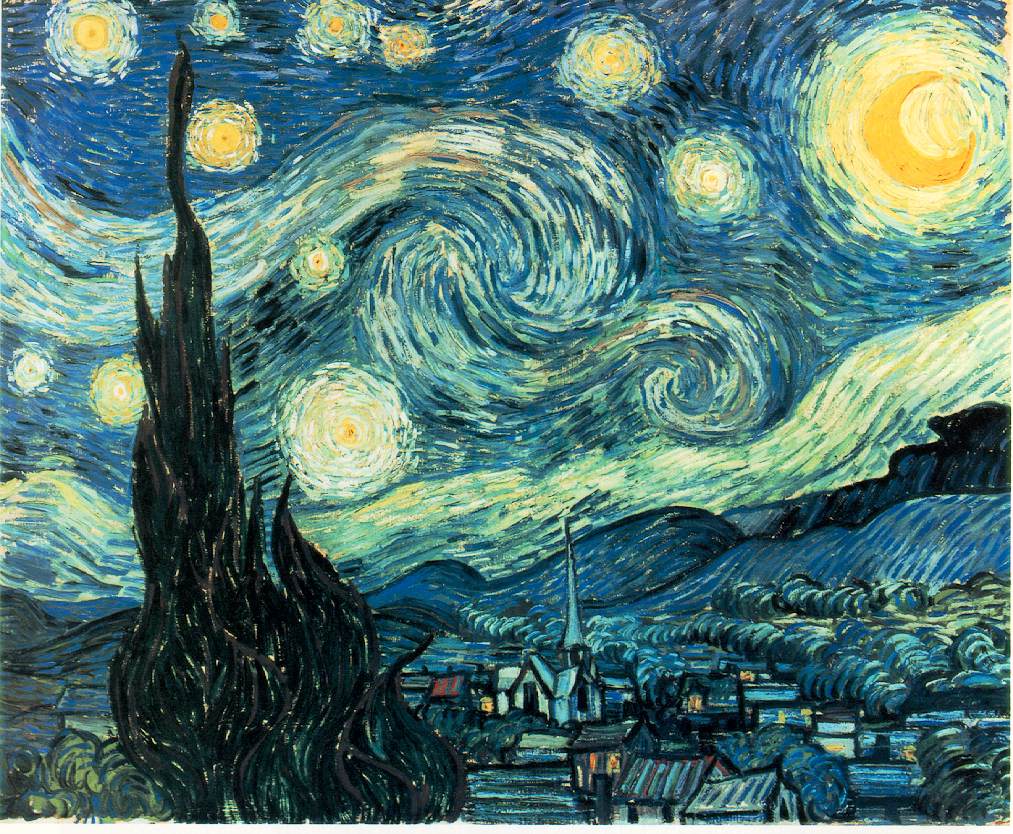
This is a type of prominence commonly called a "hedgerow prominence." Hot glowing plasma inside the structure is held aloft by unstable solar magnetic fields. NASA and Japanese space telescopes have taken high resolution images of of similar prominences and seen some amazing things such as (1) tadpole-shaped plumes that float up from the base of the prominence; (2) narrow streams of plasma that descend from the top like waterfalls; and (3) swirls and vortices that resemble van Gogh's Starry Night.
Got a solar telescope? Take a look!
Realtime Space Weather Photo Gallery
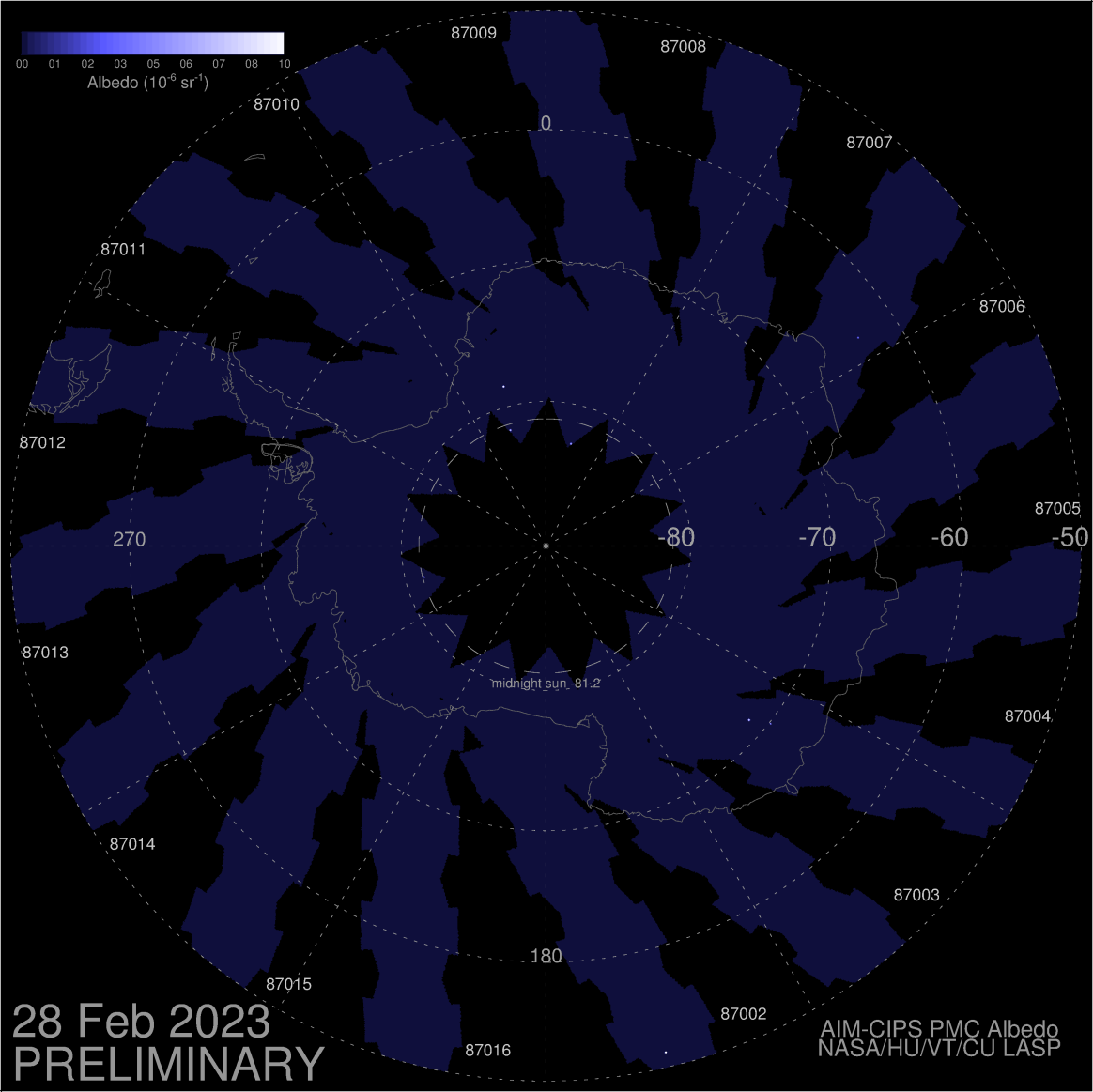
NOCTILUCENT CLOUDS, WANING YET STILL IMPRESSIVE: August is the month when noctilucent clouds (NLCs) typically begin to wane. Indeed, images from NASA's AIM spacecraft show the electric-blue oval around the north pole is beginning to recede. Nevertheless, high-latitude sky watchers are still seeing some impressive displays. Ruslan Merzlyakov sends this picture from Road E4, near Umeå, Sweden:

"After 12 hours of driving back home from Nordkapp, I saw the most beautiful noctilucent clouds on August 7th," says Merzlyakov. "This was absolutely spectacular!"
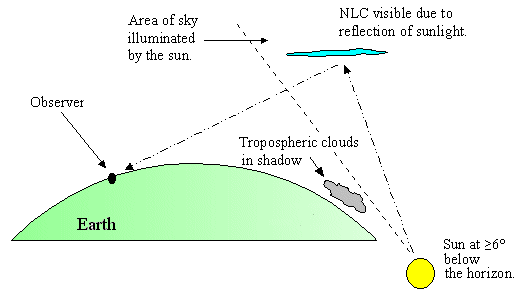
If noctilucent clouds look alien, that's because they are--in part. A key ingredient is meteoroids from deep space. These clouds form when wisps of summertime water vapor rise up to the mesosphere and wrap themselves around specks of meteor smoke. The resulting ice crystals glow electric-blue when they are hit by the rays of the high-altitude sun: diagram.
This summer season of NLCs is almost over. Browse the photo gallery for last-chance sightings.
Realtime Noctilucent Cloud Photo Gallery
CAPT. KIRK AT THE EDGE OF SPACE: Where Spock goes, Kirk must follow. To celebrate the 50th Anniversary of Star Trek and to support their crowdfunded research program, the students of Earth to Sky Calculus launched the captain of the Enterprise to the stratosphere on July 27, 2016. Note the moon over Kirk's shoulder in this photo taken 36 km (118,100 ft) above Earth's surface:

You can buy this collector's item for only $129.95 in the in the Earth to Sky Store.
Proceeds from the sale support space weather research. Bobblehead Kirk hitchhiked on a helium balloon payload that carried an array of X-ray/gamma-ray sensors. By launching these sensors 3 or 4 times a month, the students have shown that cosmic rays are intensifying--a trend that affects mountain climbers, air travelers, high-altitude drones, and astronauts on the International Space Station.
MINOR STORM WARNING: NOAA forecasters estimate a 55% chance of minor G1-class geomagnetic storms on Aug. 8th when a high-speed stream of solar wind is expected to contact Earth's magnetic field. High-latitude sky watchers should be alert for auroras. Aurora alerts: text or voice

Realtime Perseid Photo Gallery