ORIONID METEOR SHOWER: Earth is entering a stream of debris from Halley's Comet, source of the annual Orionid meteor shower. Just last night, NASA's network of all-sky meteor cameras detected 23 Orionid fireballs over the USA--a result of comet dust hitting the atmosphere at speeds exceeding 65 km/s (145,000 mph). Forecasters expect the shower to peak on Oct. 21-22 with as many as 25 meteors per hour. The best time to look is during the dark hours before dawn when the constellation Orion is high in the sky. [sky map] [live meteor counts]

LAST NIGHT, NORWAY BECAME GREEN-LAND: An uptick in the solar wind speed on Oct. 19th was just enough to unsettle our planet's magnetic field, igniting bright auroras around the Arctic Circle. In Tromsø, Norway, the whole world turned green:

"There were auroras in the sky, auroras on the water, auroras everywhere!" says photographer Markus Varik "The lights came out as soon it got dark and lasted the whole night, giving us plenty of time to take some cool photos."
"Supposedly we're heading to Solar Minimum," adds Varik, "but to be honest, as a seasoned Northern Lights guide I have never seen such a strong beginning to the season."
It could get even stronger in the nights ahead. NOAA forecasters say there is a 45% chance of polar geomagnetic storms on Oct. 21-22 when a new solar wind stream arrives. The nearly-New Moon will provide a backdrop of velvety-dark skies for auroras. Free: Aurora Alerts.
SOLAR PROMINENCE: An enormous wall of plasma is towering over the northeastern limb of the sun today. Alan Friedman photographed the structure on Oct. 19th from his backyard observatory in Buffalo, New York. "The field of view here is 328,000 miles wide," says Friedman, who inserted a picture of Earth for scale:

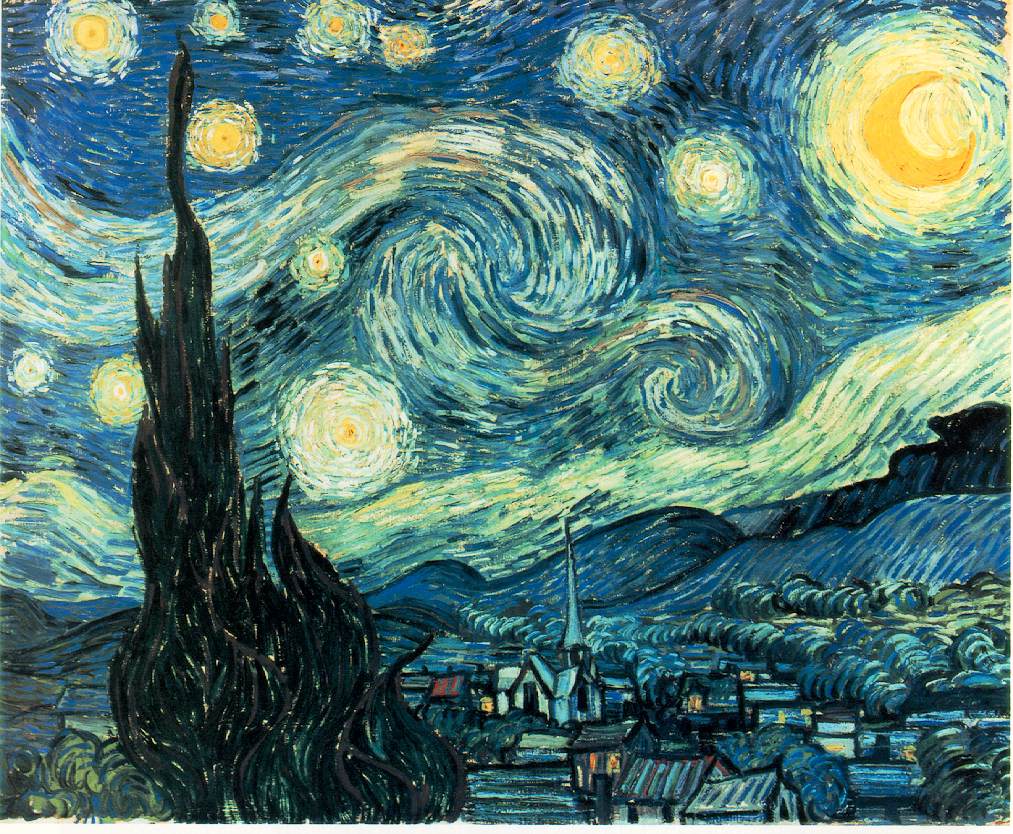
Astronomers call this a "hedgerow prominence." Hot glowing plasma inside the structure is held aloft by unstable solar magnetic fields. NASA and Japanese space telescopes have taken high resolution images of similar prominences and seen some amazing things such as (1) tadpole-shaped plumes that float up from the base of the prominence; (2) streams of plasma that descend from the top like waterfalls; and (3) swirls and vortices that resemble van Gogh's Starry Night.
Got a solar telescope? Take a look!
Realtime Space Weather Photo Gallery
STERLING SILVER SPACE PUMPKIN: This pendant has touched space. On Oct. 15, 2017, the students of Earth to Sky Calculus launched a space weather balloon from the Sierra Nevada mountains of central California. Its mission: to measure cosmic rays at the top of Earth's atmosphere. The payload carried an array of X-ray/gamma-ray detectors, GPS trackers, temperature/pressure sensors and, for fundraising, a bunch of pumpkin pendants:

This sterling silver pendant is plated with white and yellow gold and features a glow-in-the-dark pumpkin bead. It ascended to an altitude of 32 km (105,000 feet) where the balloon exploded. The payload parachuted back to Earth, landing in the Eureka Valley on the outskirts of Death Valley National Park.
You can have one for $139.95. Each necklace comes with a unique gift card showing the pendantl floating at the top of Earth's atmosphere. The interior of the card tells the story of the flight and confirms that this gift has been to the edge of space and back again.
Far Out Gifts: Earth to Sky Store
All proceeds support hands-on STEM education