NOCTILUCENT CLOUDS INVADE THE USA--AGAIN: Earth's mesosphere is still unusually wet. The proof was in the skies of the USA on June 24th when noctilucent clouds appeared at record-low latitudes for the second time this month. Electric-blue waves rippled over Las Vegas, NV; Joshua Tree and Pollock Pines, CA; Salt Lake City, UT; and Albuquerque NM. The American display followed an equally extreme outburst over Europe on the night of the summer solstice. Noctilucent clouds aren't restricted to the Arctic anymore; everyone everywhere should be alert for the next display. Browse: Photo Gallery
SMALL ASTEROID EXPLODES NEAR PUERTO RICO--UPDATED: On June 22nd at 21:25 UT, a small asteroid entered Earth's atmosphere and exploded in broad daylight south of Puerto Rico. Airwaves recorded by the Comprehensive Nuclear Test Ban Treaty Organization's infrasound station in Bermuda pegged the blast energy between 3 and 5 kilotons of TNT--a fraction of a WW II atomic bomb. The explosion was clearly visible in images from NOAA's GOES-16 weather satellite:

This movie combines data from GOES-16's Global Lightning Mapper and water vapor infrared spectrometer
Meteor expert Peter Brown of the University of Western Ontario says the infrasound signal is consistent with a "small multi-meter sized near-Earth asteroid." According to data compiled by NASA's Center for Near Earth Object Studies, asteroids of this size and energy hit Earth's atmosphere about once a year. That means it's rare--but not exceptionally so.
The asteroid fragmented as it ripped through the atmosphere. This infrared image from the GOES-16 satellite shows the space rock splitting into at least 3 pieces:

Many more fragments undoubtedly sprayed from the explosion, but the resulting meteorites are now at the bottom of the Caribbean or (in the case of dust-sized debris) floating on the sea surface. Samples would be very difficult to recover.
Earth is currently approaching the Taurid Swarm--a stream of rocky debris associated with the Tunguska Impact of 1908. Astronomers are eager for the close encounter, which begins in late June, so they can peer inside the swarm in search of dangerous asteroids. This fireball, however, is not a Taurid.
"Based on a preliminary orbit for the fireball, it does not appear to be part of the Taurid swarm," says Paul Weigert of the University of Western Ontario. "Its orbit is typical of near-Earth asteroids which have escaped from the asteroid belt."
UPDATE: This asteroid may have been discovered shortly before it struck by an Atlas Project Survey telescope: more.
A sharable version of this story is available here.
Realtime Space Weather Photo Gallery
Free: Spaceweather.com Newsletter
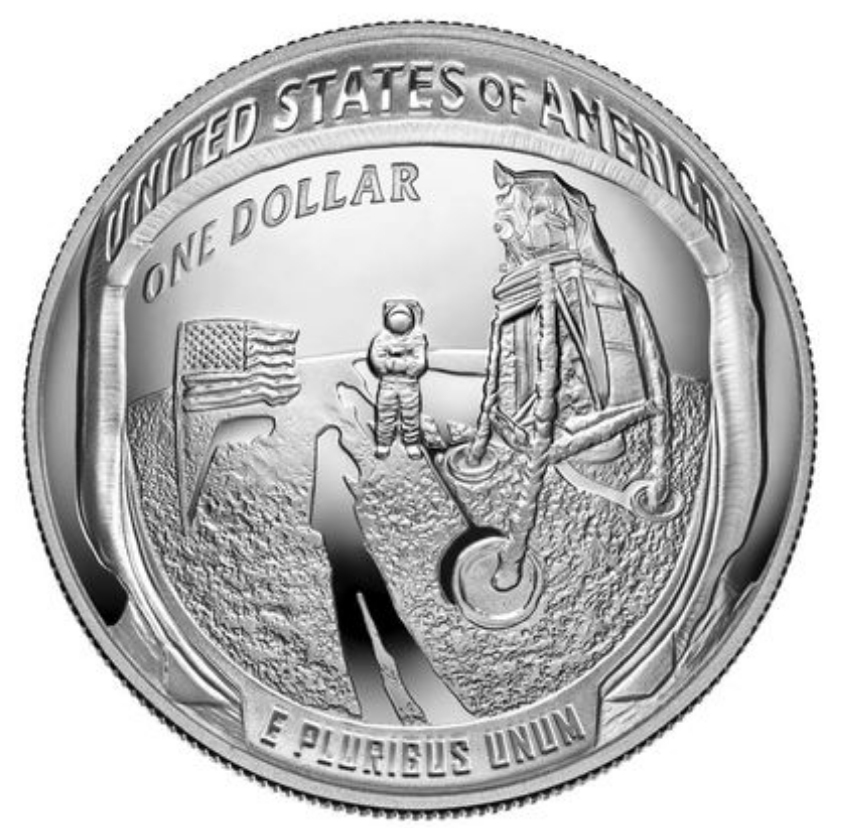
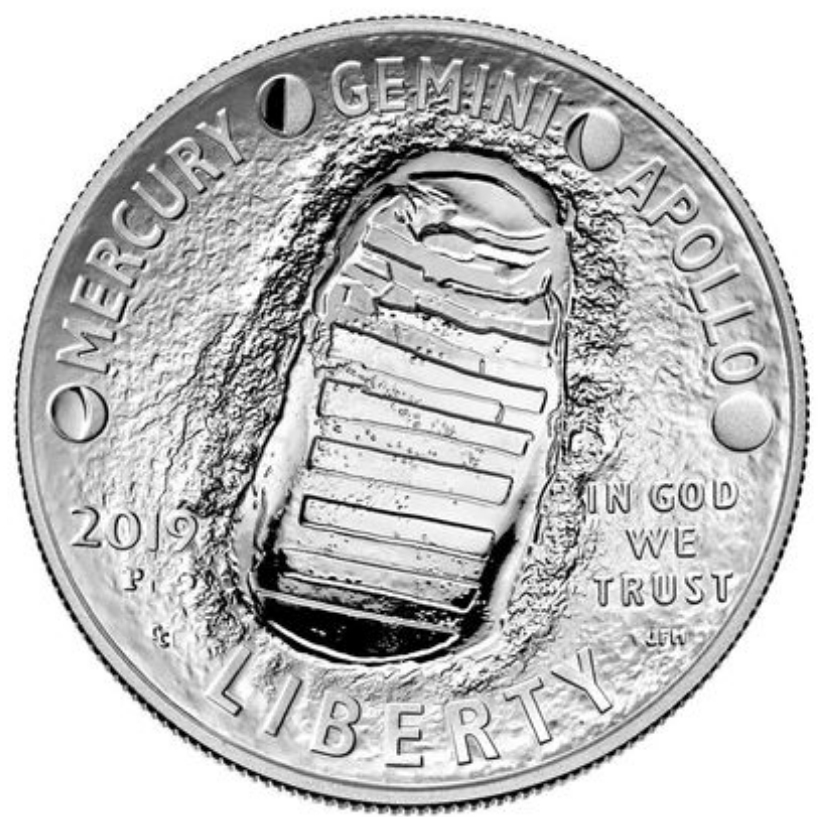
APOLLO 11 PROOF SILVER DOLLAR: To celebrate the 50th anniversary of the Apollo 11 Moon landing, the United States Mint has created a commemorative 2019 Proof Silver Dollar. We decided to celebrate even more by flying the coins to the edge of space. On June 23rd, the students of Earth to Sky Calculus launched this 99.9% silver dollar 102,034 feet above Earth's surface:

You can have it for $197.95. The students are selling the coins to support their cosmic ray ballooning program. The silver dollar is curved and reproduces the helmet of astronaut Buzz Aldrin. Reflected in Buzz's visor are Neil Armstrong, the United States flag, and the lunar lander. The opposite side of the coin shows Neil's iconic footprint on the Moon. Each of these coins comes with a greeting card showing the item in flight and a certificate of authenticity.
Far Out Gifts: Earth to Sky Store
All sales support hands-on STEM education
Realtime Aurora Photo Gallery
Free: Spaceweather.com Newsletter
Realtime Noctilucent Cloud Photo Gallery
Free: Spaceweather.com Newsletter