SLIGHT CHANCE OF STORMS: A stream of solar wind is expected to reach Earth on July 9th, bringing with it a slight chance of G1-class geomagnetic storms. High-latitude sky watchers should be alert for auroras, especially in the southern hemisphere where winter darkness favors visibility. Aurora alerts: SMS Text.

ANOTHER SUNSPOT FROM THE NEXT SOLAR CYCLE: The next solar cycle is producing sunspots, and the pace is picking up. For the second time this month, a sunspot from Solar Cycle 25 has emerged in the sun's southern hemisphere. The growing spot is inset in this magnetic map of the sun's surface made by NASA's Solar Dynamics Observatory on July 7th:

Southern sunspots from old Solar Cycle 24 have a -/+ polarity. This sunspot is the opposite: +/-. According to Hale's Law, sunspots switch polarities from one solar cycle to the next. This sunspot is therefore a herald of Solar Cycle 25.
Other factors also mark this as a new-cycle sunspot. For one thing, it has the high latitude (27S) typical of sunspots in the early stages of an emerging solar cycle. For another, the sunspot is tilted. According to Joy's Law, high-latitude, new-cycle spot groups almost always have this property.
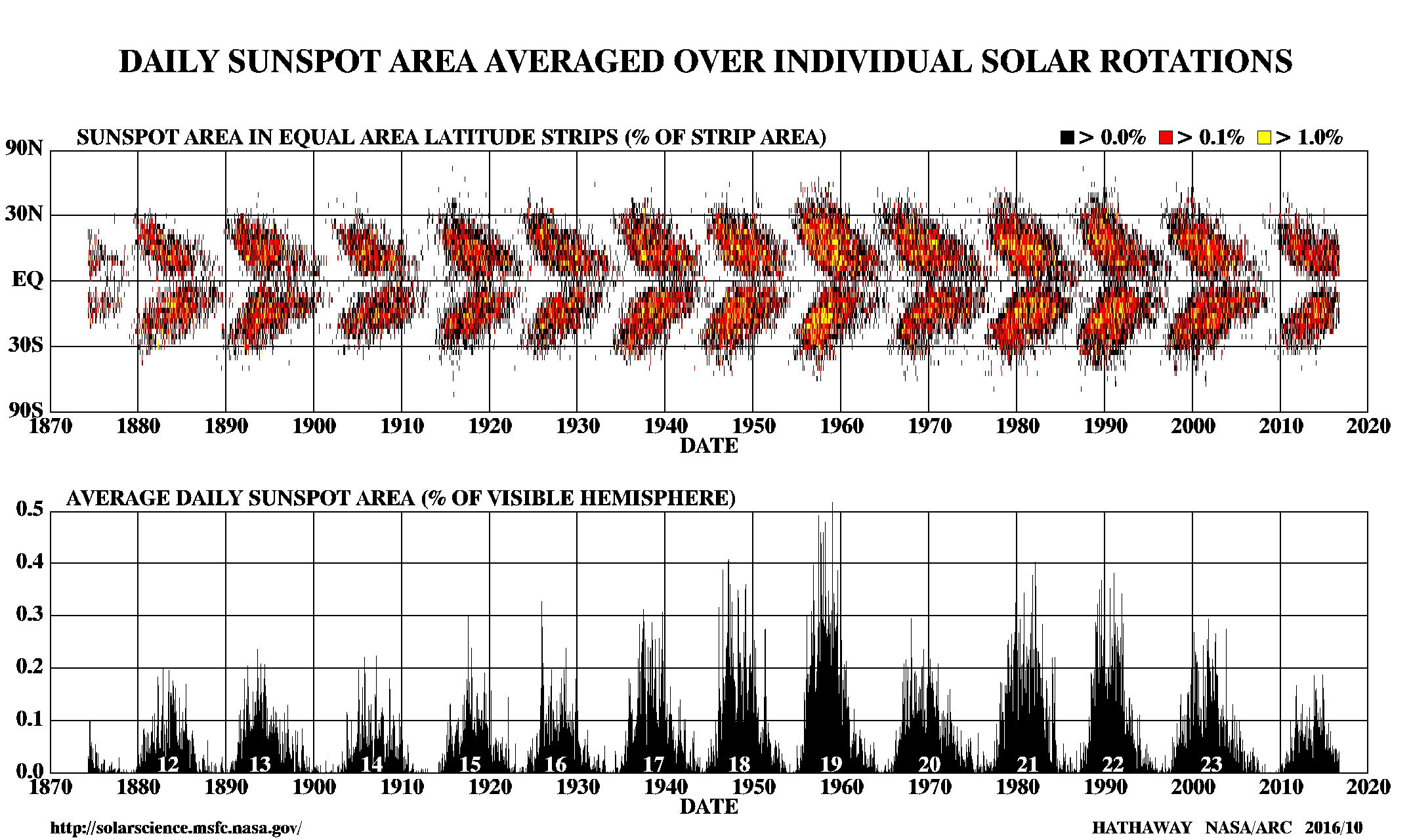
Solar cycles always mix together at their boundaries. Right now we are experiencing the tail end of decaying Solar Cycle 24. Today's sunspot suggests that we are also experiencing the first stirrings of Solar Cycle 25.
Shortlived sunspots belonging to Solar Cycle 25 have already been reported on Dec. 20, 2016; April 8, 2018; Nov. 17, 2018; May 28 2019 and July 1, 2019. Now we can add July 7, 2019, to list. The quickening pace of new-cycle spots in 2019 confirms that the transition between Solar Cycle 24 and Solar Cycle 25 is underway.
Realtime Space Weather Photo Gallery
Free: Spaceweather.com Newsletter
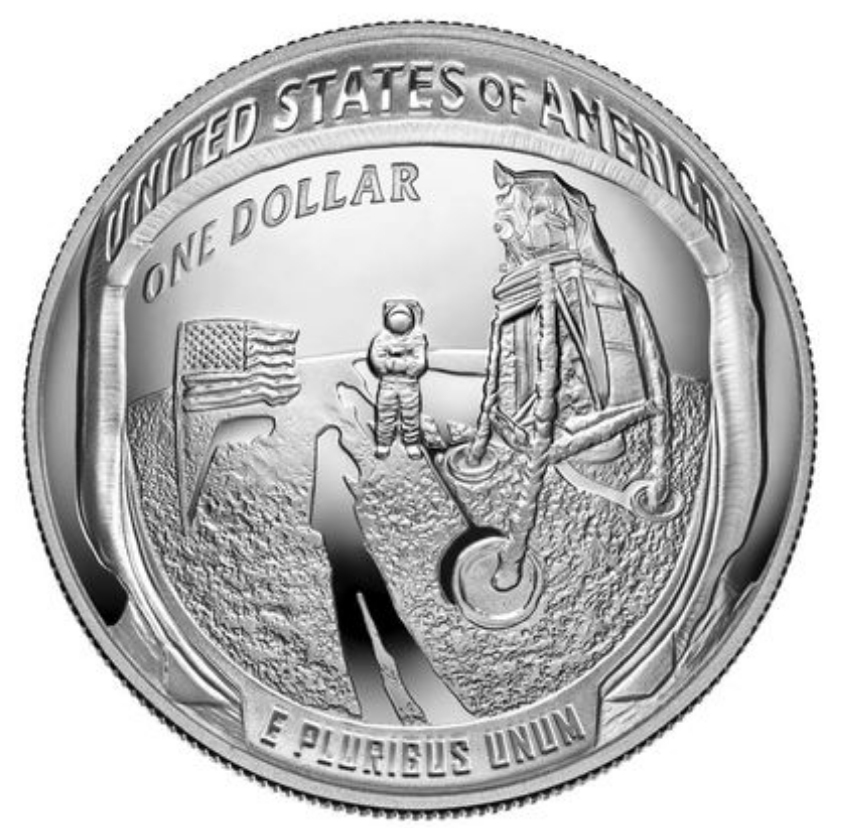
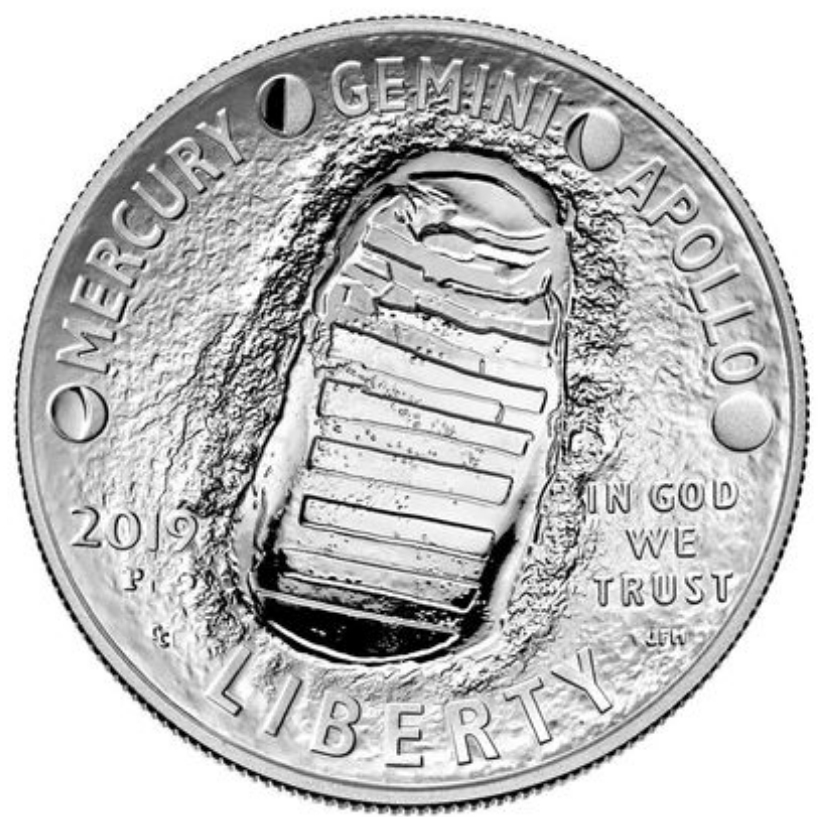
APOLLO 11 PROOF SILVER DOLLAR To celebrate the 50th anniversary of the Apollo 11 Moon landing, the United States Mint has created a commemorative 2019 Proof Silver Dollar. We decided to celebrate even more by flying the coins to the edge of space. On June 23rd, the students of Earth to Sky Calculus launched this 99.9% silver dollar 102,034 feet above Earth's surface:

You can have it for $197.95. The students are selling the coins to support their cosmic ray ballooning program. The silver dollar is curved and reproduces the helmet of astronaut Buzz Aldrin. Reflected in Buzz's visor are Neil Armstrong, the United States flag, and the lunar lander. The opposite side of the coin shows Neil's iconic footprint on the Moon. Each of these coins comes with a greeting card showing the item in flight and a certificate of authenticity.
Far Out Gifts: Earth to Sky Store
All sales support hands-on STEM education
Realtime Aurora Photo Gallery
Free: Spaceweather.com Newsletter
Realtime Noctilucent Cloud Photo Gallery
Free: Spaceweather.com Newsletter