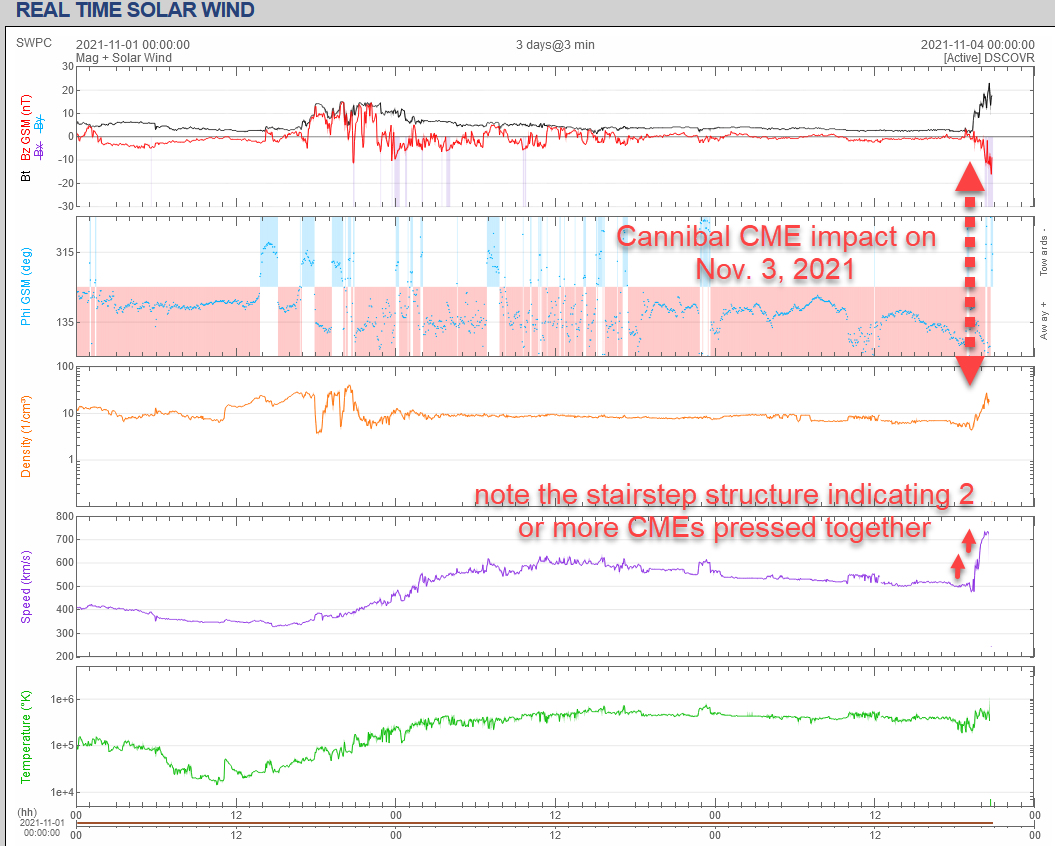
CME IMPACT SPARKS GEOMAGNETIC STORM: A cannibal CME, described below, hit Earth's magnetic field on Nov. 3rd at approximately 20:00 UT. Solar wind data from the DSCOVR spacecraft show a stairstep structure indicative of two or more CMEs pressed together. A moderately strong G2-class geomagnetic storm is underway now, and the storm could escalate to category G3 in the hours ahead. Aurora alerts: SMS Text.


CME BALLOON LAUNCH: Within minutes of the CME's arrival, the students of Earth to Sky Calculus and Spaceweather.com launched a cosmic ray balloon to the stratosphere. Ten years of practice helps get a balloon in the air quickly:
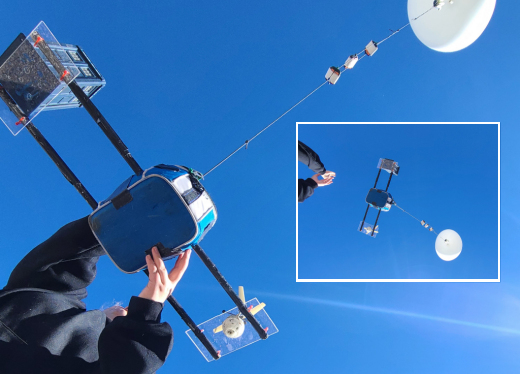
We will launch a follow-up balloon after the geomagnetic storm subsides--all part of our decade-long monitoring program to see how solar activity affects atmospheric radiation. And, yes, that *is* a Tardis hitching a ride on the payload. If it survives the storm, it will be sold in the Earth to Sky Store.
Note: The following news item describes the CME before it arrived from the perspective of forecasters anticipating the storm.
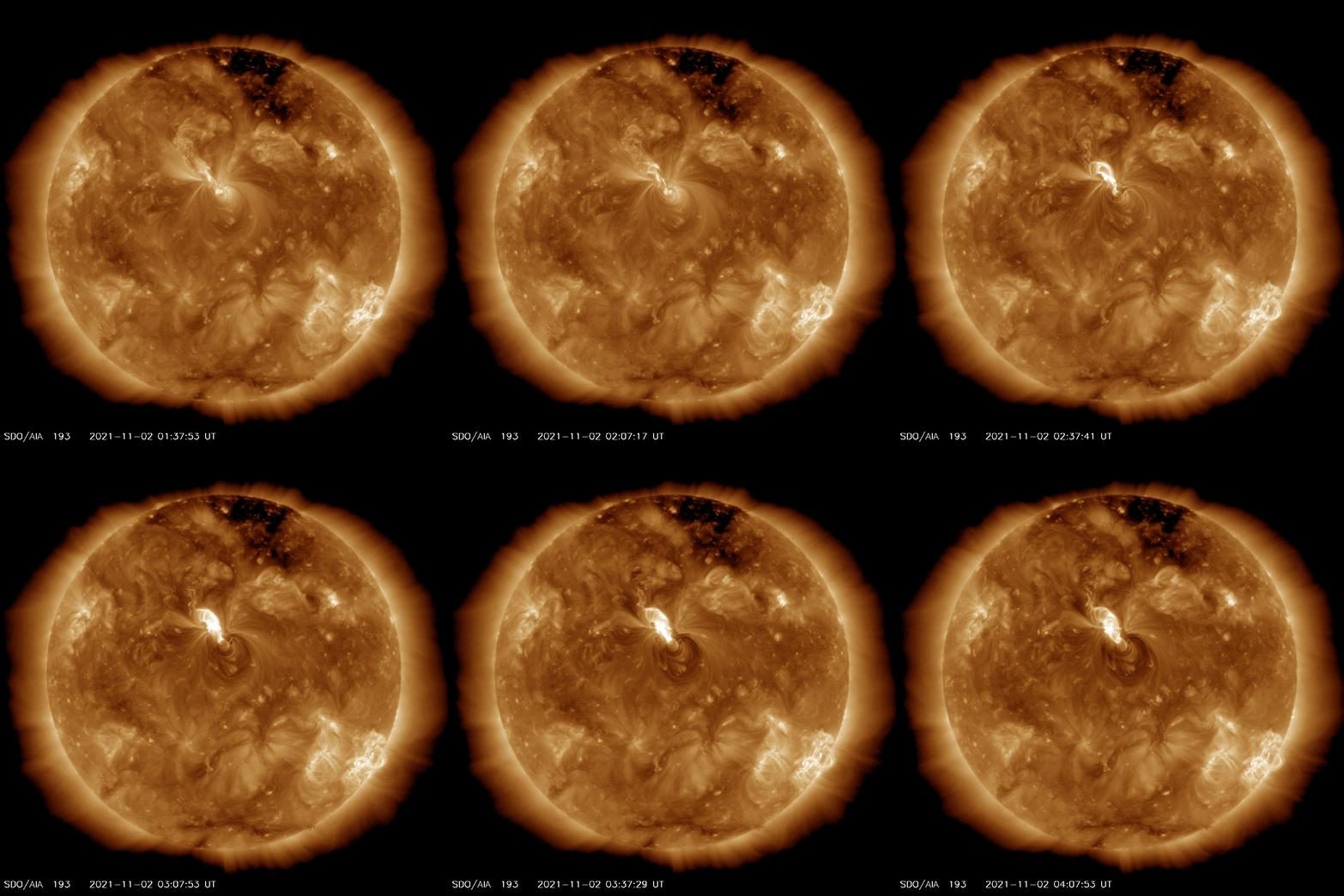
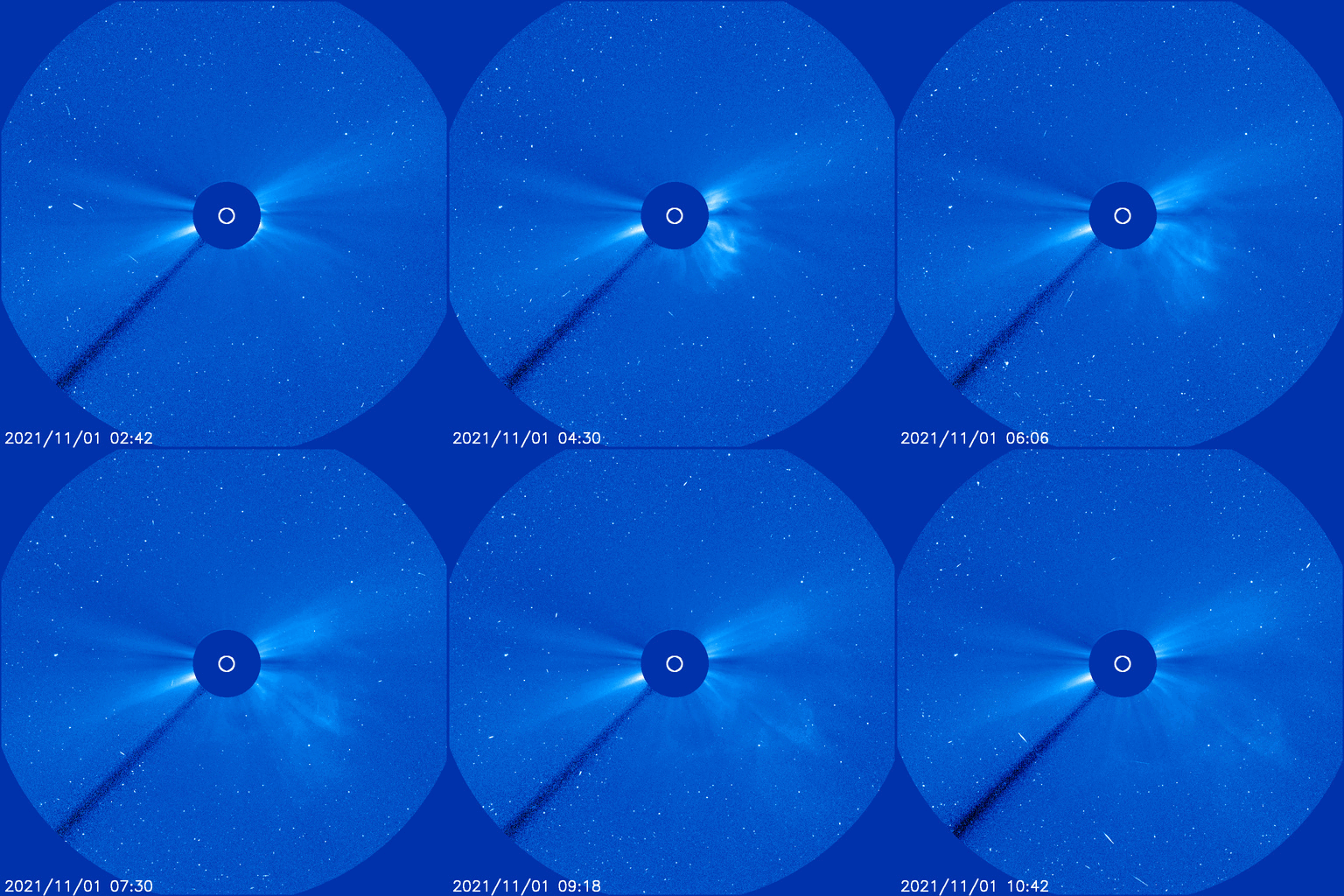
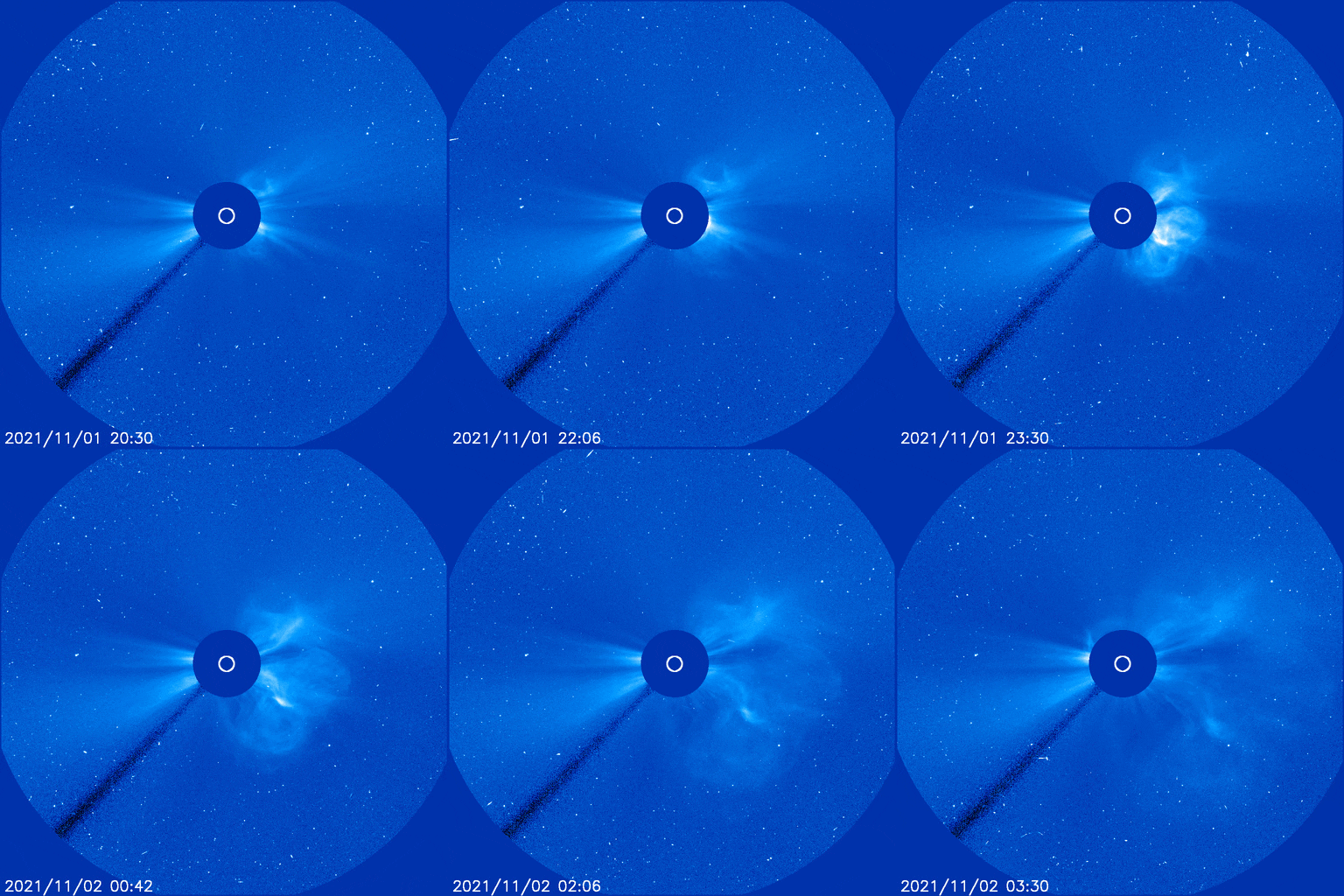
HERE COMES A CANNIBAL CME: The CME heading for Earth is a cannibal. SOHO coronagraphs caught the storm cloud leaving the sun on Nov. 2nd following a slow-motion solar flare (M1.7) in the magnetic canopy of sunspot AR2891:

This CME is a cannibal because it ate one of its own kind. Cannibal CMEs are fast coronal mass ejections that sweep up slower CMEs in front of them. The mish-mash contains tangled magnetic fields and compressed plasmas that can do a good job sparking geomagnetic storms.
The slower CMEs, in this case, were hurled into space on Nov. 1st and 2nd by departing sunspot AR2887. The cannibal caught up with them almost immediately after leaving the sun. This NOAA computer model shows what happened:
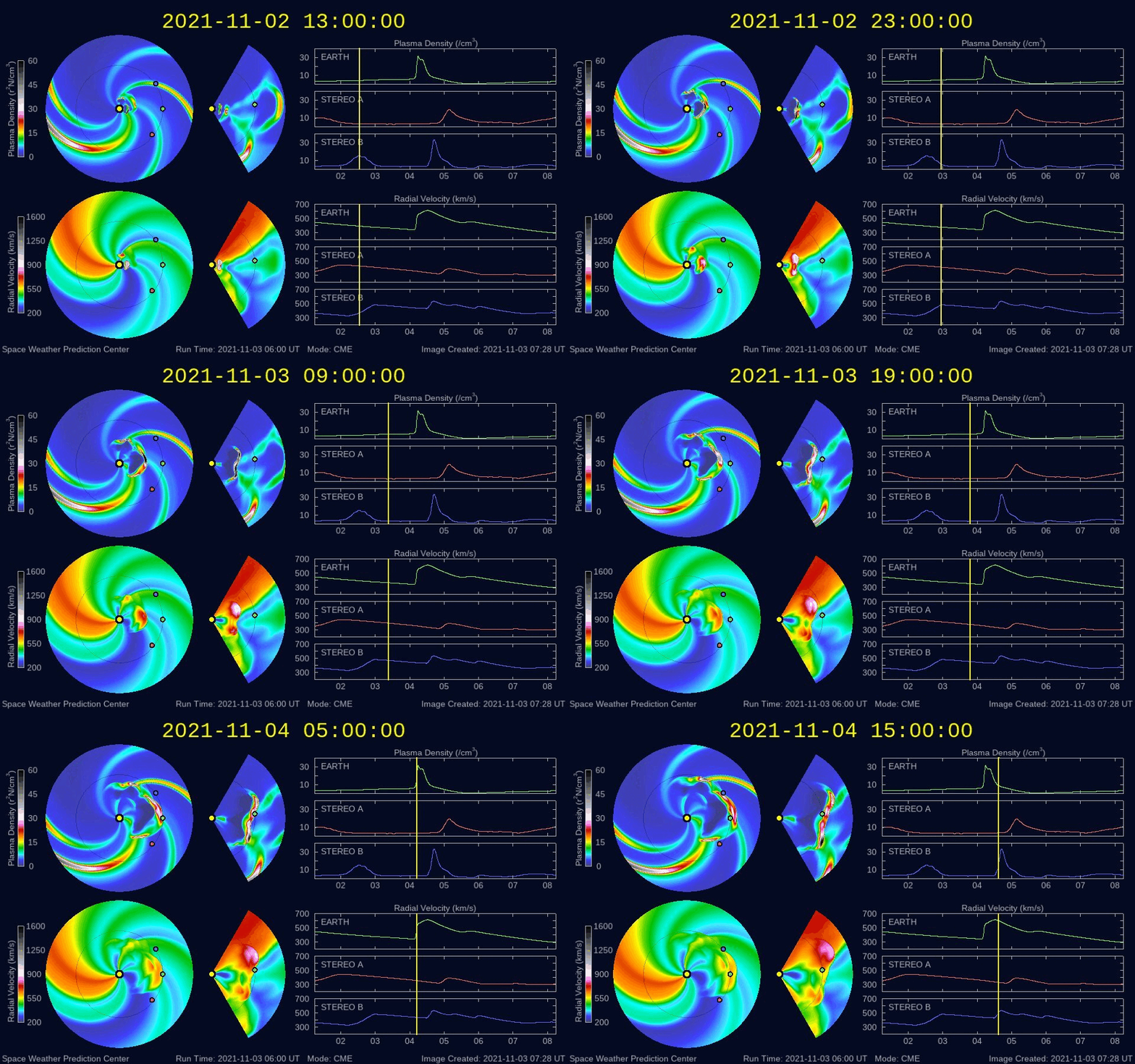
The cannibal cloud swept up one whole CME and a portion of another. If NOAA's model is correct, the combined CME will make first contact with our planet around 0600 UT on Nov. 4th. The model also predicts a +250 km/s increase in solar wind speed and a 6-fold jump in solar wind density in the CME's wake. These conditions, if they materialize, would set the stage for geomagnetic storms as strong as category G2.
Subscribers to our Space Weather Alert Service will receive a text message when the CME arrives.
Realtime Space Weather Photo Gallery
Free: Spaceweather.com Newsletter
STERLING SILVER OPAL PENDANT: It's our most beautiful space pendant ever: The Sterling Silver Opal. The students of Earth to Sky Calculus just launched one to the stratosphere onboard a cosmic ray research balloon. Here it is floating 103,018 ft above Earth's surface on Sept. 5th:
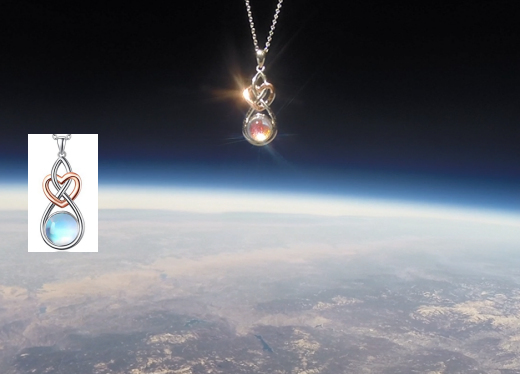
You can have it for $179.95. Wrapped in a sterling silver Celtic love knot, the opal is suspended from a matching 18-inch chain. Each pendant comes with a greeting card showing the opal in flight, telling the story of its trip to the edge of space and back again.
Opals are cousins of moonstones; in fact they look the same in low light. But when bright sunlight strikes an opal, something special happens. A spray of color emerges from the stone. This happened while the stone was in the stratosphere (see above) and it remains capable of this beautiful trick back on Earth.
Far Out Gifts: Earth to Sky Store
All sales support hands-on STEM education
Realtime Aurora Photo Gallery
Free: Spaceweather.com Newsletter