THE GEMINID METEOR SHOWER IS BEGINNING: Earth is entering a stream of debris from rock comet 3200 Phaethon, source of the annual Geminid meteor shower. Last night NASA cameras recorded 24 Geminid fireballs over the USA. Forecasters expect the shower to peak on Dec. 13-14 with as many as 100 meteors/hour visible from dark sky sites. Observing tips.
A CLOSE ENCOUNTER WITH COMET LEONARD: Today, Dec. 12th, Comet Leonard (C/2021 A1) is making its closest approach to Earth only 35 million km away. Unfortunately for casual sky watchers, the brightening fuzzball is diving into morning twilight. That's where Jan Hattenbach found it yesterday in the Canary Islands:
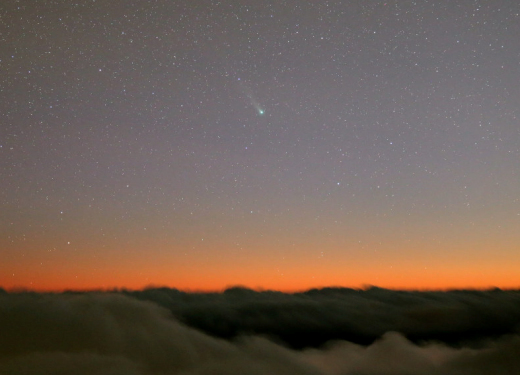
"I was standing 2100m above sea level on the island of La Palma, looking due east at 06:10 UTC, when Comet Leonard appeared over the cloud-covered Atlantic ocean," says Hattenbach. "It was an easy target in my 10x50 binoculars, but I had a hard time spotting it naked eye. So I'm keeping my fingers crossed it will brighten some more after its close approach with Earth when it will switch to the evening sky!"
Indeed, the best may be yet to come. Next week, on Dec. 18th, Comet Leonard will fly by Venus at a distance of 4.2 million km. That's the closest Venus-comet flyby in recorded history. Astronomers may be able to watch the encounter in the evening twilight sky if Leonard is bright enough. Then, on Dec. 19th, the comet's dust tail will graze Venus, possibly producing a meteor shower visible from Earth.
Realtime Comet Leonard Photo Gallery
Free: Spaceweather.com Newsletter
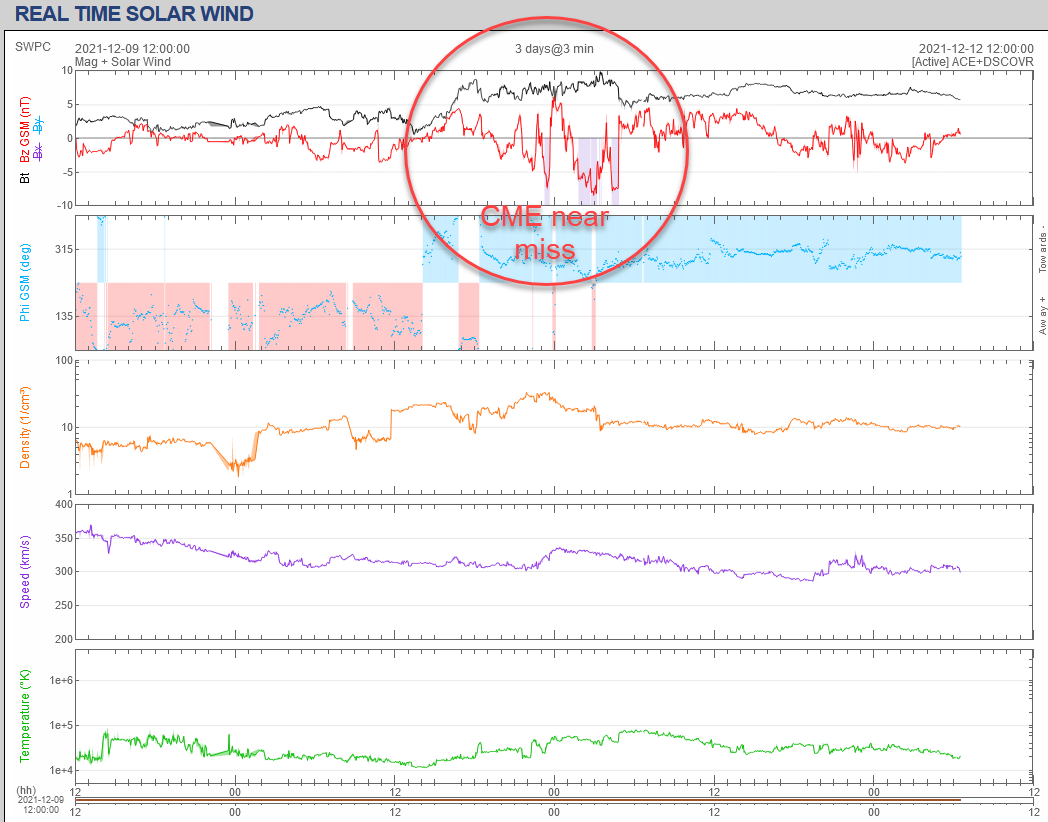
RIPPLES FROM A CME: On Dec. 10th, a coronal mass ejection (CME) passed by Earth. It missed, but our planet felt it anyway. Rob Stammes recorded the near miss from his space weather observatory in Lofoten Norway:
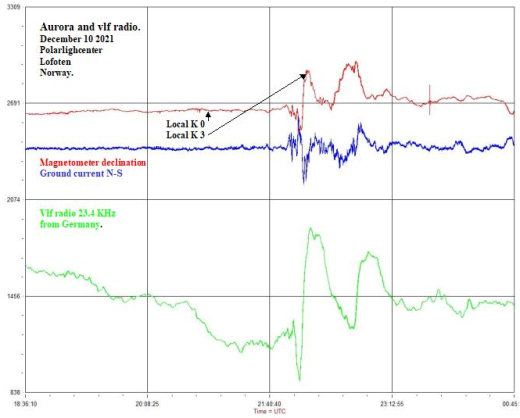
"My instruments recorded a magnetic disturbance and ground currents during the late hours of Dec. 10th," says Stammes. "At the same time, electric currents in our ionosphere affected the propagation of radio waves from a VLF (very low frequency) station in Germany."
CMEs don't have to strike Earth to make themselves felt. The storm clouds produce magnetized ripples in the solar wind that can reach our planet even when the CME itself misses. These ripples are clear to see Stammes's chart recording. Bonus: Auroras were seen, too.
Realtime Aurora Photo Gallery
Free: Spaceweather.com Newsletter
GIFTS FROM THE EDGE OF SPACE: Christmas is coming. Are you looking for a far-out gift? Check out the Earth to Sky Store. It's filled with unique items that have flown to the edge of space onboard cosmic ray research balloons.
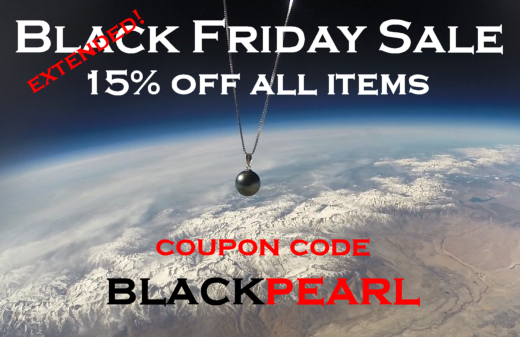
These unique gifts have flown above 99.7% of Earth's atmosphere, experiencing space-like blasts of cosmic rays, extreme cold, and a wild ride parachuting back to Earth after the balloon explodes. Even Amazon doesn't carry items this far out.
Don't forget to enter coupon code "BLACKPEARL" at checkout for a 15% Extended Black Friday discount.
Far Out Gifts: Earth to Sky Store
All sales support hands-on STEM education
Realtime Space Weather Photo Gallery
Free: Spaceweather.com Newsletter