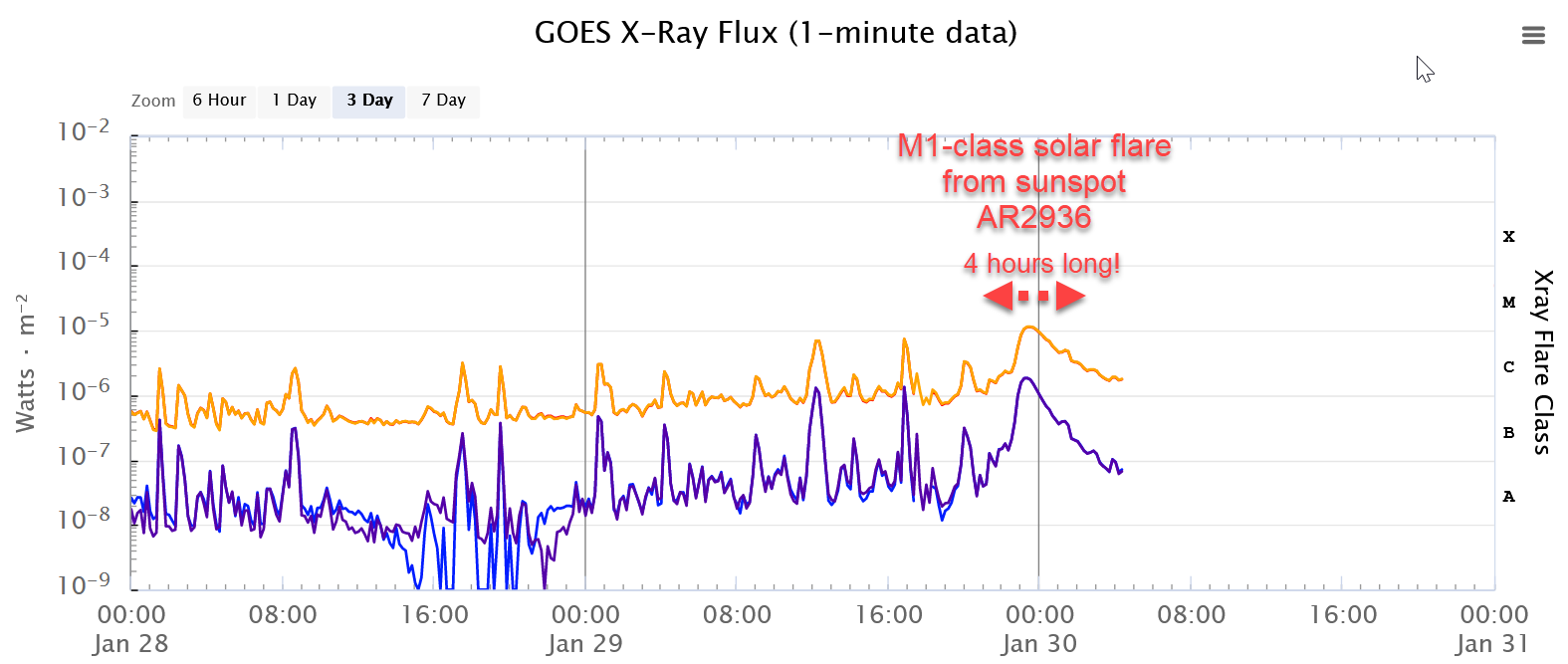
EARTH-DIRECTED SOLAR FLARE AND CME: A coronal mass ejection CME is heading for Earth. It was hurled into space during the early hours of Jan. 30th by big sunspot AR2936. The underlying explosion was a long duration M1-class solar flare, which produced an asymmetric halo CME. Watch the movie. The CME will probably arrive on Feb. 1-2. Stay tuned for a more refined forecast. Aurora alerts: SMS Text.

BIG SUNSPOT ALERT: New sunspot AR2936 has rapidly grown into one of the largest active regions of young Solar Cycle 25, quadrupling in size in only 48 hours. This 2-day movie from NASA's Solar Dynamics Observatory shows the sunspot's rapid development:

As the sunspot turns toward Earth, the chance of an Earth-directed flare is increasing. NOAA forecasters say there is a 20% chance of M-class flares today and a 5% chance of powerful X-flares--odds that could increase further as the weekend unfolds.
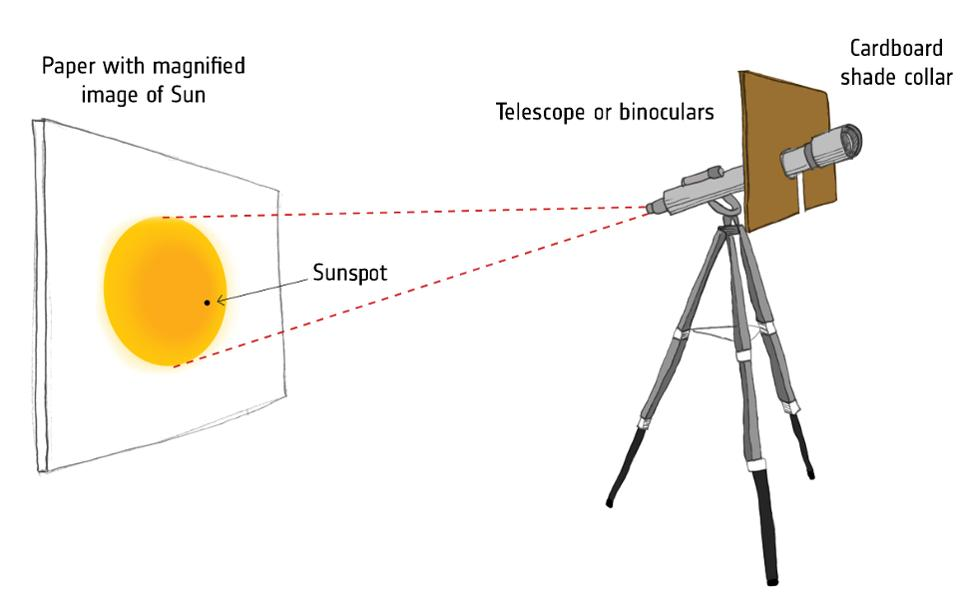
The scale of this sunspot makes it an easy target for backyard solar telescopes. AR2936 has multiple dark cores larger than Earth, and the entire group stretches more than 100,000 km across the surface of the sun. This is an ideal sunspot for projection techniques.
Yesterday in Cannes, France, amateur astronomer Francois Rouviere caught the sunspot in mid-flare:
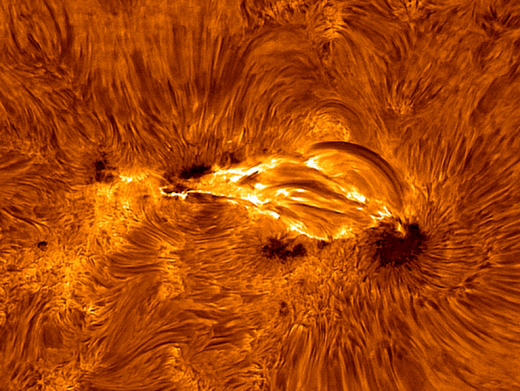
"To take the picture I used an AiryLab Celestron 8 solar telescope with a DayStar Ion 0.3A H-alpha filter," says Rouviere. "There was a lot of activity surging up and down the sunspot's magnetic field lines."
The sunspot is currently producing a C-class flare every 4 or 5 hours. Amateur astronomers who point safely-filtered optics at this active region have a good chance of catching one, just like Rouviere did. Solar flare alerts: SMS Text.
Realtime Space Weather Photo Gallery
Free: Spaceweather.com Newsletter
THE CRESCENT VENUS PENDANT: Valentine's Day is coming. Nothing says "I love you" like a Venus Pendant from the edge of space. This one flew to the stratosphere onboard a cosmic ray research balloon on Jan. 8, 2022:
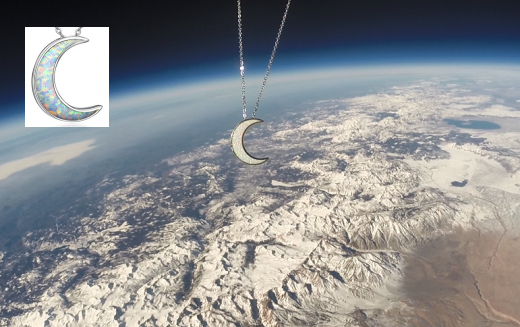
You can have it for $142.95. The opal crescent is framed by sterling silver with a matching hypoallergenic chain. It comes with a greeting card showing the pendant in flight and telling the story of its journey to the stratosphere.
Why is it a crescent? Because Venus itself was a crescent on the date of the flight. On Jan. 8, 2022, the second planet was at inferior conjunction with the sun. From Earth it looked like a slender crescent--the most beautiful phase of the Goddess of Love
Far Out Gifts: Earth to Sky Store
All sales support hands-on STEM education
Realtime Aurora Photo Gallery
Free: Spaceweather.com Newsletter