GEOMAGNETIC STORM WATCH (G1-CLASS): A minor geomagnetic storm is possible this week in response to a pair of approaching CMEs. The first CME, launched by an M4-class flare from departing sunspot AR2975, could graze Earth's magnetic field on April 6th. The second CME, flung away from the sun by an exploding filament of magnetism (described below), might deliver a glancing blow on April 7th. Their combined effect could produce G1-class storming. Aurora alerts: SMS Text



A 'CANYON OF FIRE' JUST OPENED ON THE SUN: Yesterday, April 3rd, a filament of magnetism whipsawed out of the sun's atmosphere. On the way out it carved a gigantic canyon of fire. NASA's Solar Dynamics Observatory recorded the eruption:
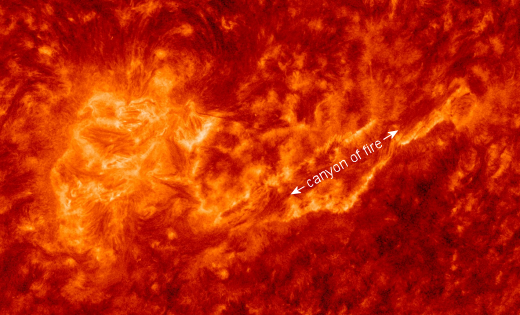
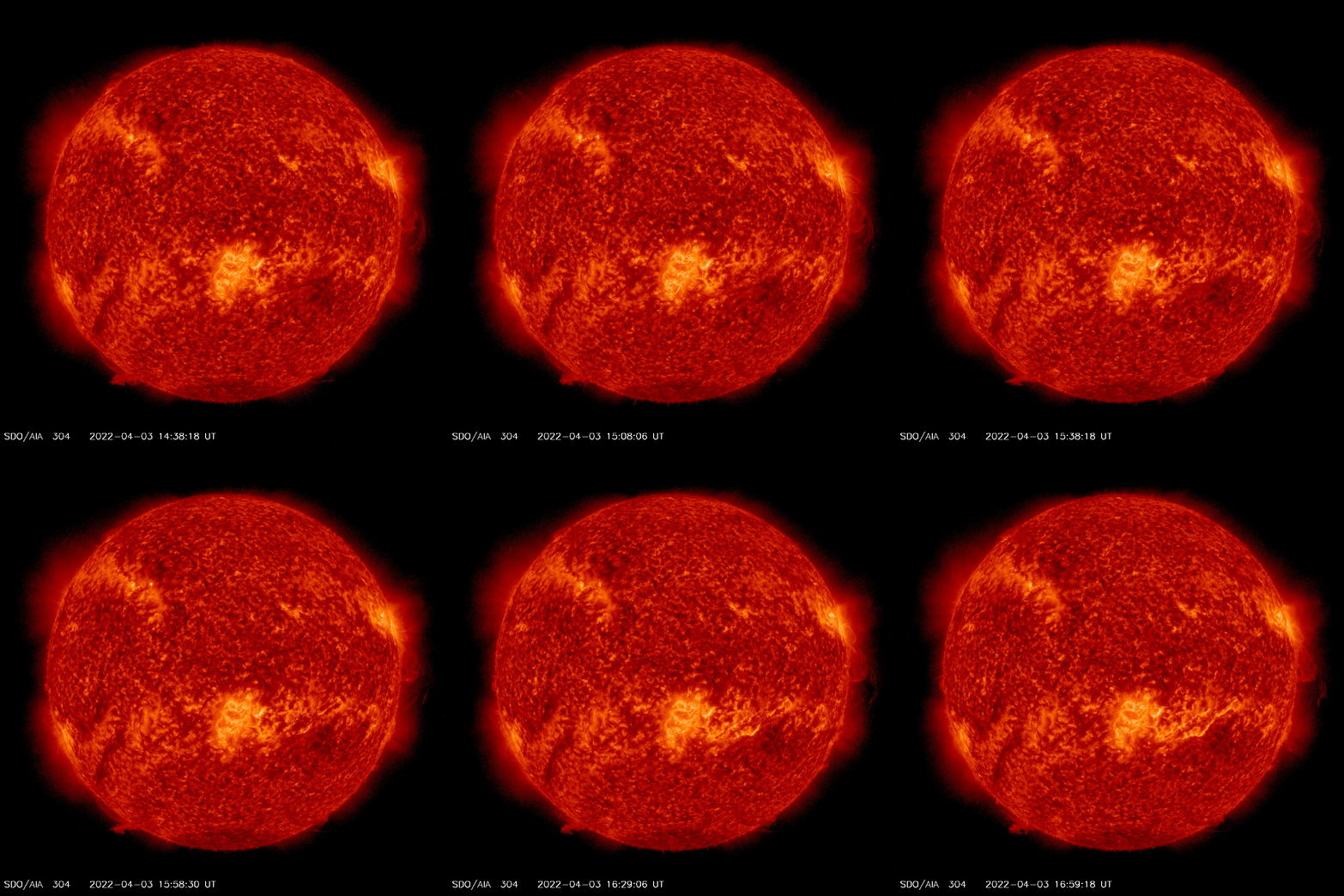
The glowing walls of the canyon are at least 20,000 km high and 10 times as long. They trace the channel where the filament (R.I.P.) was previously suspended by magnetic forces inside the sun's atmosphere.
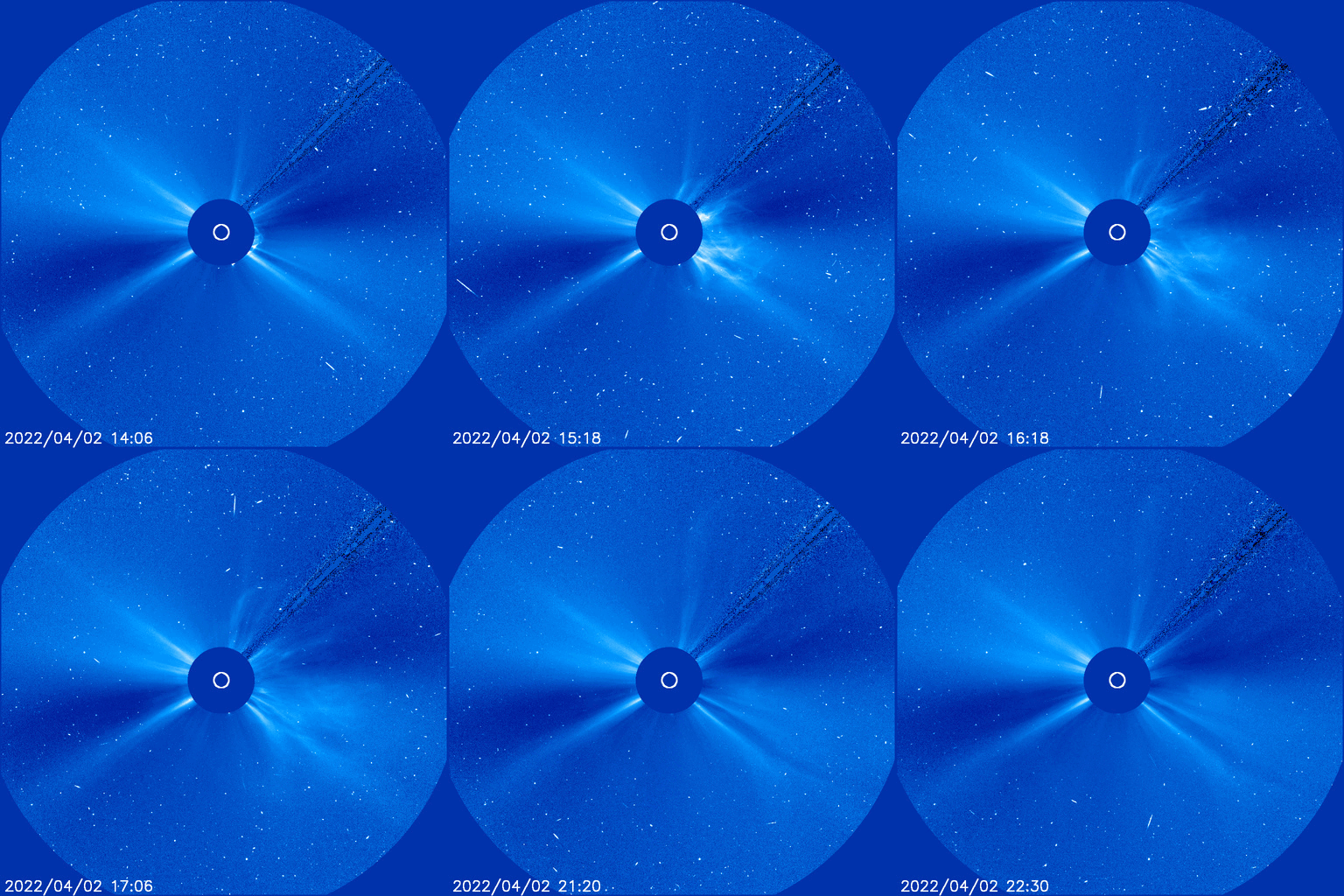
A coronal mass ejection (CME) has since emerged from the blast site. Here it is. The expanding cloud will probably sideswipe Earth's magnetic field on April 7th. Solar flare alerts: SMS Text
Realtime Space Weather Photo Gallery
Free: Spaceweather.com Newsletter
THE SOUTHERN LIGHTS: What should you do when a CME hits Earth's magnetic field? "Get on a plane," says Ian Griffin of the Otago Museum in Dunedin, New Zealand. On April 1, 2022, he joined 270 aurora chasers on a flight toward the Antarctic Circle--and this is what they saw:
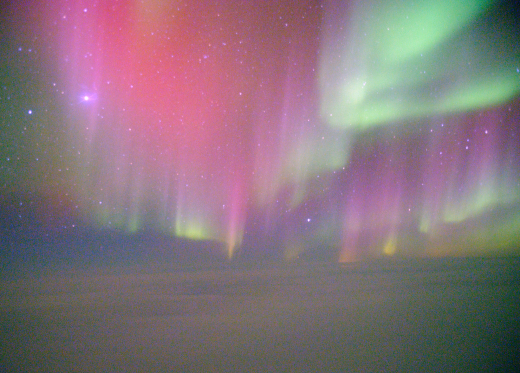
Just hours before the plane took off, a Cannibal CME had hit Earth's magnetic field. In the northern hemisphere, auroras appeared as far south as Colorado and Nebraska. They did not compare, however, to the colorful light show Griffin witnessed.
"The enthusiasts on board were treated to a wonderful display of aurora australis," says Griffin. "To see the lights, we chartered a Boeing 767 out of Christchurch and spent 10 hours in the air. For a while we were south of latitude -60 degrees."
Realtime Aurora Photo Gallery
Free: Spaceweather.com Newsletter
A BLACK PEARL IN THE STRATOSPHERE: It came from Tahiti--and now it's been to the edge of space. On Feb. 27th, this genuine Black Tahitian South Sea Cultured Pearl flew to the stratosphere onboard an Earth to Sky Calculus cosmic ray balloon, soaring more than 100,000 feet above the Sierra Nevada mountains of central California:
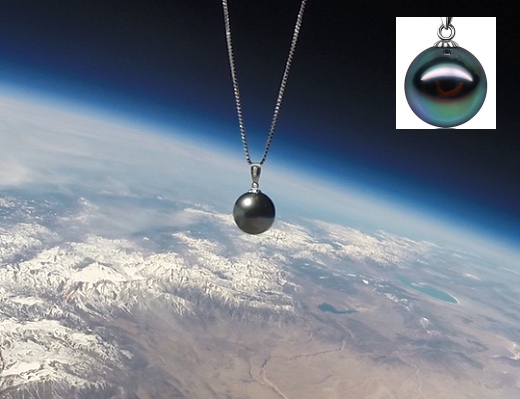
You can have it for $229.95. The students are selling these exotic space pearls to fund their cosmic ray monitoring program. Measuring 10 mm in diameter, the pearl has an 18K white gold clasp and is suspended from a matching 925 Sterling Silver chain. Each pearl comes with a greeting card showing the pendant in flight and telling the story of its journey to the edge of space.
Far Out Gifts: Earth to Sky Store
All sales support hands-on STEM education