GEOMAGNETIC STORM: A co-rotating interaction region (CIR) hit Earth's magnetic field on July 7th, sparking a G1-class geomagnetic storm. The storm is subsiding now but it could flare up again if BsubZ continues to point south. High-latitude photographers should remain alert for auroras on the night of July 7-8. Aurora alerts: SMS Text.

BIG SUNSPOT: Big new sunspot AR3053 is growing and turning toward Earth. This movie from NASA's Solar Dynamics Observatory shows the latest 48 hours of development:
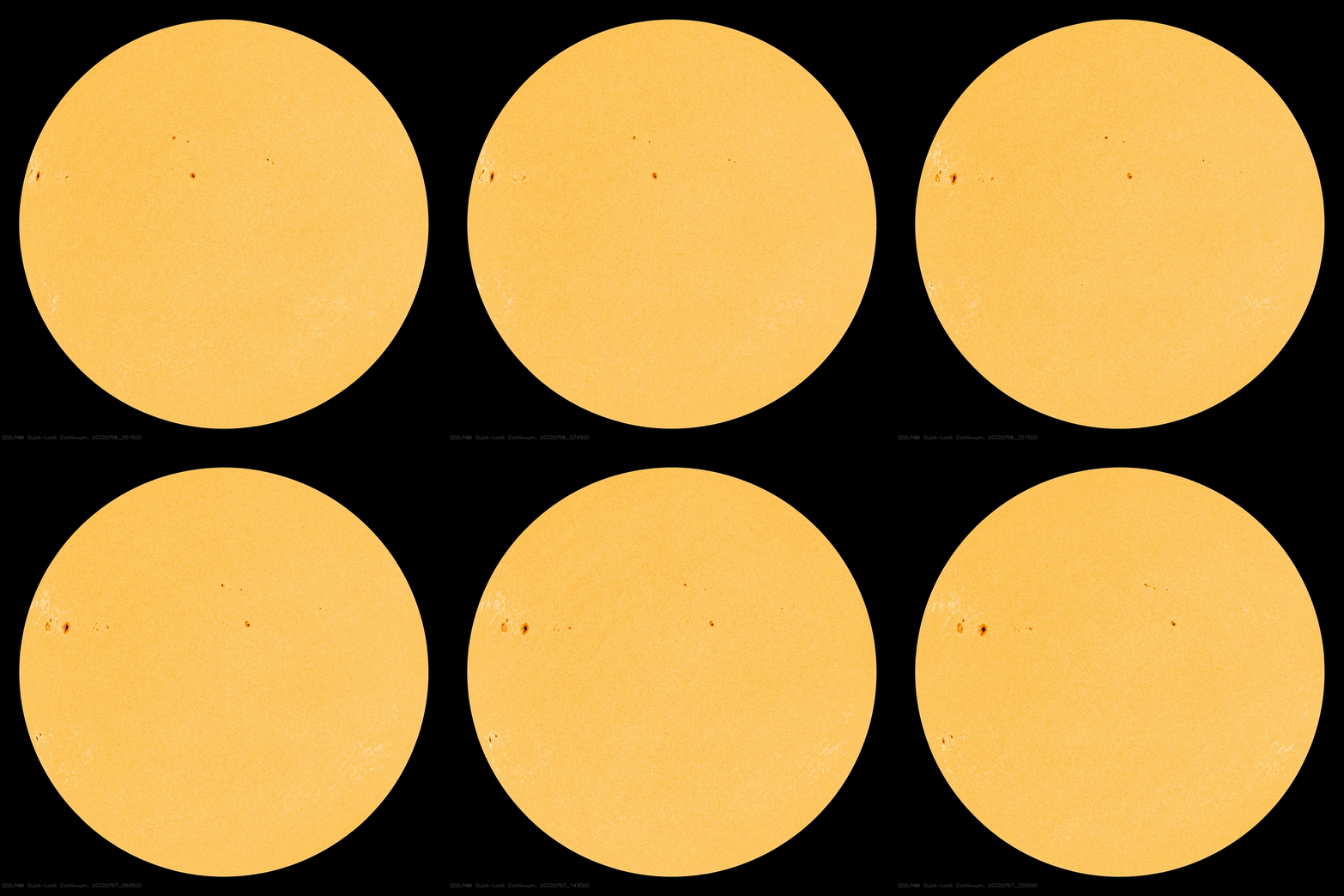
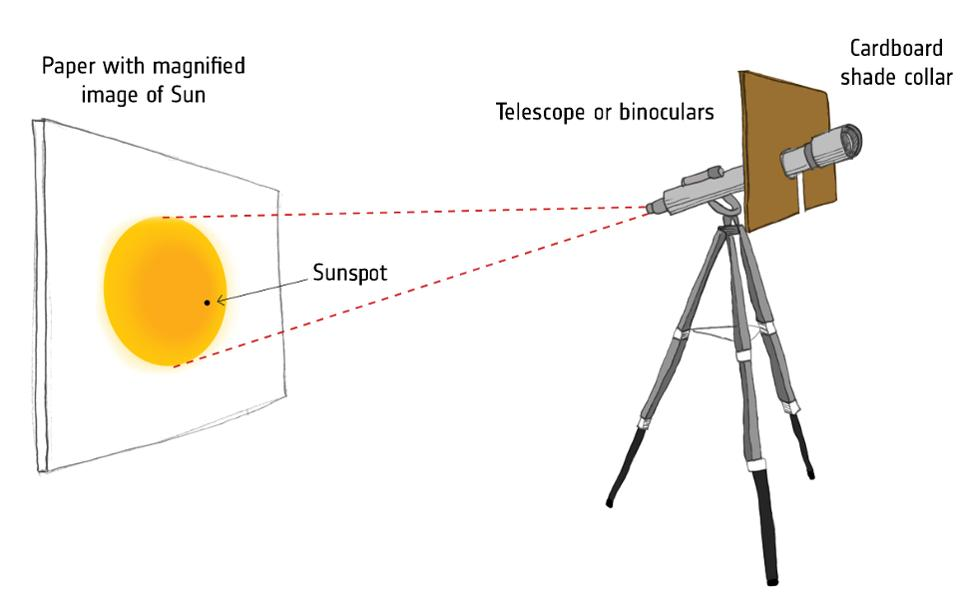
The sunspot now has not just one but two dark cores wider than Earth. These dimensions make it an easy target for backyard solar telescopes. If you don't have a solar telescope, try the projection method instead. It works with any telescope.
Realtime Space Weather Photo Gallery
Free: Spaceweather.com Newsletter
VERY BRIGHT NOCTILUCENT CLOUDS: On Wednesday morning, July 6th, sky watchers in Europe woke up to some of the brightest noctilucent clouds (NLCs) in years. "The clouds were amazingly bright and remained very evident deep into dawn," reports Daniel Fischer, who sends this picture from Bochum, Germany:
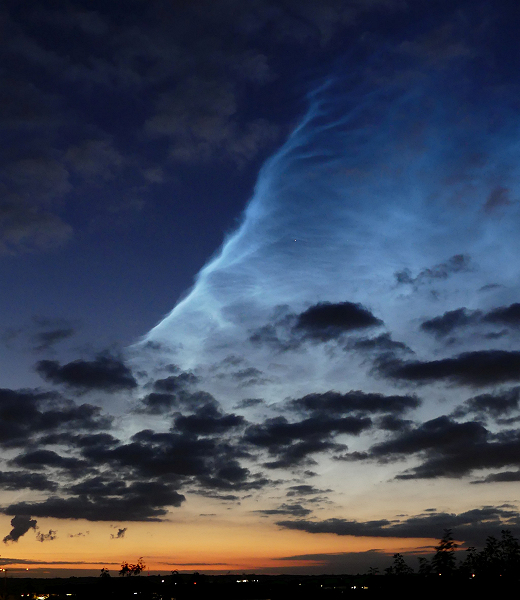
The clouds didn't stop there. They spread south across Europe, backlighting the Eiffel Tower and completely filling skies in places where, normally, NLCs are confined to a thin band near the horizon.
NLCs are Earth's highest clouds. Seeded by meteoroids, they float at the edge of space more than 80 km above the ground. NLCs form when summertime wisps of water vapor rise up to the mesosphere, allowing water to crystallize around specks of meteor smoke. They are a natural phenomenon.
Early July is usually a good time to see NLCs in the northern hemisphere, but this July is exceptional. Looking down on Earth's north pole, NASA's AIM spacecraft is seeing some of the strongest NLC activity in 15 years:
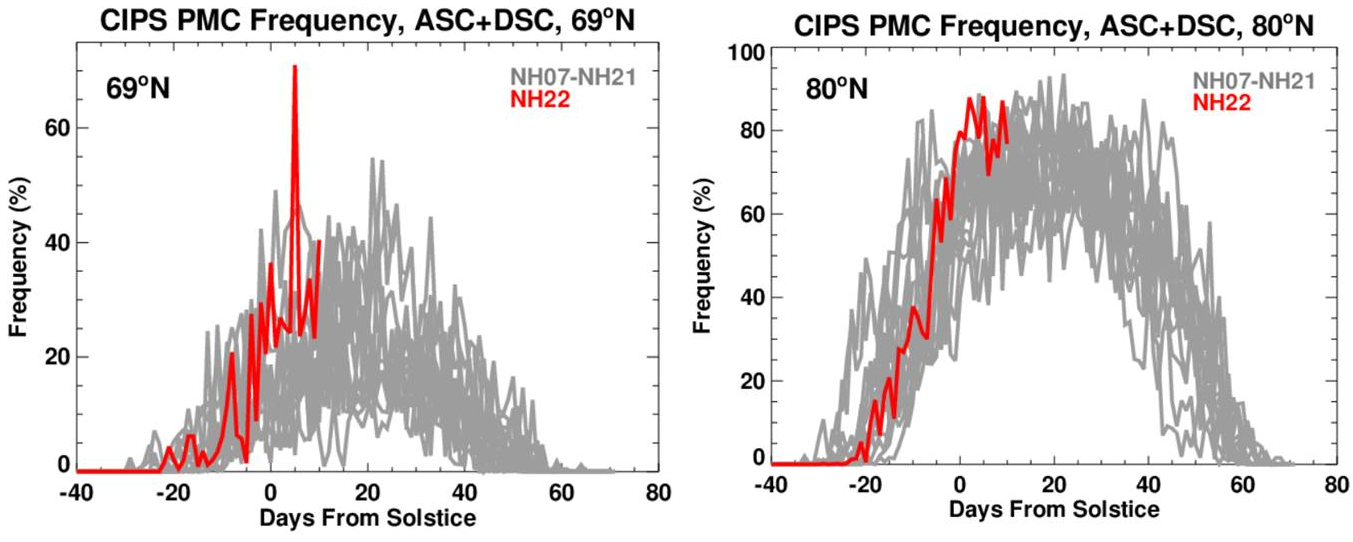
These plots display the frequency (abundance) of NLCs at two northern latitudes: 69o and 80o. Red is 2022; gray traces 14 previous seasons.
"This season appears to be a strong one throughout the polar region," says Cora Randall, a professor at the University of Colorado Boulder. "In fact, although day-to-day variability is substantial, on July 2nd AIM measured higher cloud frequencies at 69N latitude than in any other year since the spacecraft was launched."
Water vapor from rocket exhaust may be boosting the clouds to near-record levels. The spike in the 69o plot, in particular, is suspected to be a result of SpaceX's launch of the Globalstar satellite on June 19th. It is well known that the pace of rocket launches has been increasing. In the month of June 2022 alone there were 16 launches that added water to the upper atmosphere. The link between rockets and NLCs is an area of active research.
As July unfolds, NLCs have spilled far beyond the poles. This week's sightings in Paris confirm that they are well into the mid-latitudes. Look for the clouds, ripply and electric-blue, just after sunset.

more images: from Bertrand Kulik of Paris, France; from Laura Kranich of Kiel, Schleswig-Holstein, Germany; from Graham Wheatley of Portsmouth, England; from Jacob Kuiper of Steenwijk, The Netherlands; from Peter Paul Hattinga Verschure of Deventer, The Netherlands; from Ian Carstairs of Harleston, Norfolk,UK
Realtime Noctilucent Cloud Photo Gallery
Free: Spaceweather.com Newsletter
THE EDGE OF SPACE BUTTERFLY: Are you looking for a far-out gift? Consider the Edge of Space Butterfly. On June 26, 2022, this crystal pendant hitched a ride onboard an Earth to Sky Calculus cosmic ray research balloon:
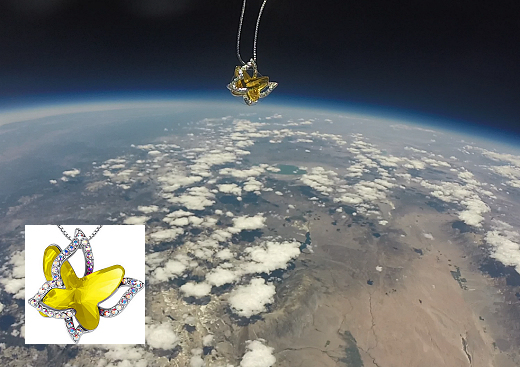
You can have it for $162.95. The inner yellow citrine crystal is surrounded by a "spread your wings" lattice of sparkling zirconia. A rich layer of rhodium plating ensures the longevity of the pendant and its 18-inch chain.
The Edge of Space Butterfly makes a great anniversary, Christmas, or birthday gift. It comes with a greeting card showing the pendant in flight and telling the story of its trip to the stratosphere and back again.
Far Out Gifts: Earth to Sky Store
All sales support hands-on STEM education
Realtime Aurora Photo Gallery
Free: Spaceweather.com Newsletter