GEOMAGNETIC STORM: A minor G1-class geomagnetic storm is in progress on Jan. 15th as Earth passes through the magnetized wake of a stealthy CME, which arrived almost 2 days ago. The CME was embedded inside a co-moving solar wind stream, hiding some of its usual signatures. Arctic sky watchers should be alert for auroras. Aurora alerts: SMS Text.

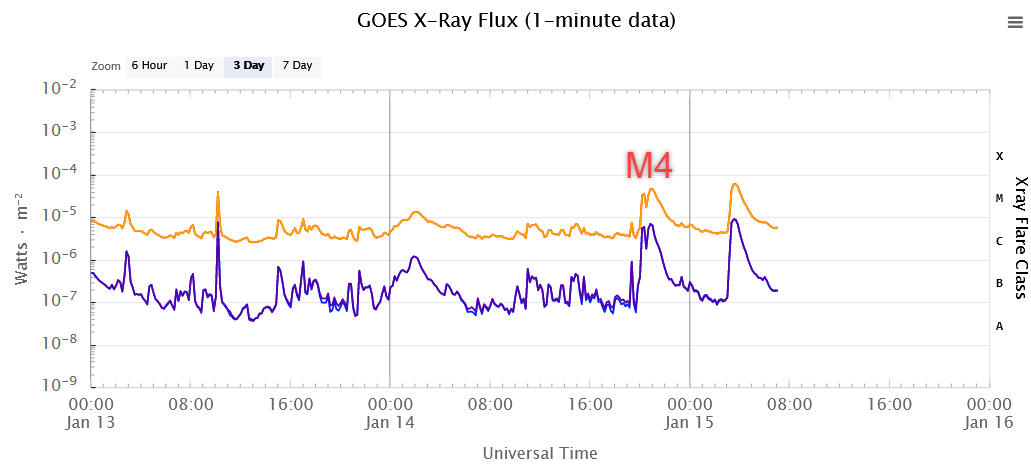
SOLAR FLARE AND CME (UPDATED): A twist of dark plasma left the sun on Jan. 14th, propelled by a double-dip M4-class solar flare in the magnetic canopy of sunspot AR3182:
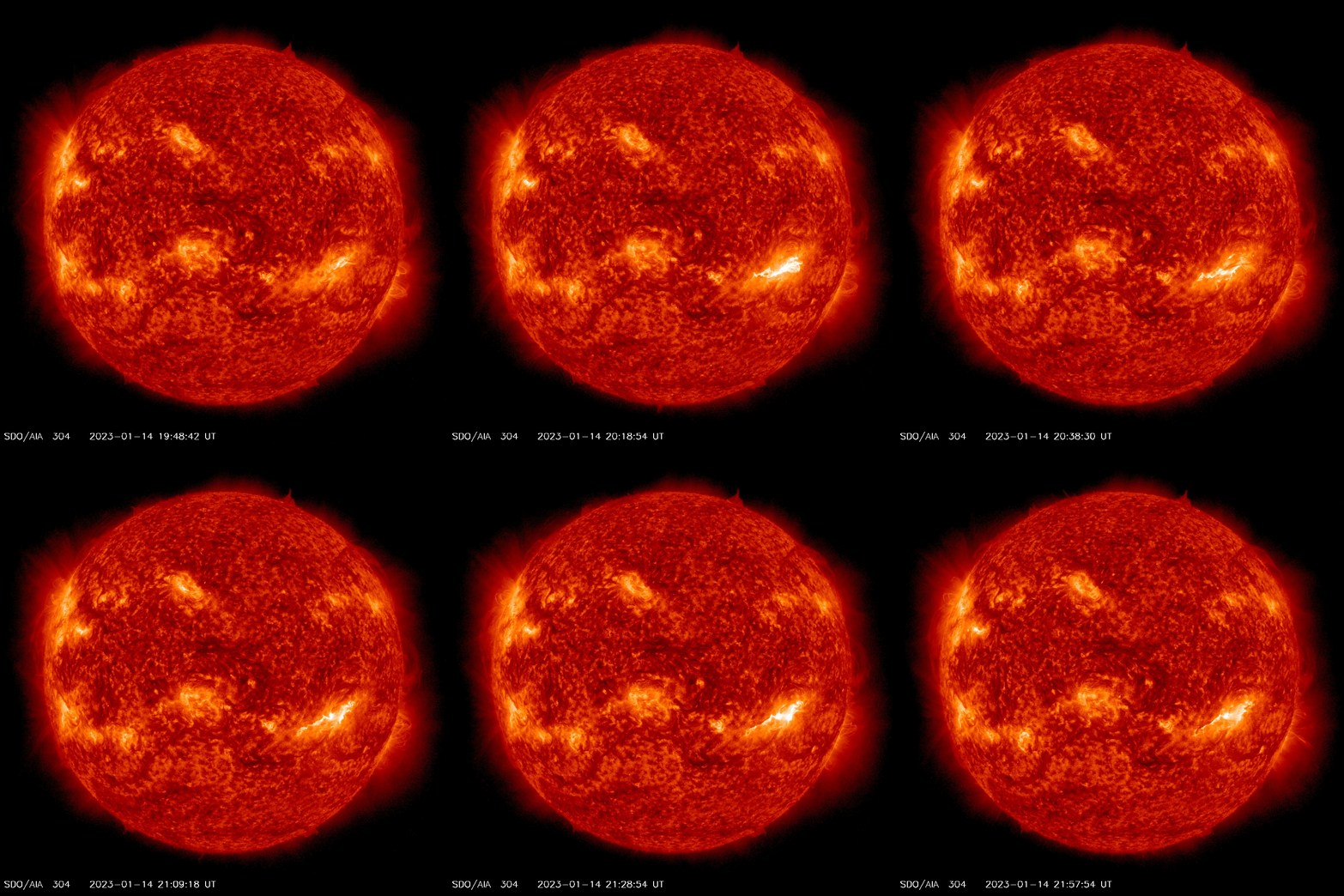
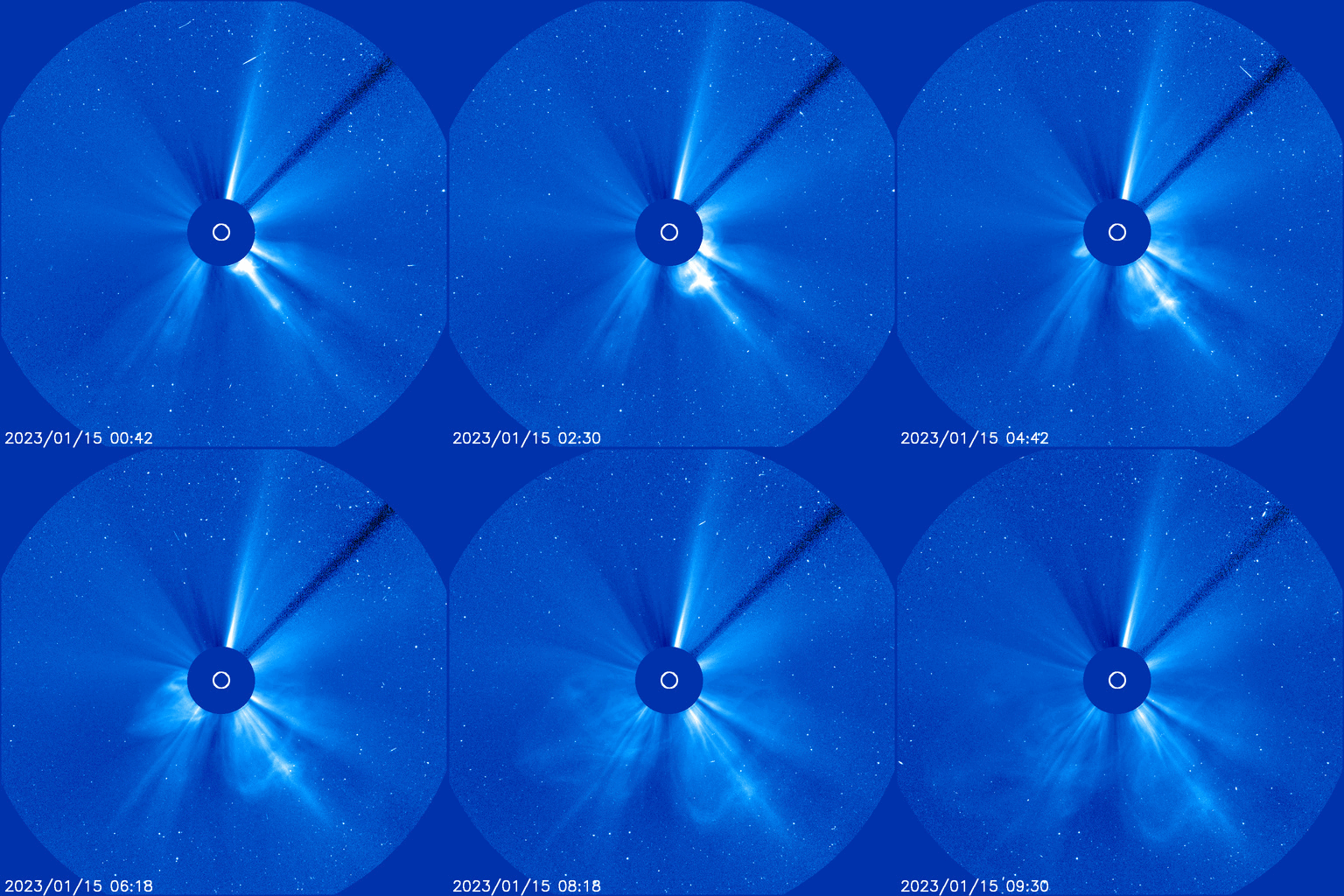
The debris carved a spiraling path through the sun's atmosphere, a blender-like process that hurled a coronal mass ejection (CME) into space. It is the bright cloud emerging at the 5 o'clock position in this coronagraph movie from SOHO. NOAA analysts say the CME could deliver a glancing blow to Earth's magnetic field on Jan. 19th. Solar flare alerts: SMS Text.
Realtime Space Weather Photo Gallery
Free: Spaceweather.com Newsletter
SO. MANY. SUNSPOTS. This morning in the Netherlands, Jan Koeman looked at the sun through his safely-filtered telescope, and this is what he saw:
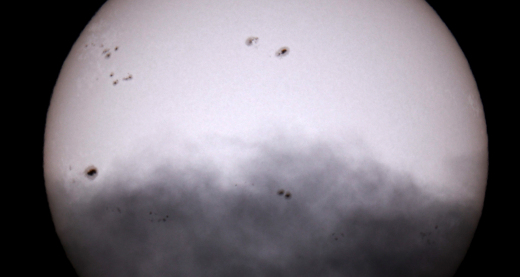
"I can't remember having seen so many sunspots together through the eyepiece of my Celestron C8 in the last 10 years," says Koeman. "Amazing sight! It is winter in the Netherlands, that means plenty clouds and a sun low above the hedge in my backyard. But the sunspots were peeping through the clouds!"
Indeed, the sunspot number is high. If solar activity continues apace for the rest of January, the monthly sunspot number will reach a 20-year high. And Solar Maximum is still ~2 years away. Contrary to predictions, Cycle 25 is shaping up to be a good one, after all. Solar flare alerts: SMS Text.
more images: from Martin Wise of Trenton, Florida; from Howard Eskildsen of Ocala, Florida; from Pepe Manteca of Begues, Catalunya, Spain; from the Association Astronomique de l'Indre of Le Poinçonnet, Centre-Val de Loire - France; from Dr. J. Wayne Wooten of Pensacola, Florida
Realtime Space Weather Photo Gallery
Free: Spaceweather.com Newsletter
VALENTINE'S CRYSTAL BEAR AND ROSE: Valentine's Day is coming. Looking for a far-out gift? This Crystal Bear and Rose flew to the stratosphere onboard a cosmic ray research balloon on Dec. 17th:
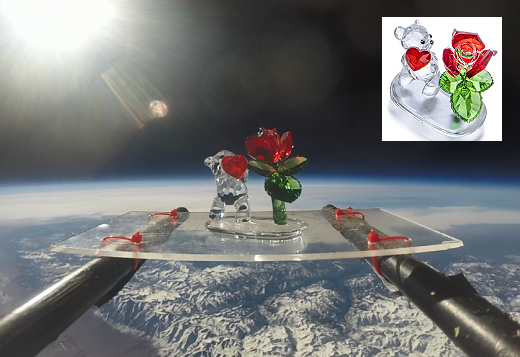
You can have it for $129.95. The students of Earth to Sky Calculus are selling space bears to support their high-altitude ballooning program. Each one comes with a greeting card showing the ursine astronaut in flight and telling the story of its journey to the edge of space and back again.
Far Out Gifts: Earth to Sky Store
All sales support hands-on STEM education
Realtime Aurora Photo Gallery
Free: Spaceweather.com Newsletter