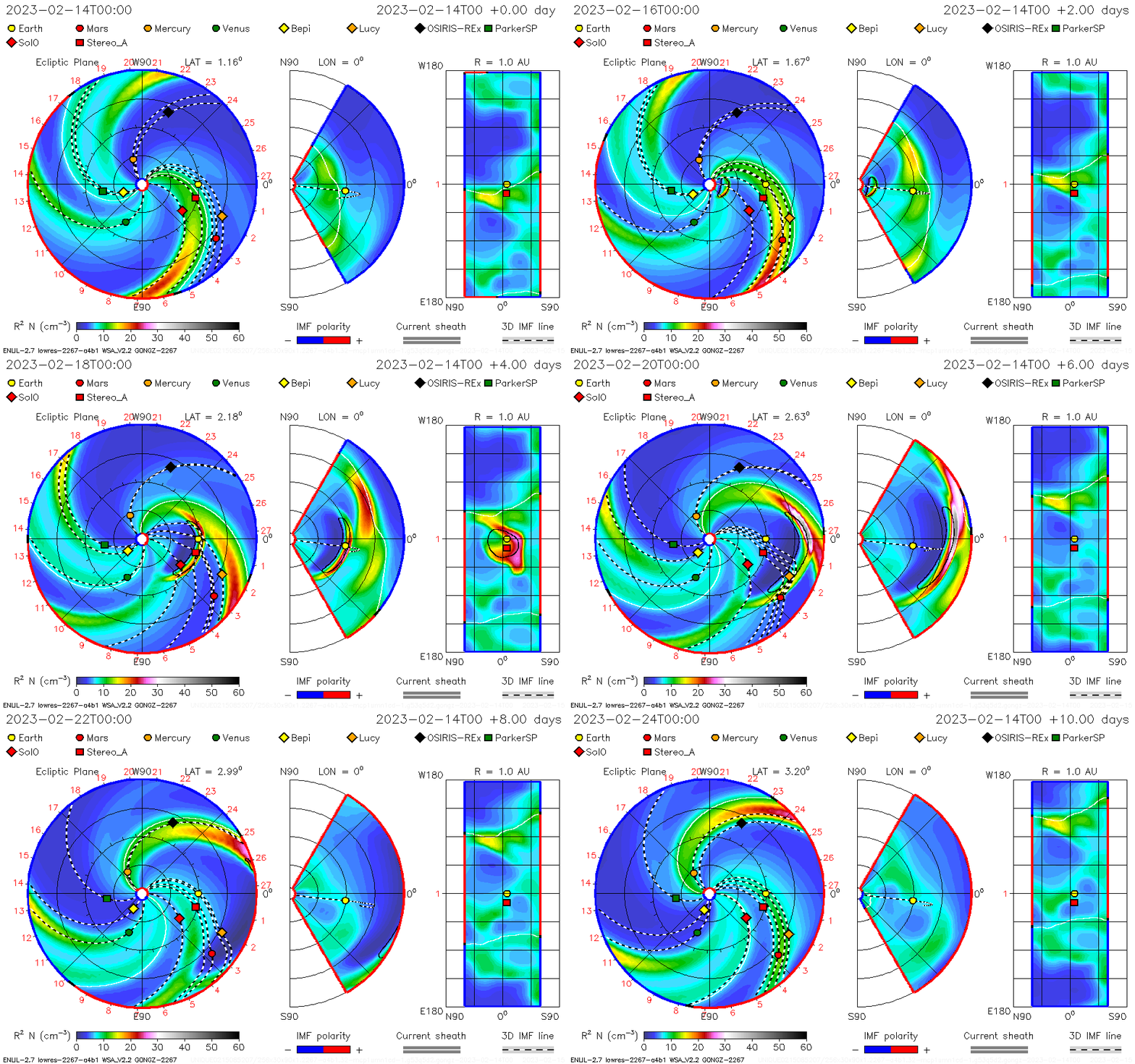
GEOMAGNETIC STORM WATCH (UPDATED): Photographers, warm up your cameras. A CME is heading for Earth, and it could spark a good display of auroras when it arrives later today or tomorrow. NASA's computer model of the CME suggests it will reach Earth on Feb. 17th at 1800 UT. (Update: This time has passed with no CME yet.) First contact is expected to produce a minor G1-class geomagnetic storm, intensifying to moderate G2-class storming on Feb. 18th. During such storms, auroras can spill into the United States as far south as New York and Idaho. Aurora alerts: SMS Text.


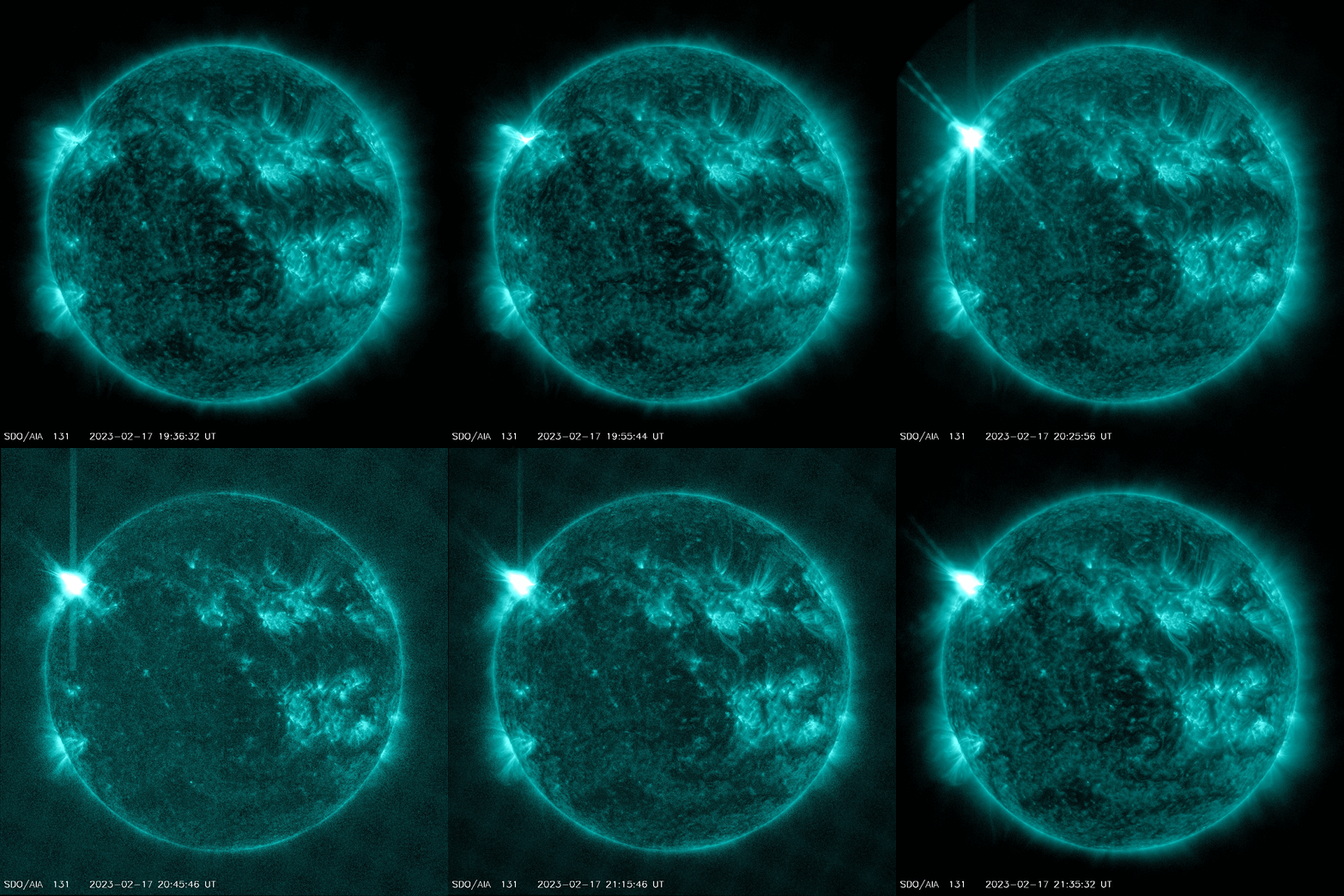
STRONG X2-CLASS SOLAR FLARE: New sunspot AR3229 erupted on Feb. 17th (2016 UT), producing a strong X2-class solar flare. NASA's Solar Dynamics Observatory (SDO) recorded the extreme ultraviolet pulse:
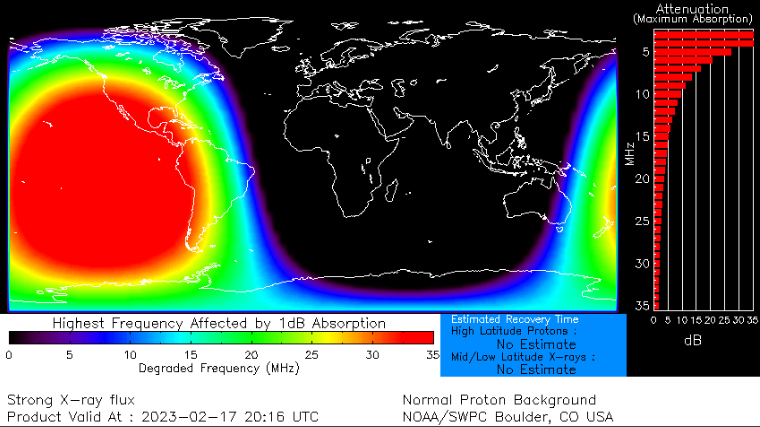
Radiation from the flare ionized the top of Earth's atmosphere, causing a deep shortwave radio blackout over the Americas. Mariners, aviators and ham radio operators may have noticed loss of signal and other unusual propagation efftects at frequencies below 30 MHz for more than an hour after the flare.
The long-duration flare also launched a solar tsunami. It is the shadowy shock wave in this 193 angstrom movie from SDO:
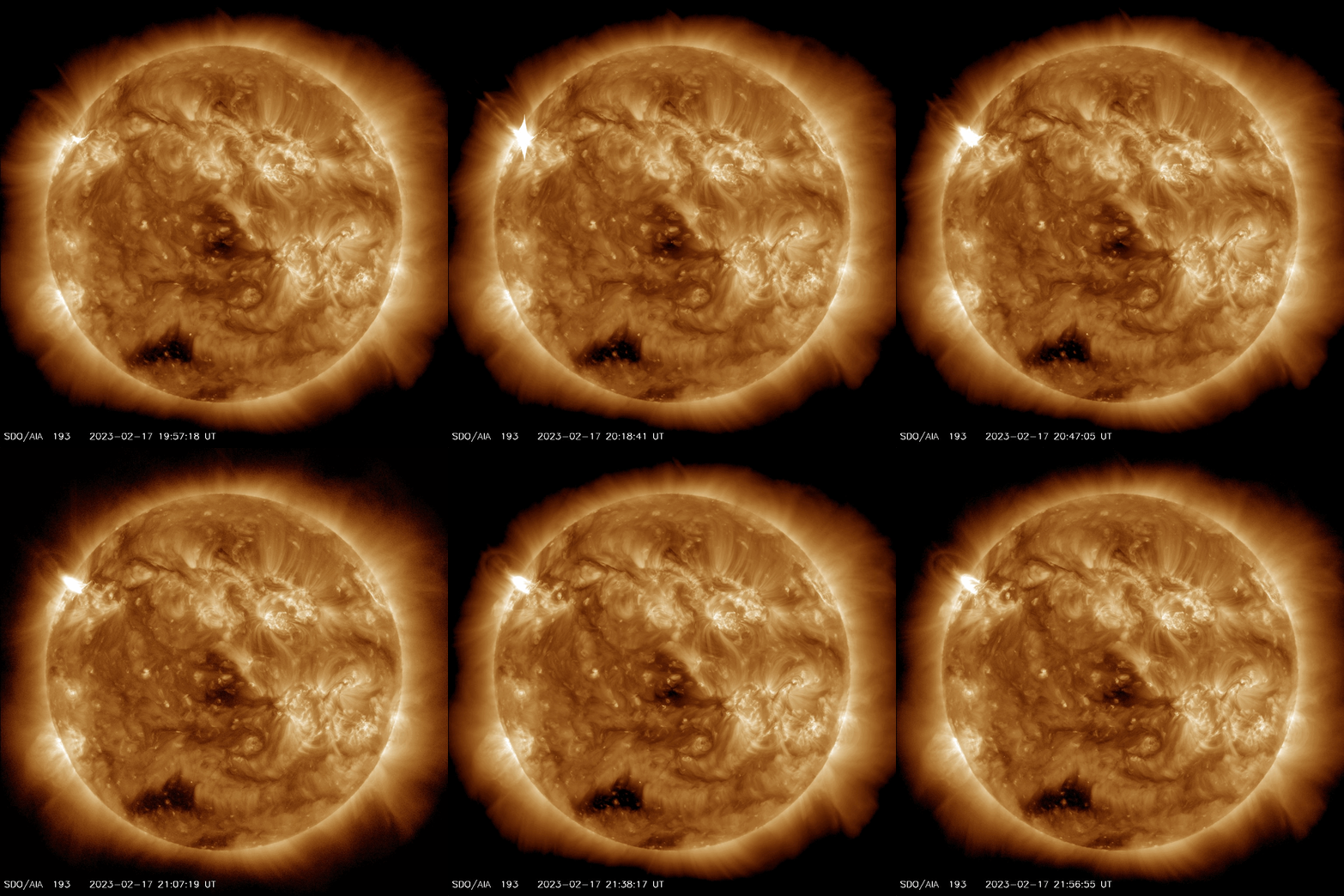
The US Air Force has reported a Type II solar radio burst coming from the tsunami. The drift rate of the burst suggests a shock speed greater than 2400 km/s (5.4 million mph). Solar tsunamis and Type II radio bursts are closely linked to CMEs, and we should expect to see one soon emerging from the blast site.
Stay tuned for updates about this significant event. Solar flare alerts: SMS Text.
Realtime Space Weather Photo Gallery
Free: Spaceweather.com Newsletter
VENUS AND JUPITER ARE CONVERGING: When the sun goes down tonight, step outside and look west. Venus and Jupiter are shining brightly in the twilight sky, converging for a close encounter less than 2 weeks from now. Petr Horálek sends this picture from Soneva Jani, Maldives:

"Planets Jupiter (above) and Venus (below) are converging beautifully, a little closer every evening," says Horálek. "This image shows both of them in a romantic view of the Maldivian Soneva Jani Island."
At closest approach on March 1st, the two planets will be just 0.5 degrees apart--a beautiful pairing and one of the best astrophoto-ops of 2023. They're already an eye-catching pair. Take a look and submit your photos here.
Realtime Space Weather Photo Gallery
Free: Spaceweather.com Newsletter
THE INFINITY PEARL: Nothing says "I love you forever" like the Infinity Pearl. The students of Earth to Sky Calculus launched this unique pendant to the stratosphere onboard a cosmic ray research balloon. For more than 2 hours it floated 101,378+ feet above the Sierra Nevada mountains of central California:
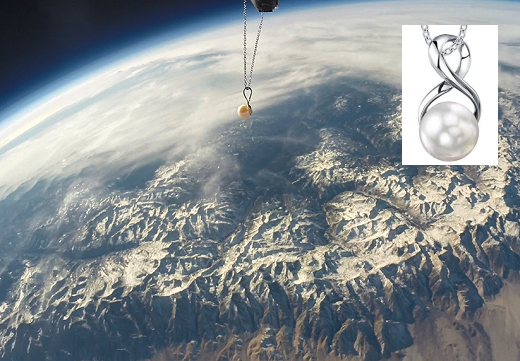
You can have it for $249.95. The students are selling space pearls to support their cosmic ray ballooning program. Measuring 9 mm in diameter, the Infinity Pearl is mounted on a sterling silver infinity twist and suspended from a matching 17 inch long sterling silver chain. Each one comes with a greeting card showing the pendant in flight and telling the story of its journey to the edge of space.
Far Out Gifts: Earth to Sky Store
All sales support hands-on STEM education
Realtime Aurora Photo Gallery
Free: Spaceweather.com Newsletter