GEOMAGNETIC STORM WATCH: Minor (G1) to moderate (G2) geomagnetic storms are possible this weekend in response to two incoming CMEs. One CME was hurled into space by a magnetic filament eruption on Feb 15th, the other by an X2.2-class solar flare on Feb. 17th. Both storm clouds are expected to deliver glancing blows, mitigating their impact. Aurora alerts: SMS Text.


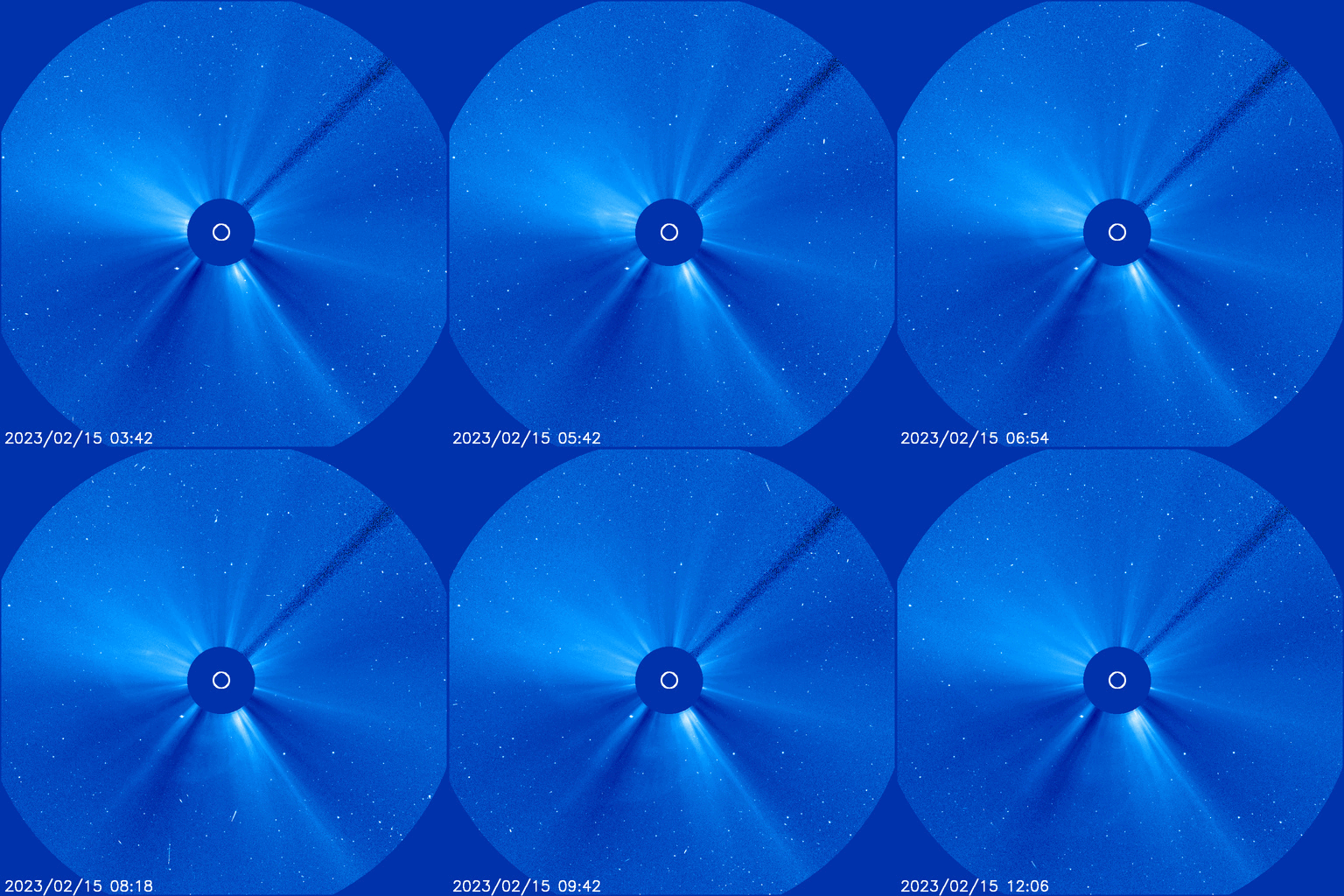
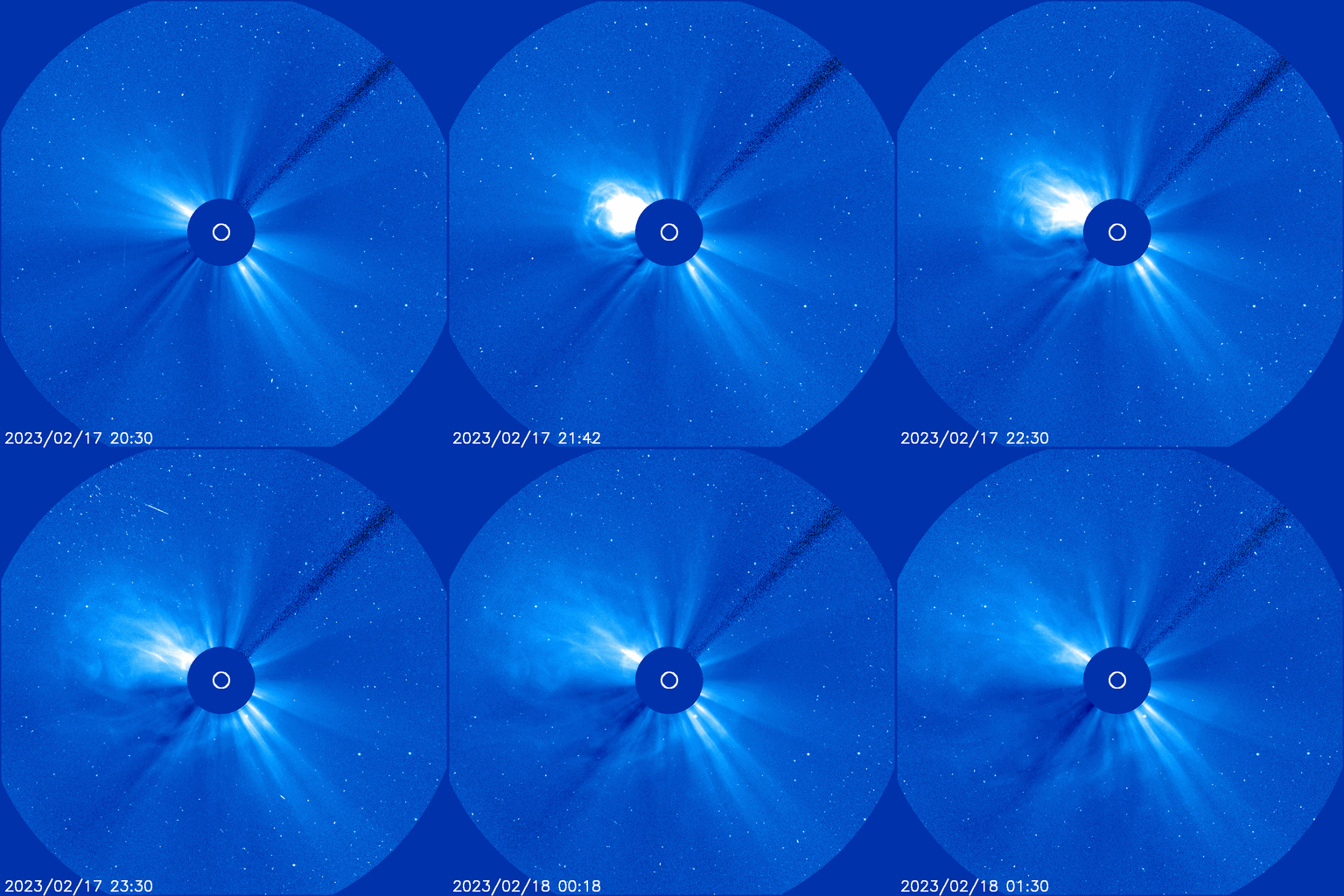
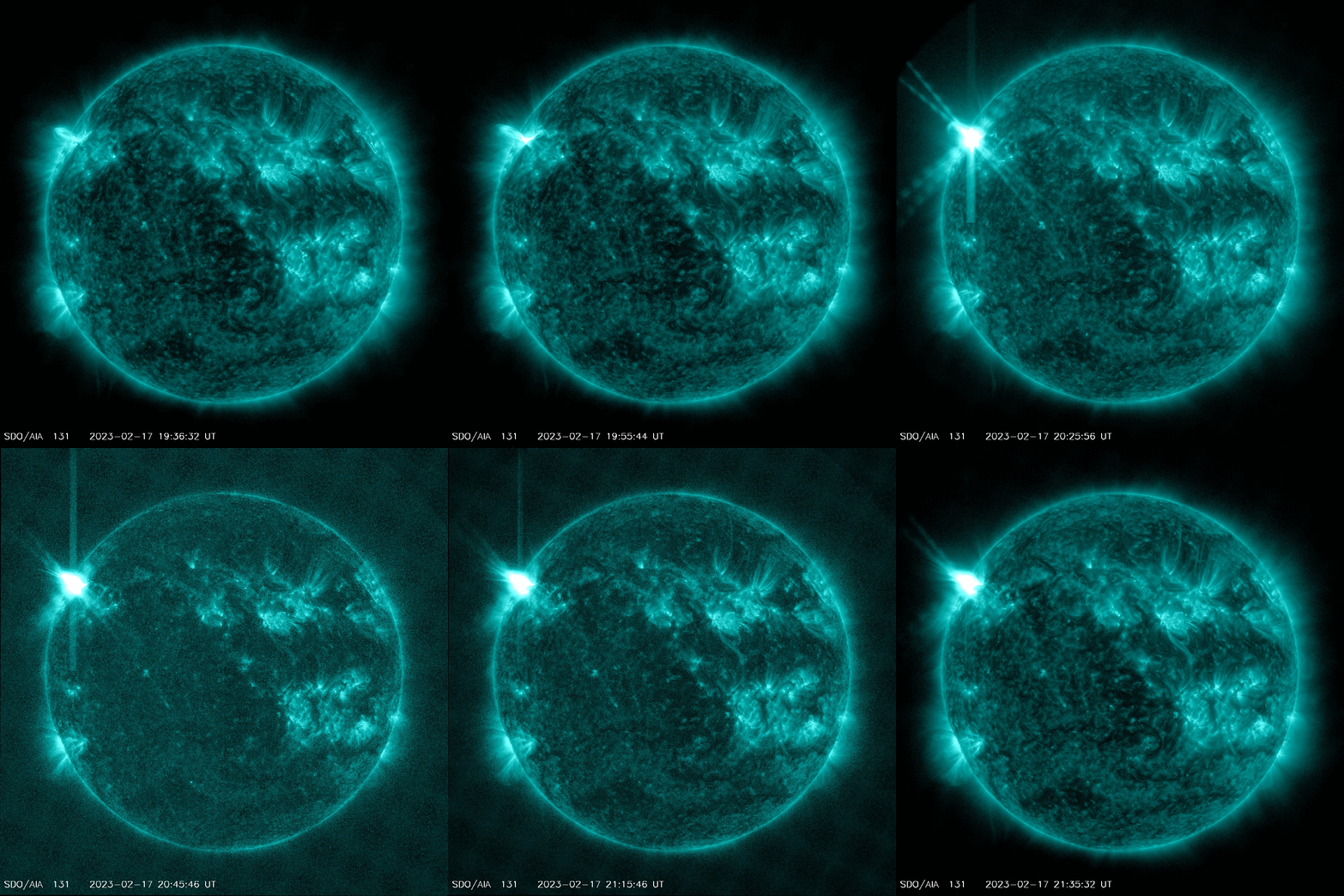
STRONG X2-CLASS SOLAR FLARE: Sunspot AR3229 erupted on Feb. 17th (2016 UT), producing a strong X2.2-class solar flare. NASA's Solar Dynamics Observatory (SDO) recorded the extreme ultraviolet pulse:
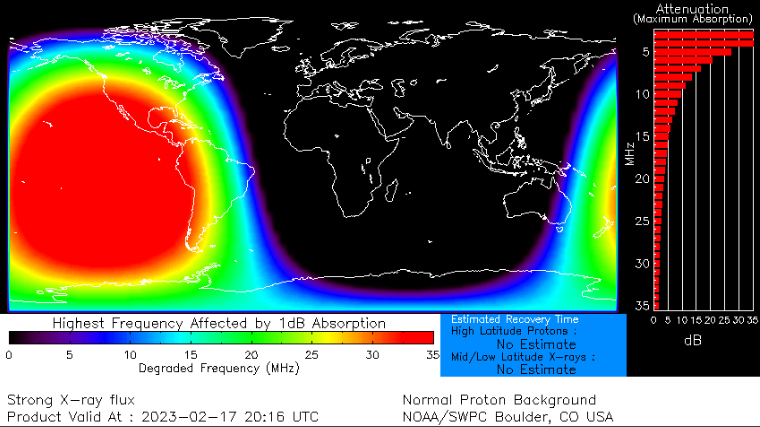
Ultraviolet and X-radiation ionized the top of Earth's atmosphere, causing a deep shortwave radio blackout over the Americas. Mariners, aviators and ham radio operators may have noticed loss of signal and other unusual propagation efftects at frequencies below 30 MHz for more than an hour after the flare. Solar flare alerts: SMS Text.
SOLAR RADIO BURST: Amateur radio astronomer Thomas Ashcraft of New Mexico did not expect an X-flare yesterday, but he was perfectly positioned to observe it. "The sun was right in my radio telescope beam when the flare occured, and my spectrograph captured the full force of the resulting radio burst," says Ashcraft. Listen to the roar of static that emerged from his loudspeaker:
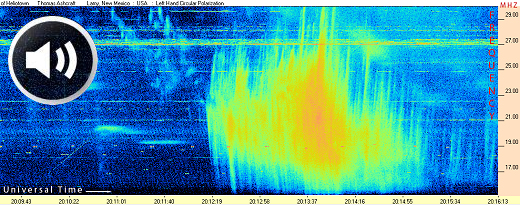
Click to listen, then take a look at the complete dynamic spectrum
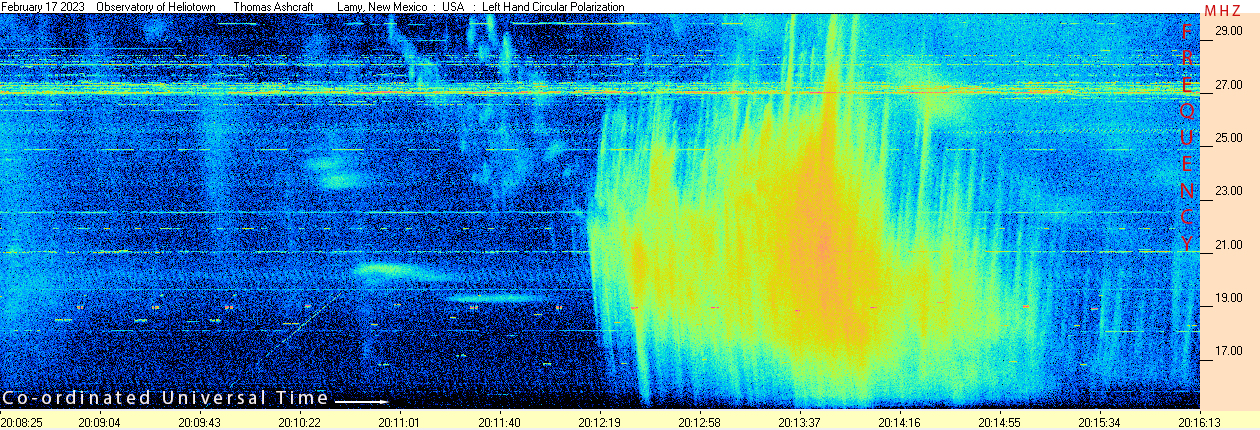
This is a Type II solar radio burst. Shock waves from the flare rippled through the sun's atmosphere, creating plasma oscillations that emit shortwave energy. Briefly, the sun turned itself into a natural radio transmitter.
Would you like to record an event like this? NASA's Radio JOVE program makes it easy. Off-the-shelf radio telescope kits allow even novices to monitor radio outbursts from the sun, which are becoming more frequent as Solar Cycle 25 intensifies.
Realtime Space Weather Photo Gallery
Free: Spaceweather.com Newsletter
THE INFINITY PEARL: Nothing says "I love you forever" like the Infinity Pearl. The students of Earth to Sky Calculus launched this unique pendant to the stratosphere onboard a cosmic ray research balloon. For more than 2 hours it floated 101,378+ feet above the Sierra Nevada mountains of central California:
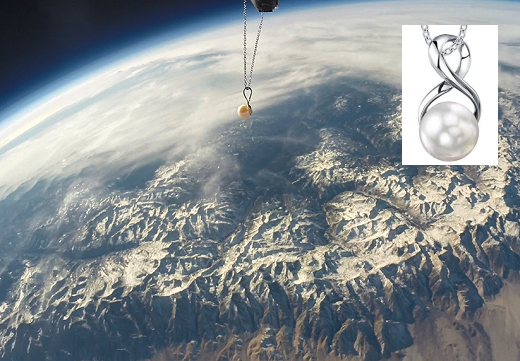
You can have it for $199.95. The students are selling space pearls to support their cosmic ray ballooning program. Measuring 9 mm in diameter, the Infinity Pearl is mounted on a sterling silver infinity twist and suspended from a matching 17 inch long sterling silver chain. Each one comes with a greeting card showing the pendant in flight and telling the story of its journey to the edge of space.
Far Out Gifts: Earth to Sky Store
All sales support hands-on STEM education
Realtime Aurora Photo Gallery
Free: Spaceweather.com Newsletter