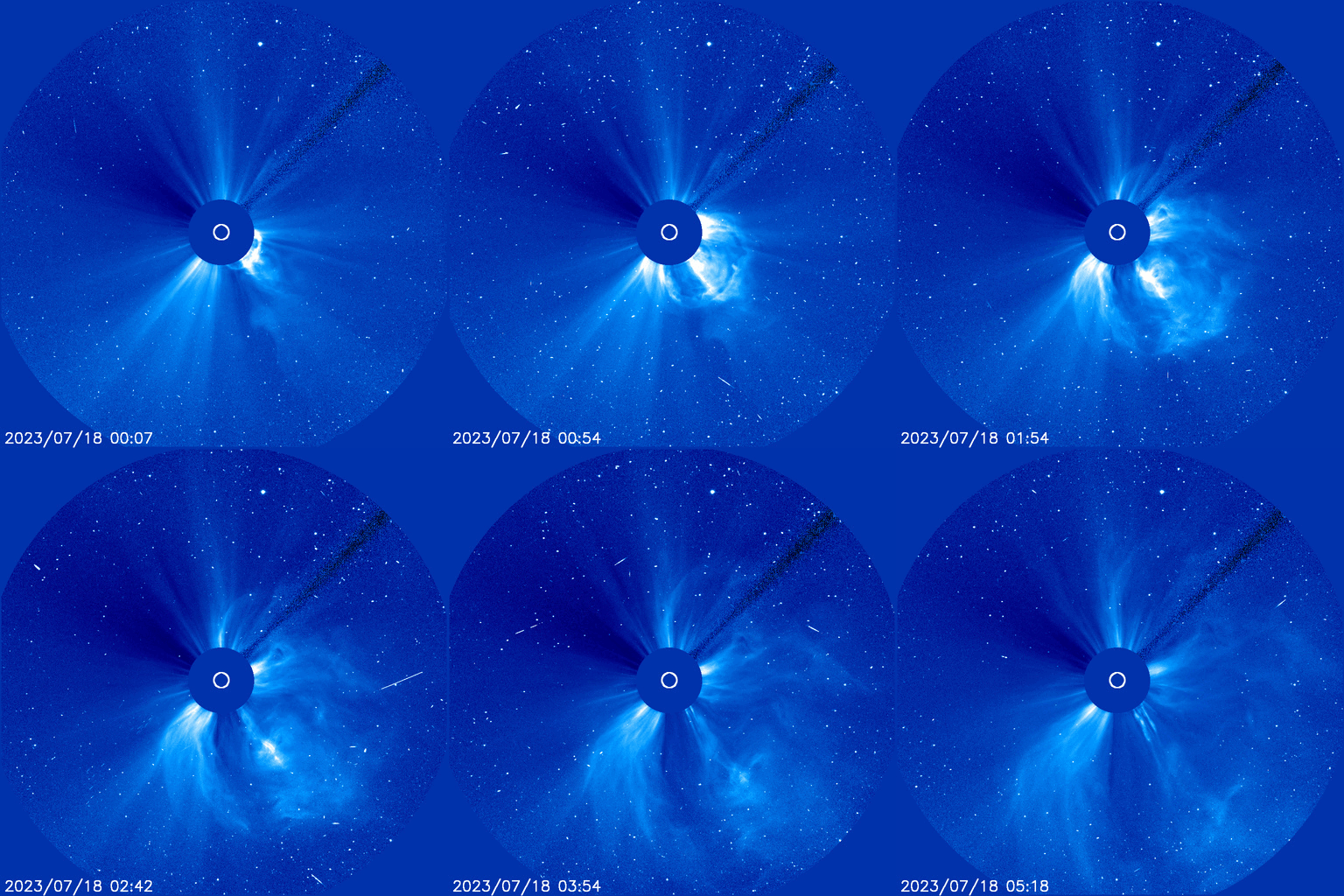
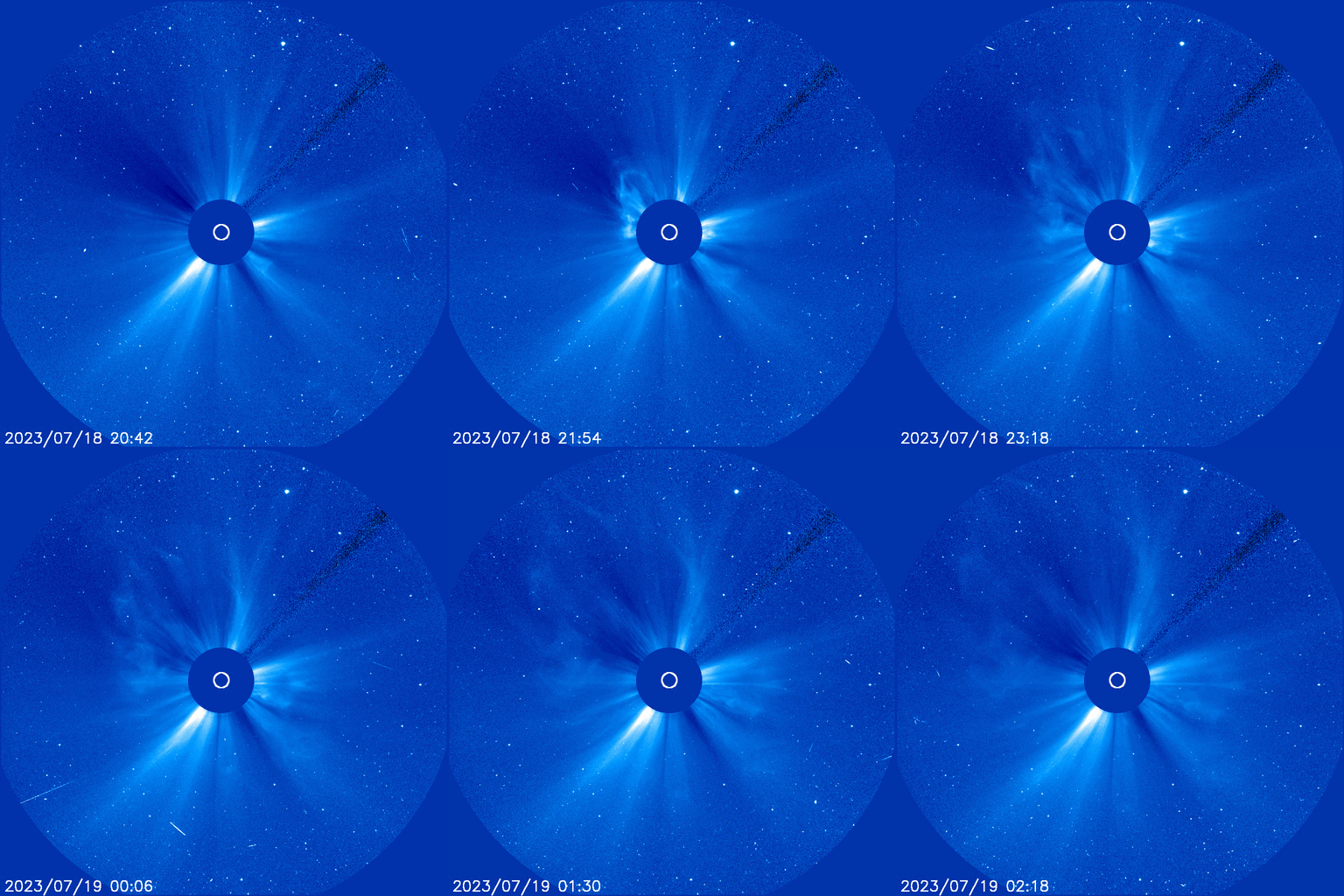
CME IMPACT (THE FIRST OF TWO): A CME just hit Earth's magnetic field (July 20th at 1651 UT): data. This is the first of two CMEs forecasters have been tracking en route to Earth. The second should reach our planet tomorrow, July 21st. The combined effect of these two CMEs could cause G1 to G2-class geomagnetic storms with high-latitude auroras especially after the second CME arrives. Aurora alerts: SMS Text



SPACEX JUST PUNCHED A HOLE IN THE IONOSPHERE: On the evening of July 19th, SpaceX launched a Falcon 9 rocket from Vandenberg Space Force Base in California. Sky watchers from southern California to Arizona witnessed a magnificent exhaust plume. Outside Flagstaff, photographer David Blanchard saw something extra:
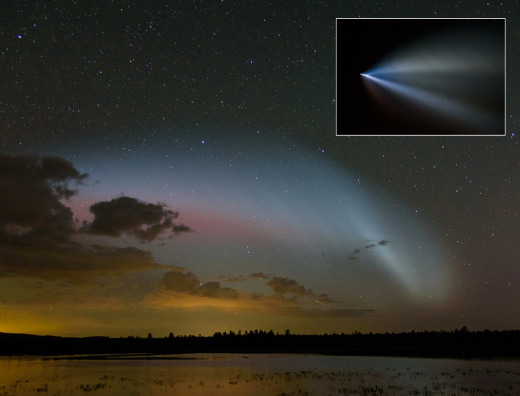
Note the red glow behind the clouds. This is a sign that the rocket punched a hole in the ionosphere.
It wouldn't be the first time. SpaceX has been punching temporary holes in the ionosphere for years. For example, on August 25, 2017, the launch of Taiwan’s FORMOSAT-5 satellite created a hole four times bigger than the state of California. It happened again on June 19, 2022, when a Falcon 9 carried a Globalstar communications satellite to orbit. The ionosphere's "wound" was marked by a bright red glow.
"This is a well studied phenomenon when rockets are burning their engines 200 to 300 km above Earth's surface," says space physicist Jeff Baumgardner of Boston University.
Some rocket engines spray water (H2O) and carbon dioxide (CO2) into the ionosphere, quenching local ionization by as much as 70%. The F-layer of the ionosphere is particulary effected. Oxygen ions (O+) in the F-layer are hungry for electrons, which they readily steal from the rocket's exhaust. Captured electrons cascade down the oxygen atom's energy levels, emitting red photons at a wavelength of 6300 Å--the same color as red auroras.
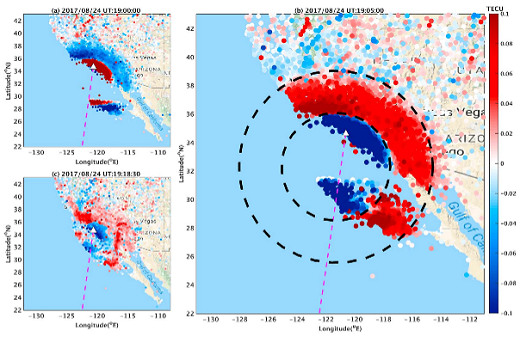
Above: Electron density maps show a hole in the ionosphere formed by a SpaceX rocket in 2017. [more]
"I reviewed footage from last night's launch," says Baumgardner. "It shows the second stage engine burning at 286 km near the F-region peak for that time of day. So, it is quite possible that an ionospheric 'hole' was made."
Ionospheric "punch holes" are becoming increasingly common with record numbers of rocket launches led by SpaceX. Ham radio operators may notice them when shortwave signals fail to skip over the horizon, shooting through holes instead of bouncing back to Earth. Sudden GPS errors can also result from the anomalies.
Readers, did you see the red glow from last night's SpaceX launch? Submit your photos here.
more images: from Dennis Mammana of Borrego Springs, California; from Andrew Corkill of Riverside, California; from Chris Cook of Laguna Beach, California;
Realtime Space Weather Photo Gallery
Free: Spaceweather.com Newsletter
RARE REVERSED-POLARITY SUNSPOT: Sunspot AR3376 is breaking the law: Hale’s Law. Its magnetic polarity is reversed compared to other sunspots in the sun’s northern hemisphere:
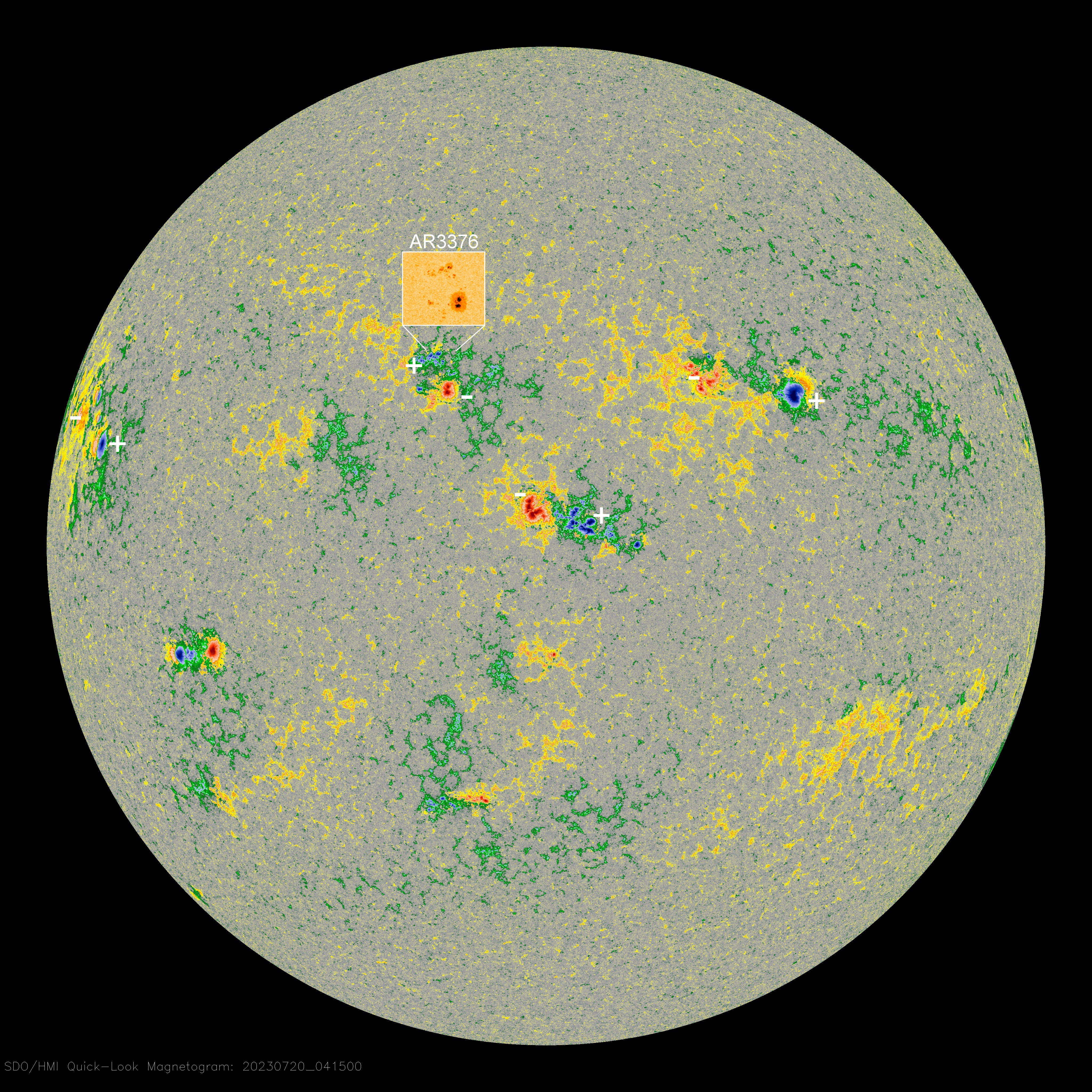
According to Hale’s Law, Solar Cycle 25 sunspots in the sun’s northern hemisphere should have a -/+ polarity (negative on the left, positive on the right). AR3376 is reversed; its polarity is +/-.
Studies show that about 3% of all sunspots violate Hale’s Law. In most ways, reversed polarity sunspots are totally normal. They have about the same lifespan and size as ordinary sunspots. In one important way, however, they are different.
According to a 1982 survey by Frances Tang of the Big Bear Solar Observatory, reversed polarity sunspots are more than twice as likely to develop unstable magnetic fields in which + and – are mixed together. Reversed polarity sunspots are therefore more likely to explode.
Stay tuned for flares from AR3376. Solar flare alerts: SMS Text
Realtime Space Weather Photo Gallery
Free: Spaceweather.com Newsletter
APOLLO 11 PROOF SILVER DOLLAR (COLLECTOR'S ITEM): Fifty-four years ago today, Apollo 11 astronauts landed on the Moon. Like the original astronauts, this rare Apollo 11 silver dollar has been to space:
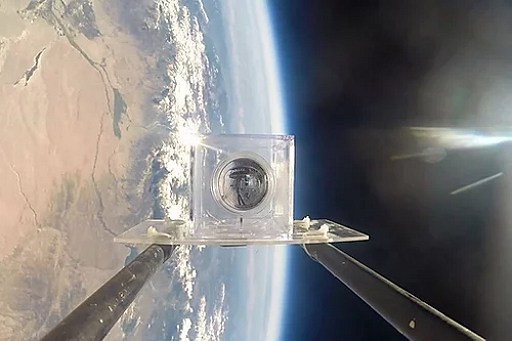
You can have it for $249.95. The US Mint created Apollo 11 silver dollars to celebrate the first Moon landing--but you can no longer buy them from the Mint. You can, however, get one from Earth to Sky Calculus. The coin was flown to the stratosphere onboard the students' cosmic ray research balloon.
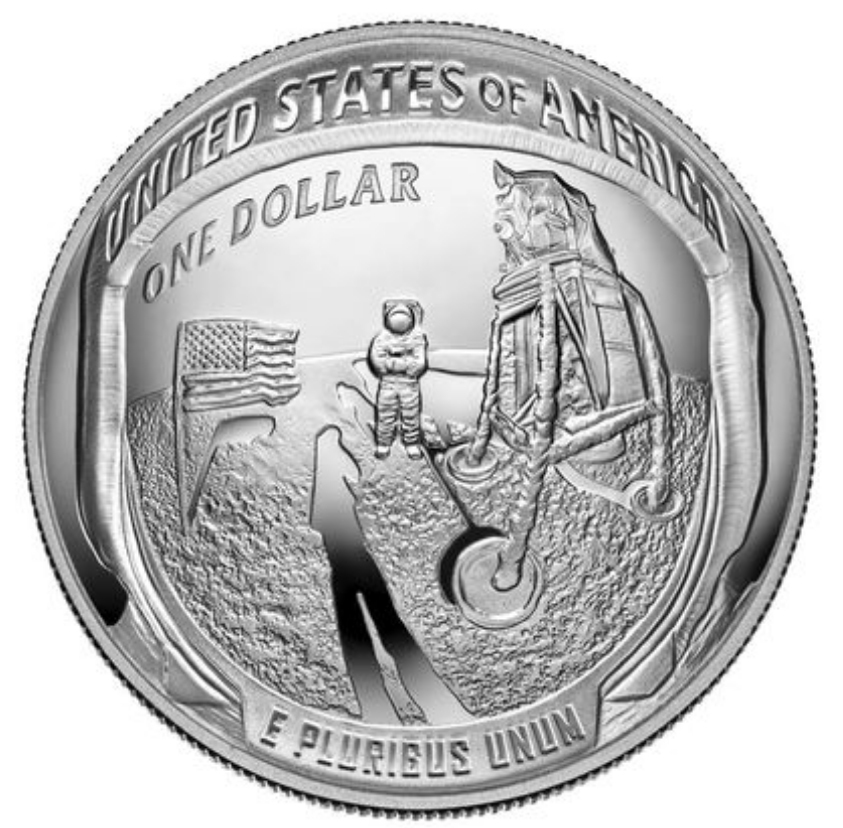
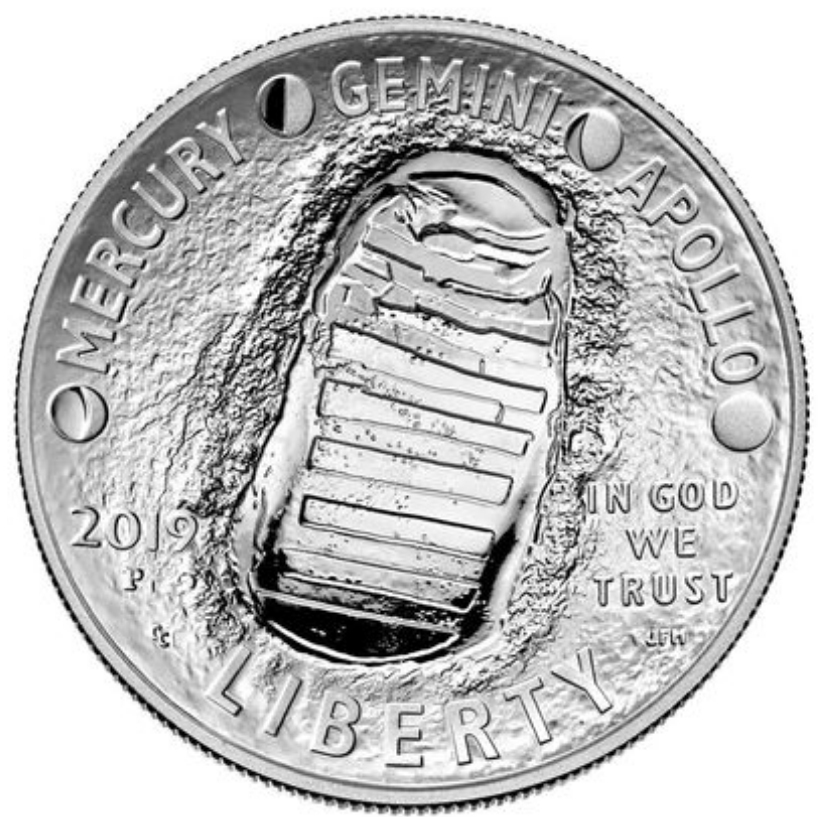
The silver dollar is curved and reproduces the helmet of astronaut Buzz Aldrin. Reflected in Buzz's visor are Neil Armstrong, the United States flag, and the lunar lander. The opposite side of the coin shows Neil's iconic footprint on the Moon. Included is a greeting card showing the coin in flight and a certificate of authenticity.
Far Out Gifts: Earth to Sky Store
All sales support hands-on STEM education
Realtime Noctilucent Cloud Photo Gallery
Free: Spaceweather.com Newsletter
Realtime Aurora Photo Gallery
Free: Spaceweather.com Newsletter