ONE CME JUST HIT EARTH... As predicted, a CME grazed Earth's magnetic field on Sept. 17th (0246 UT). Although its weak impact did not spark a full-fledged geomagnetic storm, the CME did create some auroras. Michele Sadauskas photographed the display from Glidden, Wisconsin:
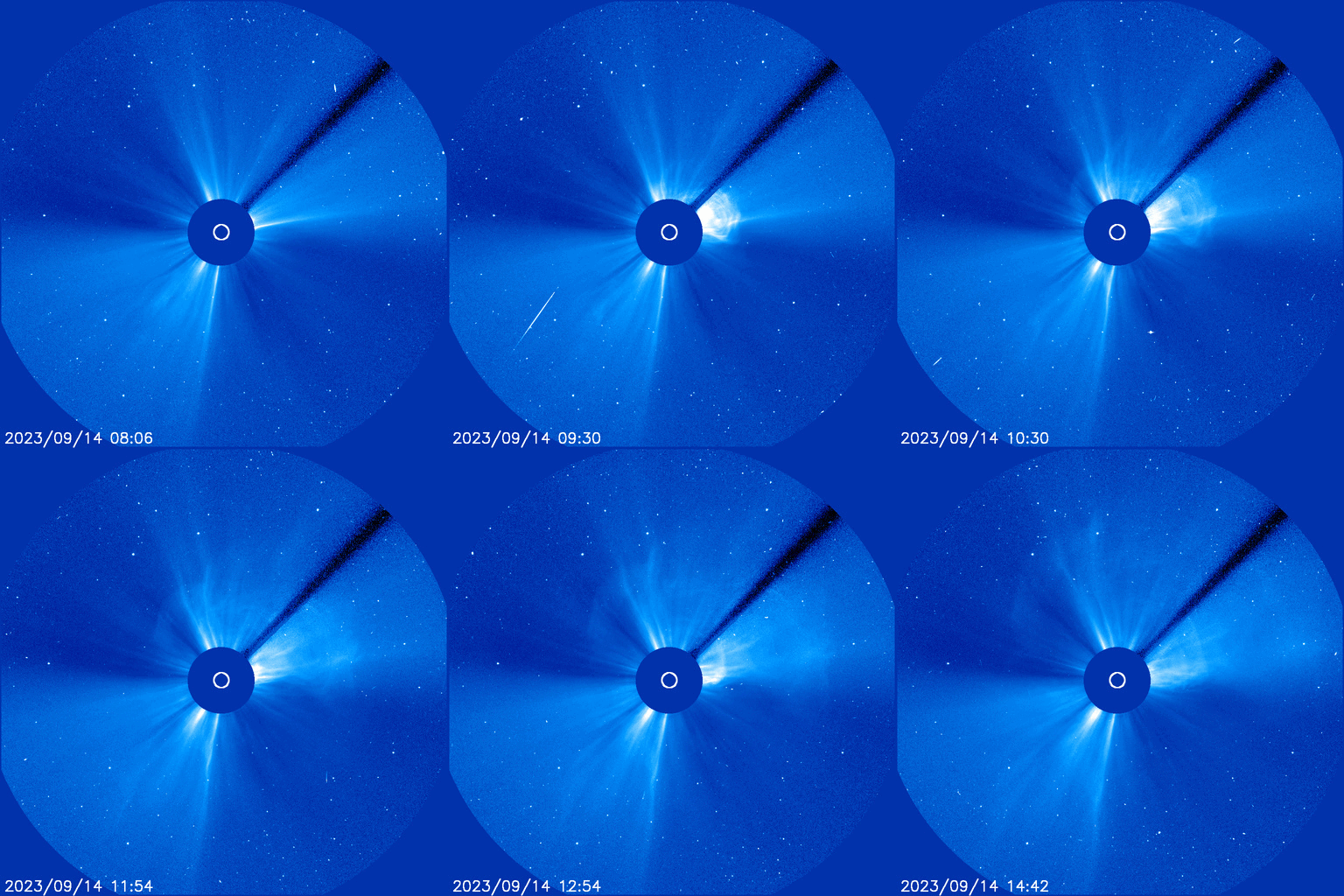
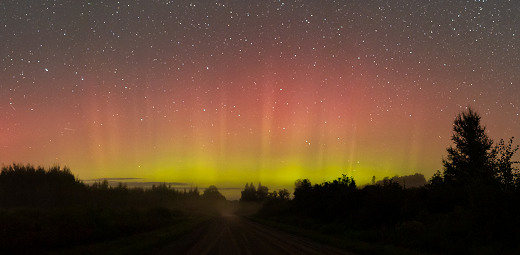
"I headed out as soon as I received a text alert that a CME was about to hit," says Sadauskas. "I was pleasantly suprised to see the auroras. This is a 5-image panorama shot on a Canon R, with a 35mm Sigma Art lens, at 6400 iso, f1.8, 8 seconds."
Make note of those photo settings. Another opportunity to shoot auroras is coming on Sept. 19th. See below. Aurora alerts: SMS Text
Realtime Aurora Photo Gallery
Free: Spaceweather.com Newsletter
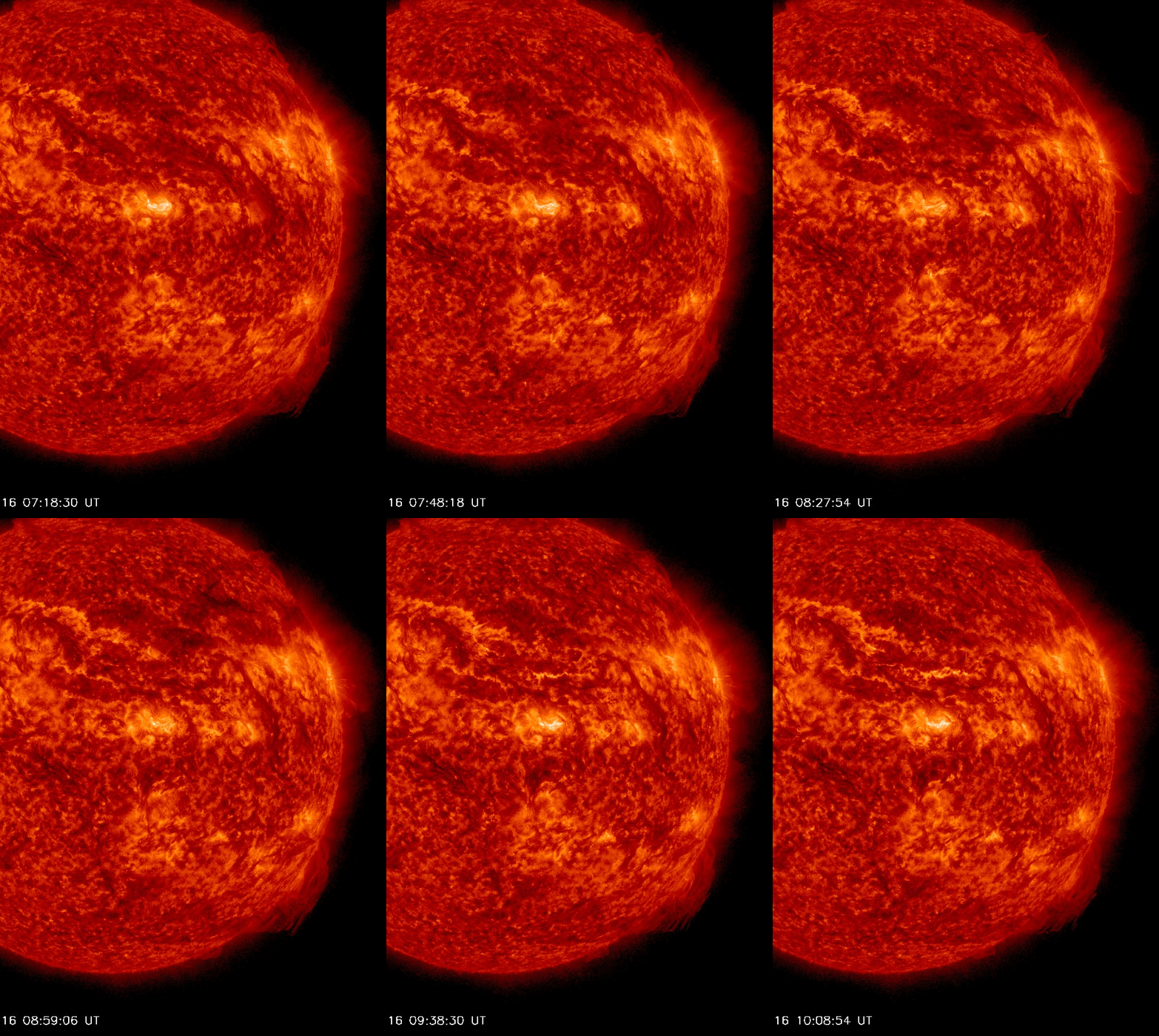
AND ANOTHER CME IS COMING: A huge magnetic filament erupted on Sept. 16th (movie), hurling a CME almost directly toward Earth:
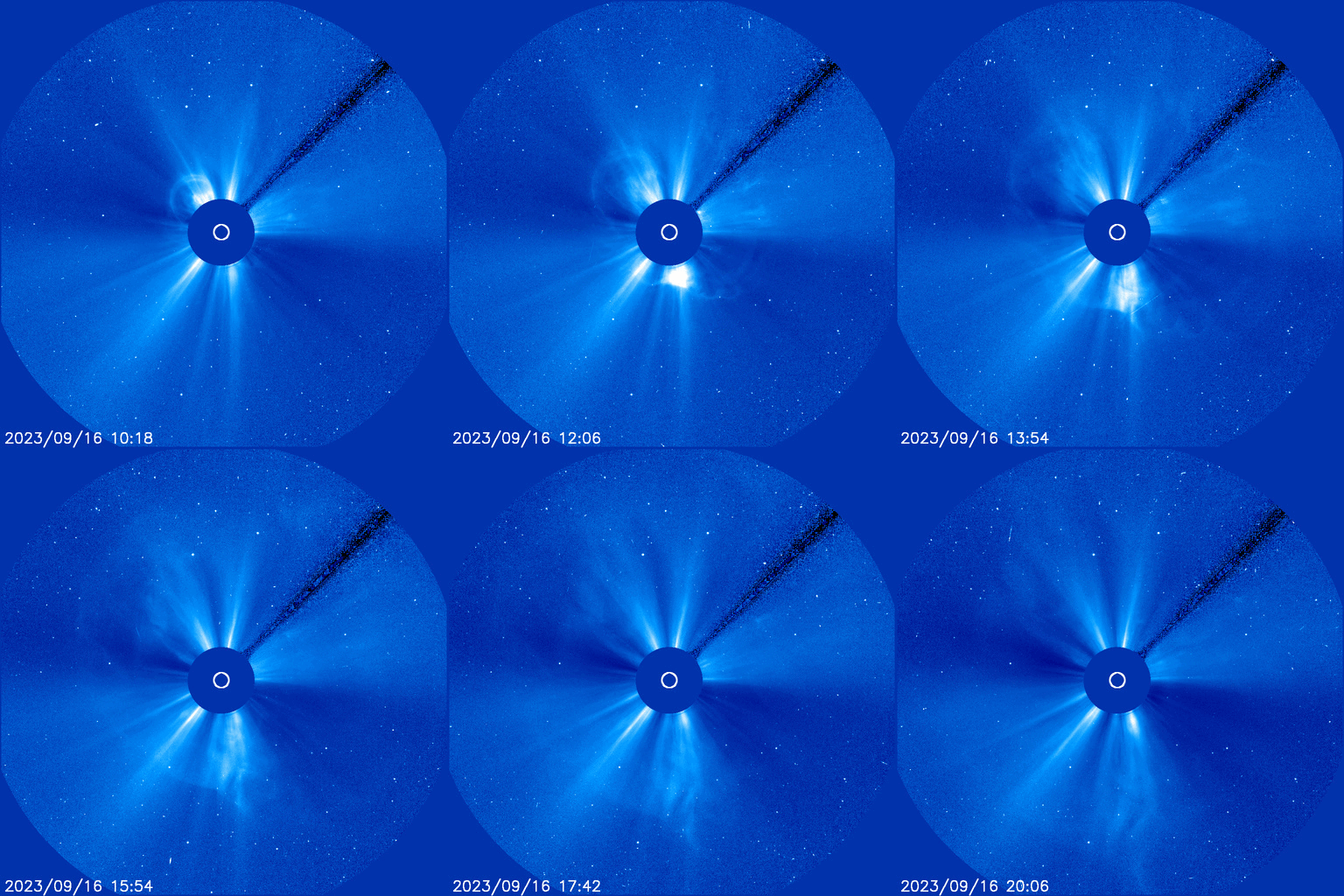
NOAA and NASA models agree that the CME should hit Earth's magnetic field on Sept. 19th. NOAA says early on the 19th, NASA says late, which gives a sense of the uncertainties in their respective forecasts.
The impact could spark G1 (Minor) to G2-class (Moderate) geomagnetic storms. During a similar G2 storm on Sept. 12th, auroras were photographed in multiple US states as far south as Colorado and Missouri. It could happen again this week. Aurora alerts: SMS Text


Realtime Space Weather Photo Gallery
Free: Spaceweather.com Newsletter
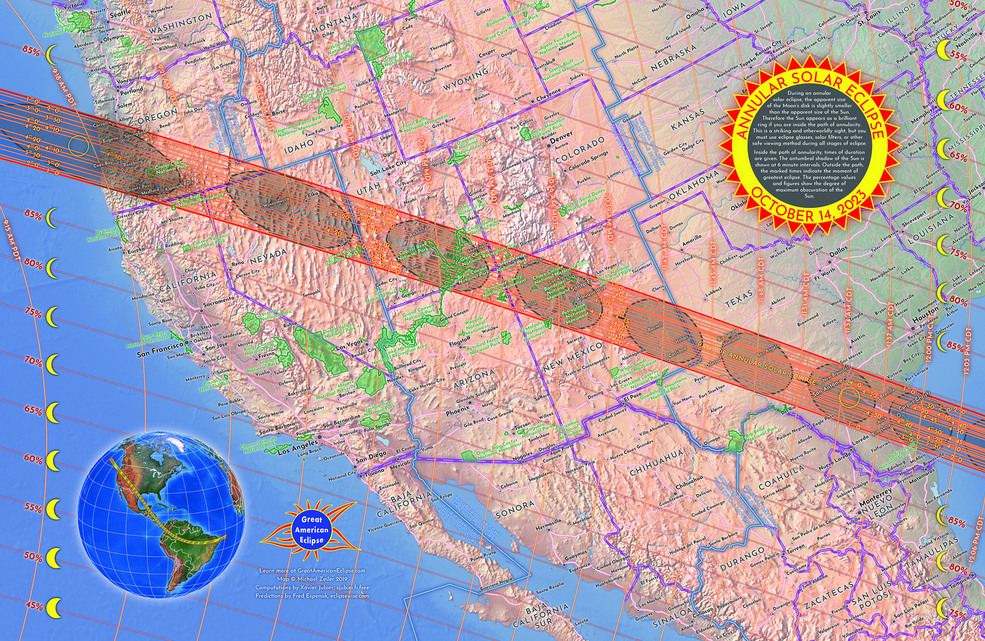
SOLAR ECLIPSE PENDANT: The students of Earth to Sky Calculus are about to try something never done before--to photograph the shadow of an annular solar eclipse from the stratosphere. On Oct. 14th, they'll launch a cosmic ray research balloon equipped with cameras to photograph the shadow zone of an eclipse over Nevada. You can support the flight by buying a Solar Eclipse Pendant:
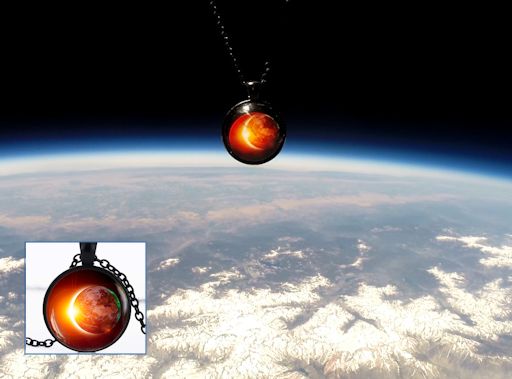
It's yours for $99.95. The students launched this pendant on July 17th. Floating at an altitude 105,000 feet above Earth’s surface, it made contact with space, experiencing temperatures as low as -63 C.
Buy the pendent now and for no additional charge we will fly it back to the stratosphere during the annular eclipse. Just make a note in the COMMENTS BOX of your shopping cart: "Fly my pendant again!"
Note: We have photographed the shadow of an eclipse before. Here's what the total eclipse of Aug. 21, 2017, looked like from the stratosphere over the Nebraska-Wyoming border:
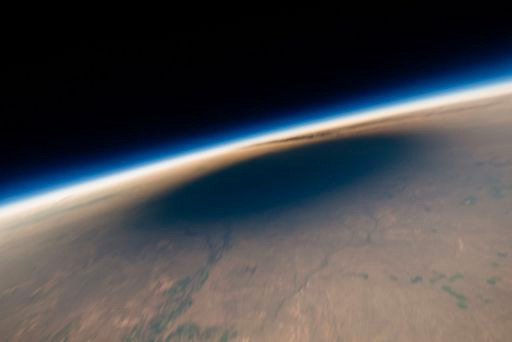
Total eclipses make deep black shadows, in this case blacking out more than 70 miles of terrain. What does the shadow of an *annular* eclipse look like? We hope to find out. It should be fuzzier around the edges, and not nearly as dark in the middle. An overview from the stratosphere could provide a unique picture.
Far Out Gifts: Earth to Sky Store
All sales support hands-on STEM education
Realtime Comet Photo Gallery
Free: Spaceweather.com Newsletter
Realtime Aurora Photo Gallery
Free: Spaceweather.com Newsletter