GEOMAGNETIC STORM WATCH (G1): Minor G1-class geomagnetic storms are likely on Oct. 30th when a solar wind stream is expected to hit Earth's magnetic field. The gaseous material is flowing from a double-lobed hole in the sun's atmosphere. Aurora alerts: SMS Text


FAST-MOVING CME: A coronal mass ejection (CME) just left the sun traveling 1558 km/s (3.5 million mph). It was slingshot from the sun's northeastern limb by an erupting filament of magnetism on Oct. 26th (2324 UT). SOHO coronagraphs photographed its departure:
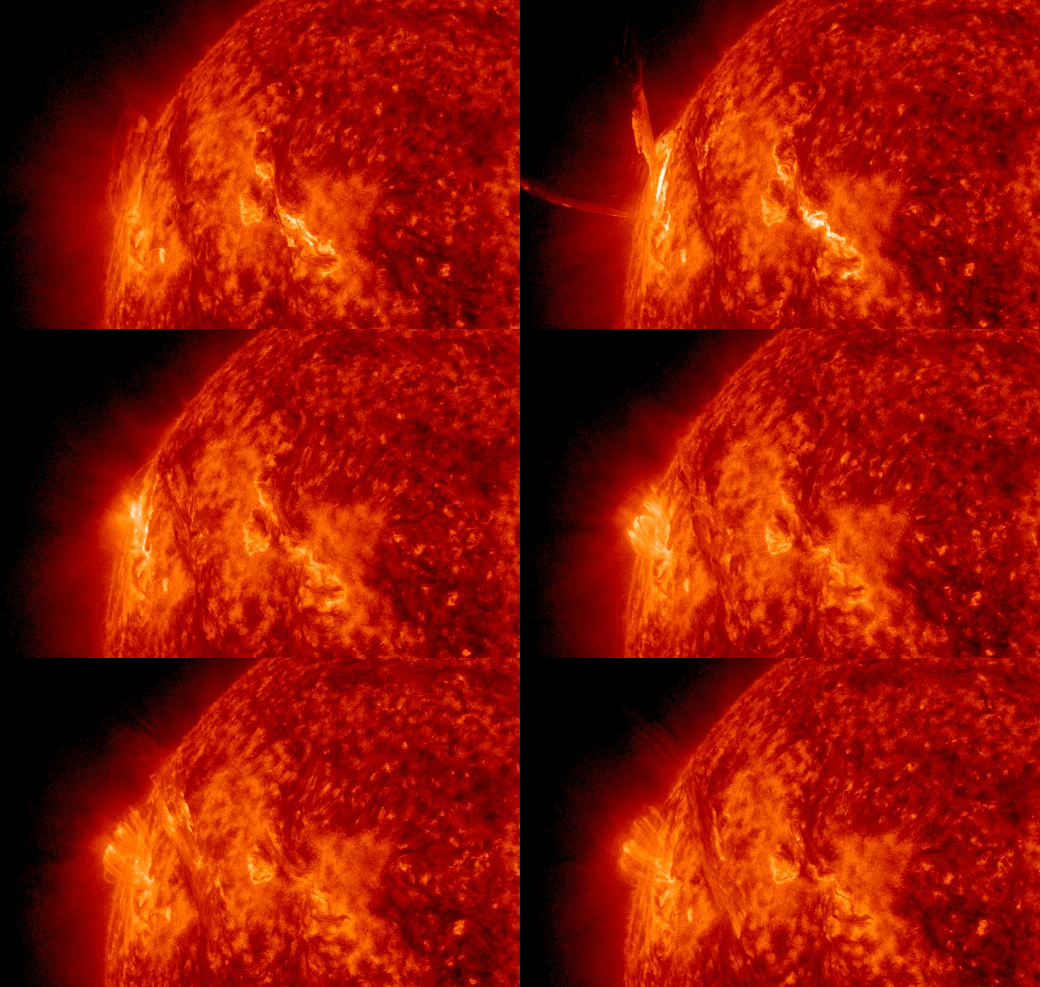
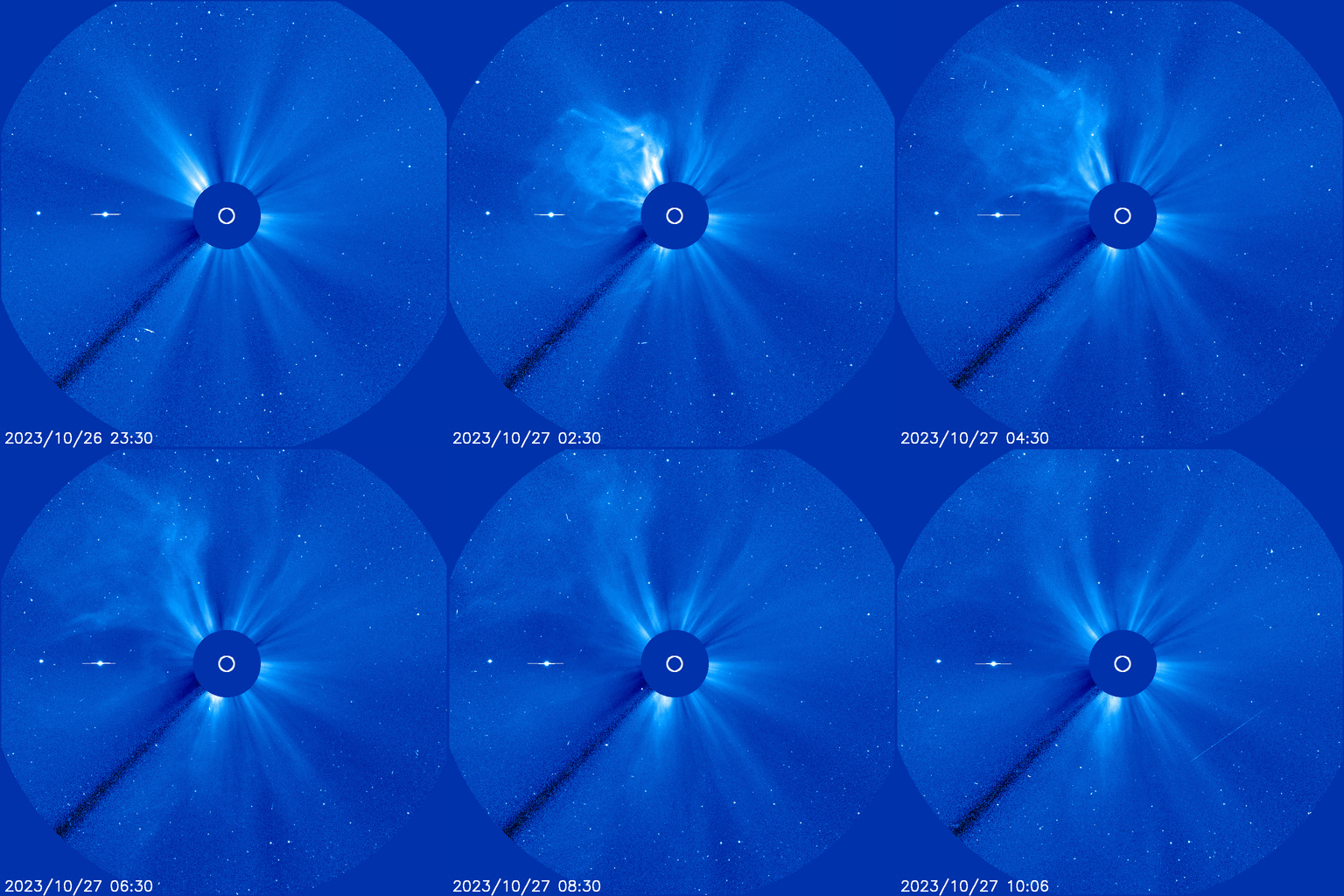
A NASA model of the CME suggests it will completely miss Earth. We're not so sure. This is a lopsided halo CME with a clear visual hint of an Earth-directed component. Although forecast models disagree, there may be a chance of a glancing blow on Oct. 30th. If the CME does strike, it would add its effect to that of an incoming solar wind stream due to arrive at about the same time. High-latitide sky watchers should be alert for auroras before Halloween. Aurora alerts: SMS Text
Realtime Space Weather Photo Gallery
Free: Spaceweather.com Newsletter
NOAA FORECASTS QUICKER, STRONGER SOLAR MAX: When Solar Cycle 25 began in 2020, leading forecasters thought it would be weak and slow to develop. Fast forward three years: NOAA is now predicting a quicker, stronger solar cycle. The revised forecast, published yesterday, shows Solar Max coming sometime between January and October 2024:

NOAA's original prediction for Solar Cycle 25 is shown in pink ( ), the broad band indicating the uncertainty of the forecast. It has become clear in recent years that the original prediction was too low, which prompted NOAA to issue a new one. The magenta line (
 ) traces the new forecast, and takes into account recent high sunspot counts.
Uncertainties in the new forecast are bounded by different shades of magenta. There is roughly a 25% chance that the smoothed sunspot number will fall within the dark-shaded region; a 50% chance it will fall in the medium-shaded region; and a 75% chance it will fall in the lightest of the shaded regions.
If this new forecast is correct, Solar Cycle 25 could land in the ballpark of Solar Cycle 23, which peaked in 2000-2001, and produced the famous Halloween Storms of 2003. However, the odds still favor Solar Cycle 25 being a bit weaker than Solar Cycle 23. Either way, next year's Solar Max could be potent.
NOAA plans to update this new forecast every month. Check out their Space Weather Prediction Testbed for the latest prediction.
Realtime Space Weather Photo Gallery
Free: Spaceweather.com Newsletter
HANDMADE ANNULAR SOLAR ECLIPSE PENDANT: This pendant has touched the shadow of the Moon. The students of Earth to Sky Calculus launched it to the stratosphere on Oct. 14, 2023, during the annular solar eclipse. The handmade pendant was 78,500 feet high when the Moon's shadow arrived and wrapped it in a cool twilight-like darkness:
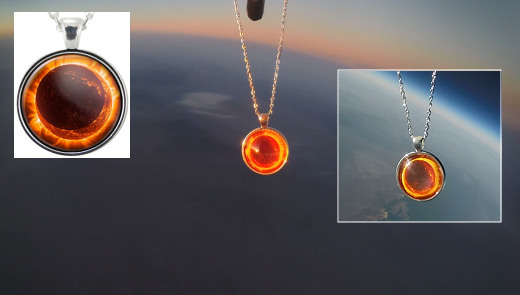
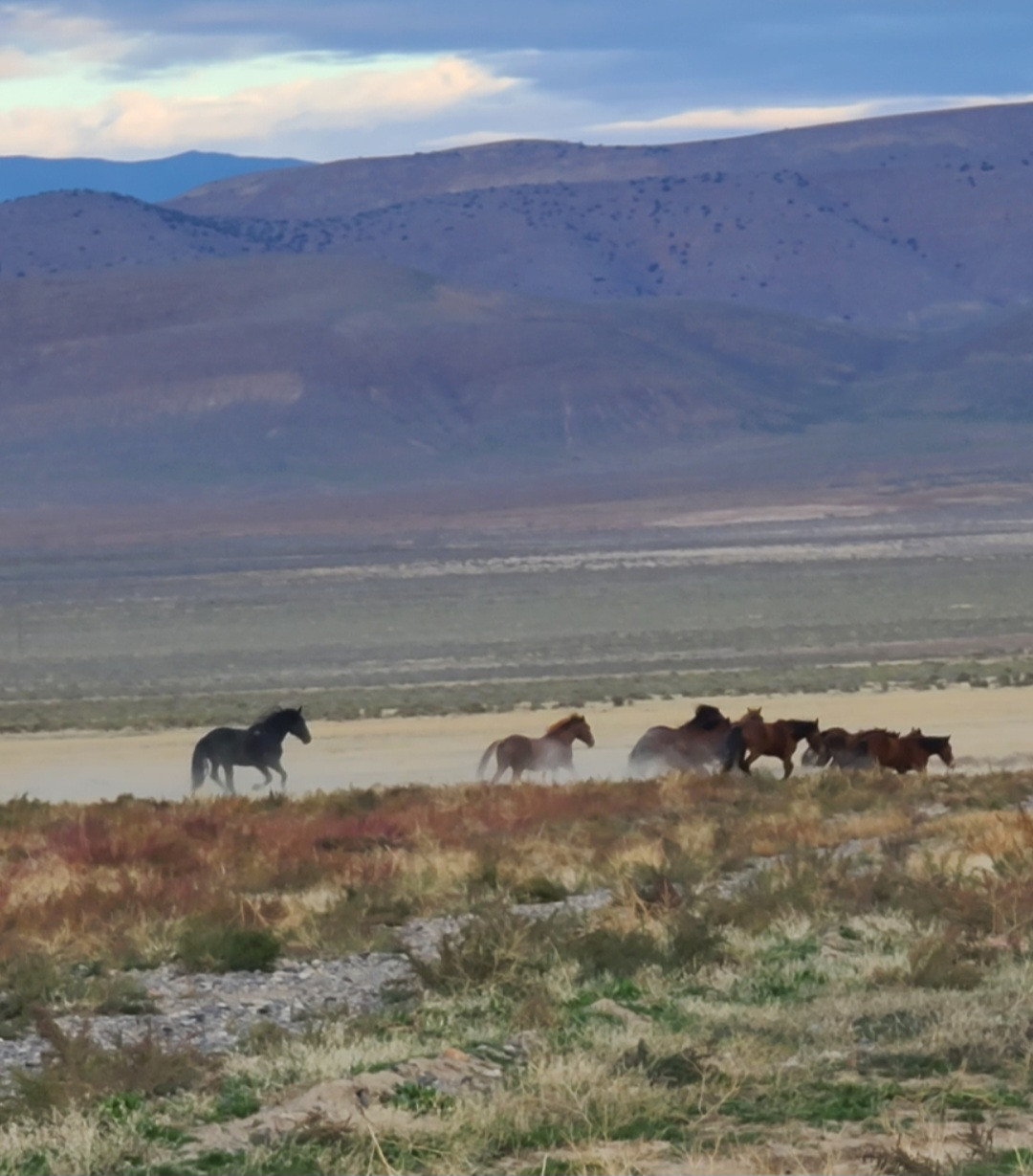
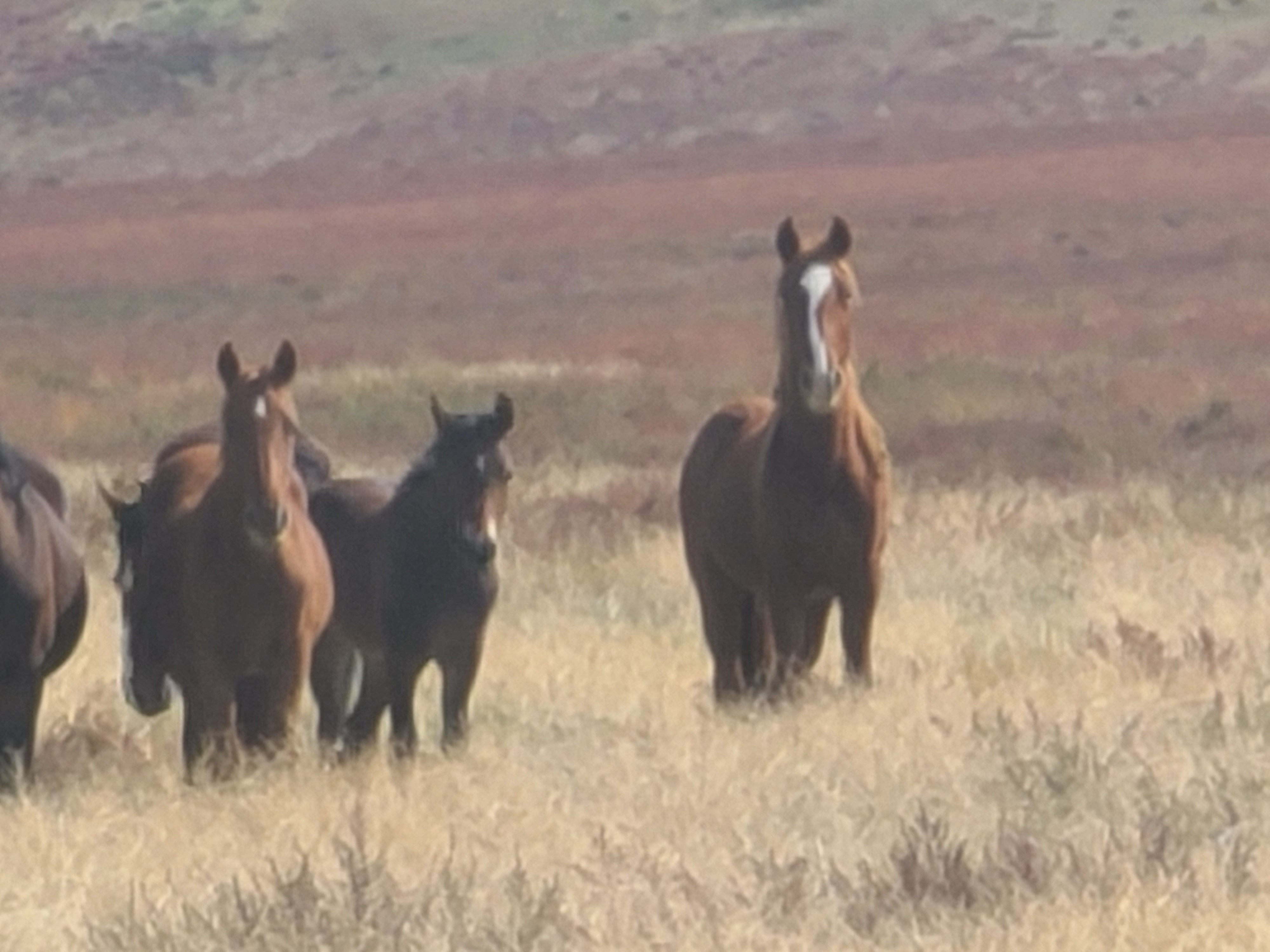
You can have it for $129.95. The pendant left Earth from Nevada's Valley of the Moon, a remote area filled with the scent of sage and herds of wild horses. Indeed, no fewer than three mustang families approached the launch team during the eclipse to see what was going on. It was a magical experience.
The students are selling space pendants to pay the helium bill for their cosmic ray ballooning program. Each one comes with a greeting card showing the jewelry in flight and telling the story of its trip to the stratosphere and back again.
Far Out Gifts: Earth to Sky Store
All sales support hands-on STEM education
Realtime Aurora Photo Gallery
Free: Spaceweather.com Newsletter
Realtime Comet Photo Gallery
Free: Spaceweather.com Newsletter