MINOR GEOMAGNETIC STORMS TODAY: Intermittent G1-class geomagnetic storms are underway on Oct. 29th in response to the arrival of a co-rotating interaction region (CIR). CIRs are transition zones between fast- and slow-moving streams of solar wind. They contain shock waves that act like mini-CMEs, sparking geomagnetic storms and auroras at high latitudes. Aurora alerts: SMS Text

MERCURY-MARS CONJUNCTION (UPDATED): Mercury and Mars are in conjunction today, only 20 arcminutes apart. The action is happening too close to the sun to see with the human eye, but coronagraphs on the Solar and Heliospheric Observatory (SOHO) are getting a great view of the bright planets:

If this were happening in a dark night sky, it would be headline news for sky watchers. Instead, only SOHO can see the conjunction using an opaque disk to eclipse the sun's overwhelming glare.
In a few months, it will be headline news. Mars and Mercury will loop around the sun for another even closer conjunction on January 27, 2024. During the event, the planets will be only 12 arcminutes apart--almost as close as Jupiter and Saturn were during the Great Conjunction of 2020. Both planets will be visible to the naked eye in the morning sky just before sunrise. Stay tuned.
Realtime Space Weather Photo Gallery
Free: Spaceweather.com Newsletter
PARTIAL LUNAR ECLIPSE: Last night's full Moon was missing something: 6% of its illuminated area. The Moon experienced a partial lunar eclipse visible from almost everywhere except North America. Ivar Hamberg photographed the event from Nice, France:

"I caught an airplane streaking across the partially eclipsed moon--a lucky shot!" says Hamberg. "Although Earth's shadow covered only a small fraction of the Moon, the eclipse was clearly seen with the unaided eye and was a beautiful sight."
Realtime Lunar Eclipse Photo Gallery
Free: Spaceweather.com Newsletter
HANDMADE ANNULAR SOLAR ECLIPSE PENDANT: This pendant has touched the shadow of the Moon. The students of Earth to Sky Calculus launched it to the stratosphere on Oct. 14, 2023, during the annular solar eclipse. The handmade pendant was 78,500 feet high when the Moon's shadow arrived and wrapped it in a cool twilight-like darkness:
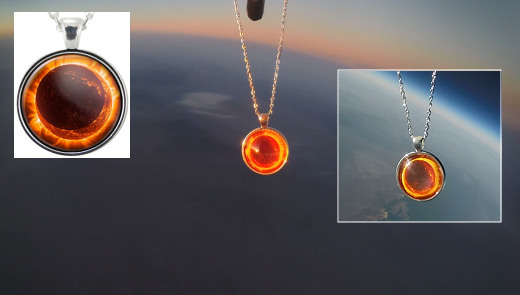
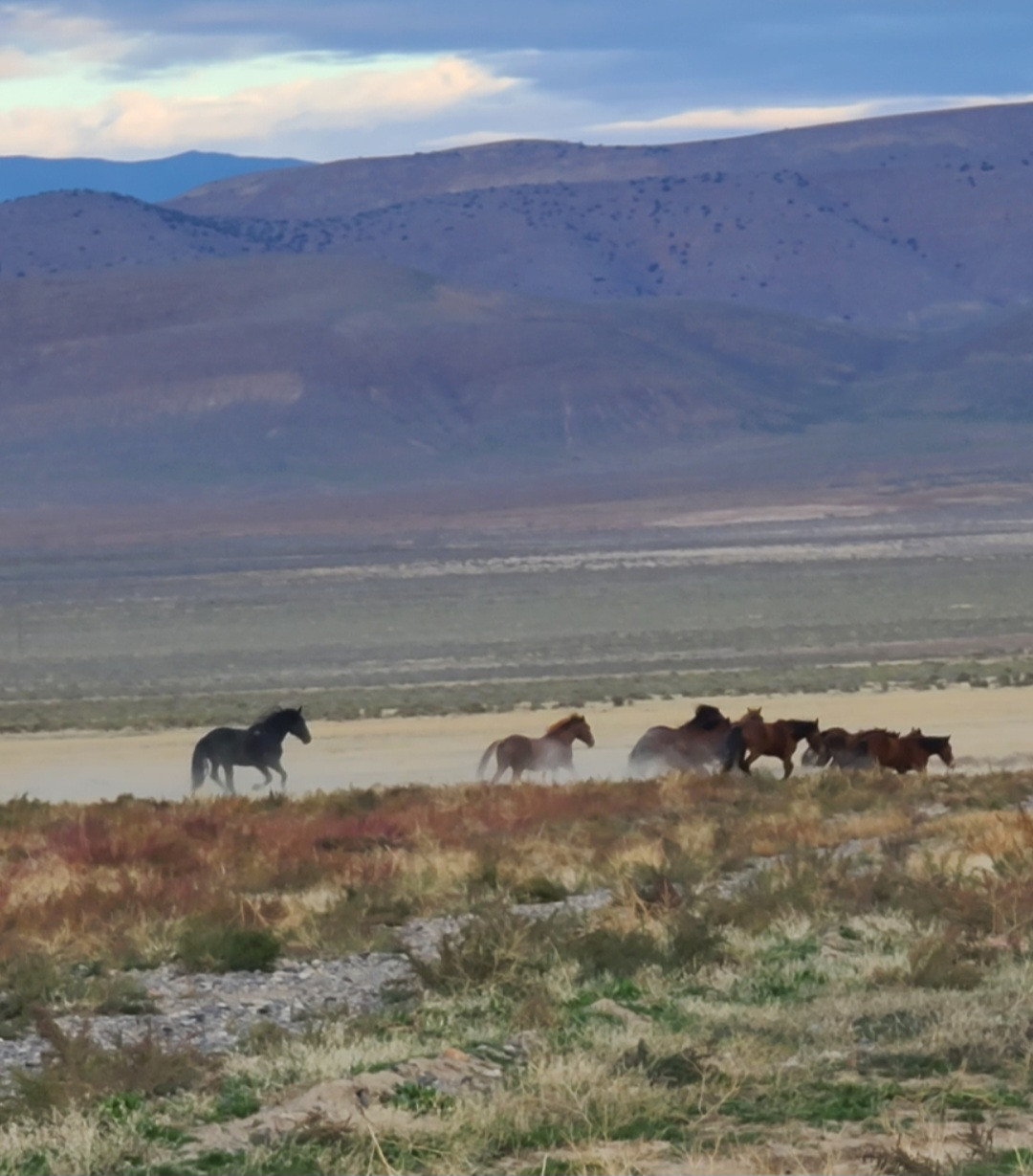
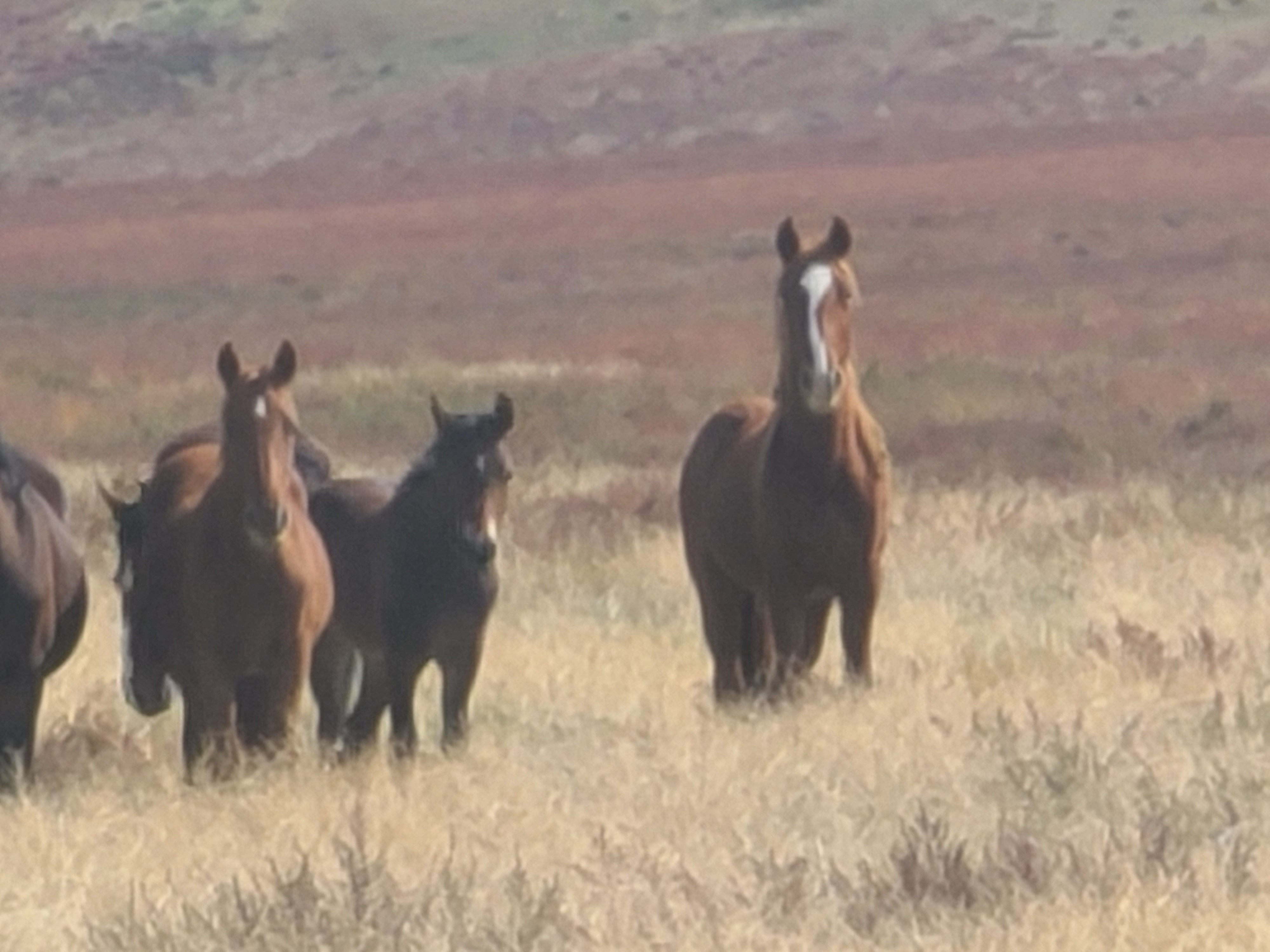
You can have it for $129.95. The pendant left Earth from Nevada's Valley of the Moon, a remote area filled with the scent of sage and herds of wild horses. Indeed, no fewer than three mustang families approached the launch team during the eclipse to see what was going on. It was a magical experience.
The students are selling space pendants to pay the helium bill for their cosmic ray ballooning program. Each one comes with a greeting card showing the jewelry in flight and telling the story of its trip to the stratosphere and back again.
Far Out Gifts: Earth to Sky Store
All sales support hands-on STEM education
Realtime Aurora Photo Gallery
Free: Spaceweather.com Newsletter
Realtime Comet Photo Gallery
Free: Spaceweather.com Newsletter