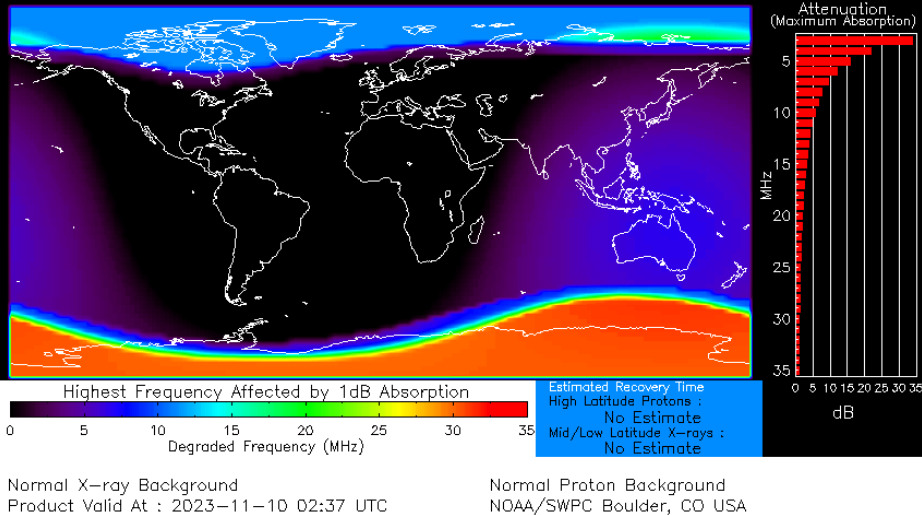
POLAR CAP ABSORPTION EVENT: A minor polar cap absorption event is underway on Nov. 10th as a result of energetic protons accelerated toward our planet by yesterday's halo CME (see below). This means shortwave radio transmissions inside the Arctic and Antarctic Circles may be absorbed due to extra ionization in Earth's upper atmosphere: map.
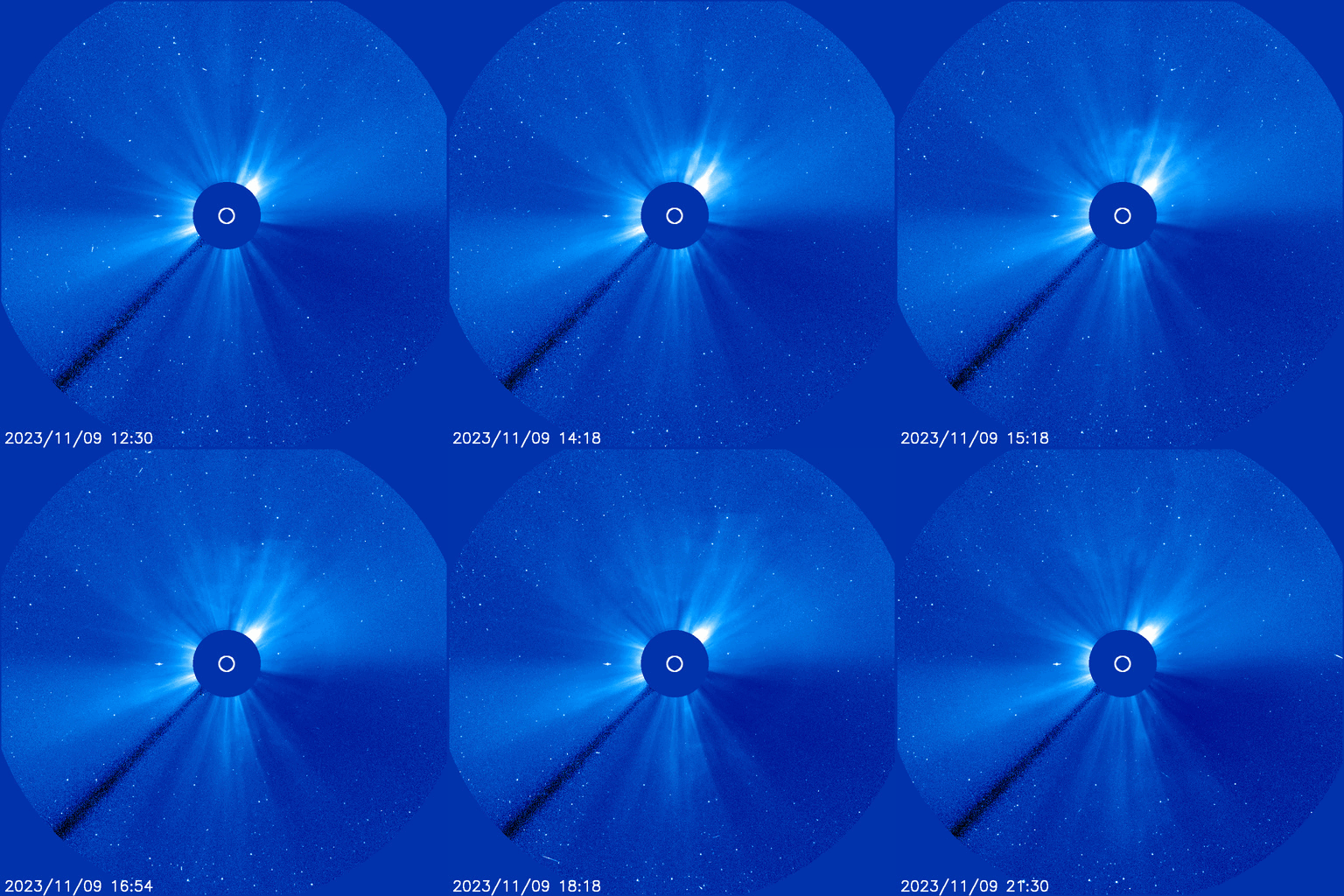
GEOMAGNETIC STORM WATCH (G2): Another CME is heading for Earth. Coronagraphs onboard the Solar and Heliospheric Observatory (SOHO) saw it leaving the sun on Nov. 9th:
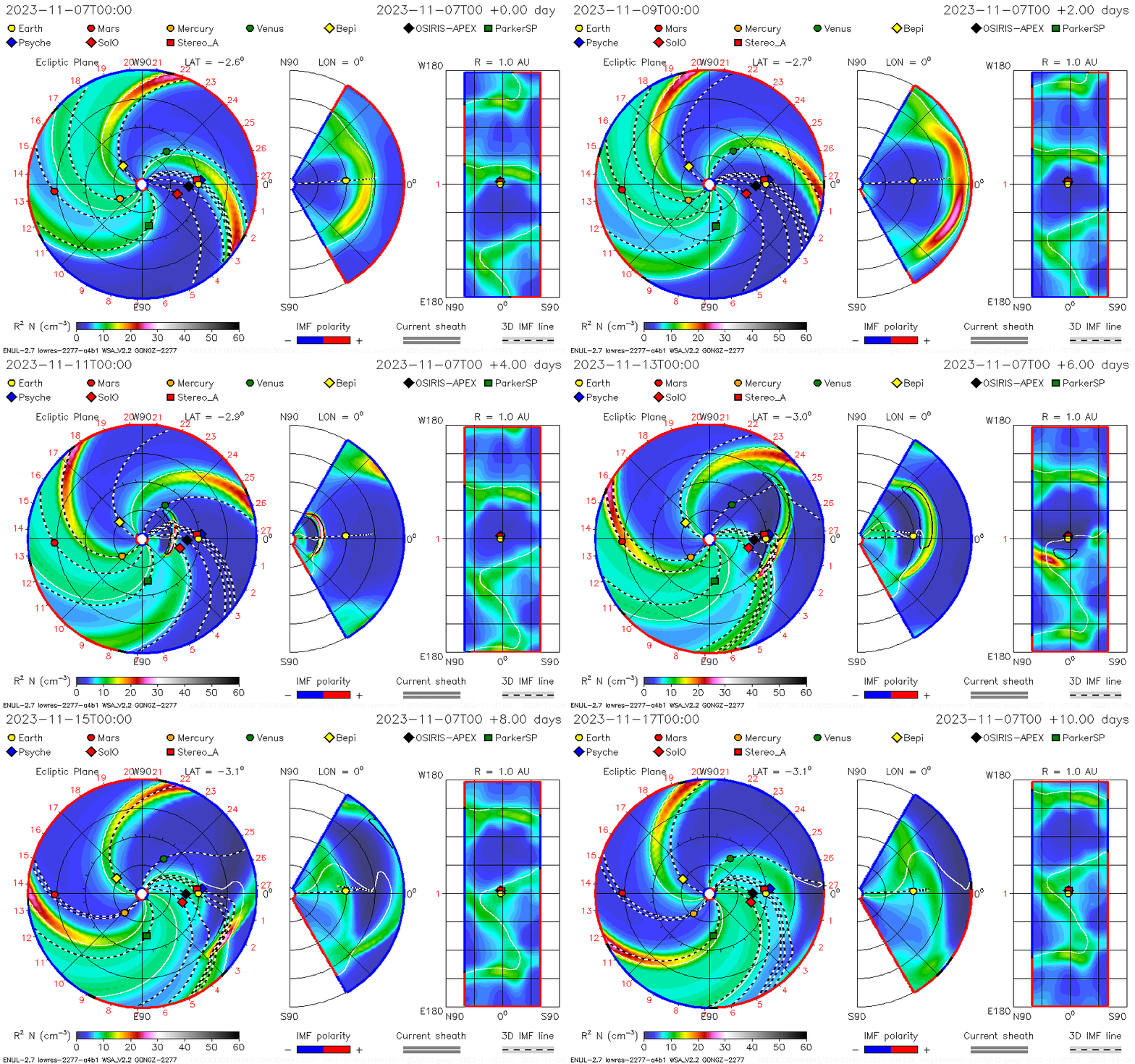
Estimated time of arrival: Nov. 11th. NOAA and NASA models agree that the cloud will strike on Saturday around 1800 UT. Its impact could spark a G2-class geomagnetic storm--not quite as strong as the G3-class event of Nov. 5th, but still enough to produce auroras in northern-tier US states from New York to Washington.


Would you like an instant text message when the CME arrives? Sign up for our Space Weather Alert Service. You won't have to worry about missing the storm.
Realtime Aurora Photo Gallery
Free: Spaceweather.com Newsletter
LUNAR OCCULTATION OF VENUS: Venus and the Moon just had a beautiful close encounter. Yesterday morning in Europe, sky watchers witnessed a lunar occultation of the second planet. At the Institute of Space Science in Romania, astronomer Maximilian Teodorescu used an ultraviolet filter to take this composite picture of Venus disappearing behind the Moon's limb:
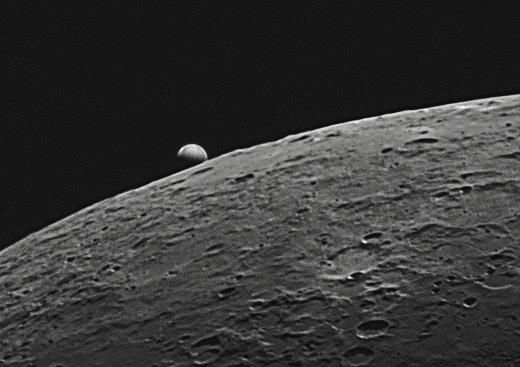
Teodorescu used a Baader UV filter hoping to catch some photogenic structure in Venus's cloudtops. In doing so, he photographed a mystery.
Seen through an ordinary backyard telescope, Venus seems bland, a featureless, cloud-covered orb about as interesting as a billiard ball. But if that same telescope is fitted with an ultraviolet filter, Venus' clouds transform themselves into a tiger's coat of fast-moving dark bands.
The bands are the mystery. Some unknown substance within them strongly absorbs UV light, accounting for almost half of the solar energy trapped by Venus. Whatever is in there, it plays a big role in maintaining Venus' hellish climate; the average temperature on the surface is about 460° Celsius.
Astronomers have been studying the bands since Mariner 10 spotted them in the 1970s, but half-a-century later no one knows the identity of the "UV absorbers." Candidates range from gaseous chlorine and sulfur compounds to alien life using UV radiation as a source of energy.
Whatever they are, the bands are undeniably pretty. "I believe they add a bit of depth to the view--something similar to the famous Apollo images of Earthrise from behind the Moon," says Teodorescu.
More pictures of the occultation may be found in the Realtime Venus Photo Gallery.
Realtime Space Weather Photo Gallery
Free: Spaceweather.com Newsletter
VOYAGER GOLDEN RECORD CHRISTMAS ORNAMENT: This is a must-have Christmas ornament for space fans: The Voyager Golden Record. On Oct. 31, 2023, the students of Earth to Sky Calculus launched it to the stratosphere onboard a cosmic ray research balloon:
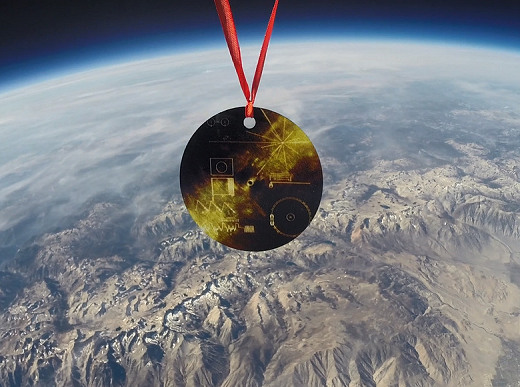
You can have it for $99.95. The 3-inch aluminum disk is imprinted with instructions intended for extraterrestrials, telling them how to play the phonographs now sailing through interstellar space onboard NASA's Voyager probes. Having touched the edge of space, it's the closest thing on Earth to an actual Golden Record.
The students are selling these unique ornaments to support their cosmic ray ballooning program. Each one comes with a greeting card showing the ornament in flight and extra materials decoding the markings on the disk.
Far Out Gifts: Earth to Sky Store
All sales support hands-on STEM education
Realtime Aurora Photo Gallery
Free: Spaceweather.com Newsletter
Realtime Comet Photo Gallery
Free: Spaceweather.com Newsletter