A SHARP INCREASE IN SOLAR ACTIVITY: Over the past week, sunspot numbers have increased almost 10-fold with dozens of dark cores now present on the solar disk. It is no surprise that solar activity has sharply increased as well. Just today multiple overlapping CMEs have billowed away from the sun:
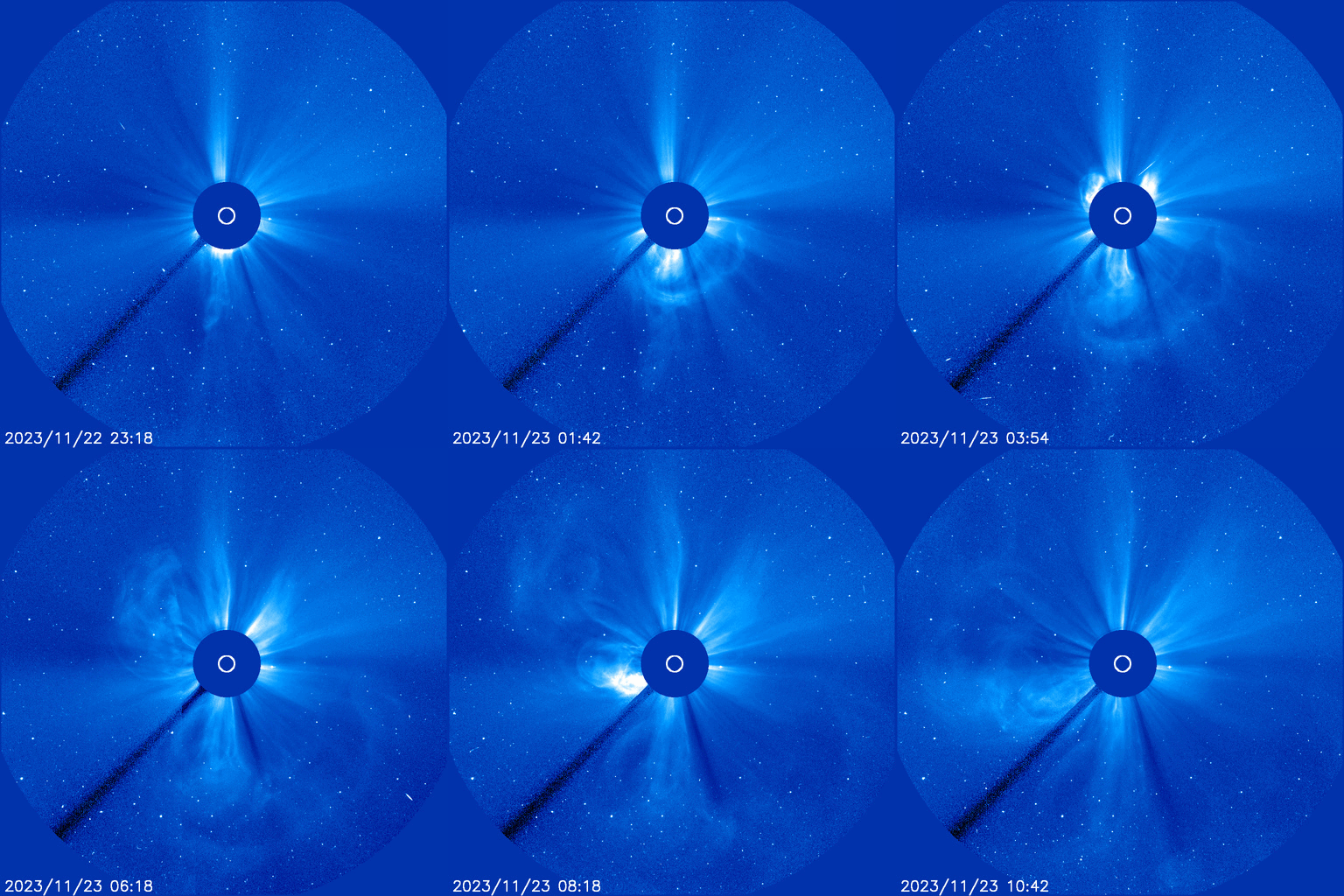
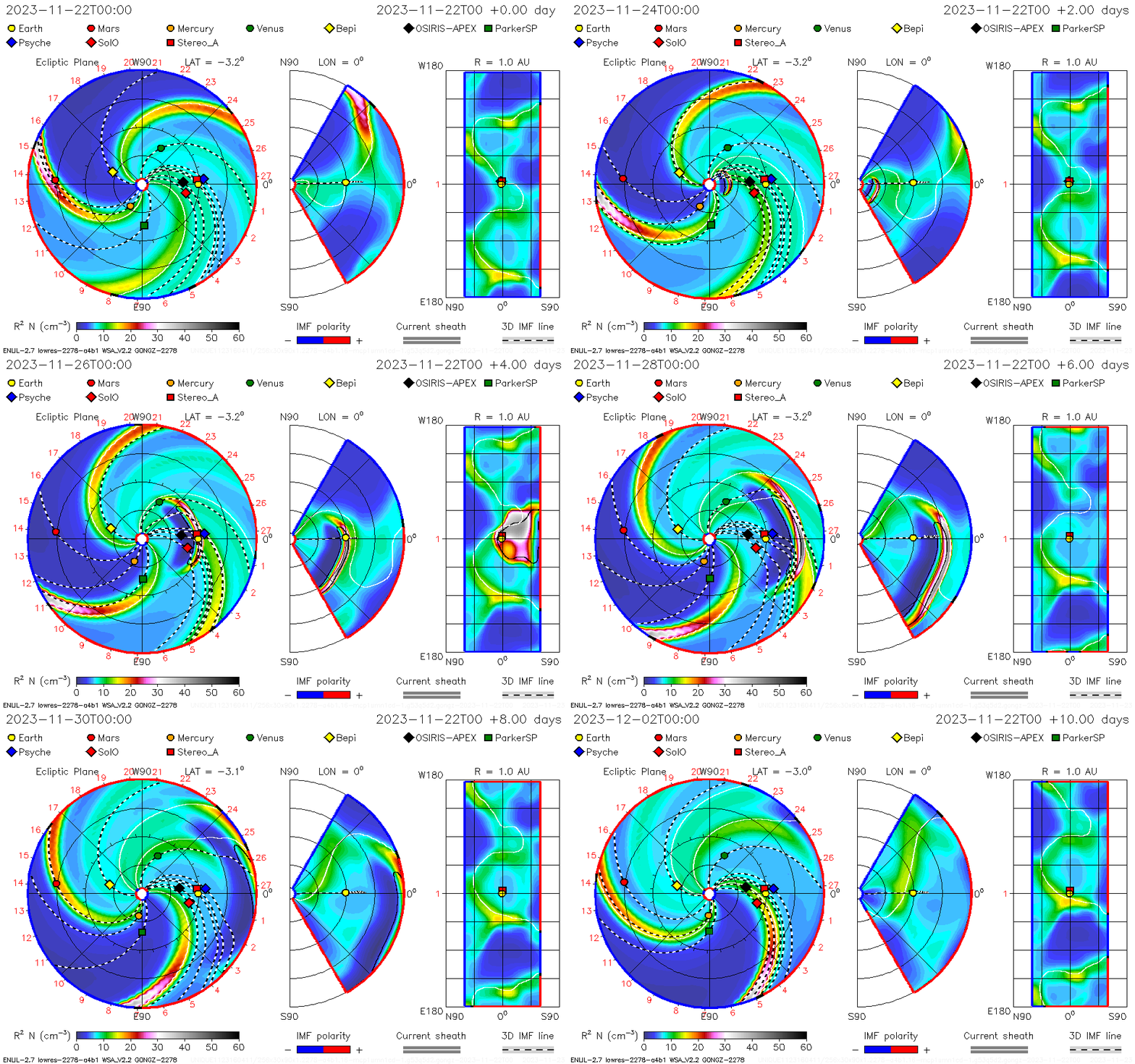
Analysts will have to spend some time unraveling these clouds to determine their trajectories. However, a NASA model already suggests one may be heading for Earth. The first, bright southerly CME shown in the movie above could hit our planet's magnetic field during the late hours of Nov. 25th. Stay tuned for updates. CME alerts: SMS Text
THIS ASTEROID IS HEADING FOR BETELGEUSE: Astronomers are excited. On Dec. 12th, dark asteroid 319 Leona will pass directly in front of Betelgeuse, allowing observers to make a crude map of the giant star's surface. Bill Williams of the Chiefland Astro Village in Florida is monitoring the asteroid's approach:
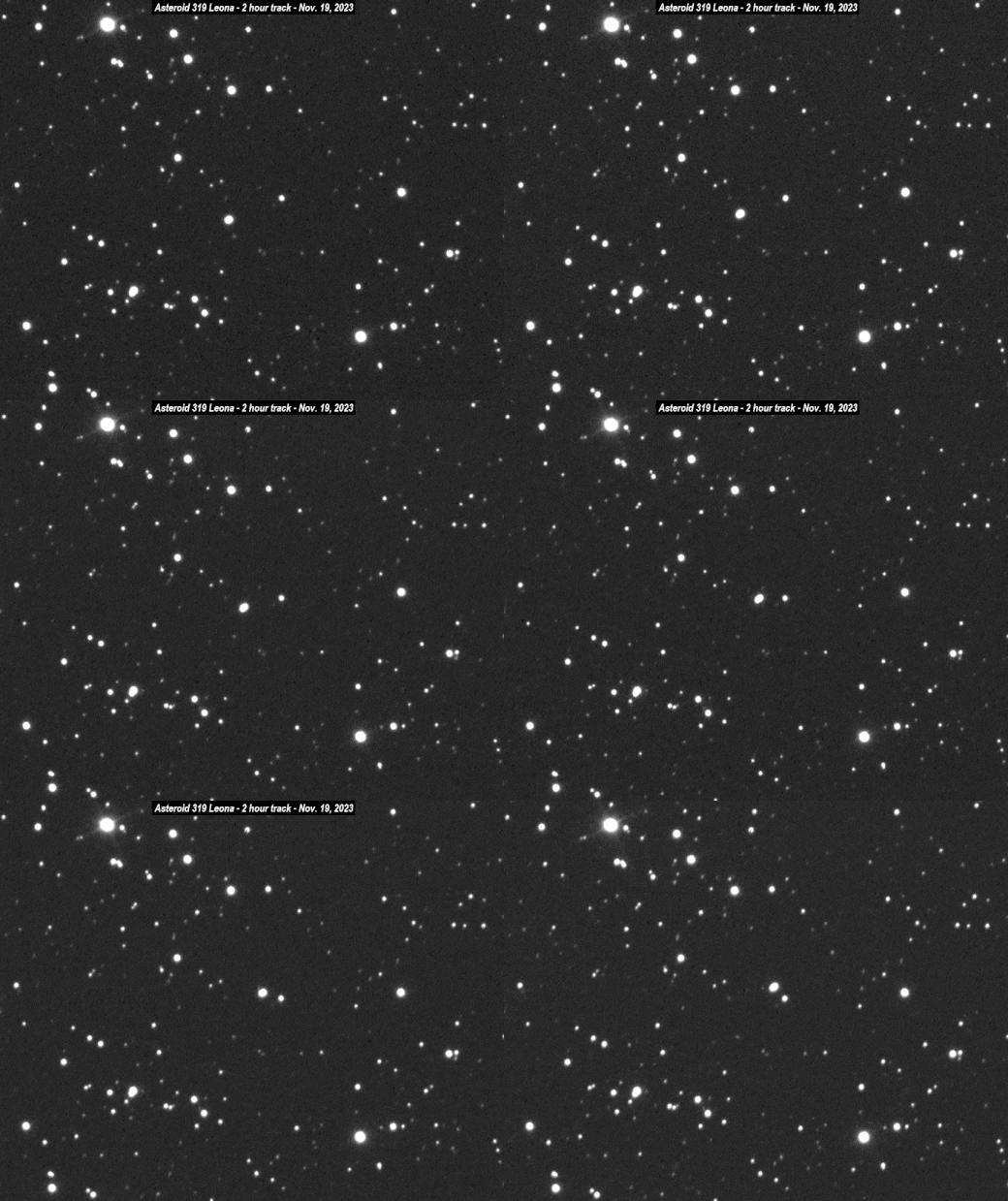
"This 2-hour gif animation shows 319 Leona en route to Betelgeuse on Sunday morning, Nov. 19th," says Williams. "At first I was was shocked at the paltry sky motion of the asteroid, covering only 37 arcseconds in 2 hours, which is way too slow to make it to Betelgeuse 3.5 degrees away by Dec. 12th!"
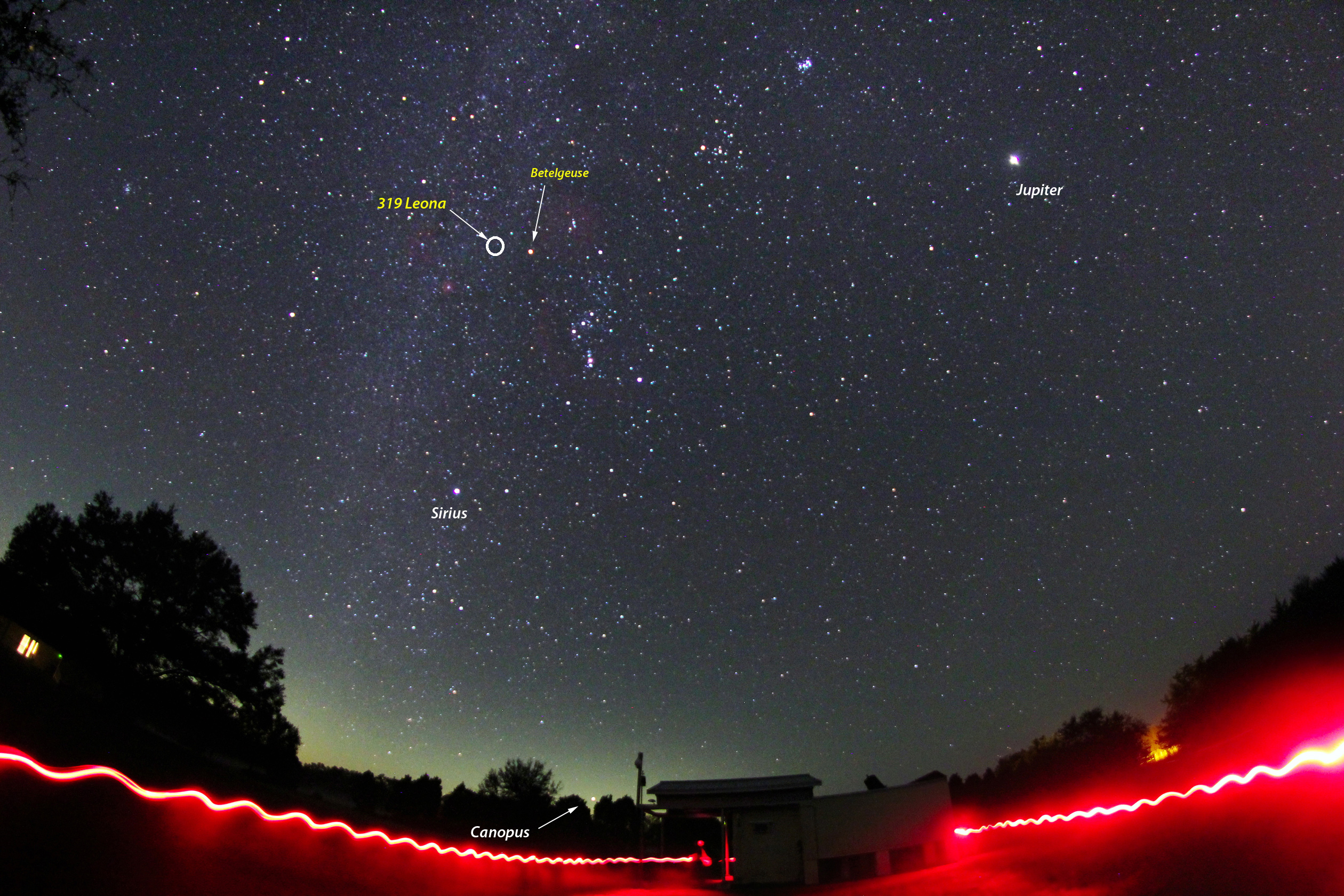
"Not to worry," he says. "I double-checked the IAU Minor Planet and Comet Ephemeris for 319 Leona and found a marked acceleration across the sky in the next several weeks."
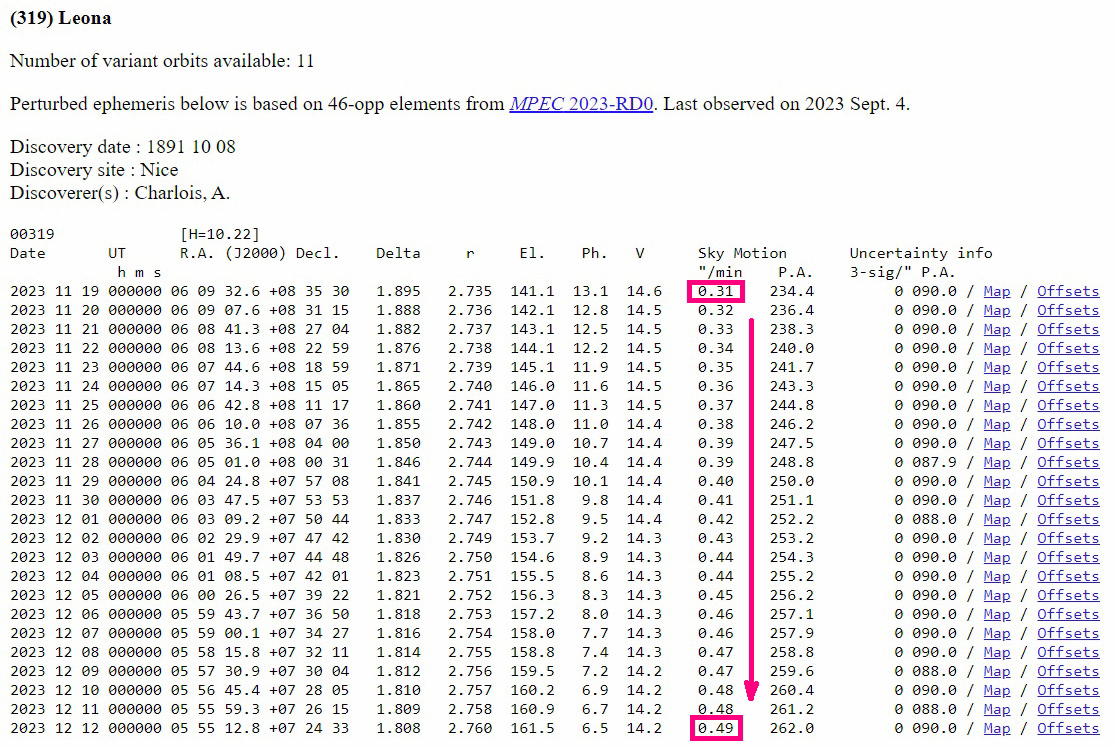
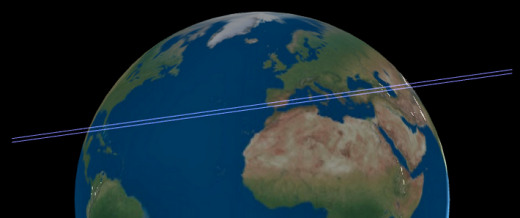
So the occultation will definitely happen. The question is, who can observe it? If predictions are correct, Betelgeuse will disappear only inside a narrow corridor stretching from central Asia and southern Europe to Mexico and Florida. That means Williams may be able to see the occultation in the same state as his backyard observatory.
By revealing the shape and surface brightness of Betelgeuse, data from the occultation may help theorists better predict when the famously unstable star will finally explode. Get observing tips from Sky&Telescope.
more resources: 319 Leona ephemeris;
Realtime Space Weather Photo Gallery
Free: Spaceweather.com Newsletter
BLACK FRIDAY AT THE EDGE OF SPACE: Christmas is coming. Are you looking for a far-out gift? Check out the Earth to Sky Store. It's filled with unique items that have flown to the edge of space onboard cosmic ray research balloons.

Carried aloft by giant helium balloons, these unique gifts have flown above 99.7% of Earth's atmosphere, experiencing space-like blasts of cosmic rays, extreme cold, and a wild ride parachuting back to Earth after the balloon explodes. Even Amazon doesn't carry items this far out.
Don't forget to enter coupon code "SPACEPEARL" at checkout for a 15% Black Friday discount.
Far Out Gifts: Earth to Sky Store
All sales support hands-on STEM education
Realtime Comet Photo Gallery
Free: Spaceweather.com Newsletter
Realtime Aurora Photo Gallery
Free: Spaceweather.com Newsletter