A GEOMAGNETIC STORM IS UNDERWAY: The big CME hasn't reached Earth, but a geomagnetic storm is already underway. Equinox cracks in Earth's magnetic field have allowed solar wind to penetrate, igniting G1 to G2-class storms on March 23rd. Aurora alerts: SMS Text.


A BIG CME IS COMING: This morning's X1-class solar flare hurled a bright CME toward Earth. NASA and NOAA models agree that the storm cloud should reach our planet by the early hours of March 25th. A direct hit could spark strong G3-class geomagnetic storms with mid-latitude auroras in the USA and Europe.
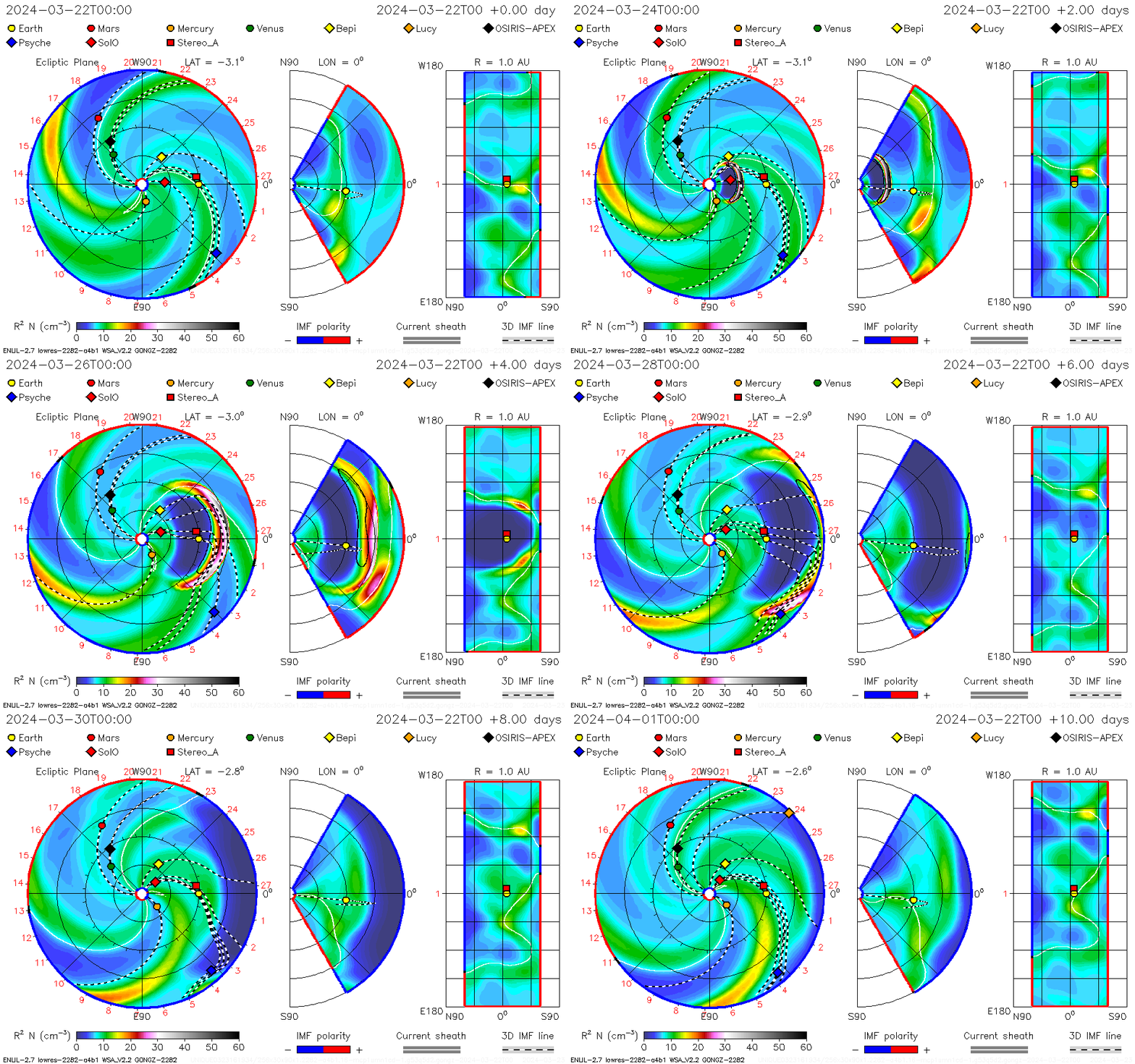

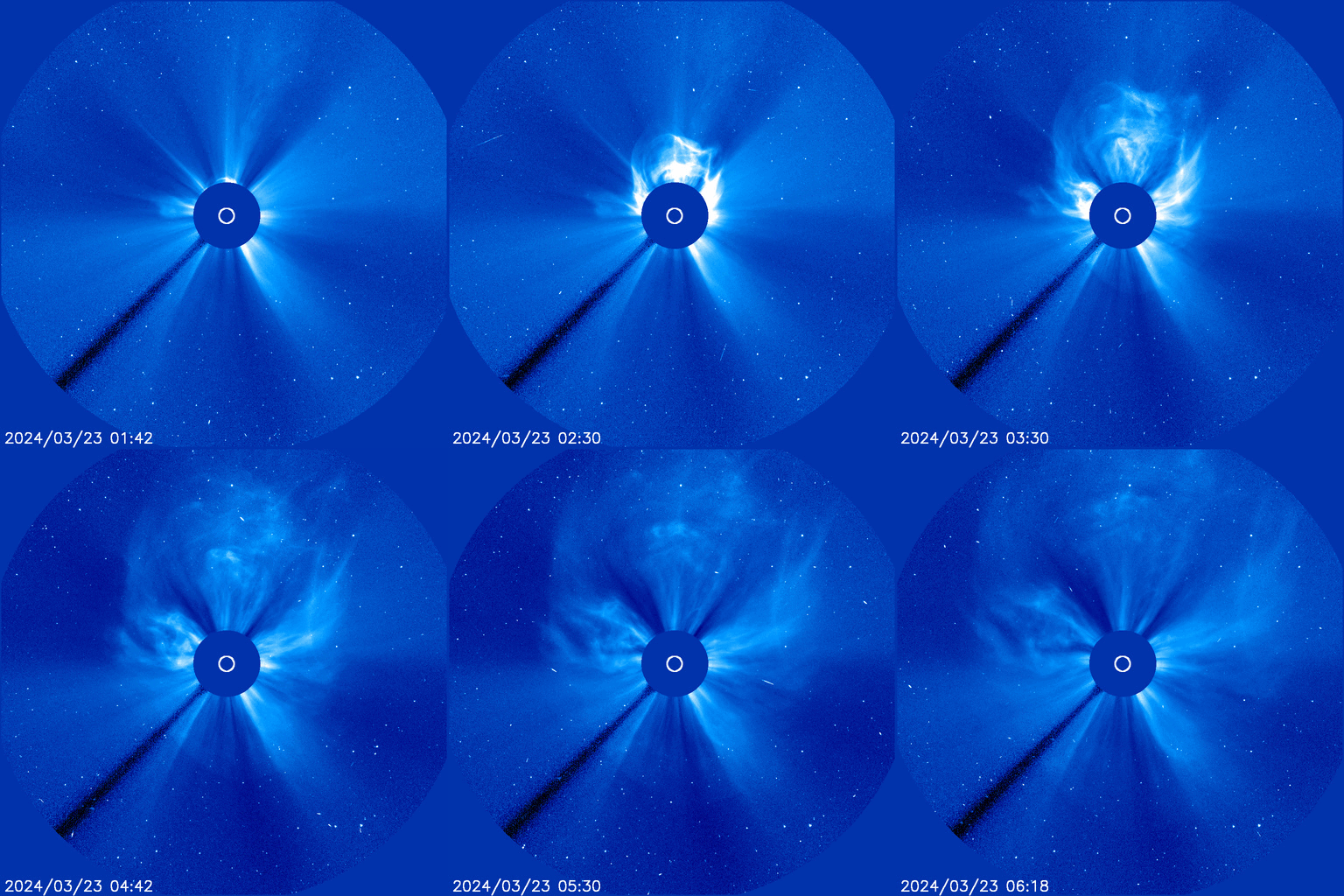
SOHO coronagraphs captured this halo CME heading for Earth on March 23, 2024
Would you like a text message when the CME arrives? Sign up for our Space Weather Alert Service to receive instant notifications of CME impacts. CME alerts: SMS Text.
Realtime Space Weather Photo Gallery
Free: Spaceweather.com Newsletter
STRONG X-CLASS SOLAR FLARE: The sun just produced a solar flare so strong, it took two sunspots to make it. Improbably, sunspots AR3614 and 3615 exploded in tandem on March 23rd around 0130 UT, directing their fire straight at Earth. A National Solar Observatory telescope in Australia recorded the double blast:
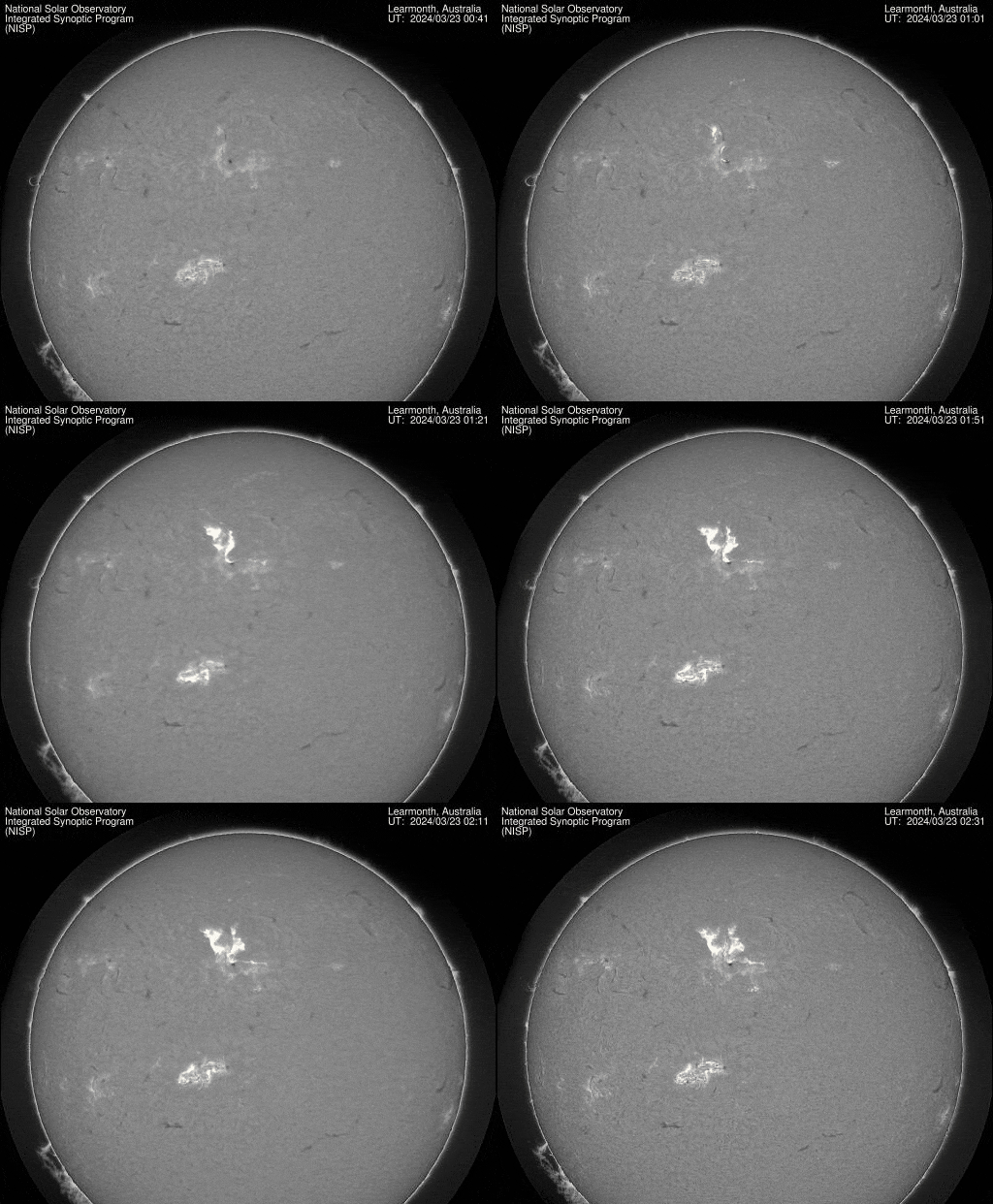
The explosion from AR3614 (top) seemed to rip the fabric of the sun, while AR3615 (bottom) followed close behind with a less violent blast of its own. The same sequence was captured in this movie from NASA's Solar Dyanamics Observatory.
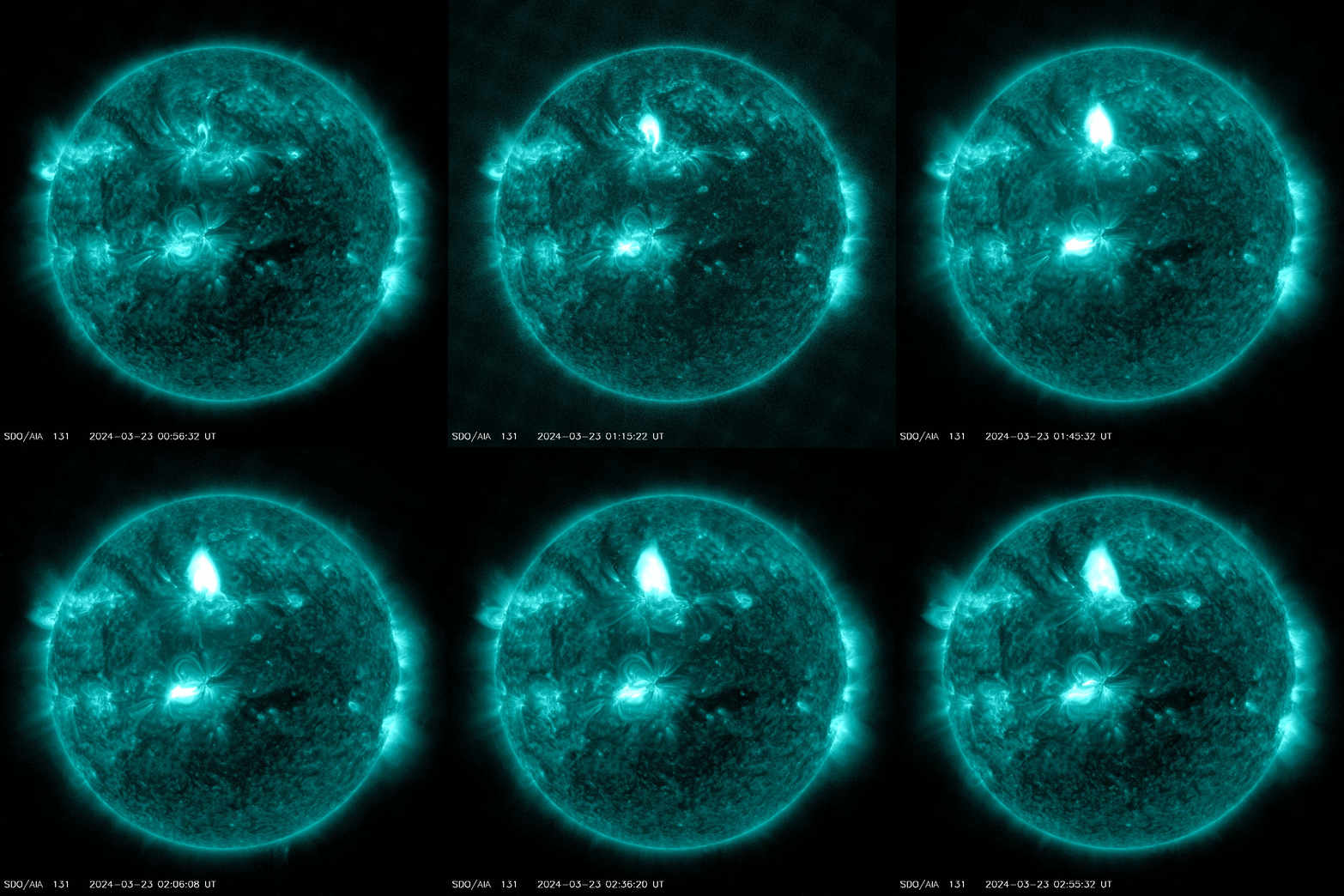
While this may seem like an incredible coincidence, it probably didn't happen by chance. Researchers have long known that widely-spaced sunspots can explode in tandem. They're called "sympathetic solar flares." Occasionally, magnetic loops in the sun's corona fasten themselves to distant pairs of sunspots, allowing explosive instabilities to travel from one to the other. This has apparently happened to AR3614 and AR3615.
Some sympathetic flares are so much alike, they are considered to be twins. Today's double-blast was not a perfect twin, but close enough. It shows that the two sunspots are linked, raising the possibility of more double-flares this weekend. Solar flare alerts: SMS Text.
Realtime Space Weather Photo Gallery
Free: Spaceweather.com Newsletter
18K GOLD "LOVE YOU TO THE MOON" LOCKET: This is a very special locket. It's heart-shaped, plated with 18K gold, and we will fly it again during this year's total eclipse of the sun. Keep reading...
On Jan. 26, 2024, the students of Earth to Sky Calculus launched this locket to the stratosphere onboard a cosmic ray research balloon. At the apex of the flight, it floated 111,535 feet above the Sierra Nevada mountains of central California:
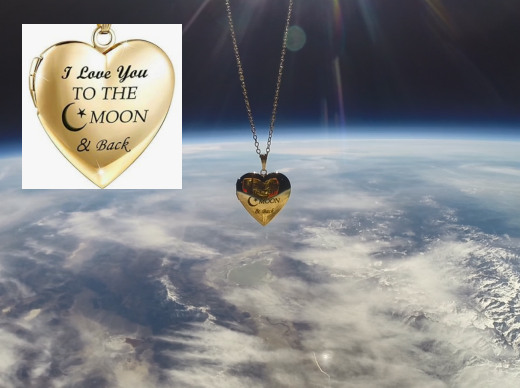
Buy it now for $149.95, and we'll fly it again--FOR FREE--during the total solar eclipse on April 8, 2024. The students will be launching multiple balloons from the path of totality in Texas. Your pendant will go along for the ride, touching the shadow of the Moon at the edge of space. (Simply type "FLY IT AGAIN" in the comments box at checkout.)
The locket, which opens to hold a personal photo or other small item, comes with a greeting card showing the jewelry in flight and telling the story of its journey to the edge of space.
Far Out Gifts: Earth to Sky Store
All sales support hands-on STEM education
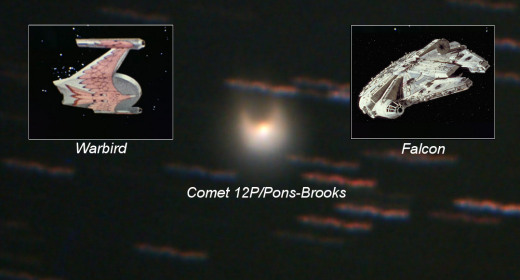
SPIRALING COMET: Shapeshifting Comet 12P/Pons-Brooks has been a devil, ,a Romulan Warbird, a Millennium Falcon--and now it's a lawn sprinkler. Michael Jaeger photographed the comet's spiralling core from his backyard observatory in Martinsberg, Austria:
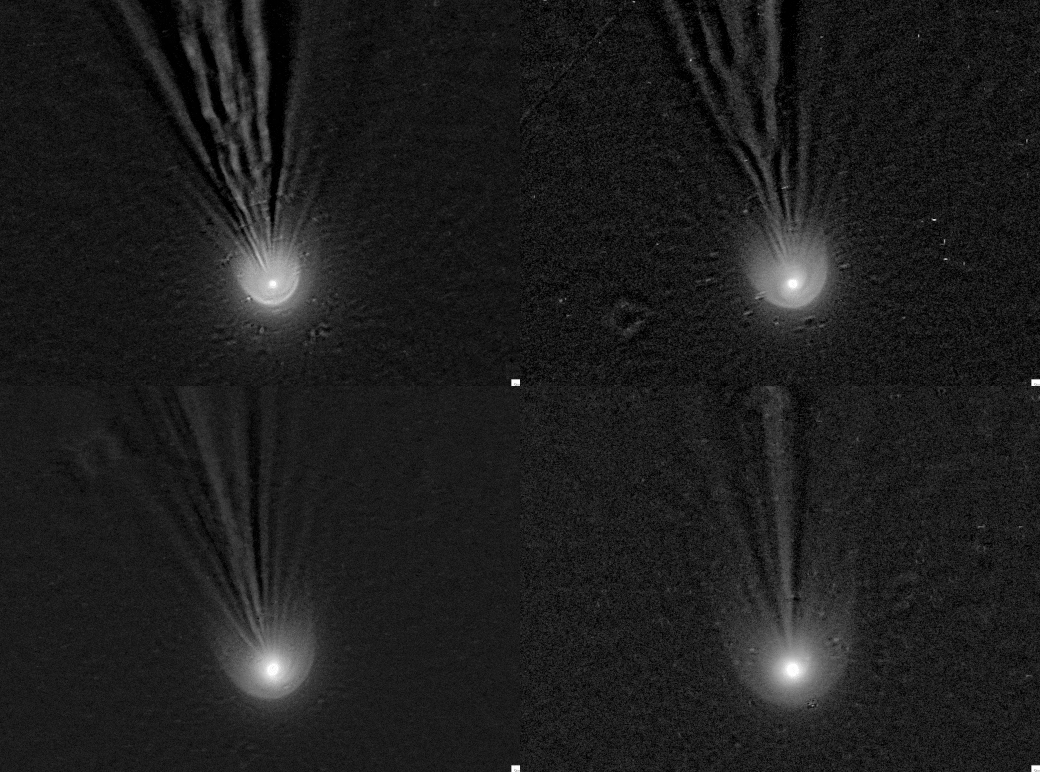
Jaeger assembled this movie from a series of pictures he took during the first week of March. Researchers believe that an "ice geyser" on the comet's surface erupted Feb 29th, spewing a reflective plume of space-cold gas and dust into comet's atmosphere. Jaeger's animation shows that plume bent into a spiral shape by the spin of the comet's core.
Comet 12P is currently located in the constellation Pisces, about 15 degrees above the western horizon after sunset for most observers in the northern hemisphere. Shining as brightly as a 5th magnitude star, it is a relatively easy target for backyard telescopes. Point your optics here and take a look!
Realtime Comet Photo Gallery
Free: Spaceweather.com Newsletter
Realtime Aurora Photo Gallery
Free: Spaceweather.com Newsletter