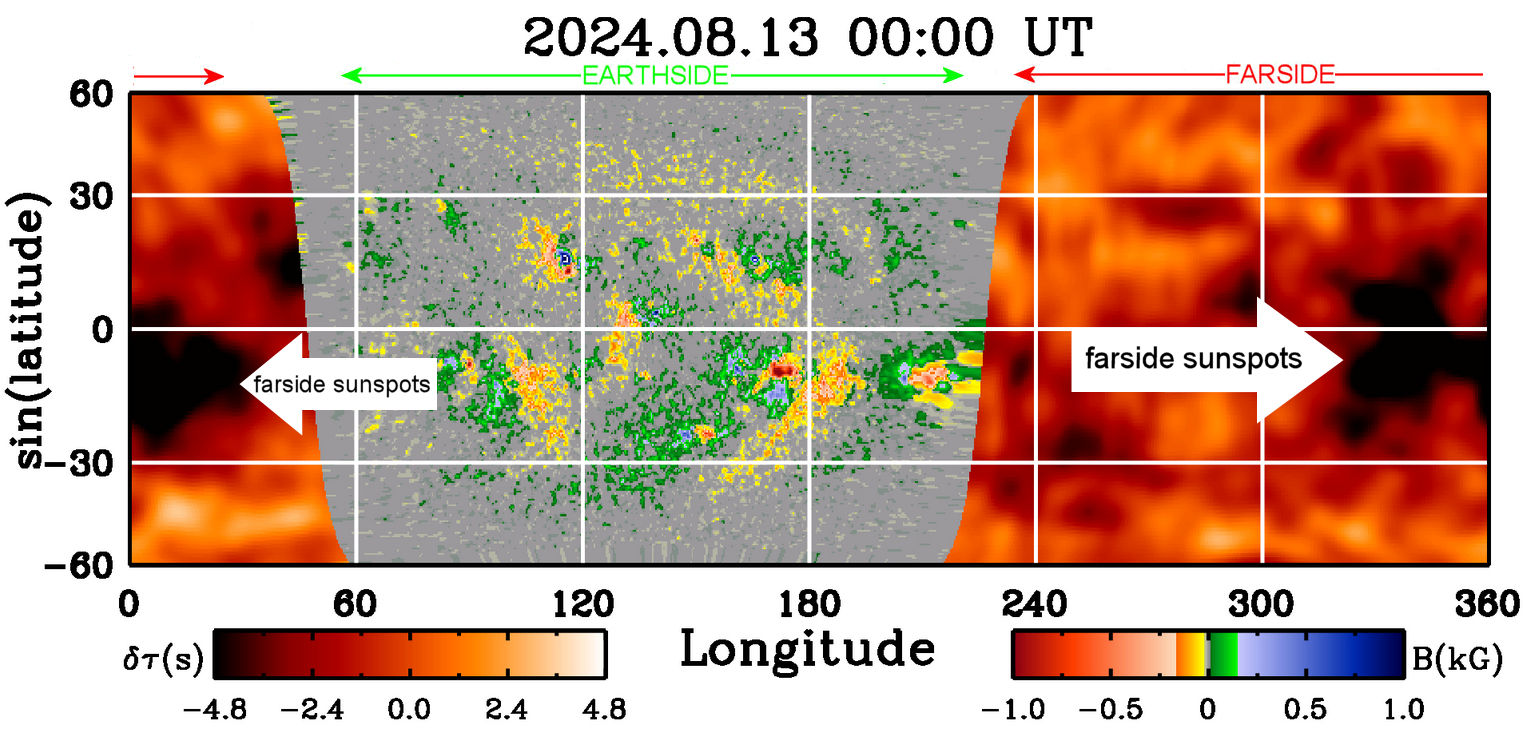
BIG FARSIDE SUNSPOTS: There are two sunspot groups on the farside of the sun so big they are affecting the way the whole sun vibrates. Helioseismic maps suggest that one of them will turn toward Earth this weekend. The appearance of another big sunspot group would help keep sunspot numbers elevated at their current 20-year high. Solar flare alerts: SMS Text
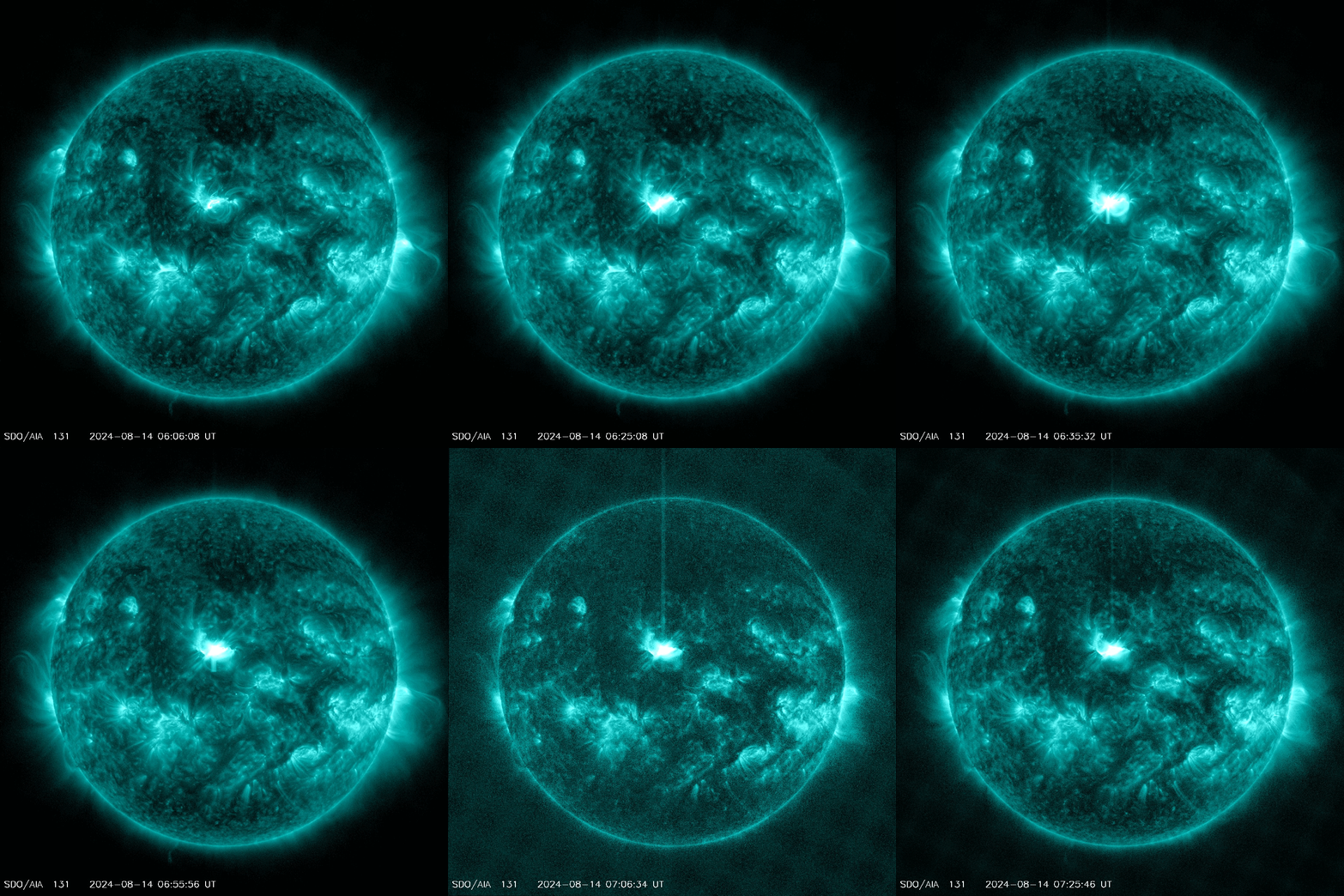
X-CLASS SOLAR FLARE: As predicted, strangely-magnetized sunspot AR3784 (described below) erupted today, producing an X1.1-class solar flare. The explosion was directly facing Earth:
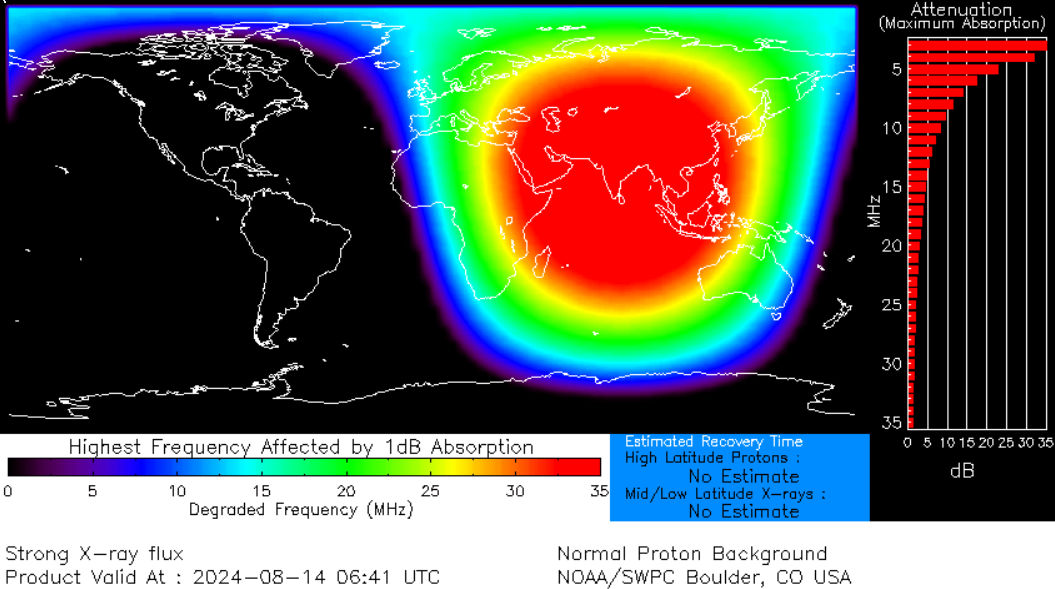
Radiation from the flare ionized the top of Earth's atmosphere, causing a deep shortwave radio blackout over India and the Middle East: map. Ham radio operators may have noticed loss of signal at all frequencies below 30 MHz for 30+ minutes after the flare's peak (0640 UT).
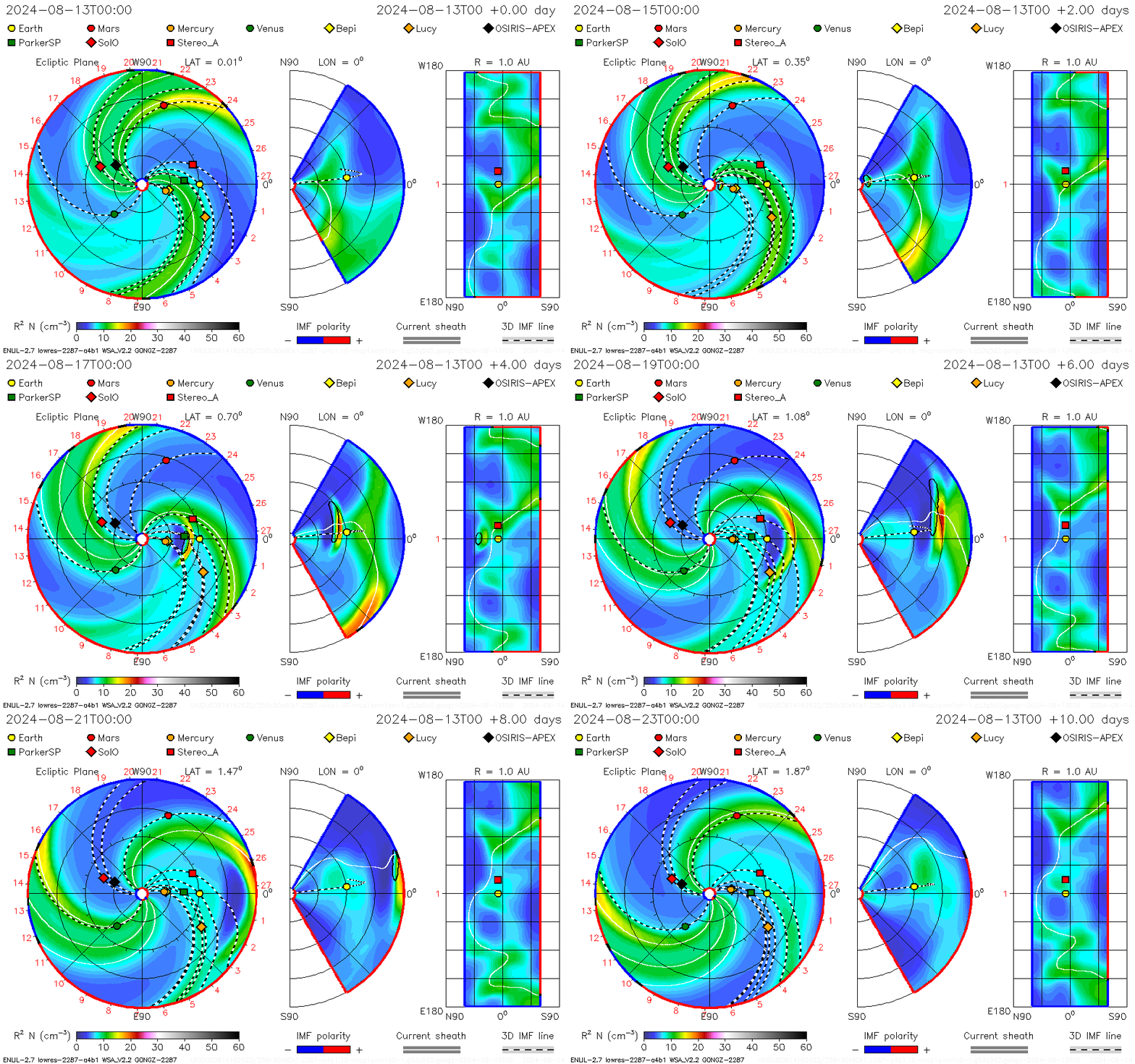
Radio emissions and preliminary coronagraph images suggest that this explosion may have hurled a faint CME toward Earth. If so, a NASA model predicts it will strike Earth around 1200 UTC on Aug. 17th. CME impact alerts: SMS Text
A STRANGELY MAGNETIZED SUNSPOT: Sunspot AR3784 is breaking Hale's Law. According to that hundred-year-old rule, sunspots in the sun's northern hemisphere should be polarized like this:  . Instead, AR3784 is polarized like this:
  . This magnetic map from NASA's Solar Dynamics Observatory shows the 90-degree twist:
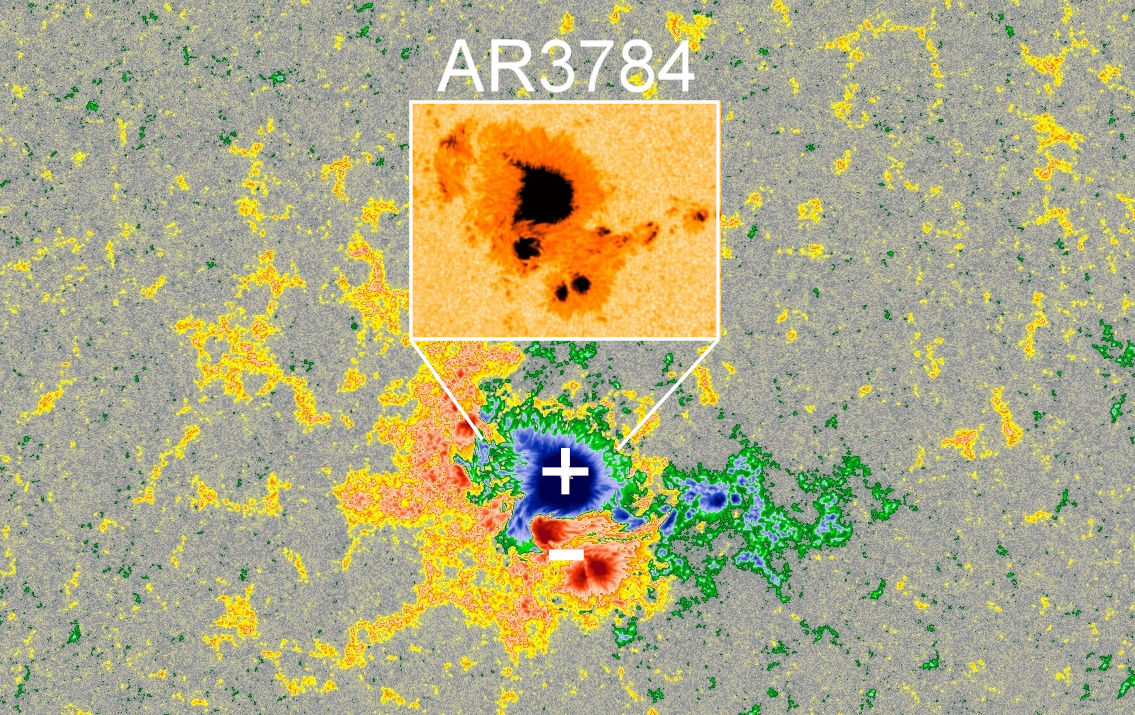
Violations of Hale's Law do happen from time to time. About 3% of all sunspots are "reversed polarity":  instead of or vice versa. However, AR3784 is neither normal () nor reversed (). It's halfway in between ().
The magnetic underpinnings of this sunspot seem to be corkscrewing in an unusual way. If opposite magnetic polarities get twisted together too tightly, there could be an X-class solar flare. Stay tuned! Solar flare alerts: SMS Text
Realtime Space Weather Photo Gallery
Free: Spaceweather.com Newsletter
REAL MONEY FROM SPACE: On July 16, 1969, the world watched as a Saturn V rocket launched Neil Armstrong, Buzz Aldrin, and Michael Collins to the Moon. Exactly 55 years later, the students of Earth to Sky Calculus launched the US Mint's limited edition Saturn V dollar coin to the stratosphere:
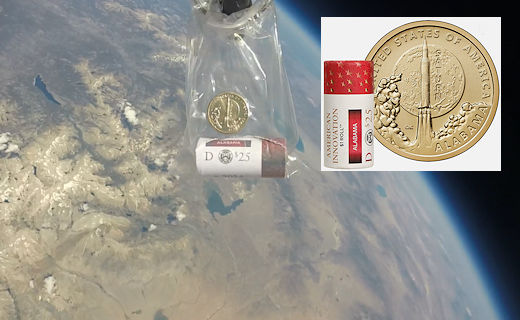
You can have a single coin for $49.95 or an entire unbroken roll for $249.95. No longer available from the US Mint, these rare coins flew 121,665 feet above the Sierra Nevada on July 16, 2024. One side shows the mighty Saturn V rocket blasting off from Cape Canaveral; the other side features the Statue of Liberty in profile.
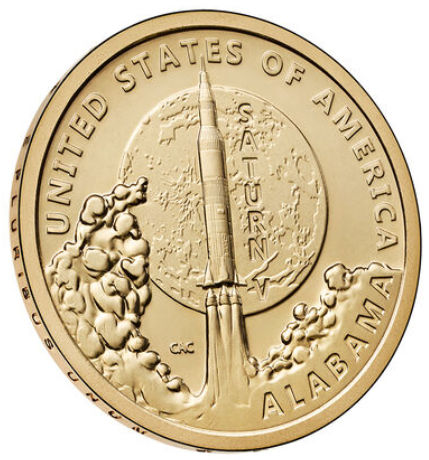

The students are selling space coins to support to support their cosmic ray research program. (Helium is expensive!) Each order comes with a greeting card showing the coins in flight and telling the story of their journey to the stratosphere and back again.
Far Out Gifts: Earth to Sky Store
All sales support hands-on STEM education
Realtime Aurora Photo Gallery
Free: Spaceweather.com Newsletter
Realtime Comet Photo Gallery
Free: Spaceweather.com Newsletter
Realtime Noctilucent Cloud Photo Gallery
Free: Spaceweather.com Newsletter