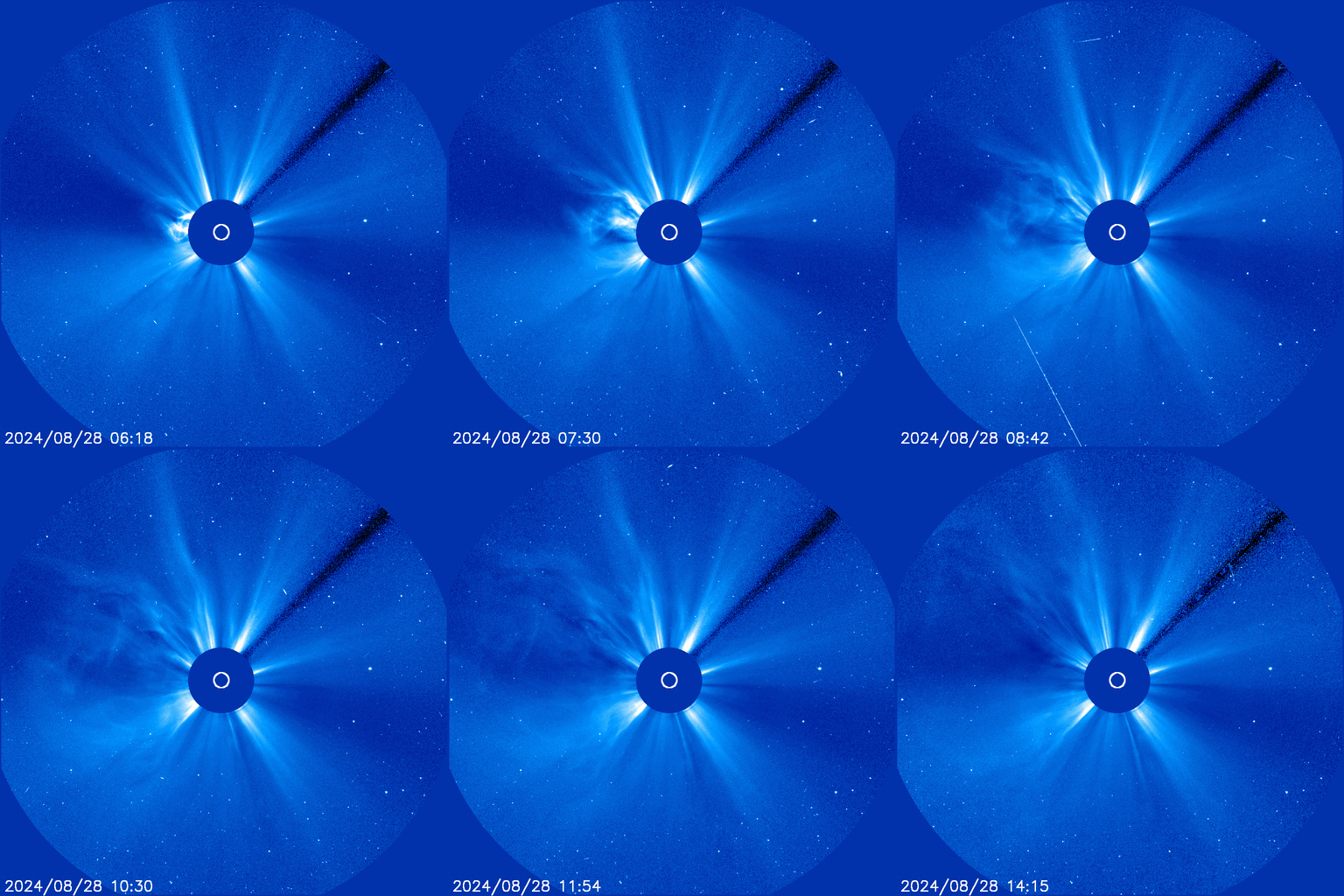
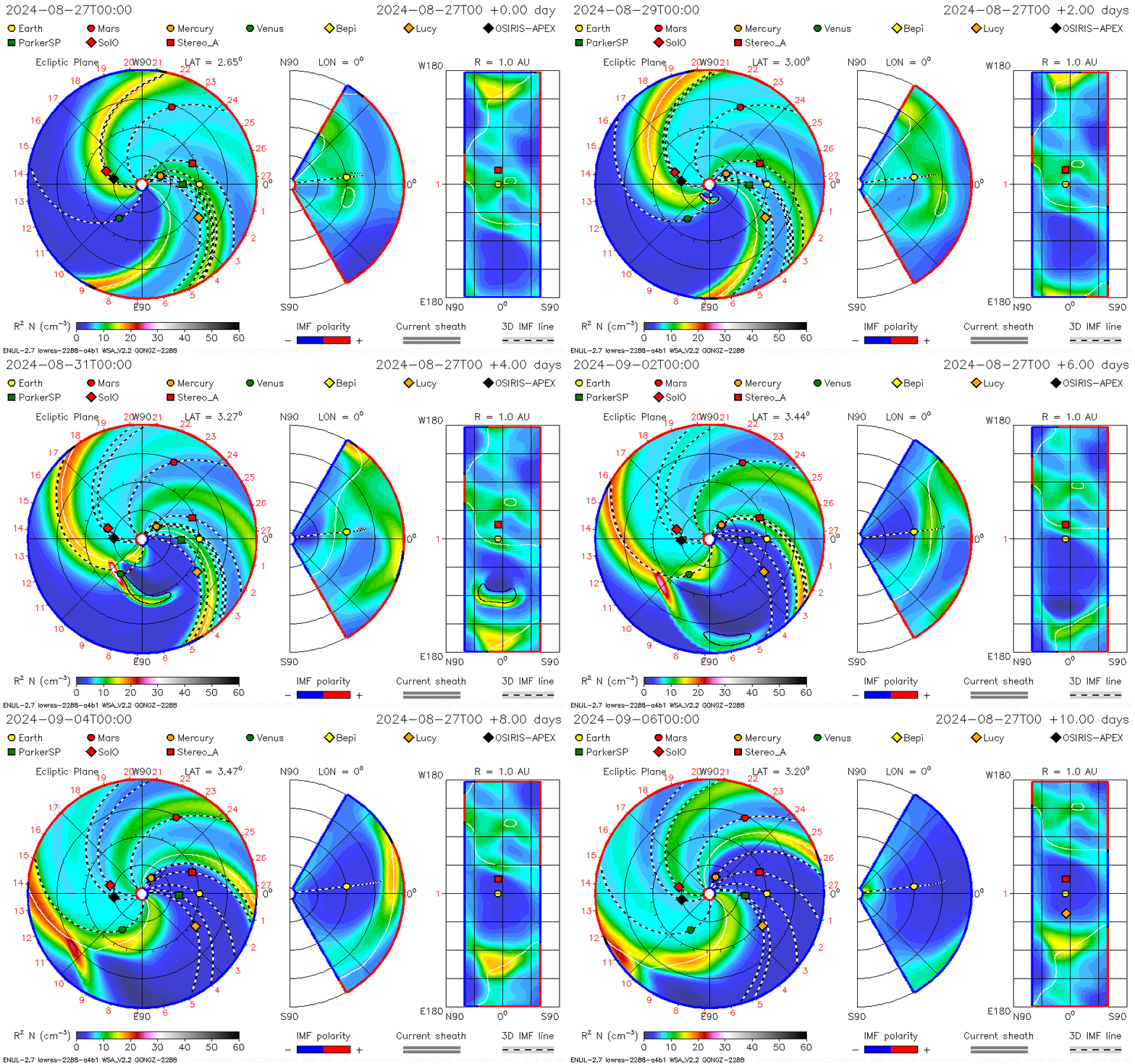
MASSIVE CME TARGETS VENUS: A solar magnetic filament erupted yesterday, hurling a bright CME into space. It won't hit Earth. Instead the CME is heading for Venus. A NASA model predicts it will strike the second planet on Aug. 30th. The impact will probably erode a small amount of atmosphere from Venus's unprotected cloudtops. CME impact alerts: SMS Text
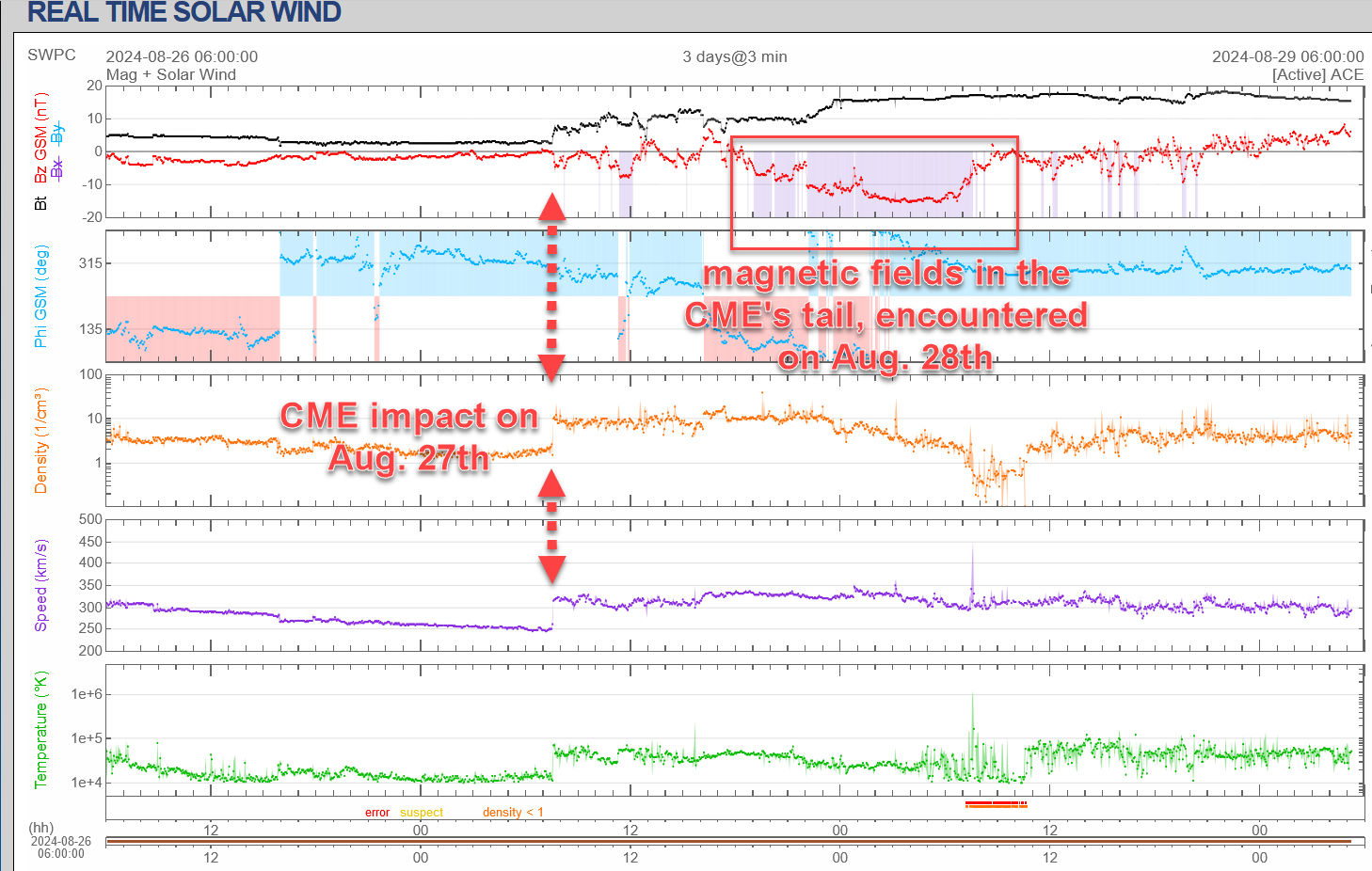
CATCHING A CME BY THE TAIL: CMEs have tails, and they can be very good at whipping up geomagnetic storms. Consider this week's example. On Aug. 27th, a seemingly feeble CME hit Earth's magnetic field. At first, nothing happened. Then, on Aug. 28th, Earth encountered the CME's tail and a G2-class storm ensued:

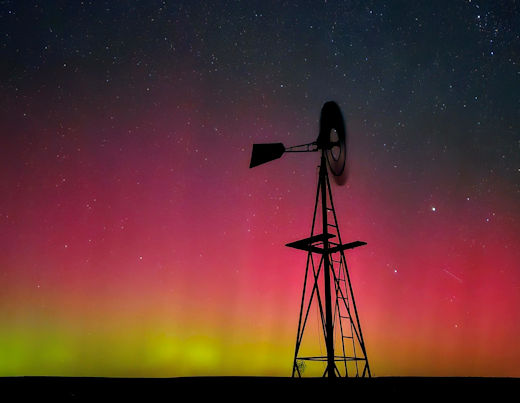
"Here in Colorado, red auroras were visible to the naked eye," reports Jeremy Rogers from the Pawnee National Grasslands. "The pillars were visibly dancing."
The storm and light show occured more than 10 hours after the CME's shock front arrived. First contact was ineffective. The storm did not commence until the next day while Earth was passing through the CME's tail. Magnetic fields within the tail unexpectedly connected to our planet's magnetosphere, sparking auroras across Europe and the USA as far south as latitude +41N.
"I was surprised when I saw Northern Lights in my camera," says Malin Englund of Gotland, Sweden. "I hurried to a beautiful spot, put my green dress on, and took a couple of pictures."
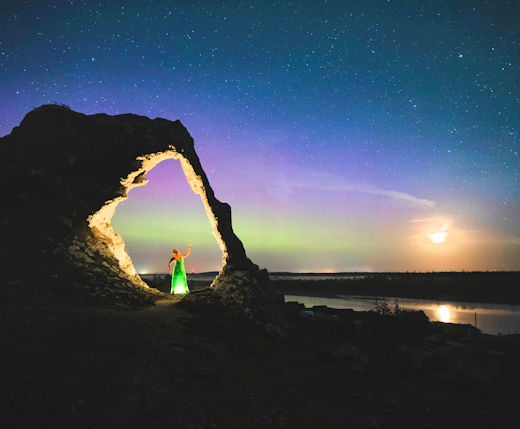
Englund wasn't the only one taking advantage of the unexpected light show. Swedish photographer Martina Norlén dressed as an angel for her selfie, while in Denmark, Oliver Schwenn photographed the auroras alongside a bioluminescent display in the Skagerrak. "It was a pleasant surprise!" he says.
The moral to this story: If first contact with a CME doesn't spark a geomagnetic storm, just wait. The tail might do what the head did not. Browse the realtime aurora gallery for images from around the world.
Realtime Aurora Photo Gallery
Free: Spaceweather.com Newsletter
STERLING SILVER HUMMINGBIRD PENDANT: This hummingbird has touched space. The students of Earth to Sky Calculus launched the sterling silver pendant to the stratosphere onboard a cosmic ray research balloon, more than 117,710 feet high:
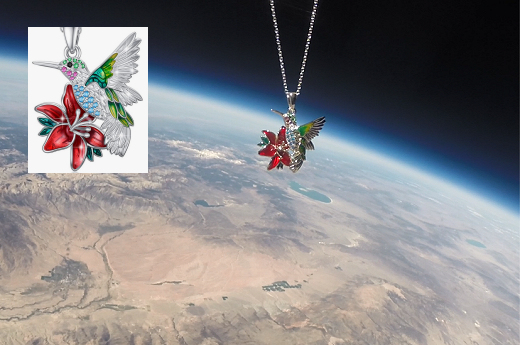
You can have it for $169.95. The students are selling space pendants to pay the helium bill for their cosmic ray ballooning program. Each one comes with a greeting card showing the pendant in flight, and telling the story of its trip to the stratosphere and back again.
Far Out Gifts: Earth to Sky Store
All sales support hands-on STEM education
Realtime Space Weather Photo Gallery
Free: Spaceweather.com Newsletter
Realtime Comet Photo Gallery
Free: Spaceweather.com Newsletter
Realtime Noctilucent Cloud Photo Gallery
Free: Spaceweather.com Newsletter