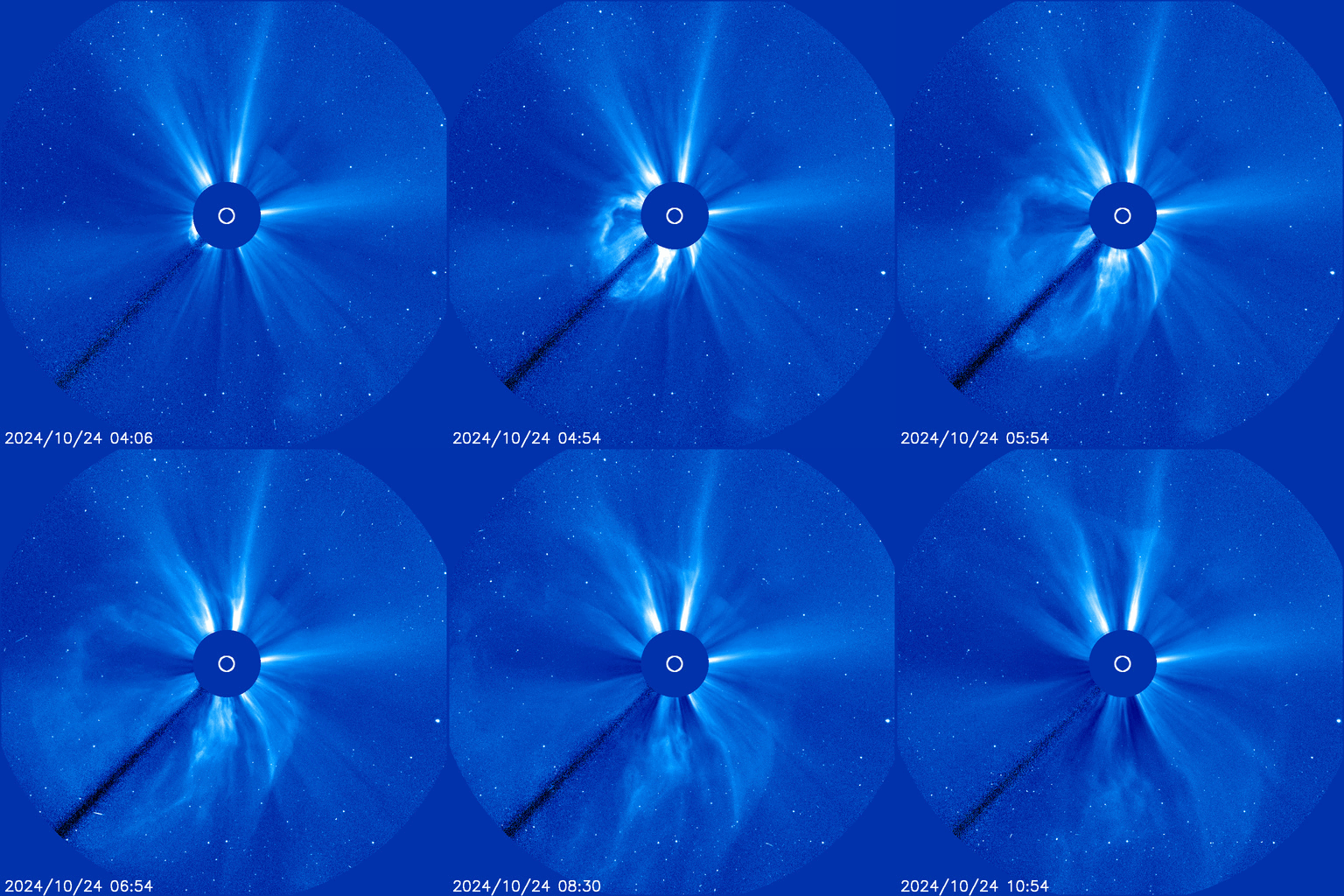
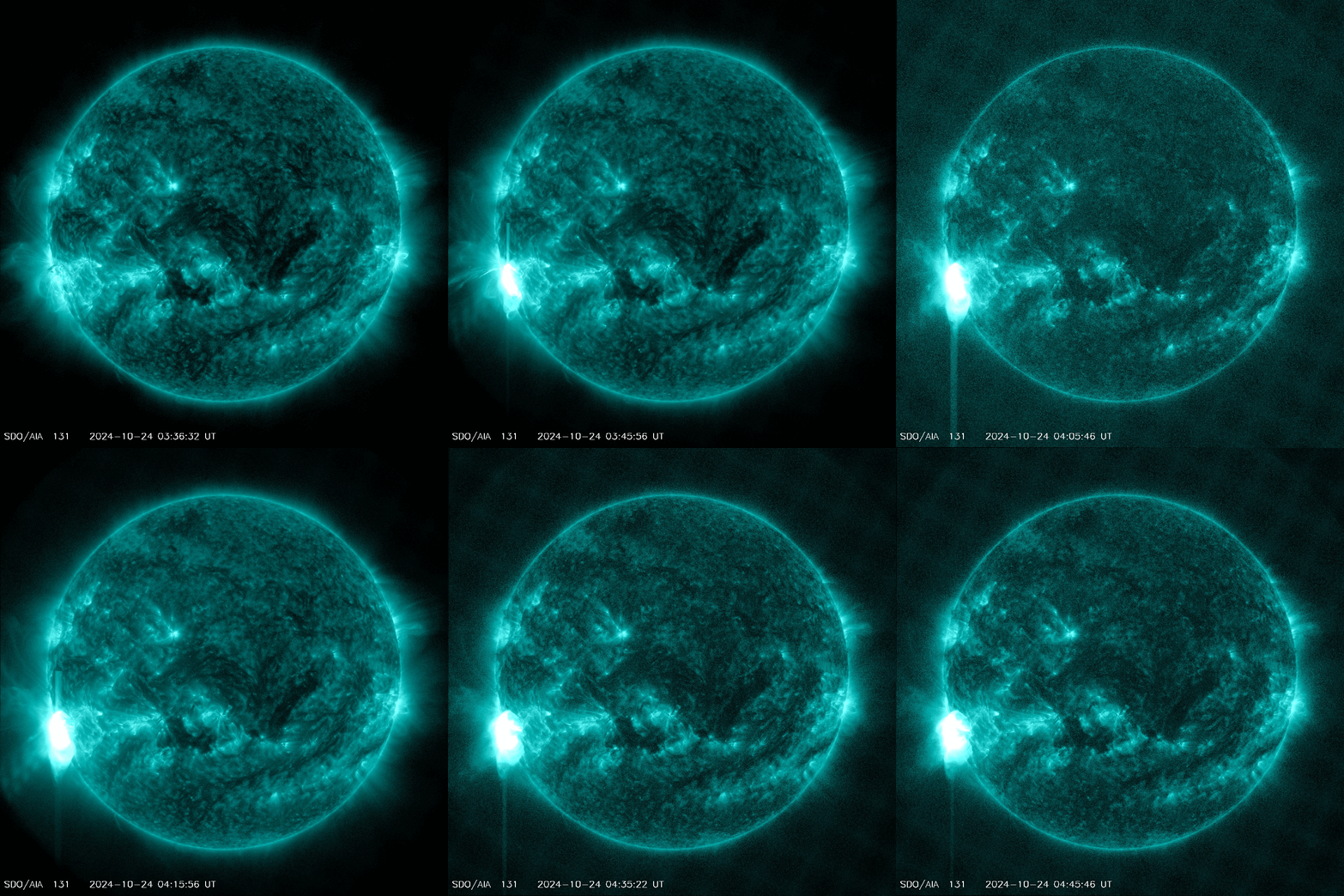
GEOMAGNETIC STORM WATCH: NOAA forecasters are predicting a G1-class geomagnetic storm on Oct. 26th when a CME is expected to graze Earth's magnetic field. The CME was hurled into space yesterday by a powerful solar flare (X3.3) from sunspot AR3869. It is not heading straight for our planet, but even a glancing blow from this potent CME could spark bright auroras at high latitudes. Aurora alerts: SMS Text

BIG SUNSPOT ALERT: A chain of large sunspots is emerging over the sun's southeastern limb. From end to end, the magnetic archipelago stretches more than 150,000 km, and each sunspot is about twice the size of Earth:
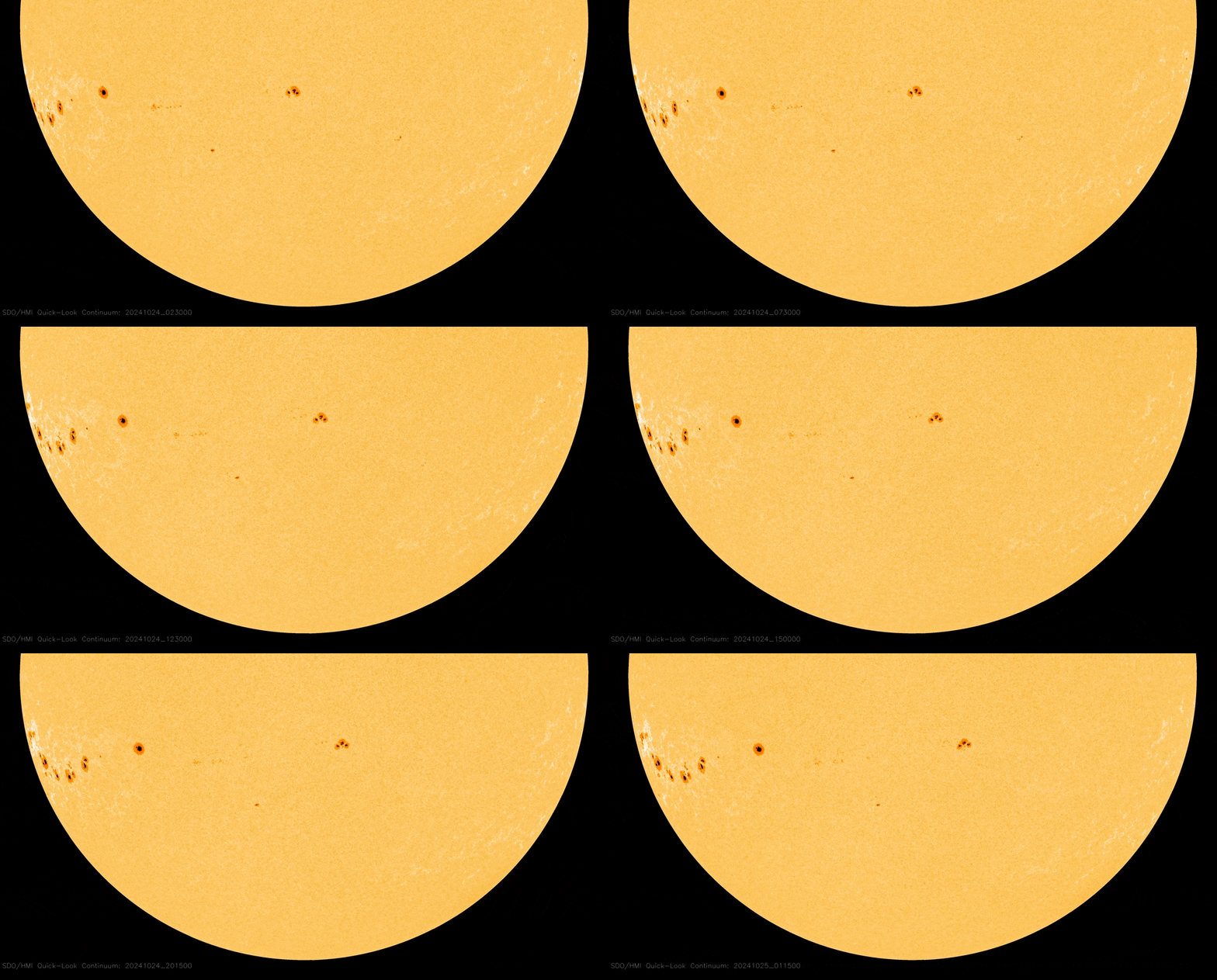
The leading sunspot in this group (AR3869) produced an X3.3-class solar flare on Oct. 24th, so it, at least, poses a threat for strong flares. The trailing sunspots may be dangerous as well. We won't know until they turn a bit more toward Earth to reveal their inner magnetic structure. Mixed polarities would signal the potential for strong explosions. Stay tuned! Solar flare alerts: SMS Text
Realtime Space Weather Photo Gallery
Free: Spaceweather.com Newsletter
AMBER DRAGONFLY SPACE PENDANT: This dragonfly has touched space. On Oct 24th, the students of Earth to Sky Calculus launched it to the stratosphere onboard a cosmic ray research balloon, 105,108 feet above California's Sierra Nevada:
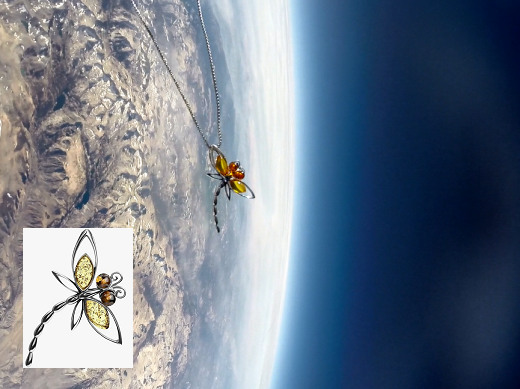
You can have it for $219.95. Made of genuine Baltic Amber with a sterling silver exoskeleton, the rich Cognac-colored pendant measures 3/4 inch and comes with a matching 18-inch sterling silver chain.
The students are selling space pendants to pay the helium bill for their cosmic ray ballooning program. Each one comes with a greeting card showing the jewelry in flight and telling the story of its trip to the stratosphere and back again.
Far Out Gifts: Earth to Sky Store
All sales support hands-on STEM education
A BIG DEVELOPMENT IN SPACE WEATHER FORECASTING: Imagine a giant CME heading straight for Earth, but no one knew it was coming. Space weather forecasters have long worried about such a scenario. Our best early warning system for CMEs is a coronagraph onboard the Solar and Heliospheric Observatory (SOHO), which was launched in Dec. 1995. How long can such an ancient spacecraft be expected to last?
We can stop worrying. Yesterday, NOAA unveiled its replacement, the CCOR-1 solar coronagraph onboard the new GOES-19 satellite:
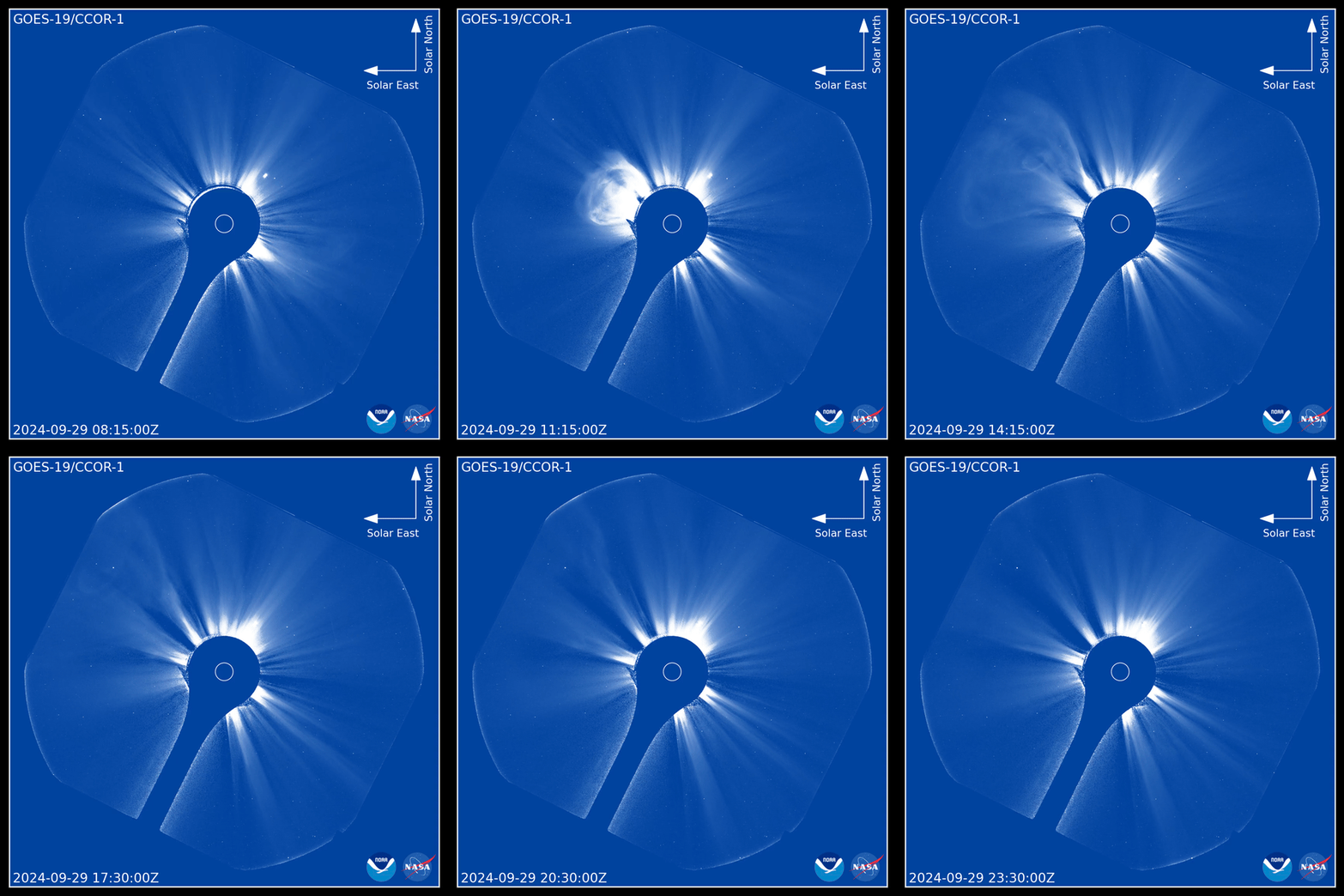
Using an occulting disk (the dark blue circle at the center of the video) to block the glare of the sun, CCOR-1 delivers uninterrupted monitoring of CMEs with a new image every 15 minutes. GOES-19 is currently undergoing post-launch testing and checkout of its instruments, including the coronagraph. In spring 2025, NOAA will begin using CCOR-1 for regular CME forecasts.
SOHO, meanwhile, will continue monitoring the sun as it has done for almost 30 years. This incredible spacecraft has discovered more than 5000 sungrazing comets and helped forecasters predict hundreds of strong geomagnetic storms. Long may it live!
Realtime Space Weather Photo Gallery
Free: Spaceweather.com Newsletter
Realtime Comet Photo Gallery
Free: Spaceweather.com Newsletter
Realtime Aurora Photo Gallery
Free: Spaceweather.com Newsletter