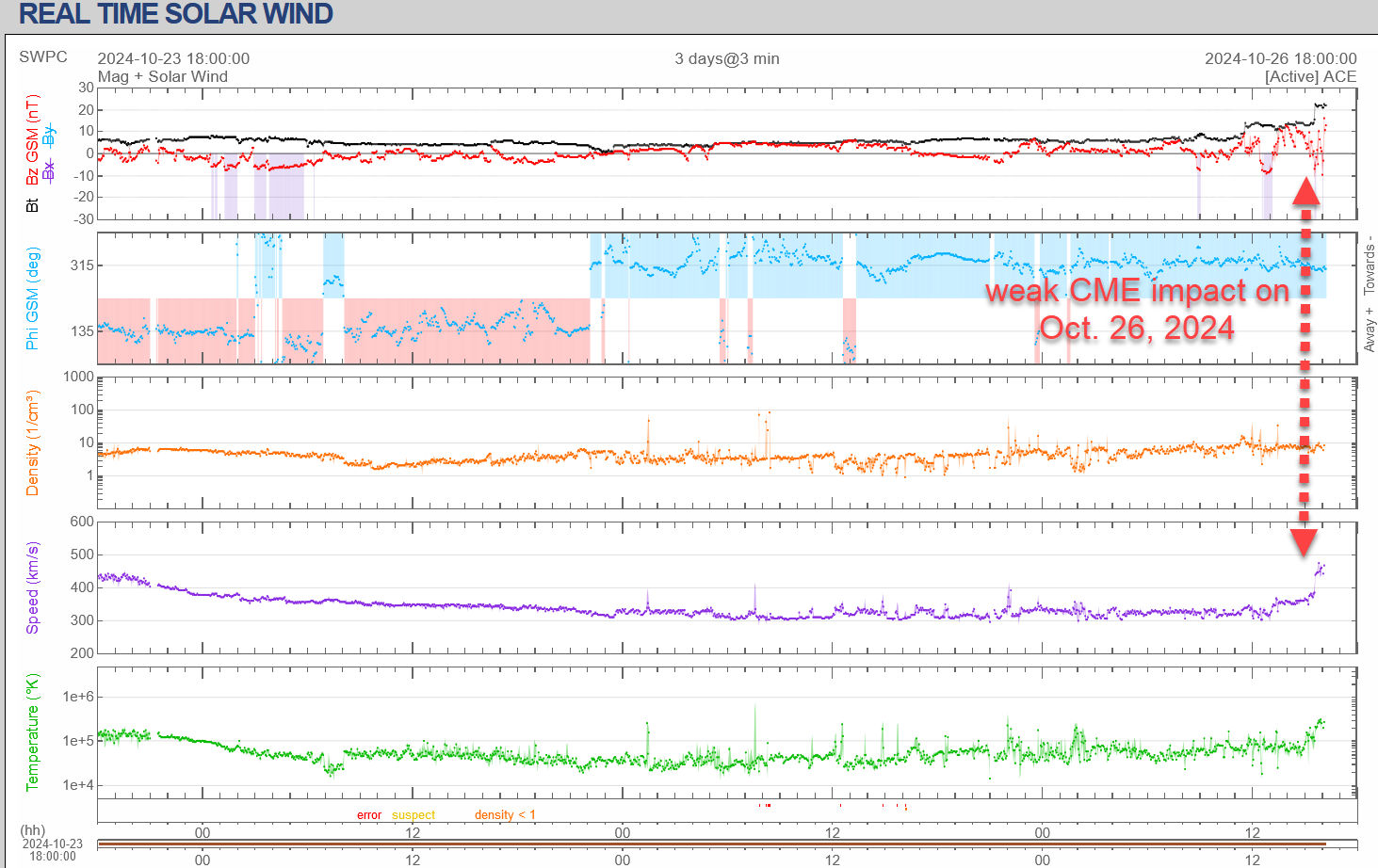
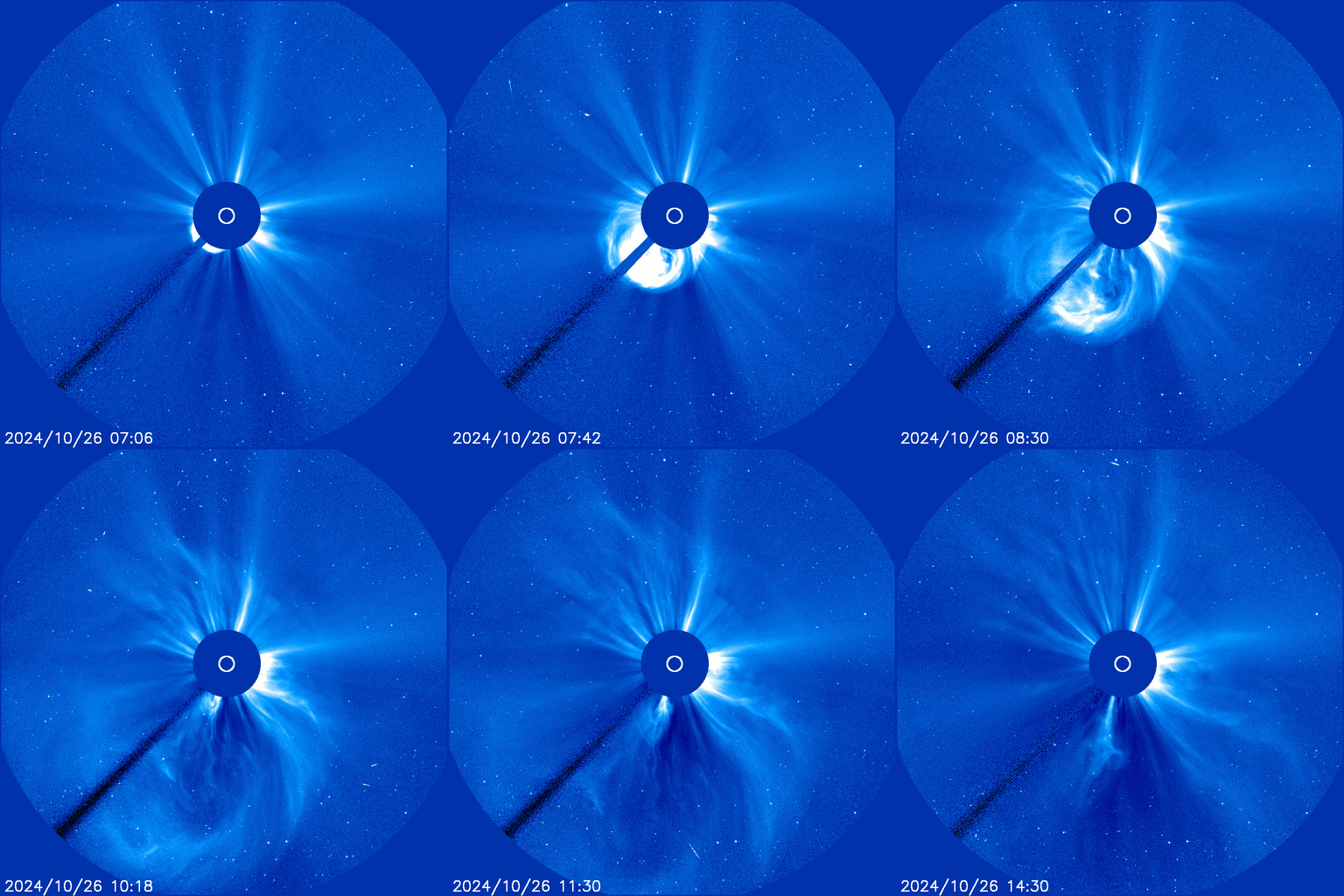
A MINOR CME IMPACT JUST HAPPENED: As expected, a CME grazed Earth on Oct. 26th (1600 UT). The impact was weak, barely increasing solar wind speeds near Earth. Nevertheless, geomagnetic storms are still possible in the hours ahead. Often, the tails of CMEs are more effective than the CMEs themselves. High-latitude auroras are possible tonight as Earth passes through the CME's magnetized wake. Aurora alerts: SMS Text
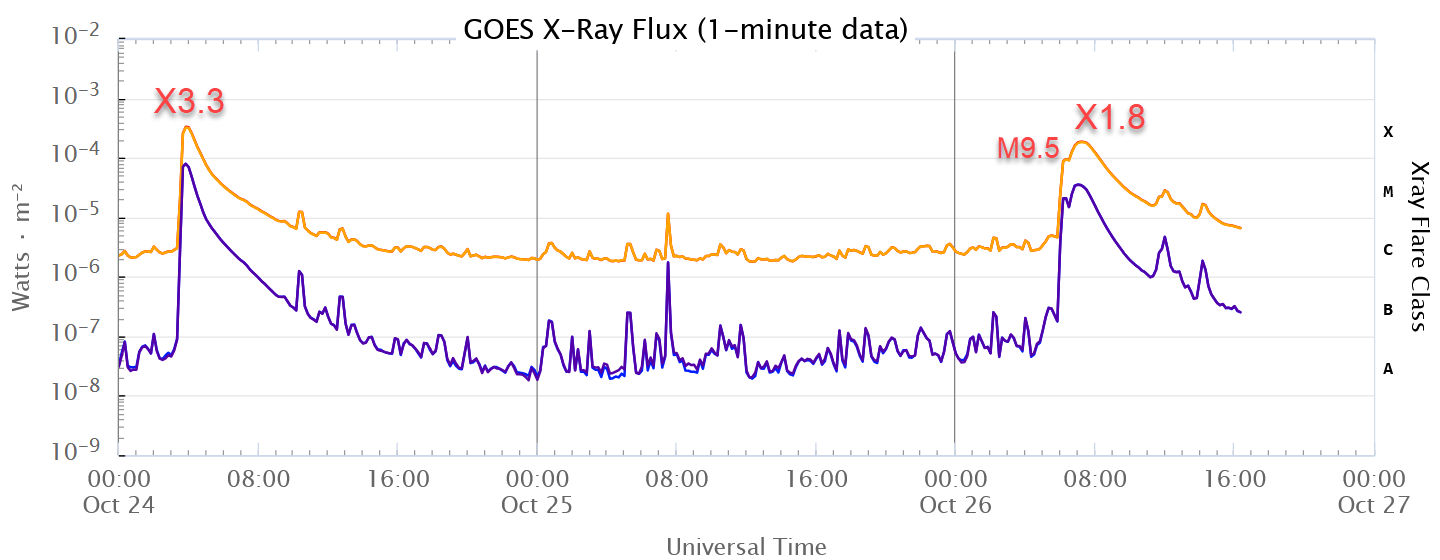
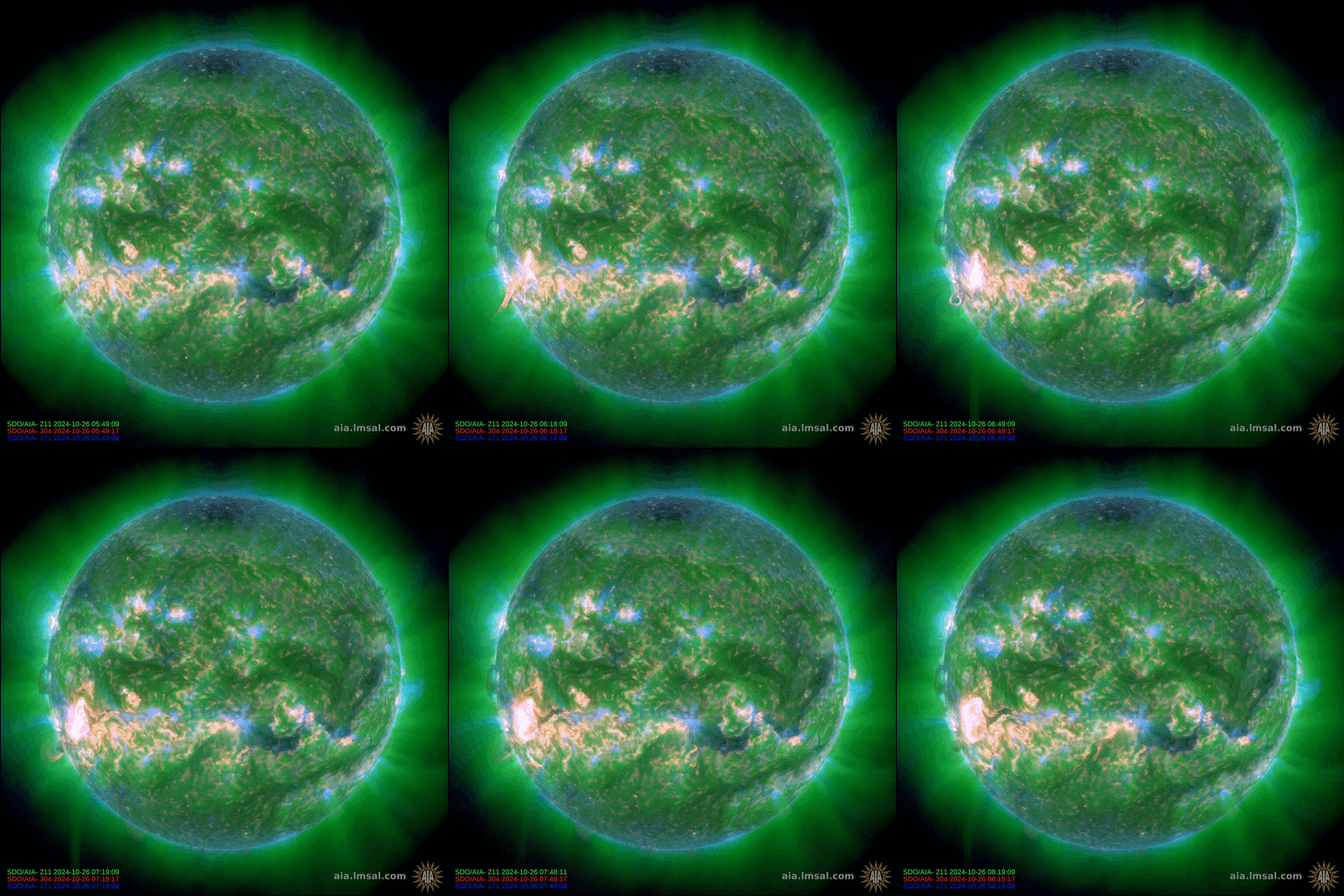
AN X-CLASS DOUBLE SOLAR FLARE: Solar activity remains high. Today, sunspot AR3873 erupted twice, producing a pair of closely-spaced flares registering M9.5 and X1.8. This extreme ultraviolet movie from NASA's Solar Dynamics Observatory shows the explosion spraying debris through the sun's atmosphere:
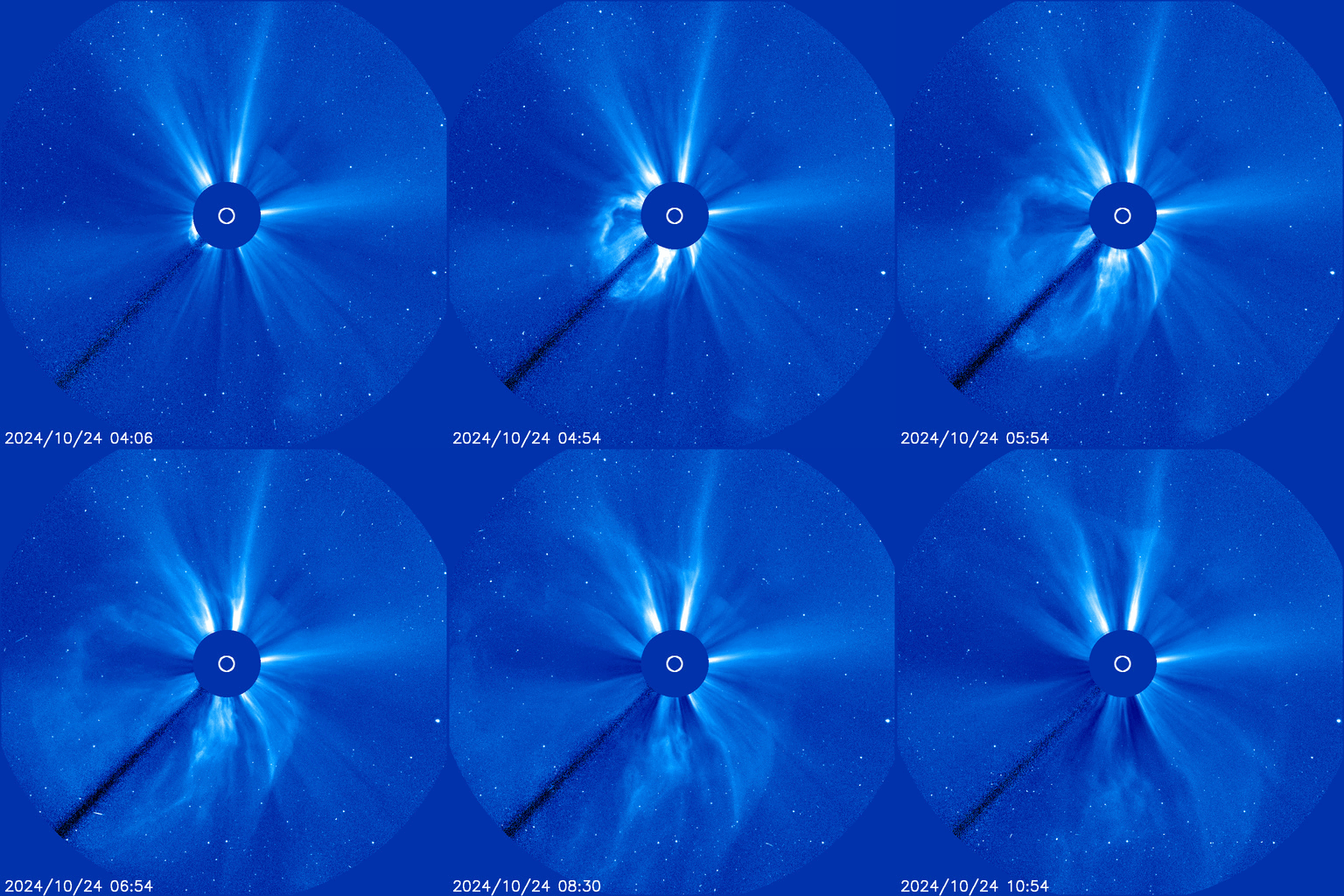
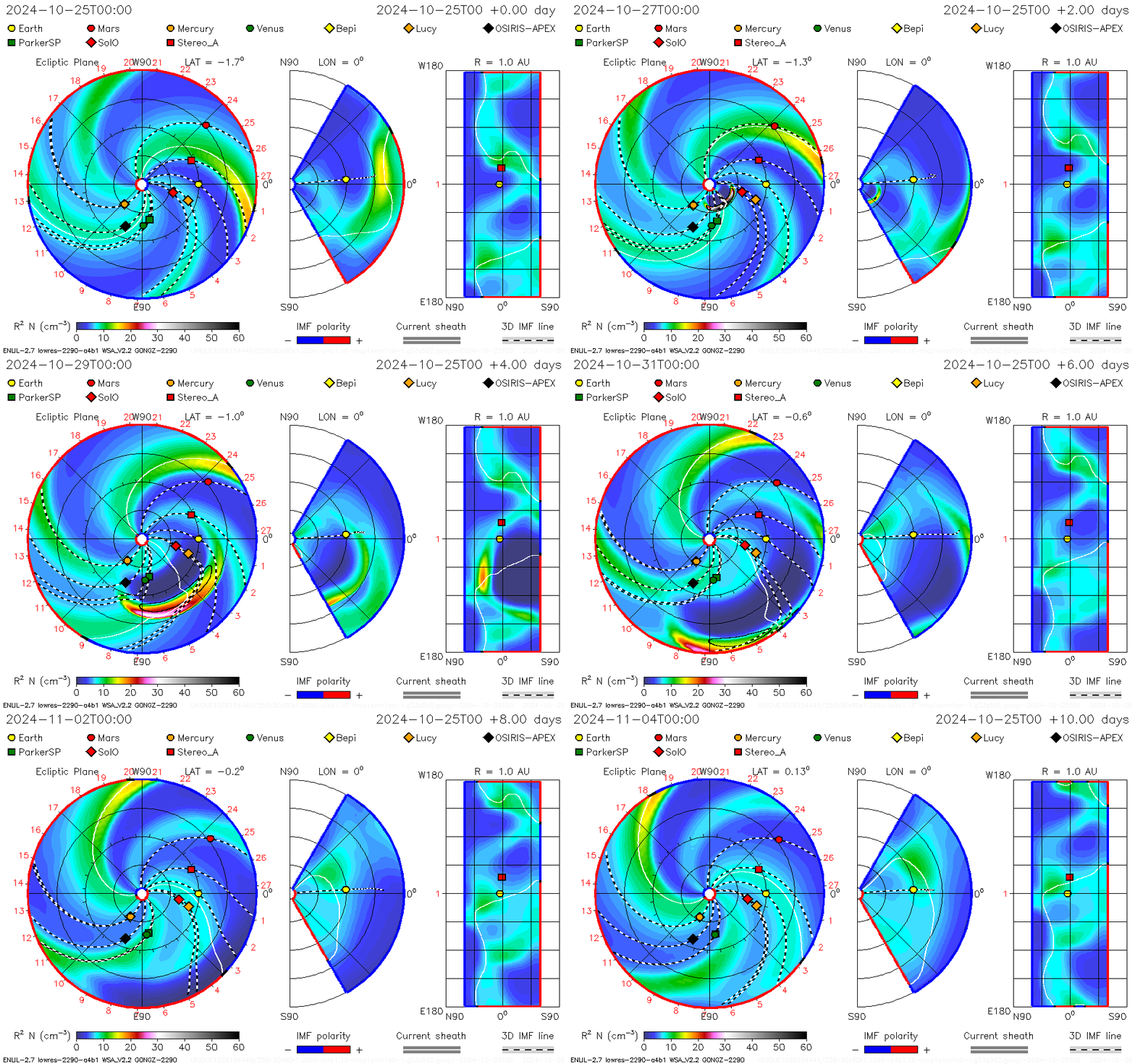
Plasma from the blast flew into space, forming the core of an impressive CME. Check it out. Although the bulk of the CME will miss Earth, it does have an Earth-directed component. According to a NASA model, the CME's flank will reach our planet on Oct 28th. The impact could cause G1 to G2-class geomagnetic storms. Stay tuned for an updated forecast as NOAA computers crunch the data. CME impact alerts: SMS Text


Realtime Space Weather Photo Gallery
Free: Spaceweather.com Newsletter
AMBER DRAGONFLY SPACE PENDANT: This dragonfly has touched space. On Oct 24th, the students of Earth to Sky Calculus launched it to the stratosphere onboard a cosmic ray research balloon, 105,108 feet above California's Sierra Nevada:
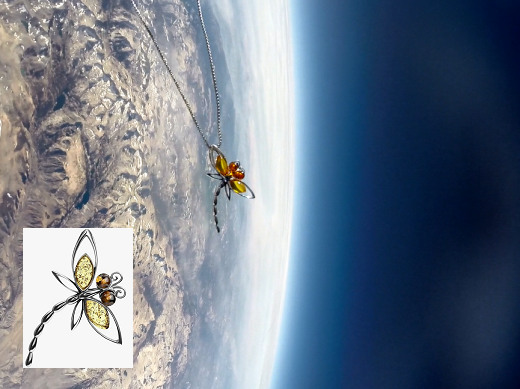
You can have it for $219.95. Made of genuine Baltic Amber with a sterling silver exoskeleton, the rich Cognac-colored pendant measures 3/4 inch and comes with a matching 18-inch sterling silver chain.
The students are selling space pendants to pay the helium bill for their cosmic ray ballooning program. Each one comes with a greeting card showing the jewelry in flight and telling the story of its trip to the stratosphere and back again.
Far Out Gifts: Earth to Sky Store
All sales support hands-on STEM education
GOODBYE, AND THANKS, COMET TSUCHINSHAN-ATLAS: Comet Tsuchinshan-ATLAS is fading as it recedes from Earth. For most observers it is no longer a naked-eye object. Not so long ago, though, it rivaled the lights of Los Angeles. Astronomer Laura-May Abron sends this Oct. 15th photo from the Griffith Observatory overlooking LA:
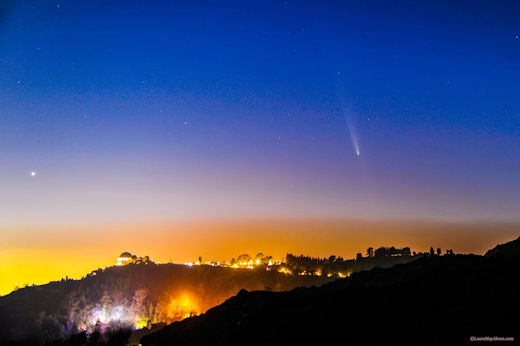
"Although Comet Tsuchinshan-ATLAS is dimming as it leaves our inner solar system, it briefly outshined light pollution in Los Angeles," says Abron. "It delighted our visitors at Griffith Observatory and became one of those historically memorable comets. It also served as a reminder of the delicate wonders we risk losing if we do not protect our dark skies."
Now for the good news: Although the comet isn't as bright as a street light, it's still a great target for astrophotographers. Look at this and this and this. The comet will remain near magnitude +6 for the rest of the month, so all you need is a dark sky and a good camera for an incredible shot. Submit your photos here.
Realtime Comet Photo Gallery
Free: Spaceweather.com Newsletter
ACTIVE SUNSPOTS TURN TOWARD EARTH: The sun is about to have a smile on its face. This curved archipelago of sunspots is turning toward Earth:
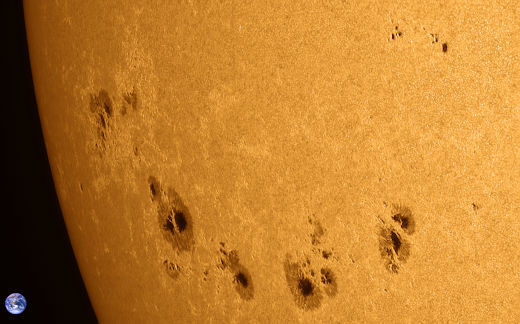
"This is a big group of sunspots!" says photographer Philippe Tosi of Nîmes, France. Indeed, the chain stretches more than 150,000 km from end to end, and most of the dark cores are as large as Earth. These dimensions make it an easy target for astrophotographers.
In a few days, the group will be directly facing our planet, and it will look like the sun is grinning at us. Photo-op, anyone? Solar flare alerts: SMS Text
Realtime Space Weather Photo Gallery
Free: Spaceweather.com Newsletter
Realtime Comet Photo Gallery
Free: Spaceweather.com Newsletter
Realtime Aurora Photo Gallery
Free: Spaceweather.com Newsletter