NEAR-MISS CMEs ARE COMING: Geomagnetic unrest is possible on Dec. 17th when one or more CMEs pass close to Earth. The near misses will probably fall short of sparking a full-fledged geomagnetic storm. Nevertheless, auroras could fill the Arctic Circle when the CMEs pass by. CME impact alerts: SMS Text
POLAR STRATOSPHERIC CLOUDS AT NIGHT: When the Arctic night of Abisko, Sweden, fills with glowing color, it's almost always the aurora borealis. Not so on the night of Dec. 12th. "The colors came from polar stratospheric clouds (PSCs)," reports Felix Feislachen, who photographed the "amazing" display:
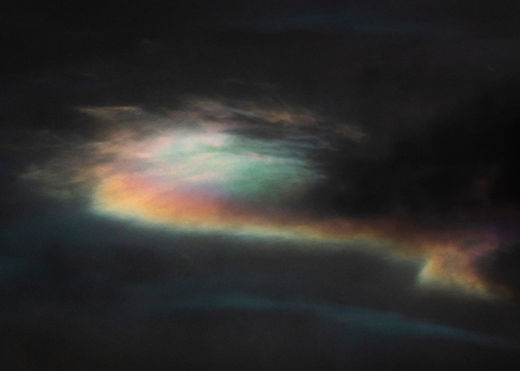
PSCs are a very rare type of cloud. They form in the Arctic stratosphere for a few days each year, usually near the winter solstice when the temperature drops to a staggeringly low -85 C. Sunlight touching the ice crystals inside PSCs cause them to blossom with pastel color.
However, there was no sunlight behind these clouds. "The nearly full Moon did the trick," Feislachen explains. "Bright moonlight shined into the PSCs and caused the colors to appear."
Feislachen is an aurora tour guide for Lights over Lapland, so naturally he kept taking pictures until he caught auroras and PSCs in the same frame:
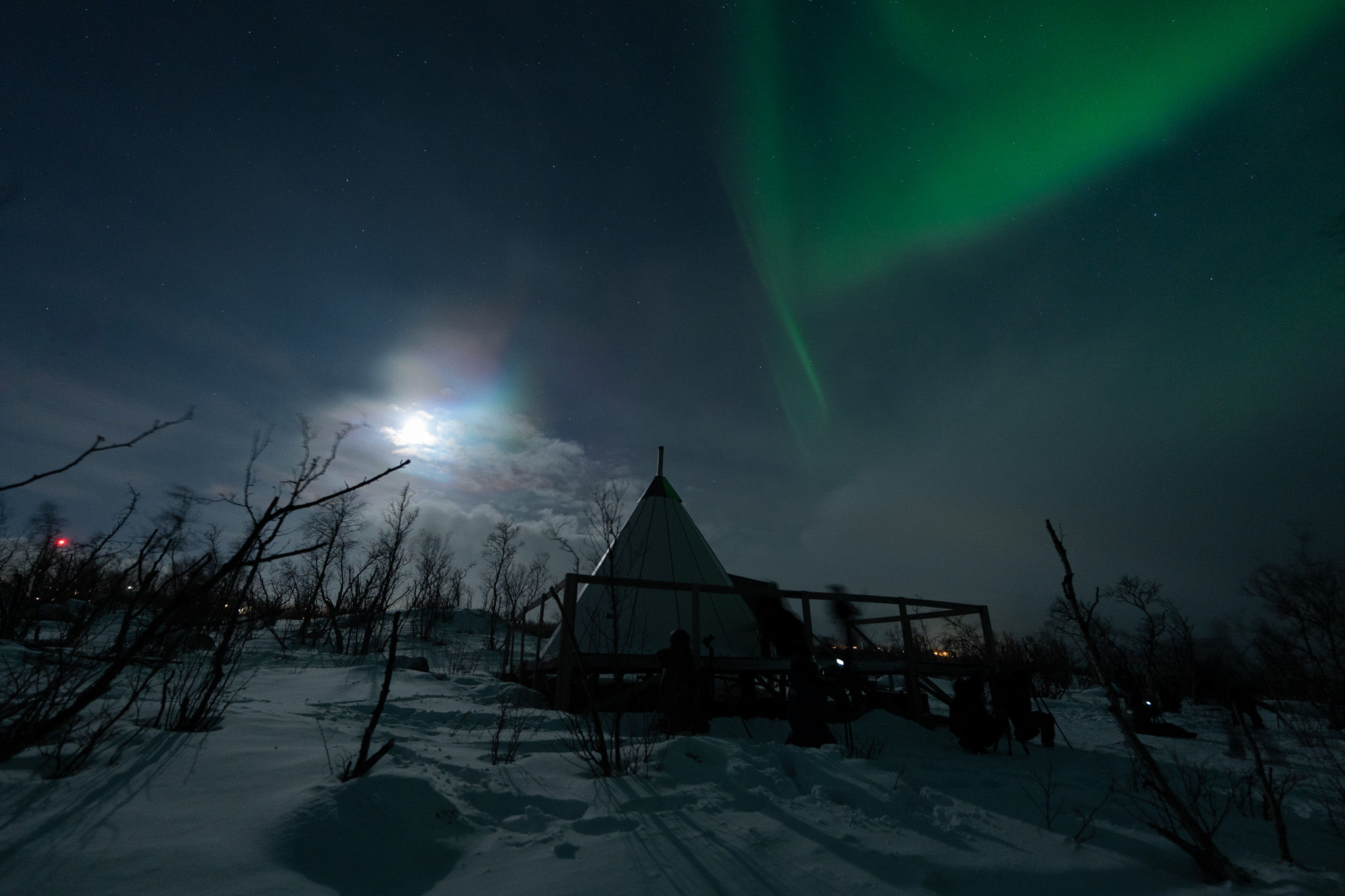
"This is my first full season as a guide," says Feislachen. "Abisko catches a lot of people off guard." These photos show why.
The show may not be over. Although PSCs normally appear only a few times each winter, the current outbreak is already 6 days old. First noticed in Norway on Dec. 10th, PSCs were still being seen on Dec. 15th as far south as Scotland and England. Until further notice, Arctic sky watchers should remain alert for these rare clouds, night and day.
Realtime Space Weather Photo Gallery
Free: Spaceweather.com Newsletter
CHRISTMAS GIFTS FROM THE EDGE OF SPACE: Christmas is coming. Are you looking for a far-out gift? Check out the Earth to Sky Store. It's filled with unique items that have flown to the edge of space onboard cosmic ray research balloons.
Carried aloft by giant helium balloons, these unique gifts have flown above 99.7% of Earth's atmosphere, experiencing space-like blasts of cosmic rays, extreme cold, and a wild ride parachuting back to Earth after the balloon explodes. Even Amazon doesn't carry items this far out.
Don't forget to enter coupon code "BLACKCAT" at checkout for a 10% holiday discount.
Far Out Gifts: Earth to Sky Store
All sales support hands-on STEM education
Realtime Comet Photo Gallery
Free: Spaceweather.com Newsletter
Realtime Aurora Photo Gallery
Free: Spaceweather.com Newsletter