WHEN IS THE NEXT SUPERSTORM? Last May's geomagnetic superstorm lit up most of Earth's surface with beautiful auroras. When will it happen again? A new paper published in the research journal Space Weather calculates the odds. Using an extreme value statistical analysis, researchers concluded that "the storm's intensity was a 1-in-12.5 (±1.5) year event, however the duration was a 1-in-41 years event." For many readers, therefore, something similar will happen again in our lifetimes. Aurora alerts: SMS Text.
GEOMAGNETIC STORM WATCH--EXTENDED: The Valentine's Day light show could continue through the weekend as Earth moves deeper into a solar wind stream that arrived on Feb. 14th. "We observed a 20-minute outbreak of lovely auroras," reports Manfred Birawsky, who photographed the display from the deck of a Hurtigruten cruise ship near Bergsfjord, Norway:
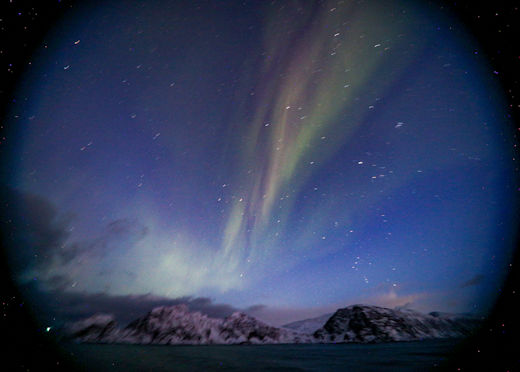
"Due to the movement of the vessel, I could only expose for about 1.6 seconds," he say, "but that was enough time to capture their beautiful colors. Happy Valentine's Day!"
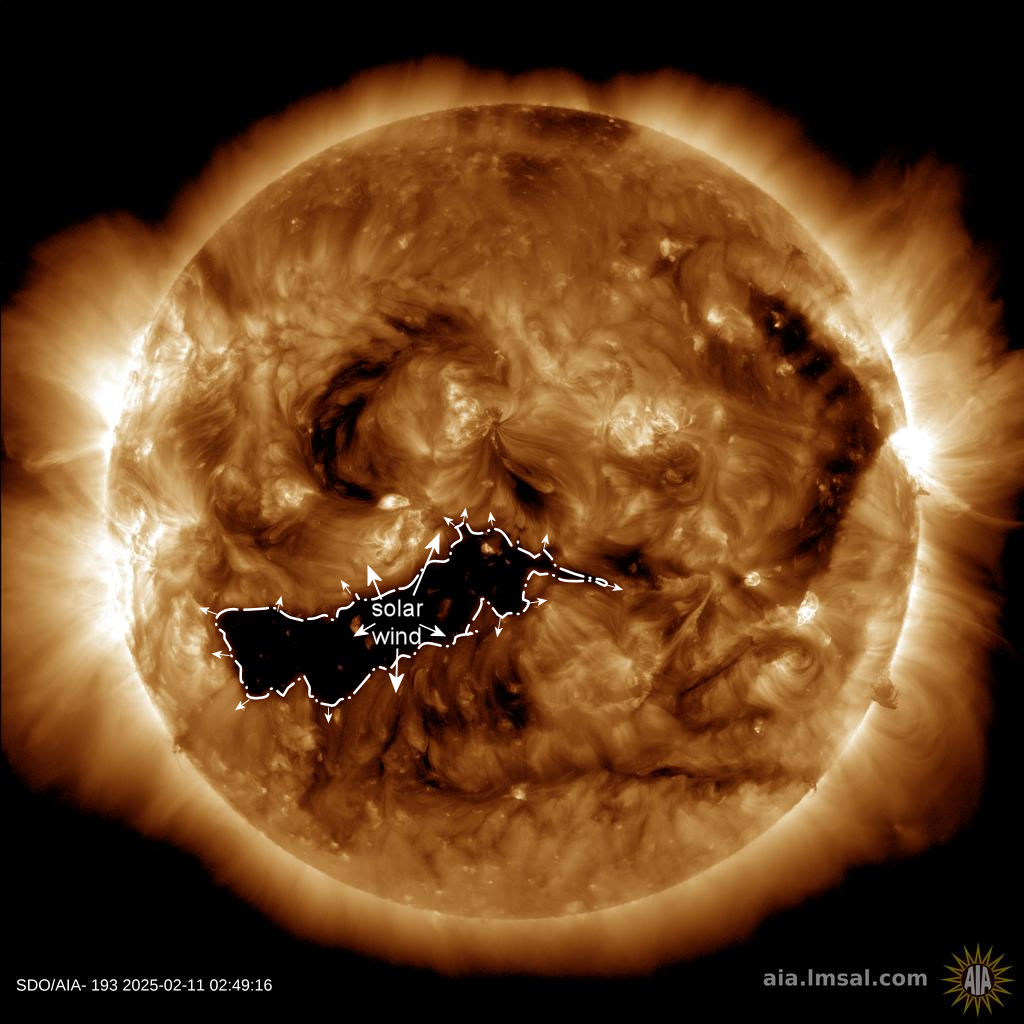
The solar wind is flowing from a canyon-like hole in the sun's atmosphere. The hole is so wide, Earth could be inside the stream for another 2 or 3 days, sparking intermittent G1-class geomagnetic storms throughout. Aurora alerts: SMS Text.

Realtime Aurora Photo Gallery
Free: Spaceweather.com Newsletter
24K SPACE ROSE: On Jan. 24, 2025, the students of Earth to Sky Calculus launched a cosmic ray balloon to the stratosphere. The 24K Space Rose went along for the ride:
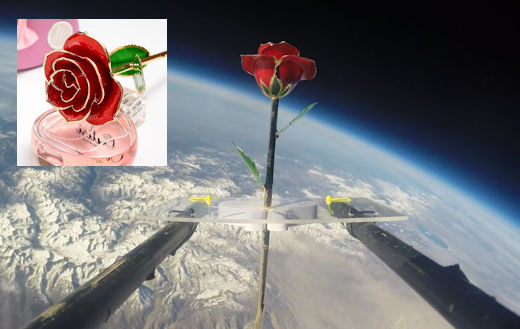
You can have it for $127.75. At the apex of the flight, the gold-dipped and gilded bloom was 115,823 feet above the Sierra Nevada mountains of central California, touching the edge of space. It comes with a greeting card showing the flower in flight, and telling the story of its journey to the stratosphere and back again.
Far Out Gifts: Earth to Sky Store
All sales support hands-on STEM education
Realtime Aurora Photo Gallery
Free: Spaceweather.com Newsletter
Realtime Space Weather Photo Gallery
Free: Spaceweather.com Newsletter