WE NEED NOAA: It's only a matter of time. Eventually, a new Carrington Event (or worse yet, a tech-killing Miyake Event) will hit Earth. To see that storm coming, we need NOAA. Every credible space weather forecaster relies on NOAA's satellites, data feeds and computer models to anticipate solar storms. Reports of NOAA's dismantling prompt our plea to the US Government: Don't break this jewel of an agency just when we need it most.
SIGNIFICANT FARSIDE EXPLOSION AND CME: Earth just dodged a bullet. During the late hours of Feb. 24th, something (probably an active sunspot) exploded on the farside of the sun. NASA's Solar Dynamics Observatory saw an impressive spray of plasma emerging over the sun's southwestern limb:
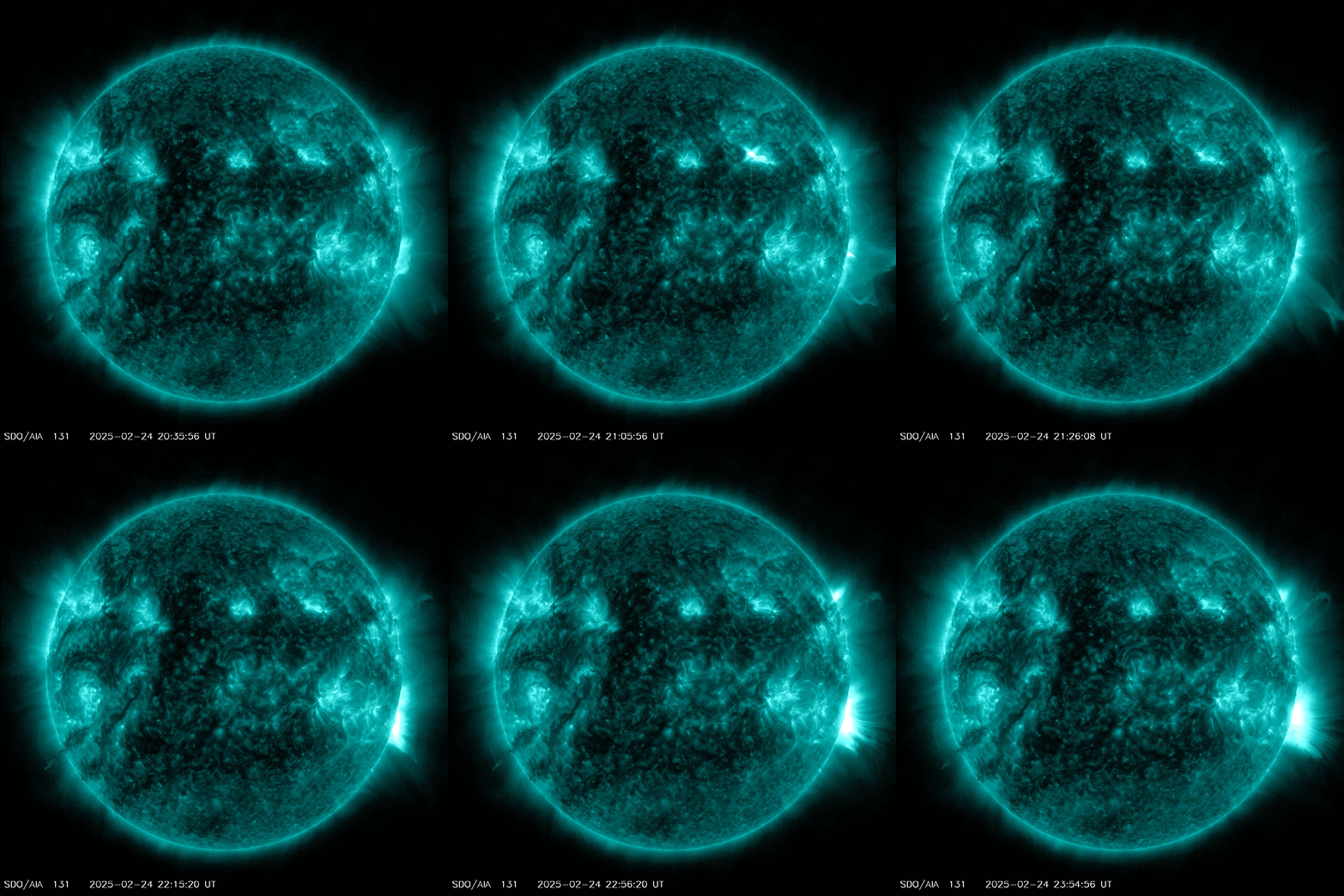
Although the flare was partially eclipsed by the edge of the sun, it still registered on NOAA satellites as a category M3.9 event. The unblocked flare was probably X-class.
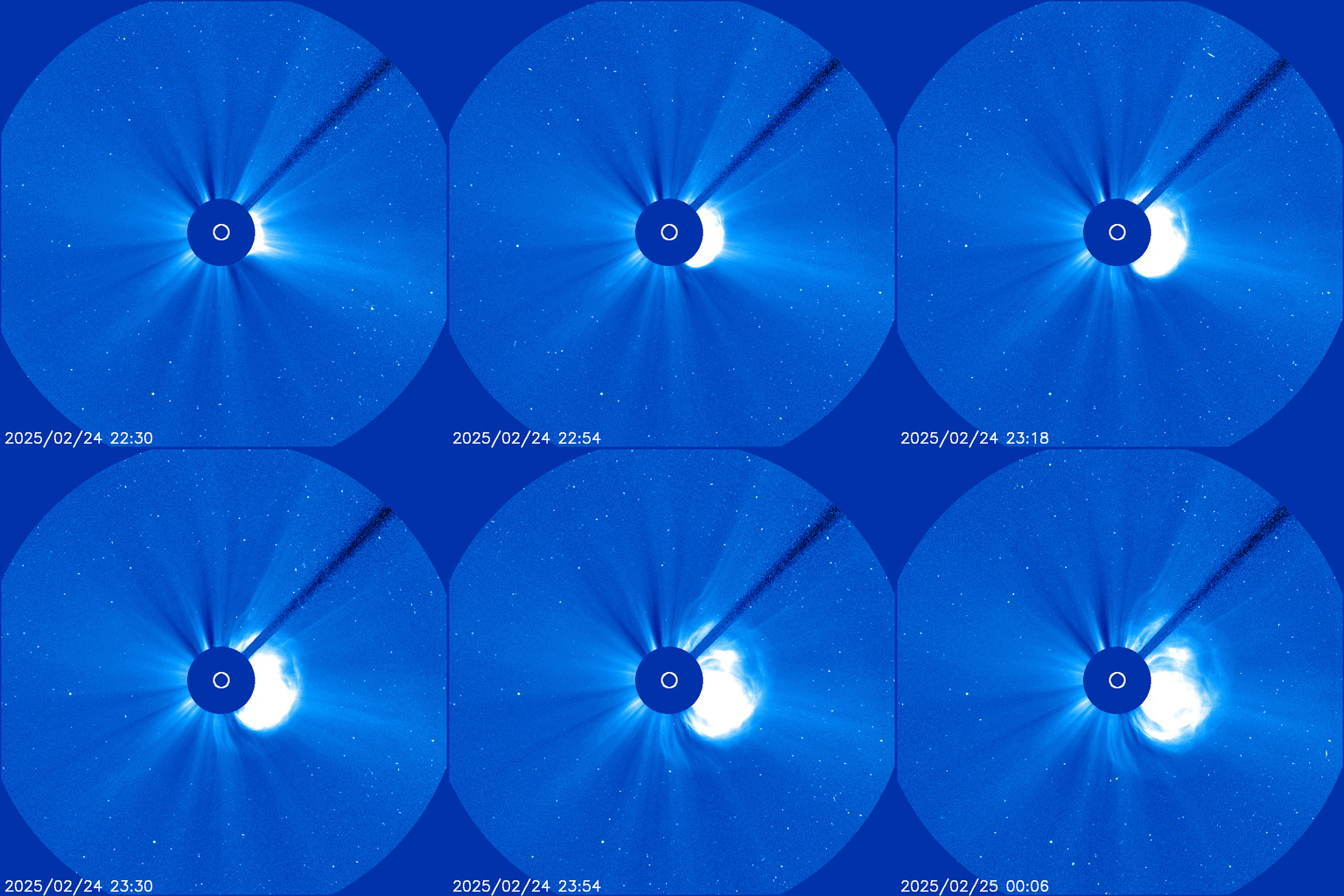
SOHO coronagraphs are tracking a very bright CME emerging from the blast site. If it hit Earth (it won't), the CME would probably cause a strong-to-severe geomagnetic storm.
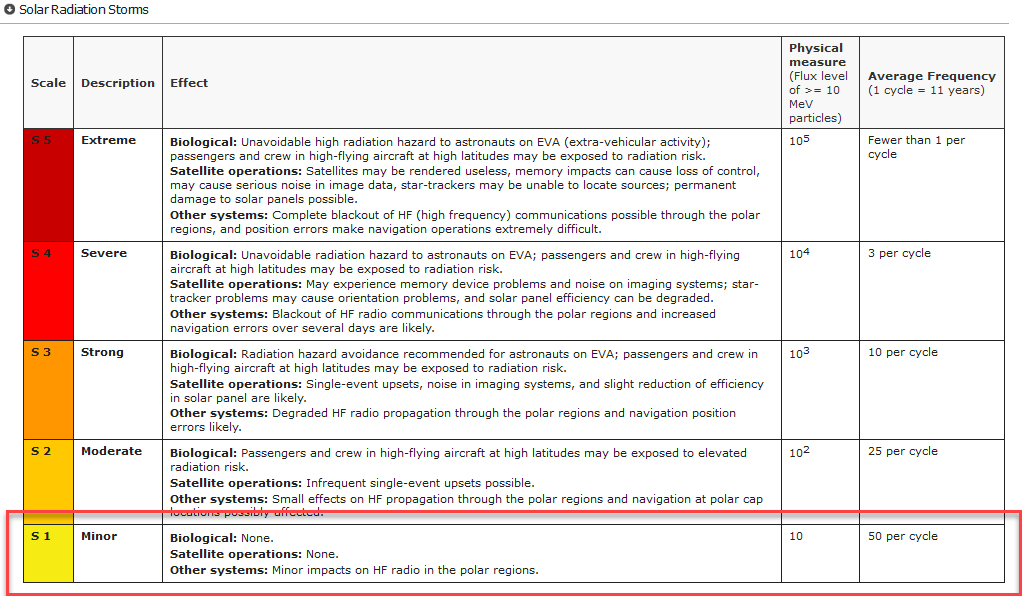
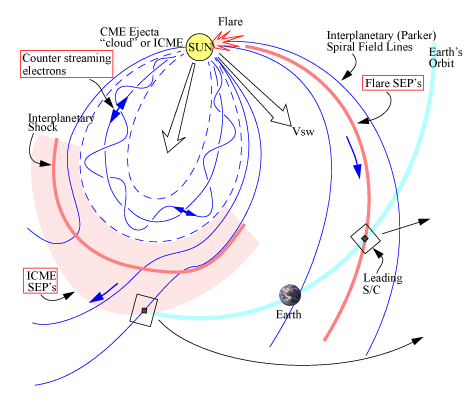
Correction: We didn't dodge every bullet. Solar protons are now raining down on Earth in an intensifying S1-class radiation storm. Accelerated into space by the farside flare, these protons followed the Parker Spiral to reach our planet.
The main effect of the ongoing radiation storm is a polar cap absorption event (PCA):
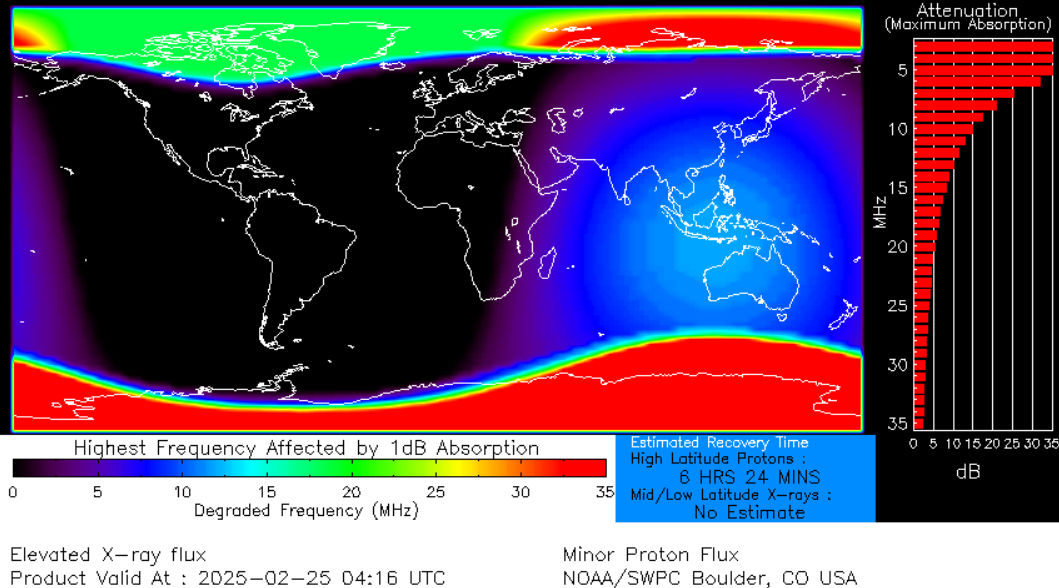
Red zones in this global map show where shortwave transmissions are being absorbed. Frequencies below 15 MHz are almost completely blacked out, while anything below 35 MHz is being attentuated. The PCA will probably persist for another 24 hours.
Realtime Space Weather Photo Gallery
Free: Spaceweather.com Newsletter
THE INFINITE RAINBOW PENDANT: Nothing says "I Love You" like an Infinite Rainbow Pendant from the edge of space. It's an authentic Swarovski crystal wrapped in a sterling silver infinity loop, which flew 113,209 feet above the Sierras on an Earth to Sky cosmic ray research balloon:
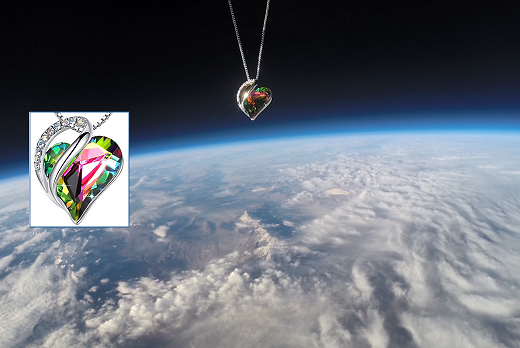
You can have it for $162.95. The crystal glitters with all the colors of a rainbow. It is suspoended from a matching 18-inch silver-embossed chain with a 2-inch extender. The pendant comes with a romantic card showing the jewelry in flight and telling the story of its journey to the edge of space and back again.
Far Out Gifts: Earth to Sky Store
All sales support hands-on STEM education
Realtime Space Weather Photo Gallery
Free: Spaceweather.com Newsletter
Realtime Aurora Photo Gallery
Free: Spaceweather.com Newsletter