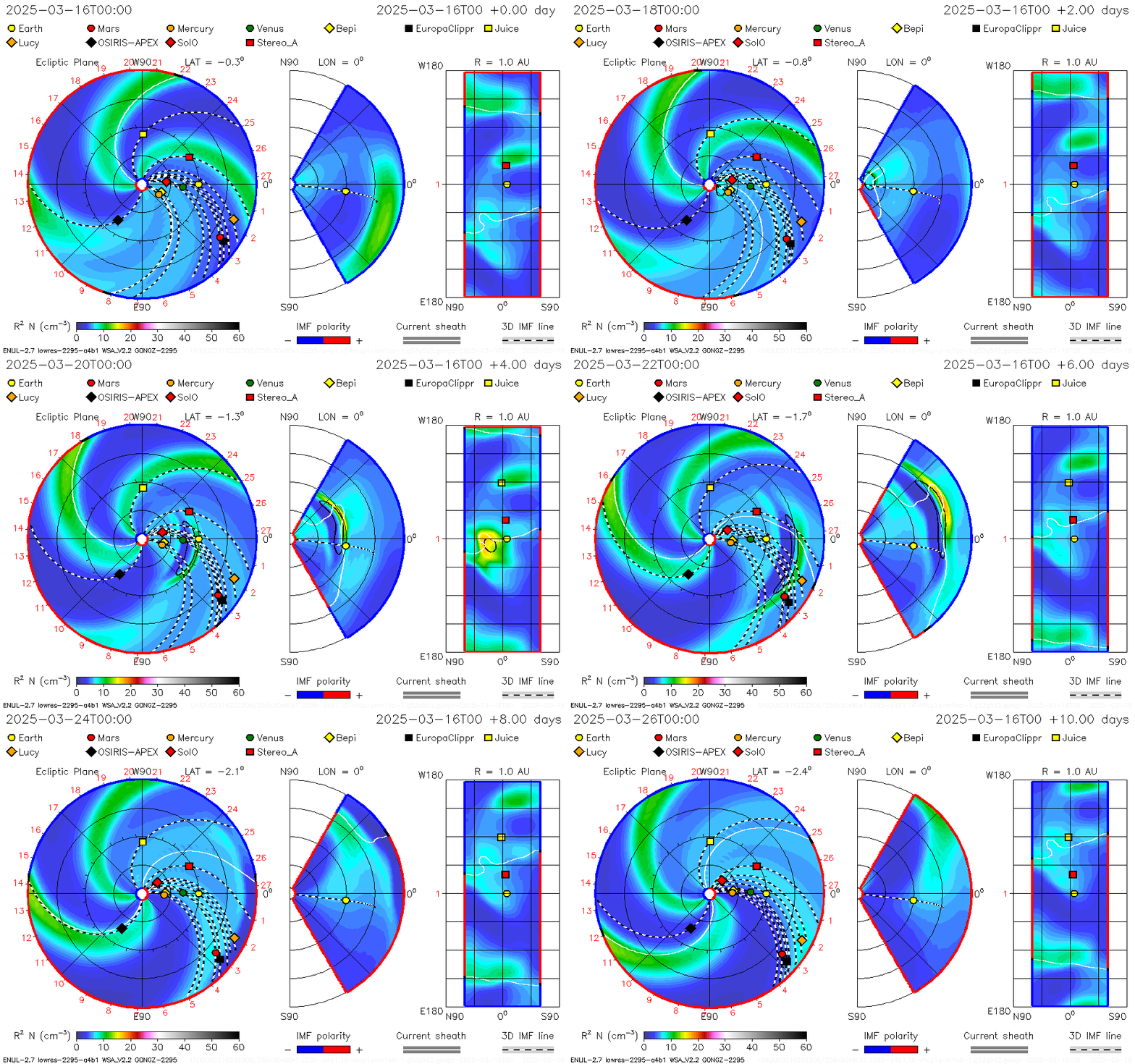
EQUINOX GEOMAGNETIC STORM WATCH: Minor G1-class geomagnetic storms are possible on March 20th when a CME might graze Earth's magnetic field. The bulk of the CME will miss our planet, but its flank could make contact, according to a NASA model. At this time of year, even a glancing blow can cause a geomagnetic storm thanks to the equinox Russell-McPherron effect. Aurora alerts: SMS Text.

THE RUSSELL-MCPHERRON EFFECT IS DELIVERING: No geomagnetic storm, no problem. Yesterday, auroras exploded over Finland despite the lack of any significant solar activity. Didier Van Hellemont photographed the outburst from Nuorgam, the northernmost village in the European Community:
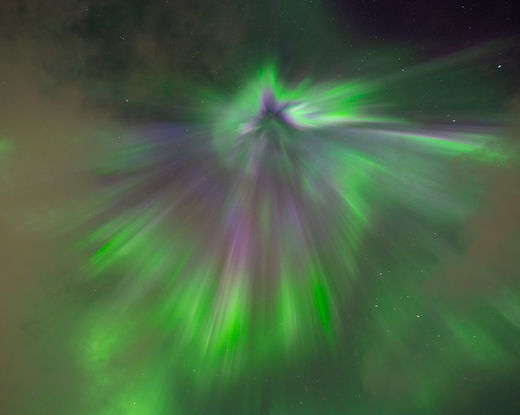
"The Russell-McPherron effect is delivering!" says Van Hellemont. "Even with a relatively modest solar wind, people in the subarctic get rewarded with these great aurora displays."
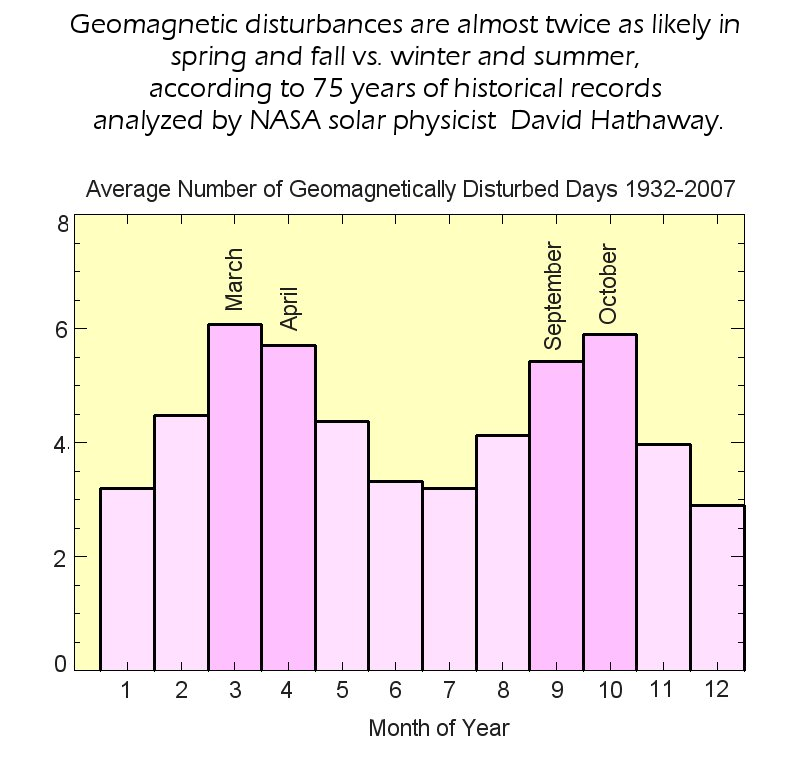
Named after the researchers who first explained it in the 1970s, the Russell-McPherron effect happens around the equinoxes when magnetic fields on the sun and Earth can align and link up. This creates a sort of superhighway for solar wind to flow directly into Earth's magnetosphere. A 75-year study shows that March is the most geomagnetically active month of the year, followed closely by September-October--a direct result of the Russell-McPherron effect.
With the vernal equinox only a few days away, more aurora outbursts are in the offing, so stay tuned. Aurora alerts: SMS Text.
Realtime Aurora Photo Gallery
Free: Spaceweather.com Newsletter
ST. PATRICK'S DAY GREEN FLASH: On St. Patrick's Day, it's a tradition to wear green. The sun itself celebrated March 17th with a bright green flash:
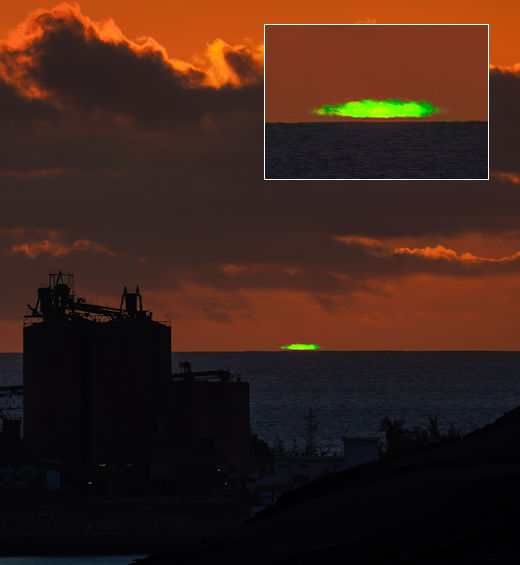
Marina Prol photographed the emerald ray from Gran Canaria, Canary Islands. "What better way to end St. Patrick's Day than with a green flash?" says Prol. "This atmospheric event is not as rare or elusive as most people think. It’s due to refraction."
Indeed, it's not unusual for the setting sun to split into multiple colors. Earth's atmosphere acts like a prism, separating the solar disk into red, green, and blue components. Green flashes happen when a mirage magnifies the normal atmospheric refraction, transforming the green into a startling flash. A layer of warm air next to the ocean produced the necessary mirage for Prol's flash.
Realtime Green Flash Photo Gallery
Free: Spaceweather.com Newsletter
"METEOR CRATER" CRYSTAL PENDANT: Have you heard of Moissanite? It's a very rare mineral discovered in Arizona's Meteor Crater by 19th-century chemist Henri Moissan. At first, he thought it was diamond, but later realized it was even more rare. It came from meteorites! On March 4, 2025, the students of Earth to Sky Calculus launched a Moissanite pendant to the stratosphere onboard a cosmic ray research balloon:
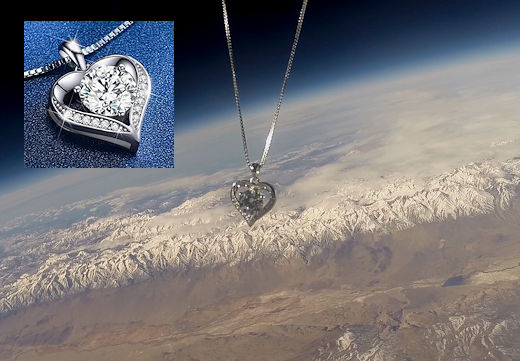
You can have it for $299.95. Almost indistinguishable from natural diamond, the 3-carat crystal is held by a sterling silver frame with the words "I Love You" engraved on the back. It's a truly out of this world gift.

The students are selling space jewelry to pay the helium bill for their high altitude ballooning program. Each pendant comes with a greeting card showing the item in flight and telling the story of its journey to the stratosphere and back again.
Far Out Gifts: Earth to Sky Store
All sales support hands-on STEM education
Realtime Space Weather Photo Gallery
Free: Spaceweather.com Newsletter
Realtime Venus Photo Gallery
Free: Spaceweather.com Newsletter