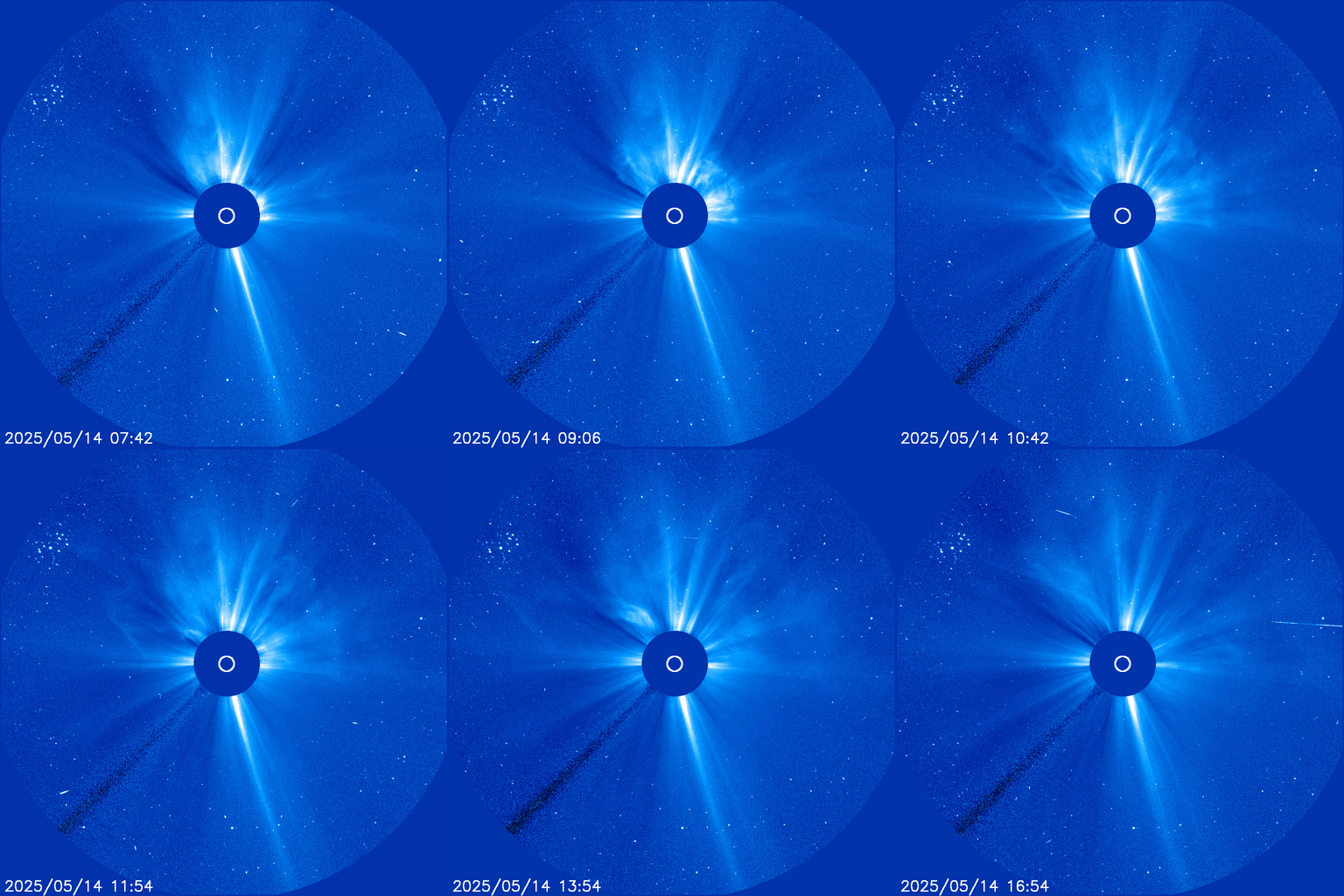
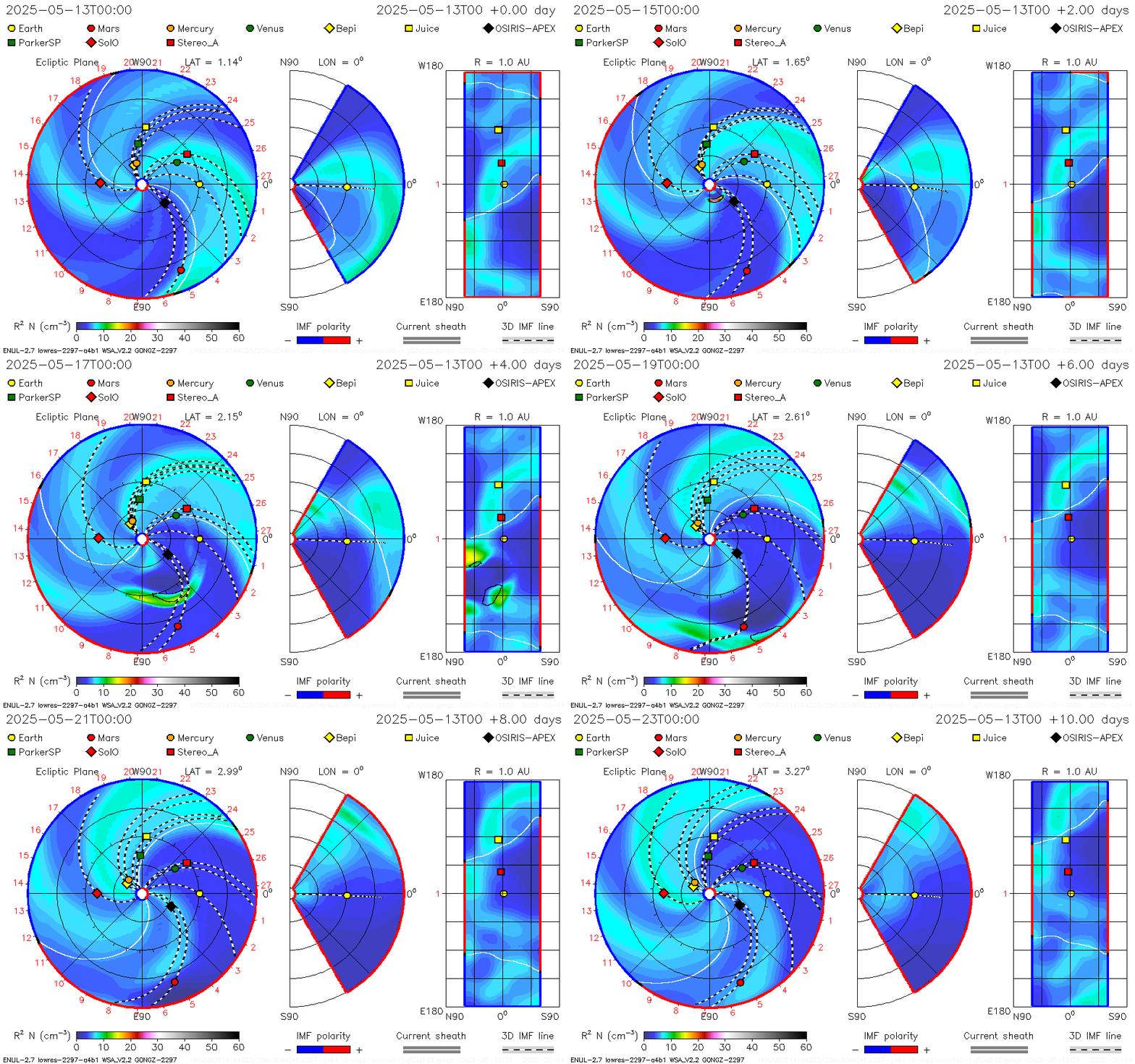
AURORA WARNING ISSUED FOR MARS: Yesterday's X2.7-class solar flare hurled a CME into space. It won't hit Earth, but it will hit Mars. According to a NASA model, the CME will reach the Red Planet on May 18th. The impact could spark global auroras and erode a small amount of the planet's carbon dioxide atmosphere. CME impact alerts: SMS Text
FIZZY TRI-HYDROGEN AURORAS ON JUPITER: NASA's James Webb Space Telescope (JWST) has discovered a new type of aurora "fizzing and popping" on Jupiter. Unlike auroras on Earth, which come from oxygen and nitrogen, Jupiter's arise from a completely different compound: Ionized trihydrogen (H3+).
Trihydrogen is rare on Earth, but it is one of the most abundant ions in the universe, widespread in interstellar space and also in the cloudtops of gas giant planets like Jupiter. The atomic structure of H3+ causes it to glow with infrared light when it is involved in aurora-producing space storms. That's why the infrared cameras of JWST can detect it.
Trihydrogen auroras have been seen before, especially on Neptune, but these auroras on Jupiter are different. They change faster than than theories predict.
"We expected Jupiter's auroras to fade in and out ponderously," says astronomer Jonathan Nichols (University of Leicester), who led the observing team. "Instead, we observed the whole auroral region fizzing and popping with light, sometimes varying by the second.”
Jupiter's auroras also feature "extinction events." Bright regions in the auroral zone can suddenly go dark in a matter of seconds. This graphic highlights one such event:

"The radiance at this location increased steadily for the several minutes [before it] dropped precipitously, reducing in brightness by around 40%," wrote Nichols and his team.
The auroras' variability may be linked to Jupiter's moon Io. On most worlds, auroras are ignited by the solar wind or a CME strike. On Jupiter, volcanic exhaust from Io can do the same job. Io is by far the most volcanically active body in the solar system with dozens of volcanoes erupting simultaneously. Energetic particles emerging from Io's vents create trihydrogen when they strike Jupiter's atmosphere, impressing upon the auroras any irregularities in the volcanic exhaust.
Want to learn more? Read the original research in Nature Communications.
Realtime Space Weather Photo Gallery
Free: Spaceweather.com Newsletter
LASER-ETCHED FULL MOON CRYSTAL NIGHT LIGHT: This crystal night light comes from the edge of space, and it is bearing a message: "I Love You to the Moon and Back." On April 23, 2025, the students of Earth to Sky Calculus launched it to the stratosphere onboard a giant helium balloon:

You can have it for $135.99. Made of high-quality K9 crystal, the rectangular mini-monolith contains a 3D laser-etched full Moon floating above the text "I Love You to the Moon and Back." It also comes with an LED base, which allows the crystal to be used as a red, green or blue night light.
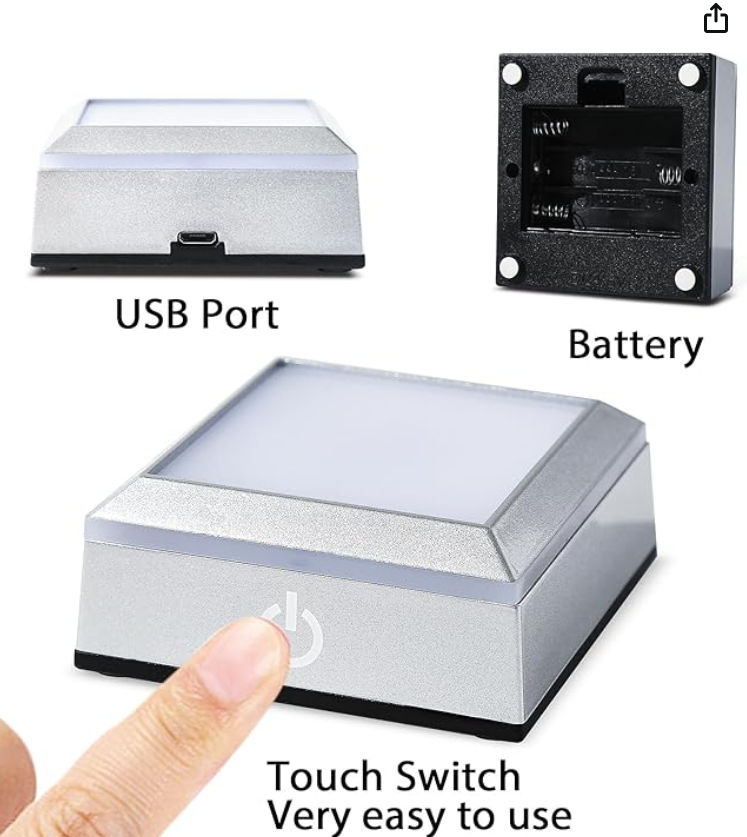
The students are selling space crystals to pay the helium bill for their high altitude ballooning program. Each one comes with a greeting card showing the item in flight and telling the story of its journey to the stratosphere and back again.
Far Out Gifts: Earth to Sky Store
All sales support hands-on STEM education
Realtime Aurora Photo Gallery
Free: Spaceweather.com Newsletter
Realtime Comet Photo Gallery
Free: Spaceweather.com Newsletter