MINOR GEOMAGNETIC STORM WATCH: NOAA forecasters say there is a chance of minor G1-class geomagnetic storms today, May 28th, as Earth enters a stream of high-speed solar wind. If such a storm does occur, the phase of the Moon (almost New) favors photography of faint auroras at high latitudes. Aurora alerts: SMS Text

THIS SUNSPOT IS A SENIOR CITIZEN: Contact the AARP. Sunspot 4100 wants to join. While most sunspots last no longer than a week, sunspot 4100 is still going strong after two months. "This is its third run across the sun," says German astronomer Harald Paleske, who photographed the active region on May 27th:
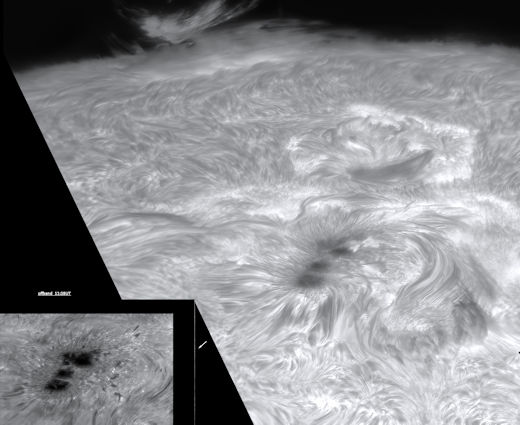
"I observed this sunspot for the first time on April 5, 2025," says Paleske. "It rapidly developed, eventually growing into the largest sunspot of 2025."
Since then, NOAA has renumbered the sunspot three times (4055, 4079, and 4100), once for each transit across the solar disk. So far the sunspot has existed for 54 days.
How long can a sunspot live? A sunspot in the 19th century was once rumored to last for 18 months. That myth was debunked in a 1951 study conducted by Mount Wilson solar astronomer Edwin Pettit. In historical records, the longest-lived sunspots he could find were 121 days (1840-41) and 134 days (1919).
To match those records, today's sunspot 4100 would need to survive for 2 or 3 more months. It might. The sunspot is remarkably stable. It changed very little during its previous transit, and didn't produce a single significant solar flare.
"I'm curious to see how long the sunspot will be with us," says Paleske. Stay tuned!
more images: from Frank J Melillo of Holtsville, New York; from Astro Tafelberg of Austria
Realtime Space Weather Photo Gallery
Free: Spaceweather.com Newsletter
*REAL* MONEY FROM SPACE: The US Mint has just released a new $1 coin to honor NASA's longest-serving spacecraft: The Space Shuttle. On May 25, 2025, the students of Earth to Sky Calculus launched the coins to the stratosphere onboard a cosmic ray research balloon:
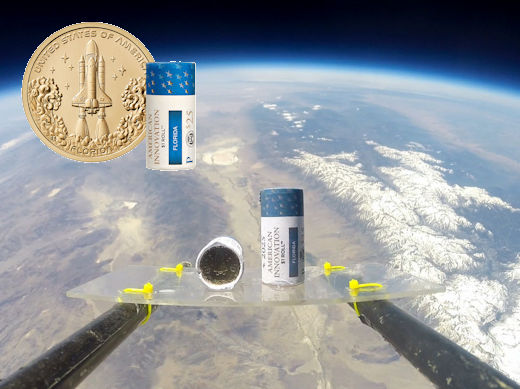
You can have a single coin for $49.95 or an entire unbroken roll for $299.95. No longer available from the US Mint, these rare coins flew 119,343 feet above the Sierra Nevada on July 16, 2024. One side shows the space shuttle lifting off from Launch Complex 39 at Florida’s Kennedy Space Center; the other side features the Statue of Liberty in profile.
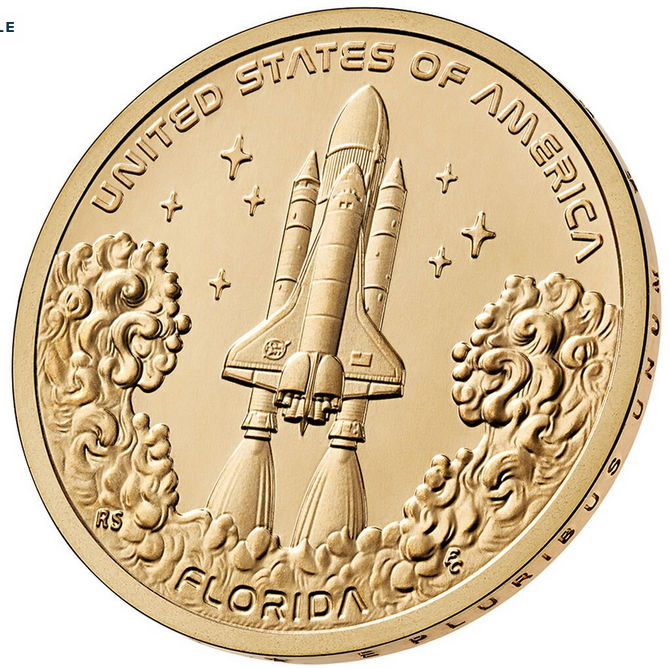
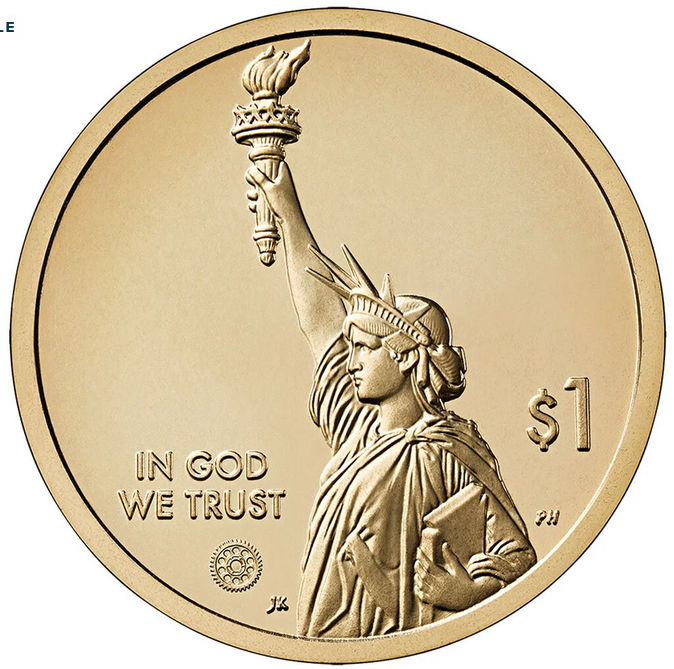
Bonus: If you need to, you can spend these coins. They're real legal tender.
The students are selling space coins to support to support their cosmic ray research program. (Helium is expensive!) Each order comes with a greeting card showing the coins in flight and telling the story of their journey to the stratosphere and back again.
Far Out Gifts: Earth to Sky Store
All sales support hands-on STEM education
Realtime Aurora Photo Gallery
Free: Spaceweather.com Newsletter
Realtime Comet Photo Gallery
Free: Spaceweather.com Newsletter