THE NEXT GEOMAGNETIC STORM IS BEGINNING: Minor (G1-class) geomagnetic storms are likely on June 4th as Earth enters a stream of solar wind blowing 700 km/s from a hole in the sun's atmosphere. High-latitude sky watchers should be alert for auroras after local nightfall. Aurora alerts: SMS Text

THE BIGGEST FORBUSH DECREASE IN 20 YEARS: Solar storms are supposed to make radiation go up, right? A severe solar storm on June 1st did just the opposite. The Oulu Cosmic Ray Station in Finland registered the biggest drop in cosmic radiation in more than 20 years:

This is called a "Forbush Decrease," named after American physicist Scott Forbush who studied cosmic rays in the early 20th century. It happens when a coronal mass ejection (CME) sweeps past Earth and pushes galactic cosmic rays away from our planet.
On June 1, 2025, a fast-moving CME crossed Earth's orbit and thinned our planet's radiation environment. Cosmic ray fluxes dropped as much as 25%. To find another Forbush Decrease this deep, you have to go all the way back to October 30, 2003, when CMEs related to the famous Halloween Storms were pummeling Earth.
Galactic cosmic rays are an astronaut's worst enemy. The European Space Agency has called them "the radiation showstopper for Mars exploration," noting that "one day in space is equivalent to the radiation received on Earth for a whole year."
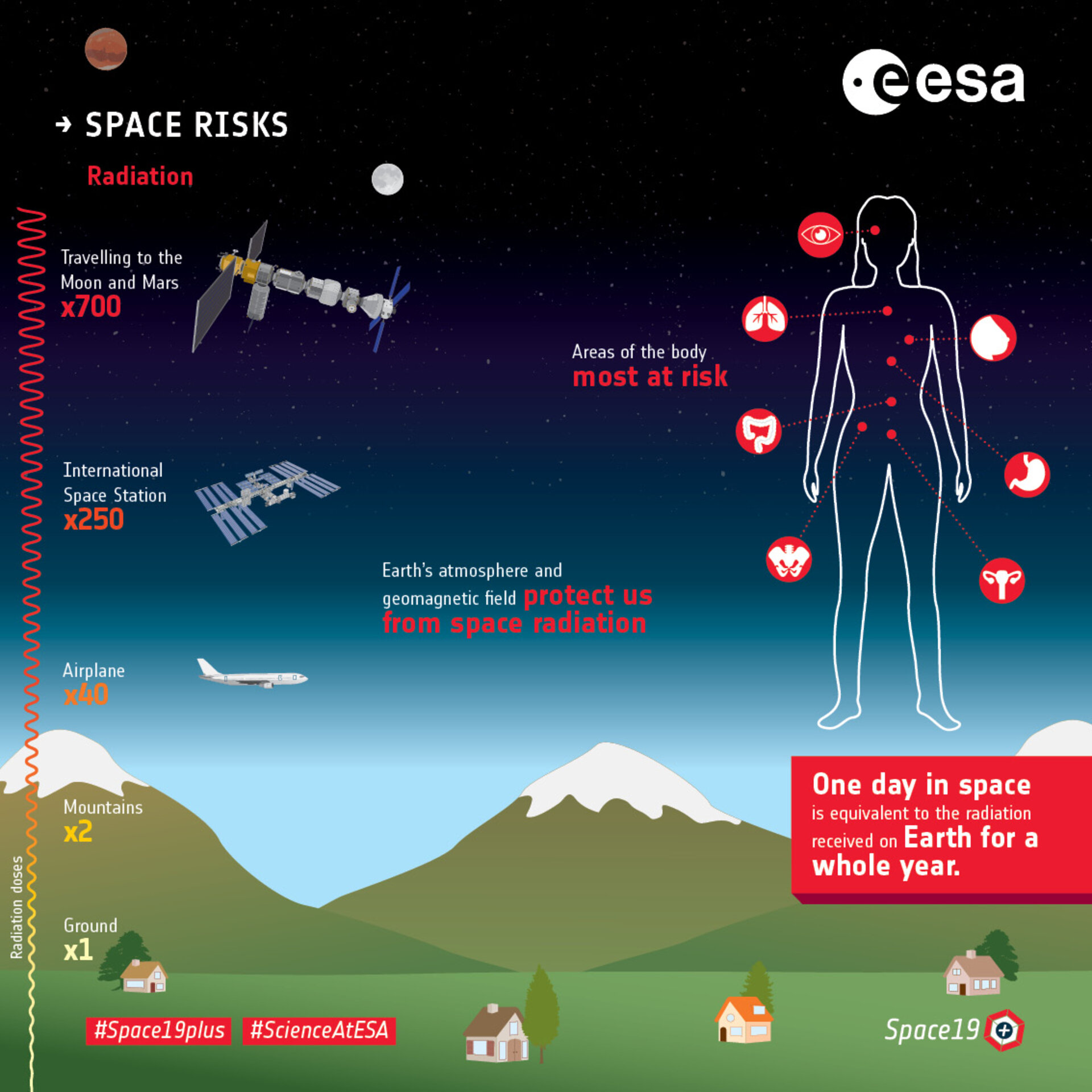
The most vulnerable parts of the human body are those with rapidly dividing cells, including bone marrow, reproductive organs, gastrointestinal tract, and skin. Forbush Decreases can provide temporary relief; the problem is, there are not enough Forbush Decreases to make a Mars journey completely safe.
The current Forbush Decrease will subside in a week or two--just enough time for a quick trip to the Moon, albeit not beyond.
Realtime Space Weather Photo Gallery
Free: Spaceweather.com Newsletter
THIS IS *REAL* MONEY FROM SPACE: The US Mint has just released a new $1 coin to honor NASA's longest-serving spacecraft: The Space Shuttle. On May 25, 2025, the students of Earth to Sky Calculus launched the coins to the stratosphere onboard a cosmic ray research balloon:
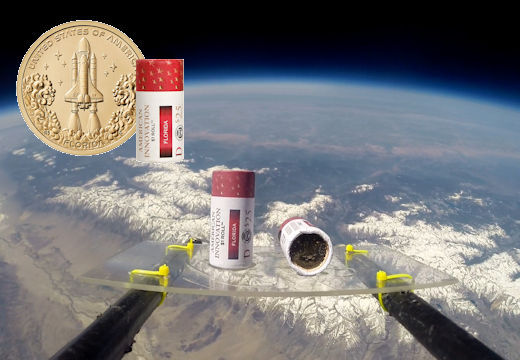
You can have a single coin for $49.95 or an entire unbroken roll for $299.95. No longer available from the US Mint, these rare coins flew 119,343 feet above the Sierra Nevada on July 16, 2024. One side shows the space shuttle lifting off from Launch Complex 39 at Florida’s Kennedy Space Center; the other side features the Statue of Liberty in profile.
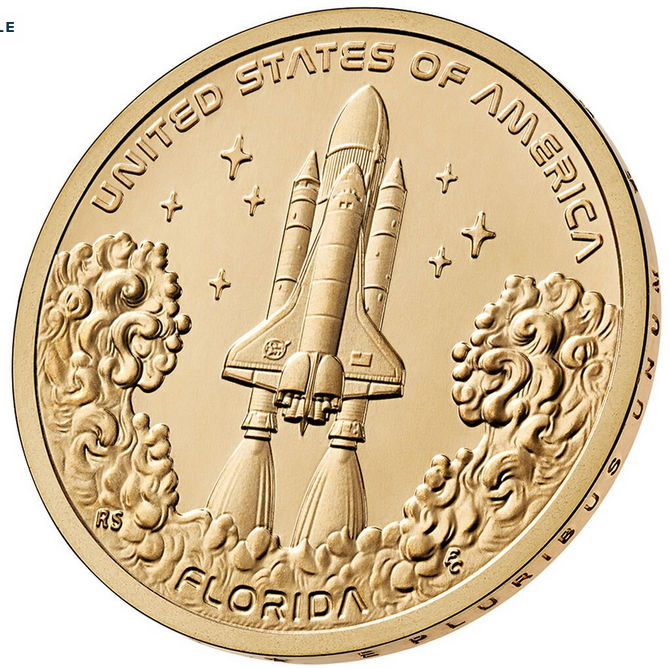

For collectors: The P mint version of these coins is also available: Get the single coin ($49.95) or an entire unbroken roll ($299.95).
The students are selling space coins to support to support their cosmic ray research program. (Helium is expensive!) Each order comes with a greeting card showing the coins in flight and telling the story of their journey to the stratosphere and back again.
Far Out Gifts: Earth to Sky Store
All sales support hands-on STEM education
Realtime Aurora Photo Gallery
Free: Spaceweather.com Newsletter
Realtime Comet Photo Gallery
Free: Spaceweather.com Newsletter