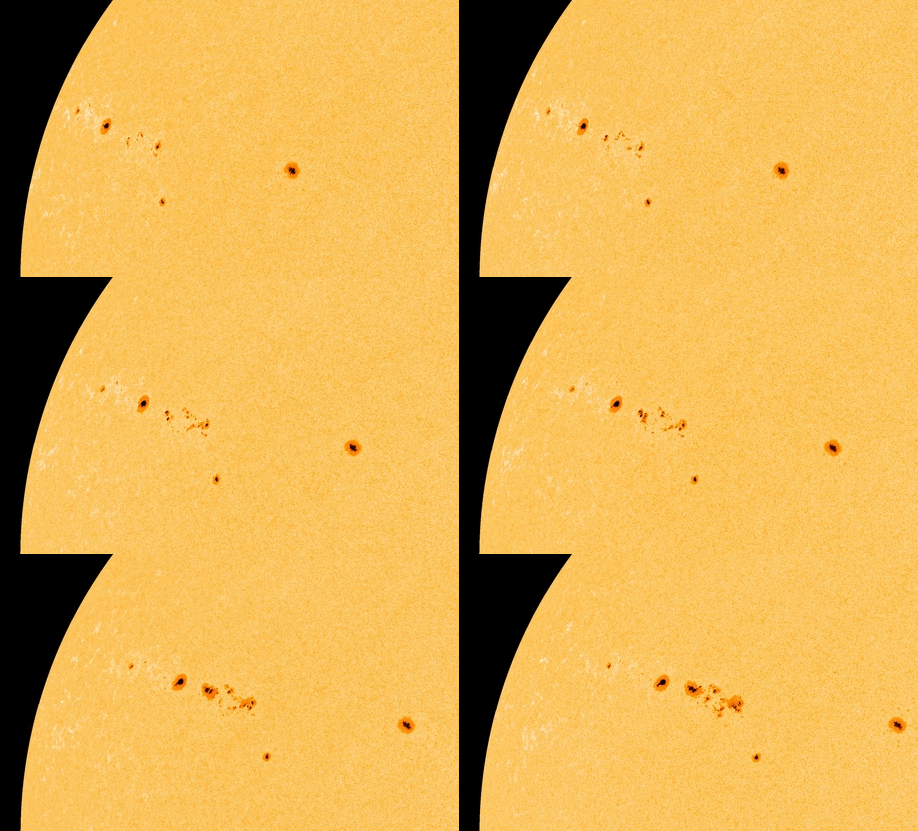
SUNSPOT NUMBERS ARE INCREASING AGAIN: A big sunspot is growing in the sun's northern hemisphere, adding to a proliferation of newly-forming spots around the solar disk. The uptick in sunspot number is producing a corresponding increase in the odds of a solar flare. NOAA forecasters estimate a 40% chance of M-class flares and a 5% chance of X-flares this weekend. Solar flare alerts: SMS Text
THE STORM IS SUBSIDING: Something hit Earth on June 13th. NOAA thinks it was a CME. We lean toward a CIR. Whatever it was, it sparked a geomagnetic storm that lasted more than 24 hours. During the day-long event, storm levels ranged between G1 (Minor) and G2 (Moderate) with auroras briefly dipping to mid-latitudes.


Taichi Nakamura watched the show from New Zealand's Aoraki Mount Cook National Park (+43.6 S):
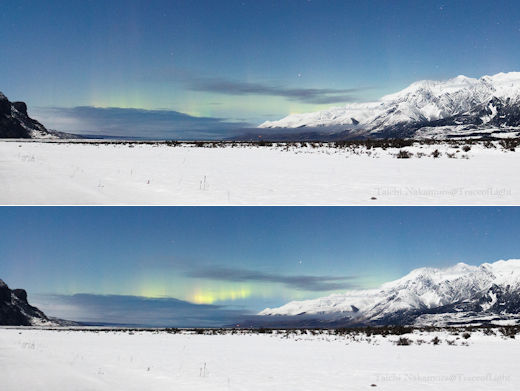
"The moonlight reflecting from the snow was very bright, but the structure of the aurora was still quite visible to the naked eye," says Nakamura.
more images: from Ian Griffin of Middlemarch, Otago, New Zealand; from Aaron Watson of the West Elk Mountains, Colorado; from Jessica Fridrich of Binghamton, New York; from Jim Peacock of Red Cliff, Wisconsin
Realtime Aurora Photo Gallery
Free: Spaceweather.com Newsletter
CONSTELLATION CAT NIGHT LIGHT (CRYSTAL BALL): It's the most far-out feline night light ever--the Constellation Cat Crystal Ball. On April 23, 2025, the students of Earth to Sky Calculus launched it to the stratosphere onboard a giant helium balloon.
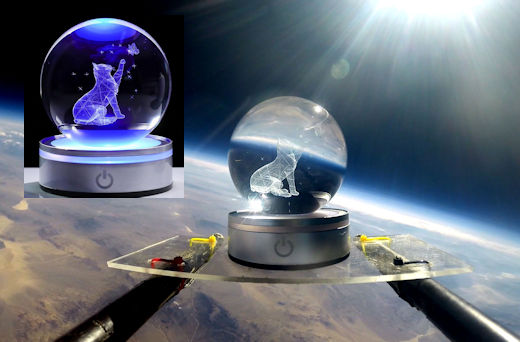
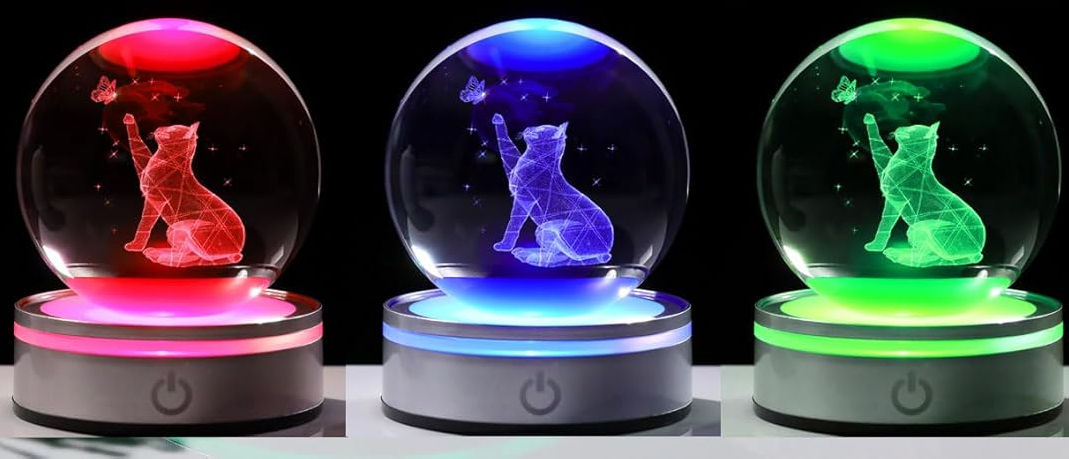
You can have it for $139.95. Outlined by stars in the style of an astronomical constellation, the laser-etched cat comes with an LED stand that produces a soothing glow for your bedside table. Also included: A unique greeting card shows the crystal ball in flight and tells the story of its journey to the edge of space.
Far Out Gifts: Earth to Sky Store
All sales support hands-on STEM education
Realtime Space Weather Photo Gallery
Free: Spaceweather.com Newsletter
Realtime Noctilucent Cloud Photo Gallery
Free: Spaceweather.com Newsletter