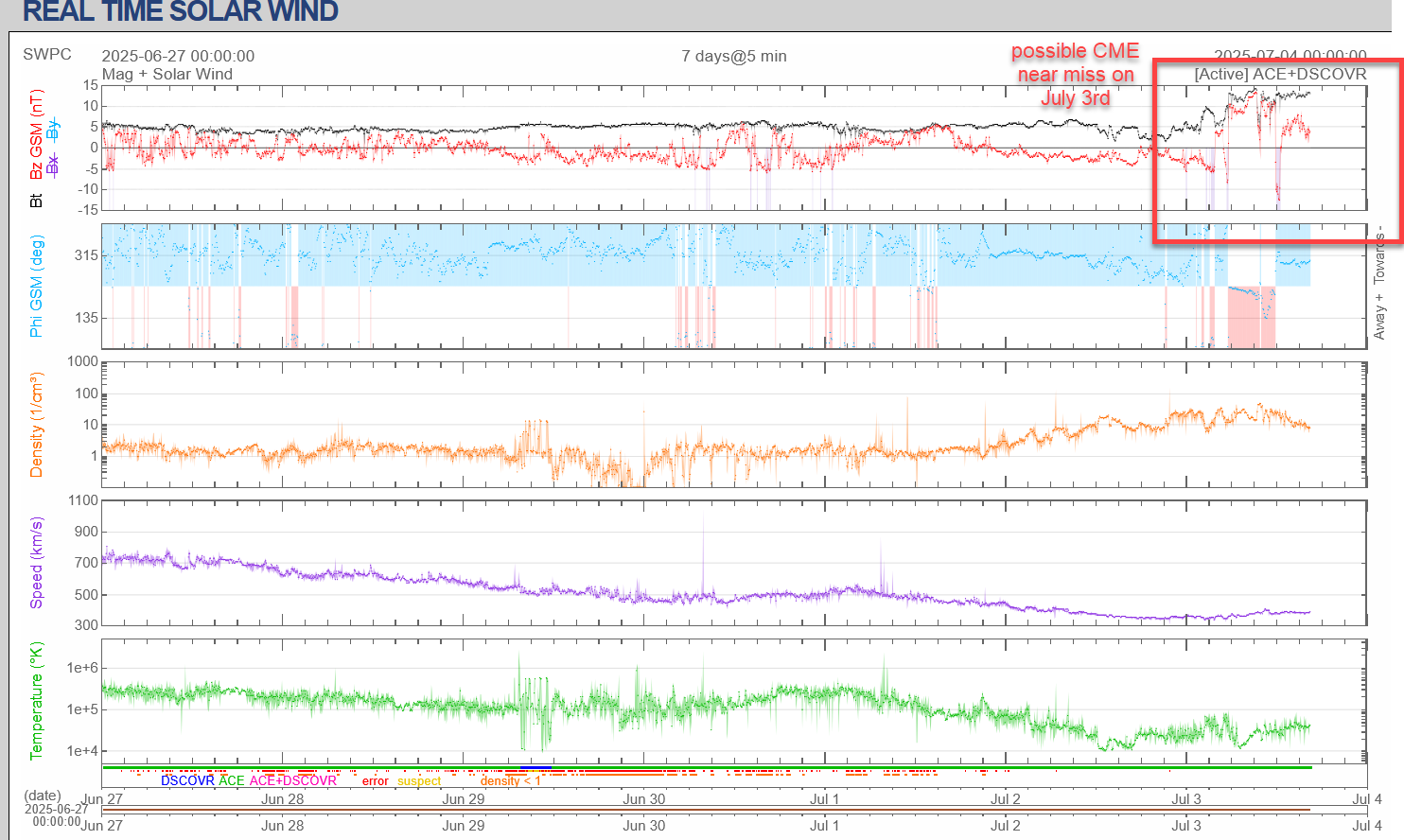
A CME JUST PASSED EARTH: Solar wind data suggest that a CME passed close to Earth on July 3rd around 0400 UTC. The close encounter did not spark a geomagnetic storm, although one is still possible as ripples from the CME continue to wash over our planet. Aurora alerts: SMS Text
INTERSTELLAR COMET ATLAS: The Minor Planet Center has confirmed that 3I/ATLAS is a comet, and, with an orbital eccentricity near 6, it definitely comes from another star. This makes it only the 3rd known interstellar object to pass through our Solar System. Last night, Austrian astrophotographer Michael Jaeger photographed it as a faint pinprick gliding among the stars:
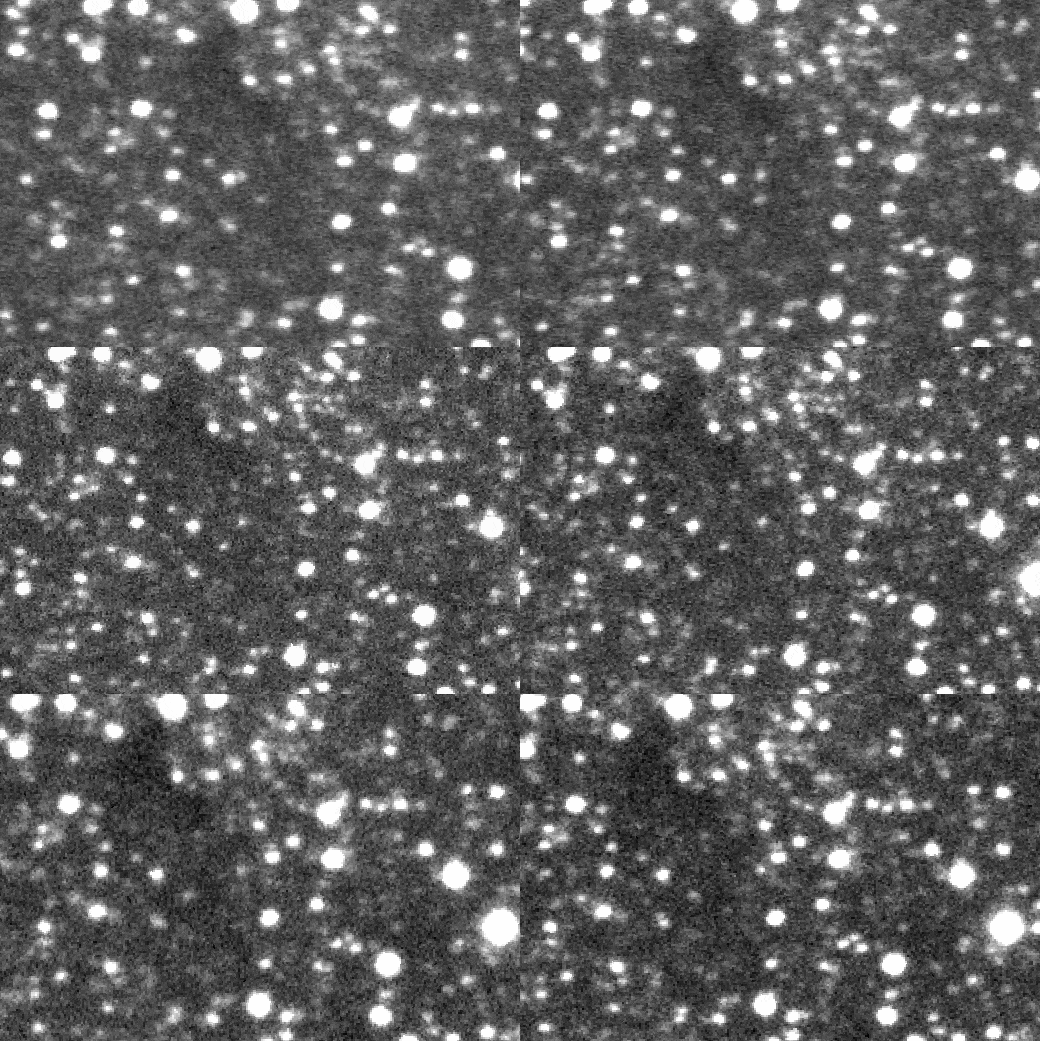
"The comet is currently around magnitude 18, but could brighten to 15 later in the year," says Nick James of the British Astronomical Association. "It should be observable with amateur equipment for the next year or so. What an amazing opportunity to observe a visitor from another star system!"
October 2025 will be particularly interesting. The comet is on course for a close encounter with Mars. At the same time it will be near its maximum brightness. Because the comet comes from outside our solar system, it could behave differently than local comets, brightening much more (or much less) than expected. Previous interstellar objects 'Oumuamua in 2017 and Comet Borisov in 2019 caused a sensation among astronomers; 3I/ATLAS should do the same.
Observers who wish to track the comet can find its orbit and ephemerides here.
Realtime Space Weather Photo Gallery
Free: Spaceweather.com Newsletter
THE NOCTILUCENT SKY SHOW CONTINUES: A widespread outbreak of noctilucent clouds (NLCs) that began around the northern summer solstice is still in progress. Last night, the electric-blue ripples were seen in Europe as far south as Italy, while a typical display looked like this one over Pomorskie, Poland:
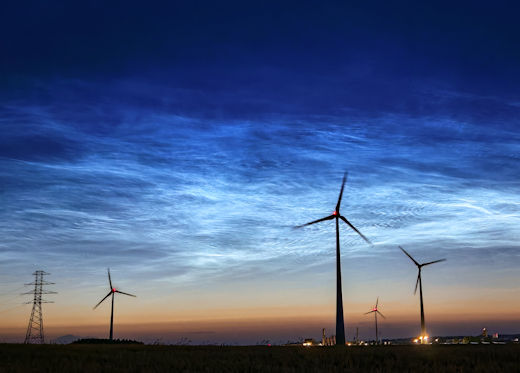
"Right after sunset, a friend messaged me, sent me a photo, and asked if what he was seeing were noctilucent clouds. It was 10:50 PM," says photographer Tadek Piotrowski. "I replied that 'yes, they were,' grabbed my phone, put on my shoes, and drove out of the city to find a clear horizon to admire the clouds. They were stunning!"
NLCs are Earth's highest clouds (altitude 83 km). They appear every June when summertime wisps of water vapor rise to the edge of space and form rimes of ice around the ash of burned-up meteors. Fine ripples and a blue glow distinguish them from ordinary clouds. Look for NLCs after sunset when geometry favors their visibility.

Realtime Noctilucent Cloud Photo Gallery
Free: Spaceweather.com Newsletter
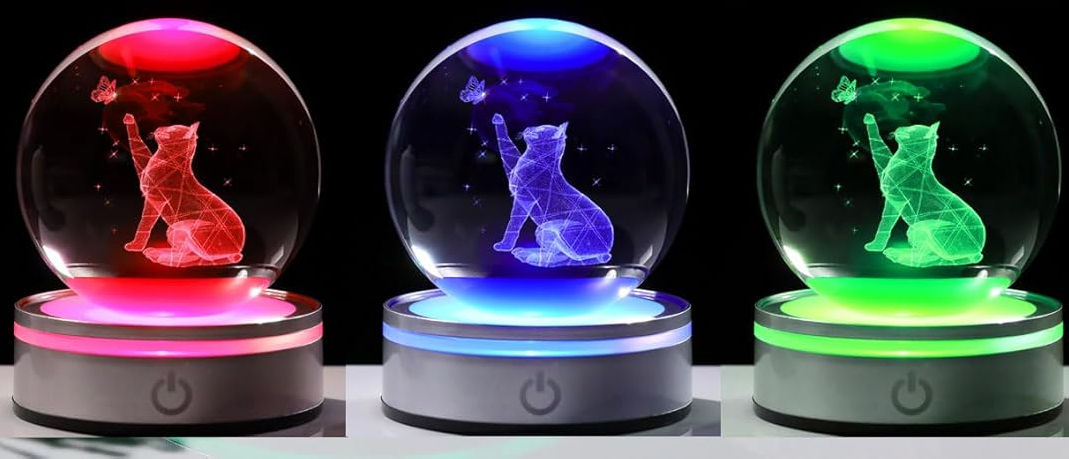
CONSTELLATION CAT NIGHT LIGHT: It's the most far-out feline night light ever--the Constellation Cat Crystal Ball. On April 23, 2025, the students of Earth to Sky Calculus launched it to the stratosphere onboard a giant helium balloon.
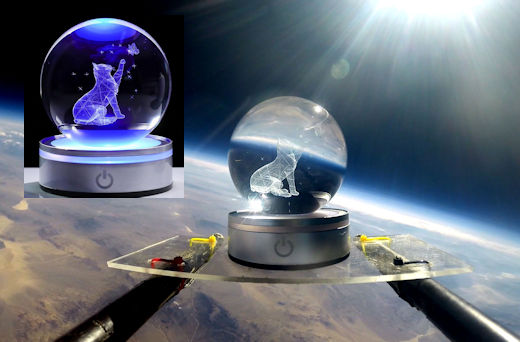
You can have it for $139.95. Outlined by stars in the style of an astronomical constellation, the laser-etched cat comes with an LED stand that produces a soothing glow for your bedside table. Also included: A unique greeting card shows the crystal ball in flight and tells the story of its journey to the edge of space.
Far Out Gifts: Earth to Sky Store
All sales support hands-on STEM education
Realtime Aurora Photo Gallery
Free: Spaceweather.com Newsletter
Realtime Space Weather Photo Gallery
Free: Spaceweather.com Newsletter