STRONG GEOMAGNETIC STORM WATCH: A strong geomagnetic storm watch is in effect following yesterday's Earth-directed solar flare, described below. A halo CME is expected to hit Earth during the late hours of Sept. 1st, sparking a G3-class geomagnetic storm that could persist through Sept. 2nd. During such storms, auroras may be photographed in US states as far south as Virginia, Missouri and Colorado. CME impact alerts: SMS Text

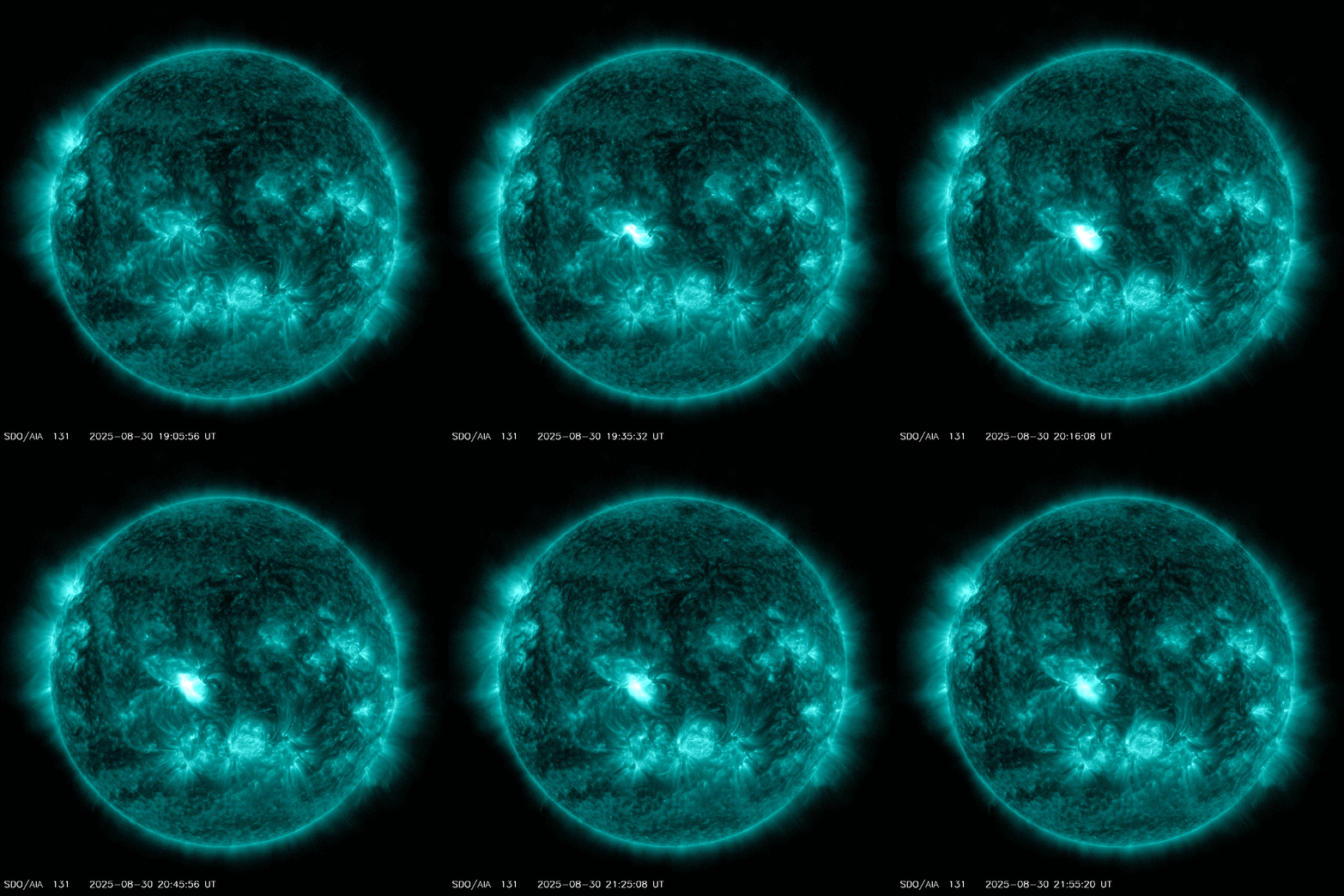
A CME IS HEADING FOR EARTH: The sun is a tricky star. While we were watching giant sunspot 4197, a different, much smaller sunspot erupted. On Aug 30th at 20:02 UTC, sunspot 4204 produced a long duration M2.7-class solar flare:
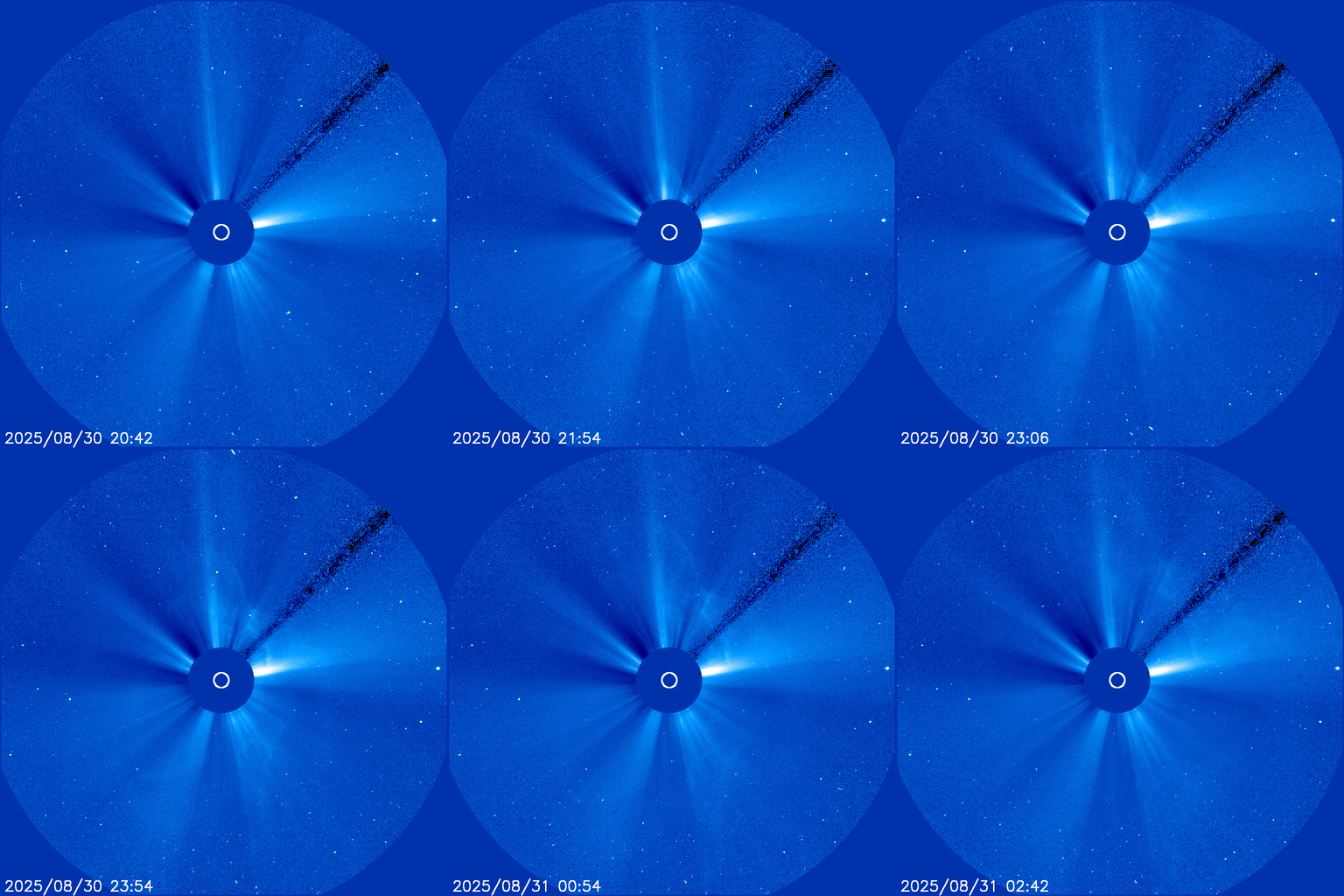
Although the flare was not very intense, it lasted for 3 hours, long enough to lift a CME out of the sun's atmosphere. Indeed, data from SOHO coronagraphs confirm that a halo CME is heading straight for Earth. Here it is.
A NASA model of the CME predicts it will strike our planet late on Sept. 1st:
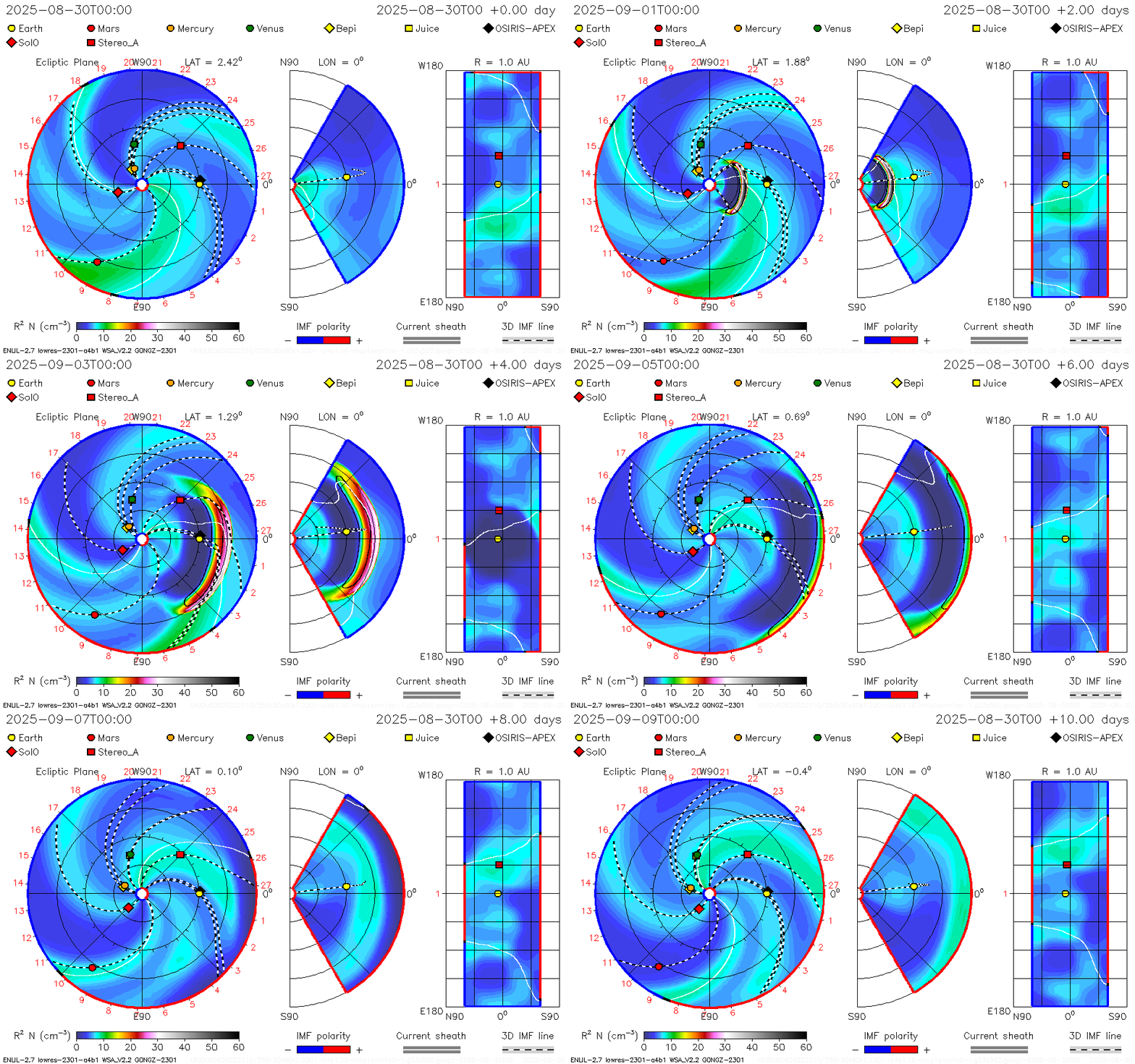
A NOAA model agrees with this assessment. The impact could spark a strong G3-class geomagnetic storm spilling into Sept. 2nd. During such storms, auroras may be photographed in US states as far south as Virginia, Missouri and Colorado. Stay tuned for updates as the CME approaches. CME impact alerts: SMS Text
Realtime Space Weather Photo Gallery
Free: Spaceweather.com Newsletter
RED SPRITES OVER ITALY: You know what comes out of the bottom of a thundercloud: lightning. But do you know what comes out of the top? The answer is sprites. Sometimes when an especially fierce lightning bolt connects with the ground, a corresponding discharge leaps from the top of the cloud toward space. These "sprites" are red, fleeting, and they tend to come in bunches.
On Aug. 29th, Giacomo Venturin of Monte Tomba, Italy, photographed a bunch of sprites dancing over a storm cell 300 km away:

"The clear sky allowed me to observe several red sprites across the border in Austria," says Venturin. "This one was generated by a lightning strike that occurred not far from Klagenfurt."
Although sprites have been seen, off and on, for at least a century, most scientists did not believe they existed until after 1989 when sprites were photographed by cameras onboard the space shuttle. Now "sprite chasers" routinely photograph sprites from their own backyards. Give it a try.

Realtime Sprite Photo Gallery
Free: Spaceweather.com Newsletter
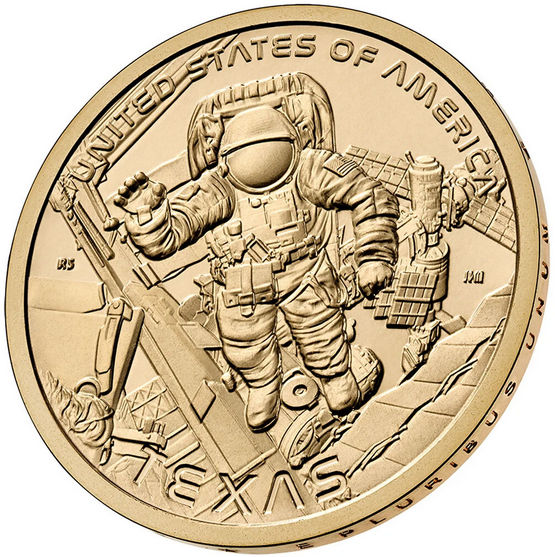
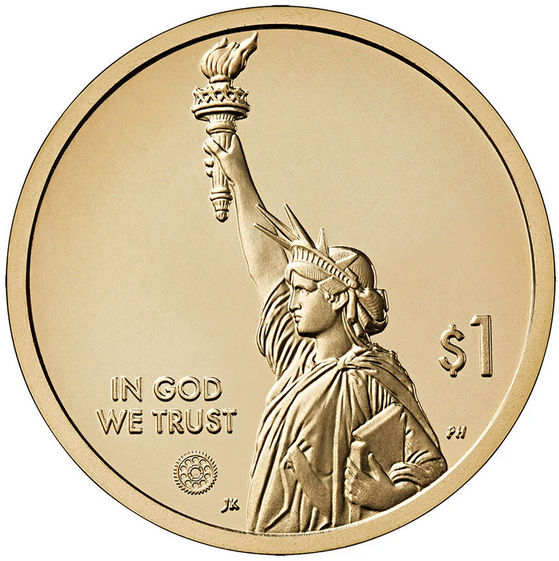
REAL MONEY FROM SPACE: The US Mint has just released a new set of limited edition $1 coins to honor NASA's astronaut corps. On July 31st, the students of Earth to Sky Calculus launched them to the edge of space onboard a cosmic ray research balloon. Here they are, parachuting back from the stratosphere:
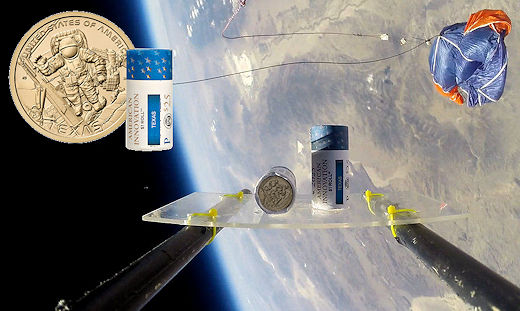
You can have a single coin for $49.95 or an entire unbroken roll for $299.95. No longer available from the US Mint, these rare coins flew 113,949 feet above the Sierra Nevada. One side shows an American astronaut conducting a spacewalk outside the International Space Station; the other side features the Statue of Liberty in profile.
Bonus: If you need to, you can spend these coins. They're real legal tender.
The students are selling space coins to support to support their cosmic ray research program. (Helium is expensive!) Each order comes with a greeting card showing the coins in flight and telling the story of their journey to the stratosphere and back again.
Far Out Gifts: Earth to Sky Store
All sales support hands-on STEM education
Realtime Noctilucent Cloud Photo Gallery
Free: Spaceweather.com Newsletter
Realtime Aurora Photo Gallery
Free: Spaceweather.com Newsletter