NO, COMET 3I/ATLAS IS NOT A CYLINDER: If you see a headline claiming that interstellar Comet 3I/ATLAS is a cylinder, don't believe it. The rumors started when NASA released this Oct. 4th image of the comet as seen by Mars rover Perseverance. The comet looks like a stubby line (or cylinder) simply because the comet moved during the rover's NavCam exposure. It's a typical "star trail," not evidence of alien tech.
COMET LEMMON VS STARLINK: Comet Lemmon (C/2025 A6) is brightening rapidly in the morning sky.Warning: If you try to photograph it, you might find something you didn't want. This Oct. 6th animation from Italian astronomer Graziano Ventre, for example, is criss-crossed with streaks unrelated to the comet:
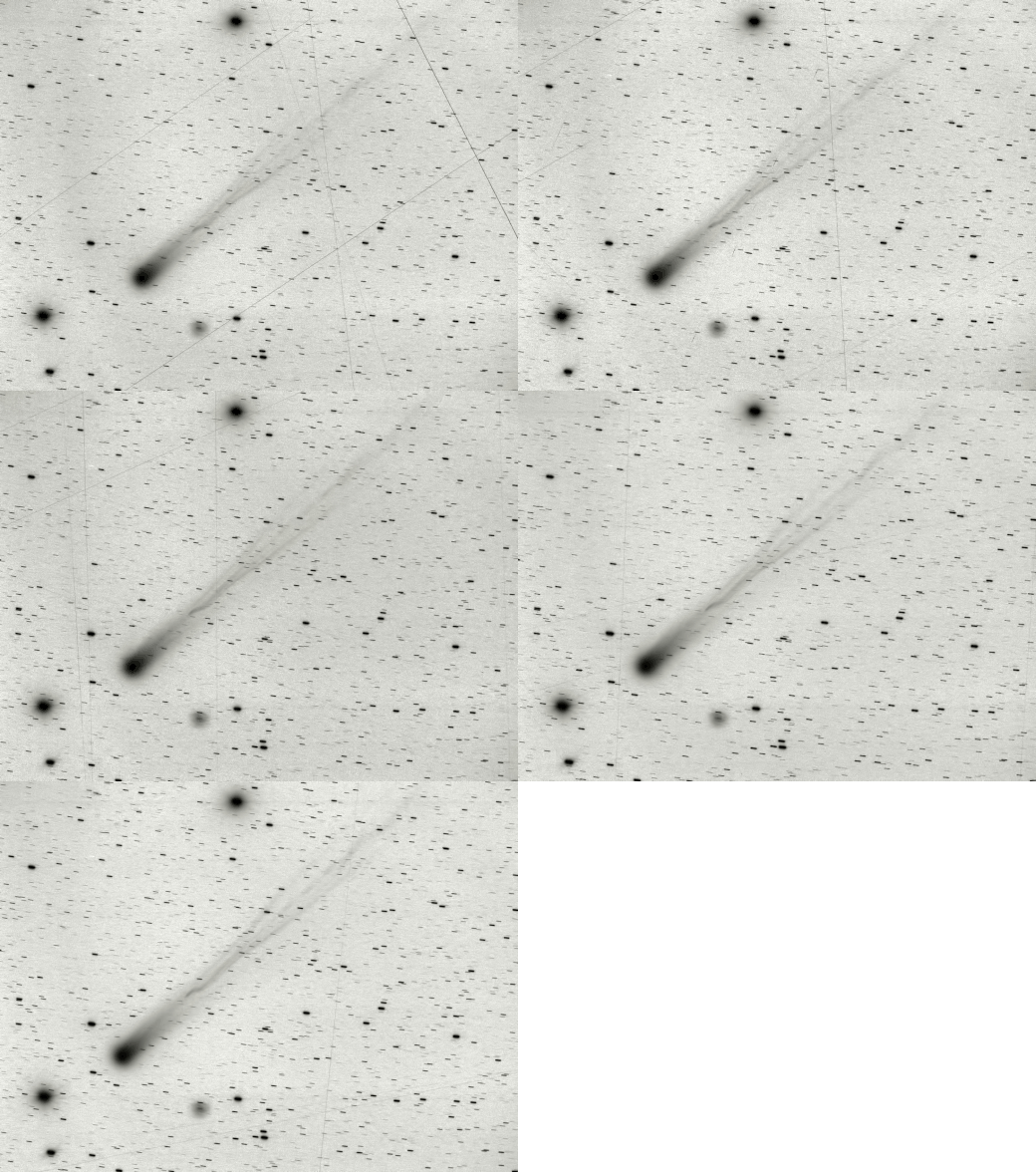
These are satellites crossing the field of view--members of a growing number of megaconstellations crowding low Earth orbit. Ventre's ~30 minute exposure caught dozens of satellites coming from every direction. A rising percentage of images submitted to Spaceweather.com show this kind of interference.
The vast majority are Starlinks. About 8000 of SpaceX's internet satellites are orbiting Earth now, with future plans calling for 42,000. Competitors are following close behind. Amazon’s Project Kuiper has begun launching its planned 3,200-satellite broadband fleet. China is pushing even harder, with two separate megaconstellations on the drawing board: Guowang (13,000 satellites) and "Qianfan" ("Thousand Sails", 15,000-plus), Together, they could eventually rival or surpass Starlink.
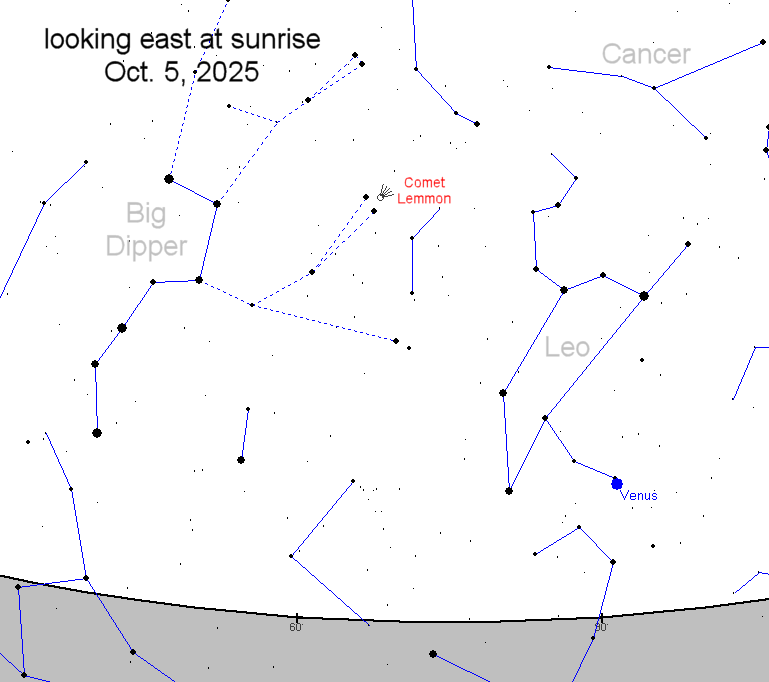
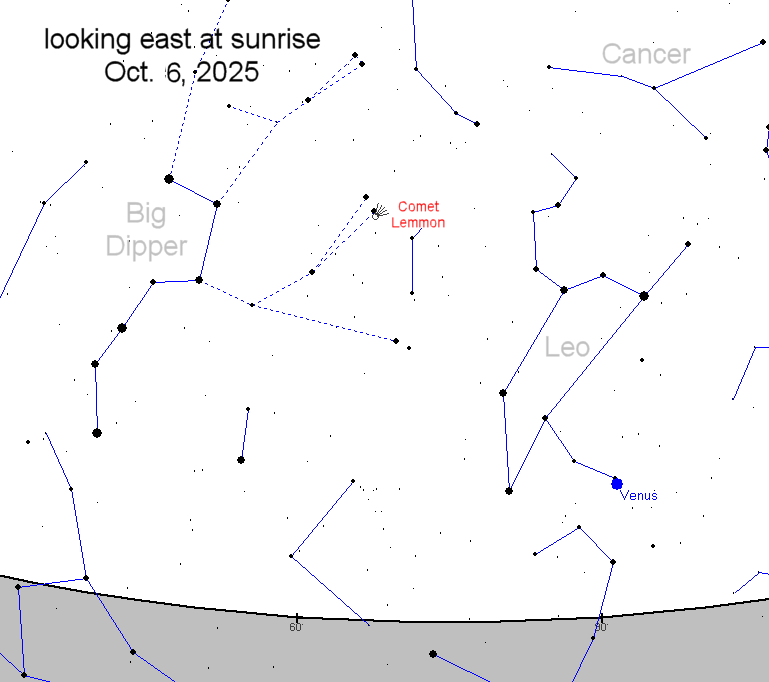
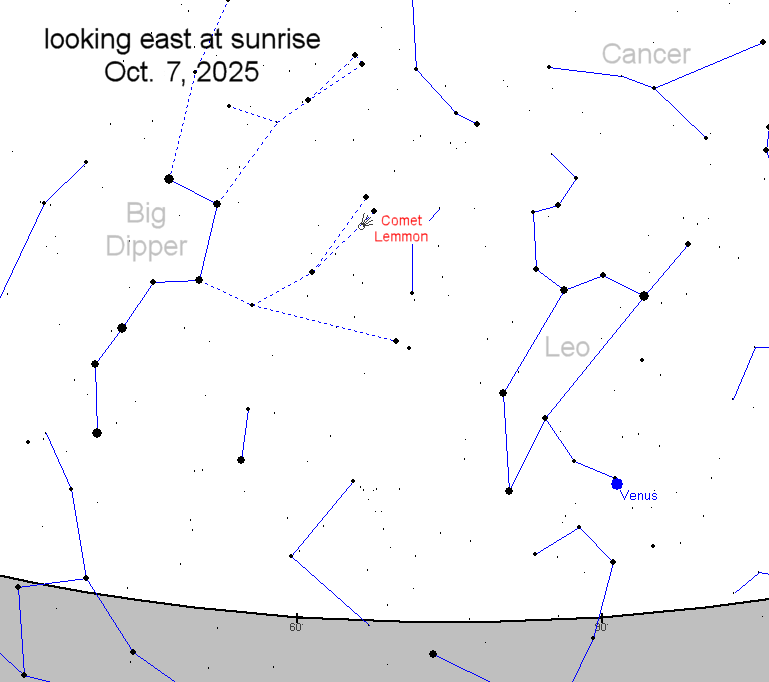
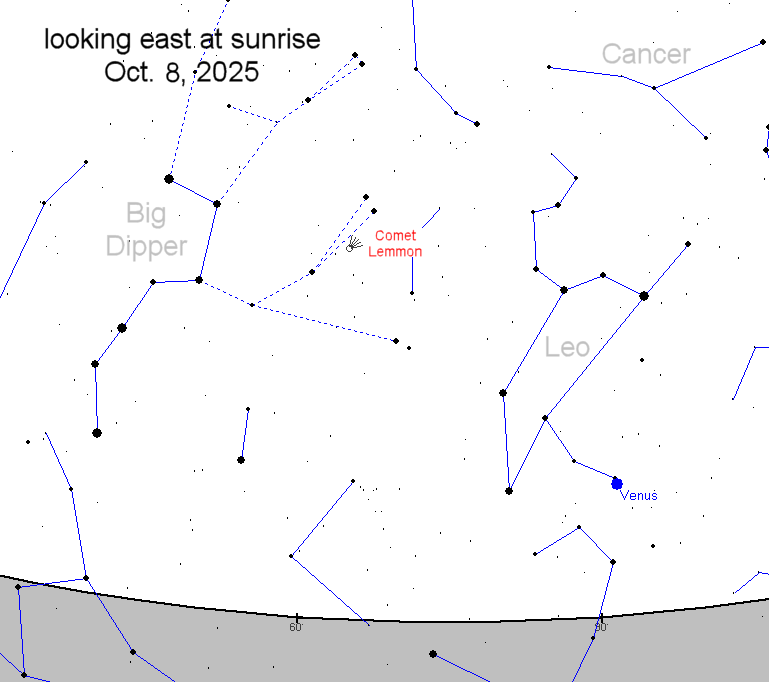
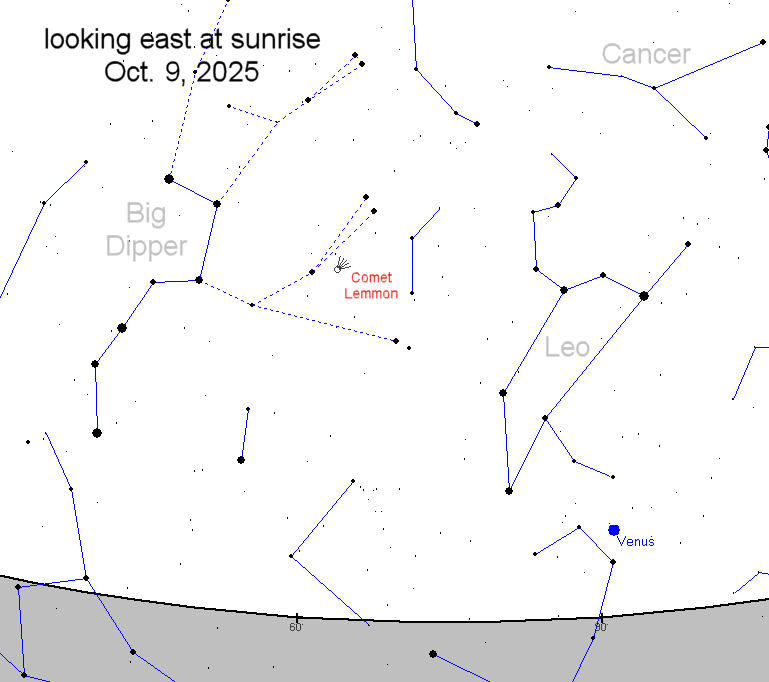
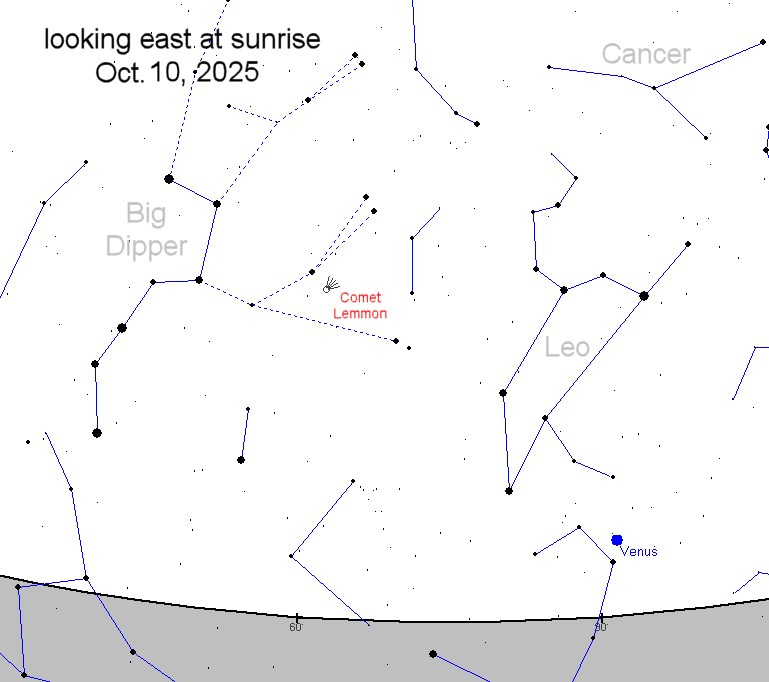
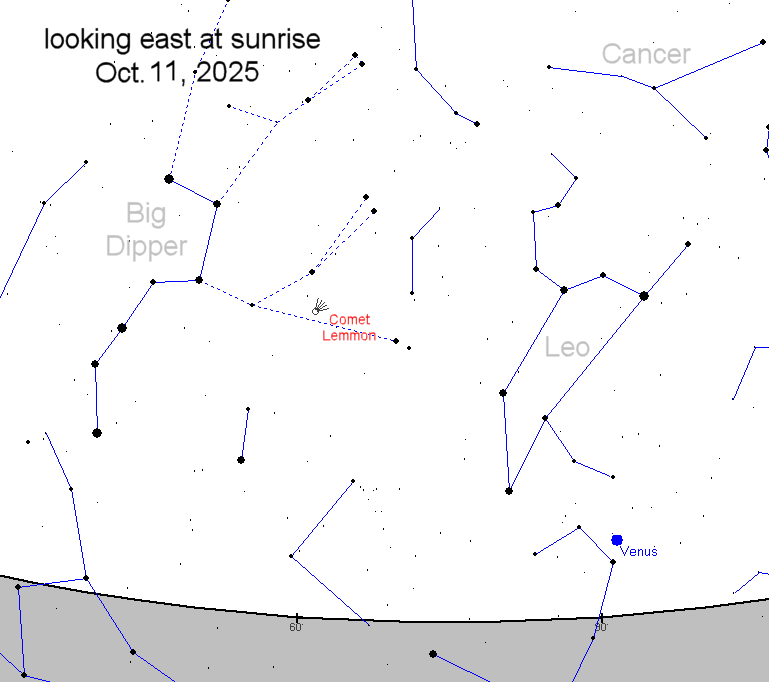
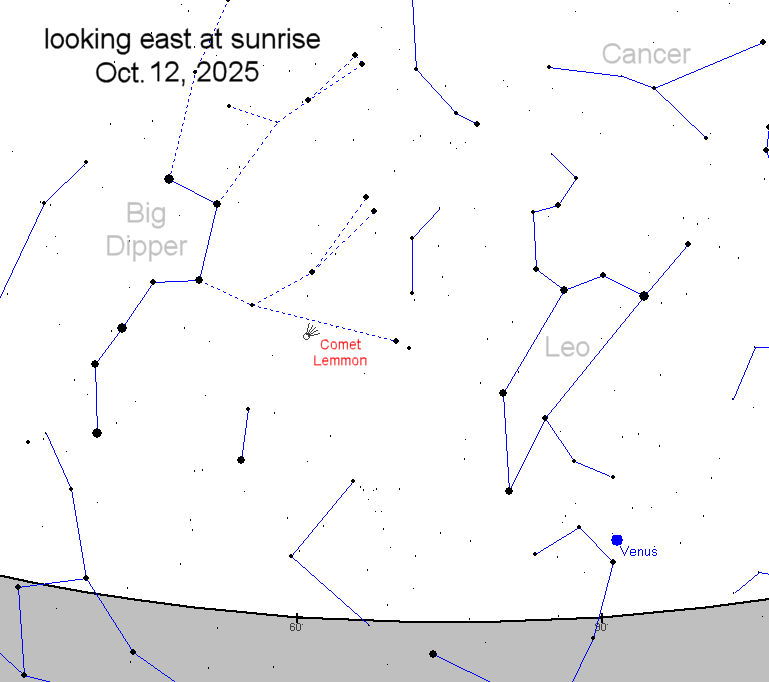
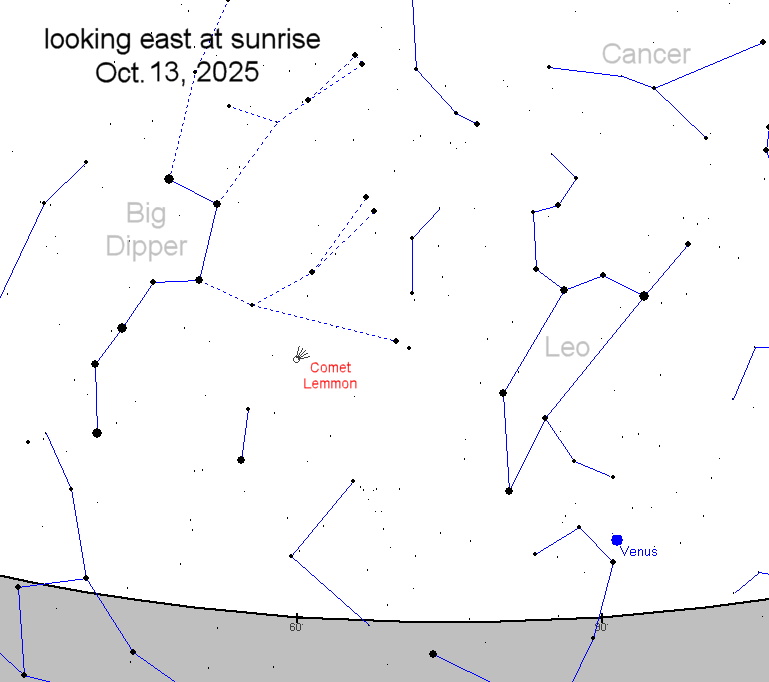
Ironically, *now* may be the best time to look at Comet Lemmon. Satellite totals will never be lower! Gliding past the Big Dipper, the comet is about as bright as a 6th magnitude star, an easy target for small telescopes. For most observers in the northern hemisphere, it is located well above the eastern horizon before sunrise. Sky maps: Oct. 5, 6, 7, 8, 9, 10, 11, 12, 13.
Realtime Comet Lemmon Photo Gallery
Free: Spaceweather.com Newsletter
REAL MONEY FROM SPACE: They're back by popular demand: NASA Spacewalker $1 Coins (D Mint). On Sept. 6, 2025, the students of Earth to Sky Calculus launched more rolls to the edge of space onboard a cosmic ray research balloon:
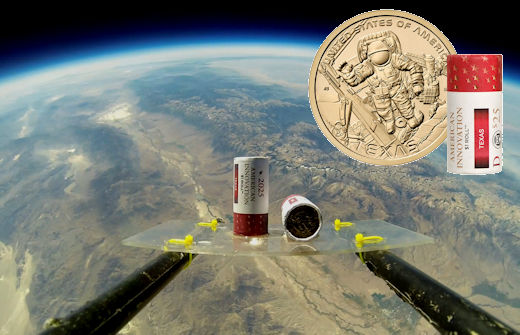
You can have a single coin for $49.95 or an entire unbroken roll for $299.95. No longer available from the US Mint, these rare coins flew 101,944 feet above the Sierra Nevada. One side shows an American astronaut conducting a spacewalk outside the International Space Station; the other side features the Statue of Liberty in profile.
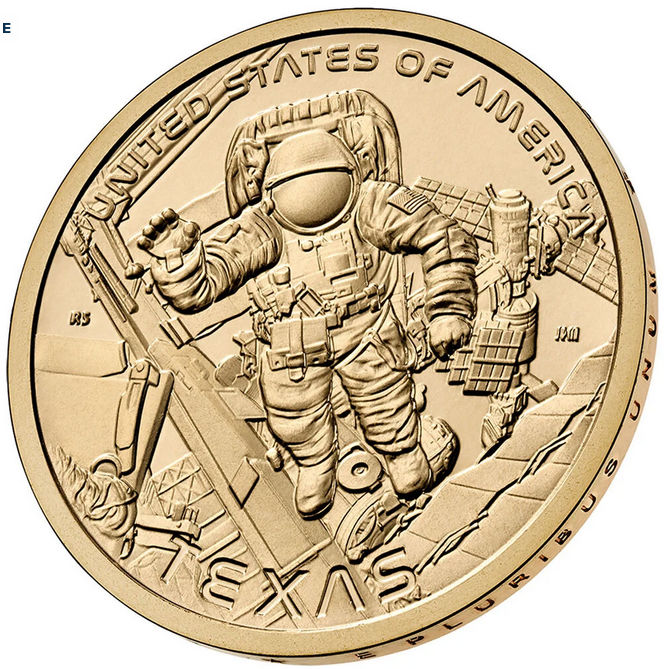
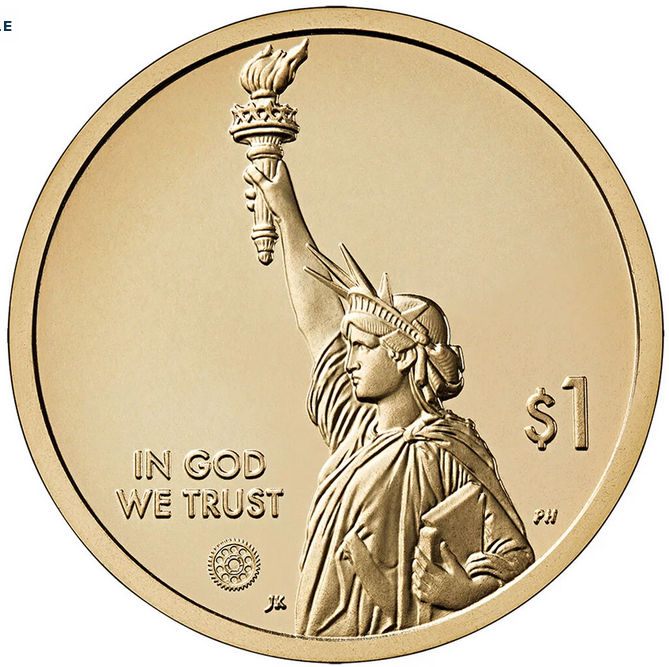
In July, we flew the P Mints. If you purchased them, these D Mints will complete your set.
The students are selling space coins to support to support their cosmic ray research program. (Helium is expensive!) Each order comes with a greeting card showing the coins in flight and telling the story of their journey to the stratosphere and back again.
Far Out Gifts: Earth to Sky Store
All sales support hands-on STEM education
Realtime Space Weather Photo Gallery
Free: Spaceweather.com Newsletter
Realtime Aurora Photo Gallery
Free: Spaceweather.com Newsletter