NEW! BACKYARD ASTRONOMY ALERTS: We're proud to announce a new service from Spaceweather.com: Backyard Astronomy Alerts. We love this product. Subscribers receive real-time alerts about space station flybys, aurora outbursts, planetary conjunctions, meteor showers and more -- all easy to see with the naked eye. SMS text messages tell you to go outside right now while the event is happening, and companion emails include sky maps and detailed observing tips. Introductory offer: 1 year for 50% off
BIG SUNSPOT ALERT: Solar activity is poised to increase as a big sunspot emerges over the sun's southeastern limb. Maximilian-Vlad Teodorescu photographed it today from Romania:
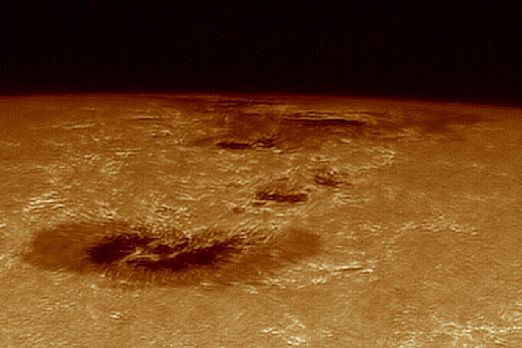
"The wait is over!" says Teodorescu.
Indeed, we knew this sunspot was coming. For days, Europe's Solar Orbiter (SolO) has been watching it glide across the farside of the sun. Interestingly, SolO's X-ray detector has detected no strong flares from the region. It's unusually quiet for a sunspot so large--so far.
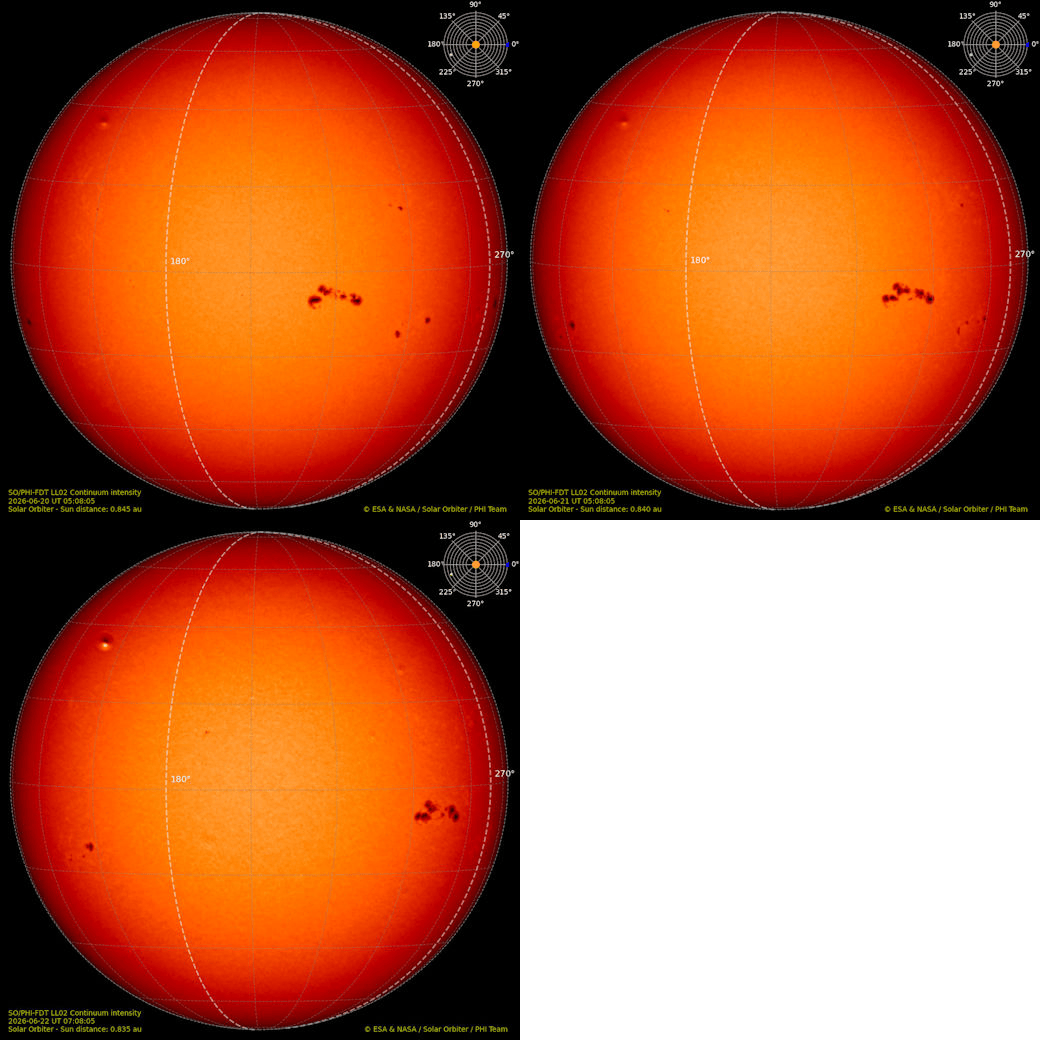
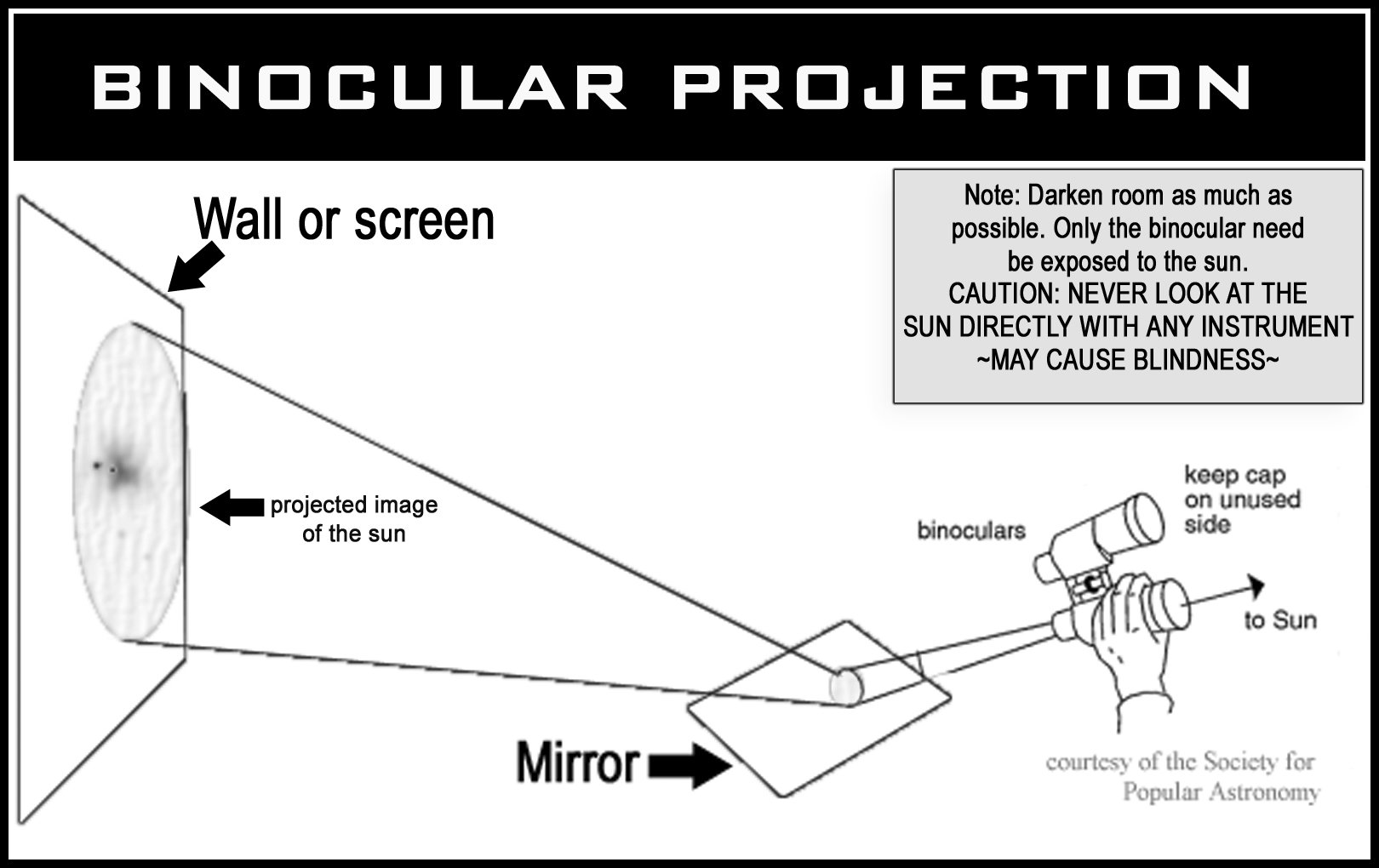
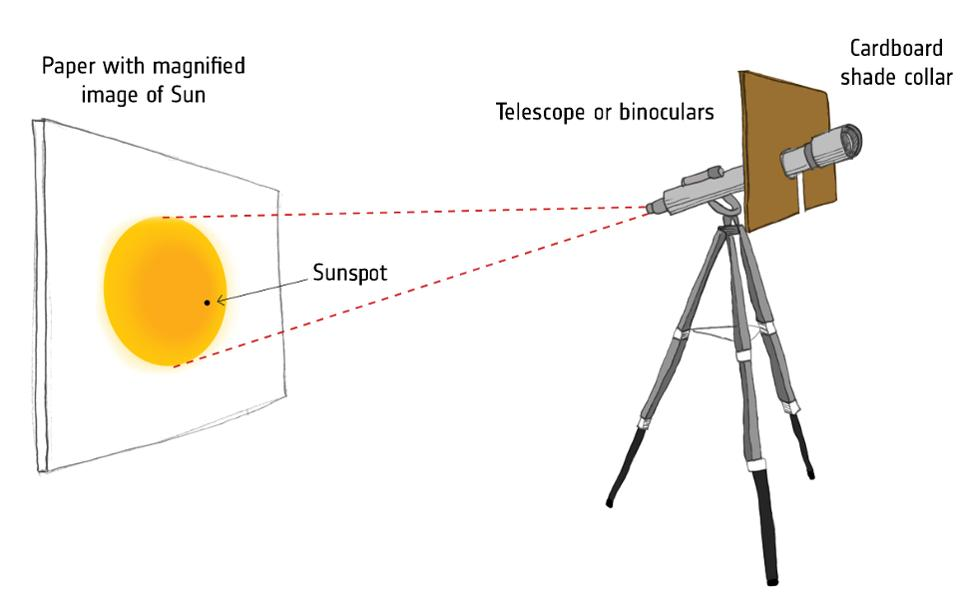
The entire sunspot group is ~10 times wider than Earth and, thus, easy to observe. You can see it using ordinary eclipse glasses, or, better yet, try casting an image of the sunspot onto a screen or wall. You can use binoculars and a mirror or a telescope and cardboard. Either way, it's fun!
more images: from Pepe Manteca of Begues, Spain; from Thierry Legault of Paris, France
SPACE STATION SOLAR TRANSIT: For years, amateur astronomers have routinely photographed transits of the International Space Station (ISS) across the face of the sun. This picture looks like a typical example--except for one thing. It's not the ISS:
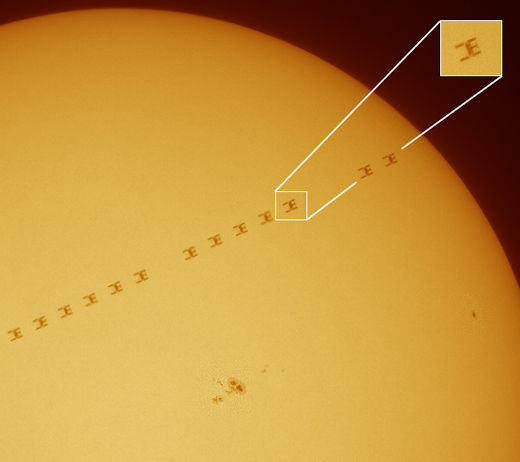
"This is China's Tiangong space station," explains photographer Anthony Ayiomamitis, who recorded the split-second transit over Athens, Greece, on June 15th.
China started building their own space station in 2021 with the launch of Tiangong's core module. Subsequent launches have expanded the orbiting outpost; now it has a mass of about 70 tons and roughly 340 cubic meters of pressurized volume. It's still quite a bit smaller than the ISS (420 tons and 1,000 cubic meters), but considering that China's space station is only 5 years old vs. almost 3 decades for the ISS ... not bad.
The name Tiangong means "Heavenly Palace." It is currently occupied by three Chinese astronauts.
*TIANGONG FLYBY ALERTS* Would you like to see the Chinese space station in the night sky? It's quite bright! Sign up for our new Backyard Astronomy Alert Service. Subscribers receive flyby alerts (text and email) for the ISS, Tiangong, and other satellites of special interest.
Realtime Space Weather Photo Gallery
Free: Space Weather Newsletter
18K GOLD SUNFLOWER PENDANT: Are you looking for a far-out gift? Consider the 18K Gold Sunflower Pendant. On June 3rd, the students of Earth to Sky Calculus launched it to the stratosphere onboard a cosmic ray research balloon:
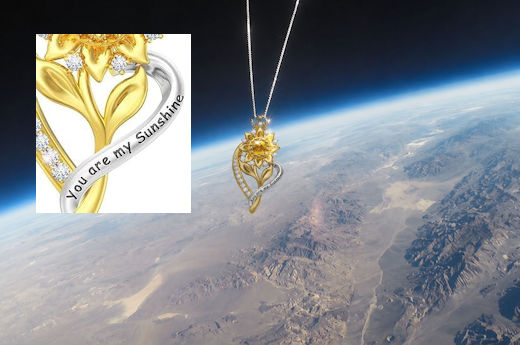
You can have it for $169.95. This 18k gold-plated pendant is inscribed with the words: "You are my sunshine." The sunflower's "eye" is a genuine citrine crystal, which sparkles in sunlight even at sea level.
The students are selling space pendants to pay the helium bill for their cosmic ray ballooning program. Each one comes with a greeting card showing the jewelry in flight and telling the story of its trip to the stratosphere and back again.
Far Out Gifts: Earth to Sky Store
All sales support hands-on STEM education
Realtime Aurora Photo Gallery
Free: Spaceweather.com Newsletter
Realtime Noctilucent Cloud Photo Gallery
Free: Space Weather Newsletter