GEOMAGNETIC STORM PREDICTED (G2): NOAA analysts say that a G2-class (Moderate) geomagnetic storm is possible on July 3rd when yesterday's X-class CME reaches Earth. In the northern hemisphere, aurora visibility will be challenged by several factors: (1) a bright moon, (2) short nights, (3) the Russell-McPherron Effect, which suspresses solstice auroras. The best time to look is during the dark hours around midnight. Aurora alerts: SMS Text.

EARTH-DIRECTED X-FLARE AND CME (UPDATED): As predicted, sunspot 4479 erupted on June 30th, producing an X1.1-class solar flare. NASA's Solar Dynamics Observatory (SDO) recorded the extreme ultraviolet flash: movie.
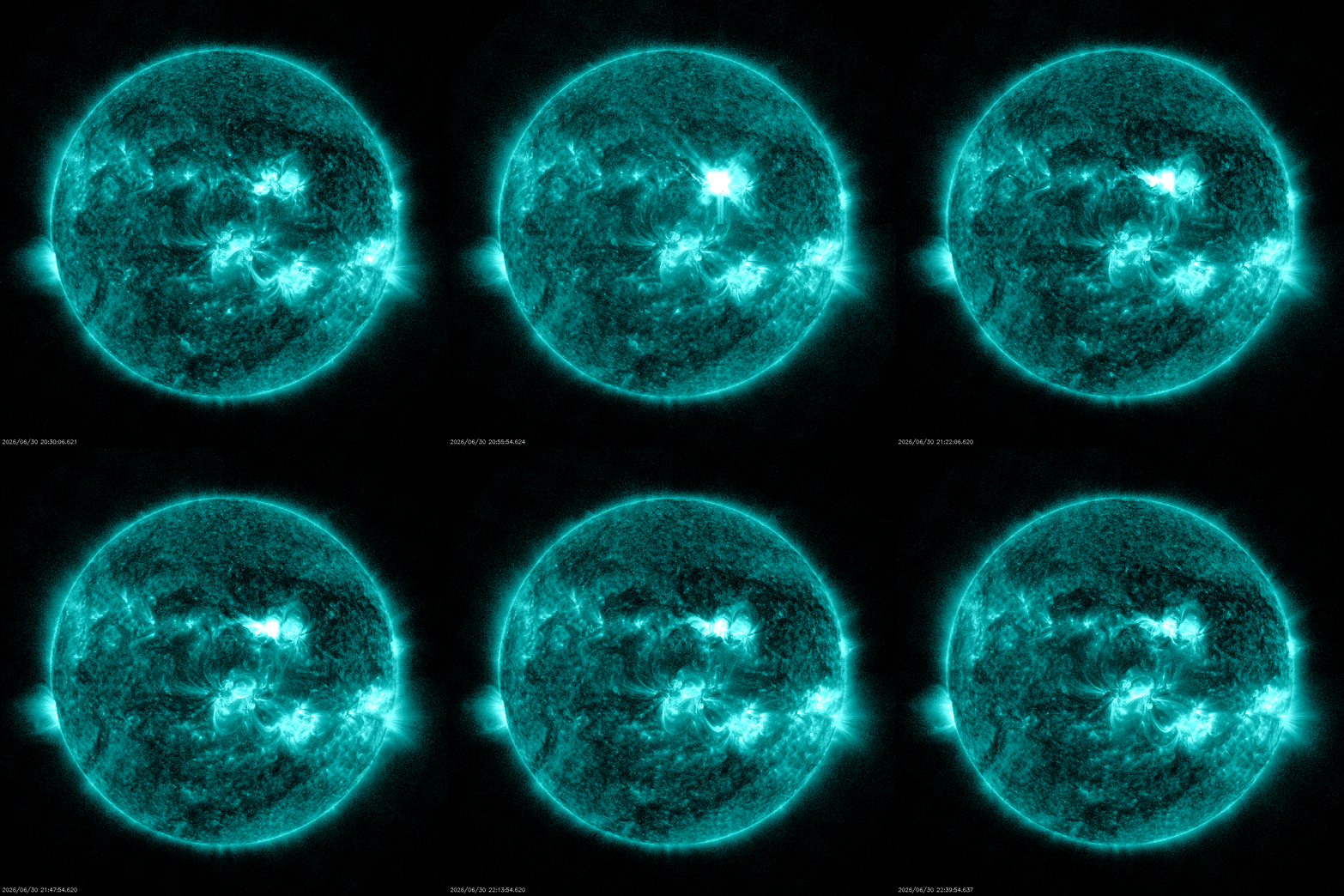
Above: SDO image of the X-flare with a photo of sunspot 4479 inset. Credit: Sylvain Weiller
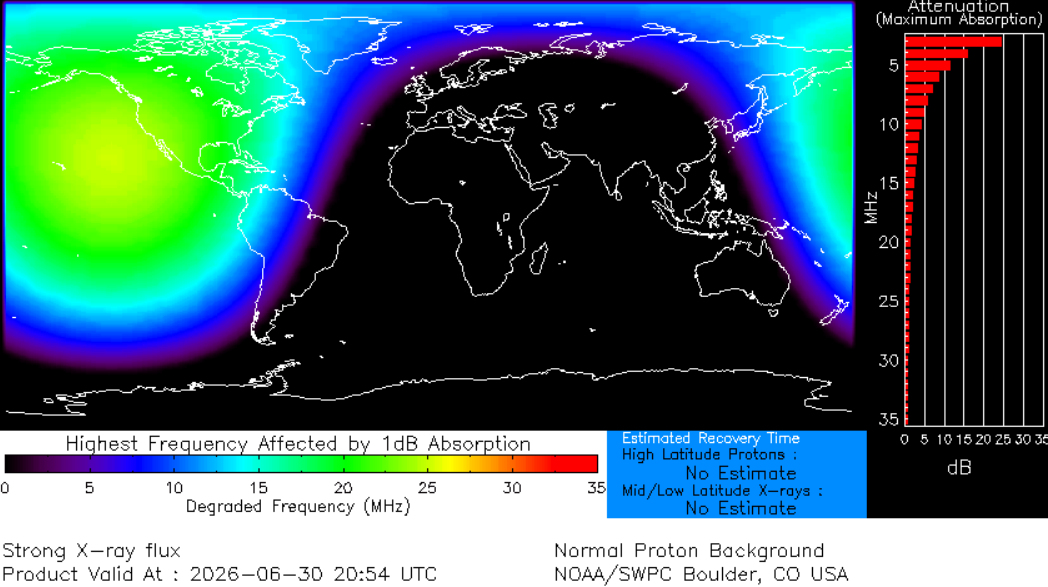
During the flare, radiation ionized Earth's upper atmosphere, creating a shortwave radio blackout over North America and the Pacific Ocean: map. Mariners and ham radio operators may have noticed loss of signal at frequencies below 25 MHz around 20:50 UTC.
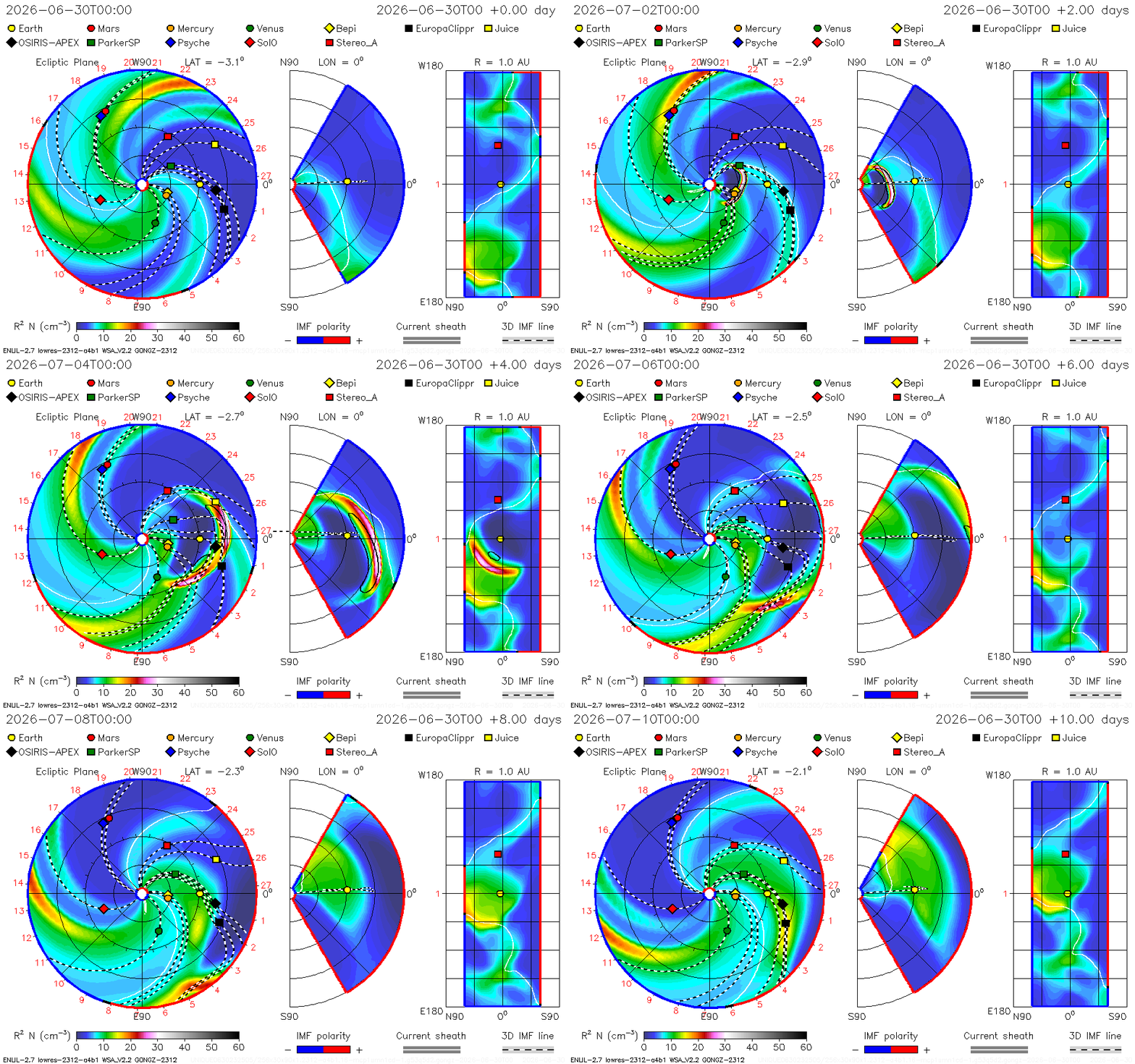
Of greater interest is the CME. Coronagraph images show a full halo CME heading almost-directly toward Earth. NASA and NOAA models differ slightly on its time of arrival. NASA favors late on July 2nd, NOAA favors early on July 2nd. Either way, a geomagnetic storm is possible before the end of the week, probably category G2. Solar flare alerts: SMS Text.

Realtime Space Weather Photo Gallery
Free: Space Weather Newsletter
A COMET JUST PLUNGED INTO THE SUN: Hours before yesterday's X-flare, a comet plunged into the sun and disintegrated. NOAA's CCOR-1 coronagraph on GOES-19 recorded the death dive:
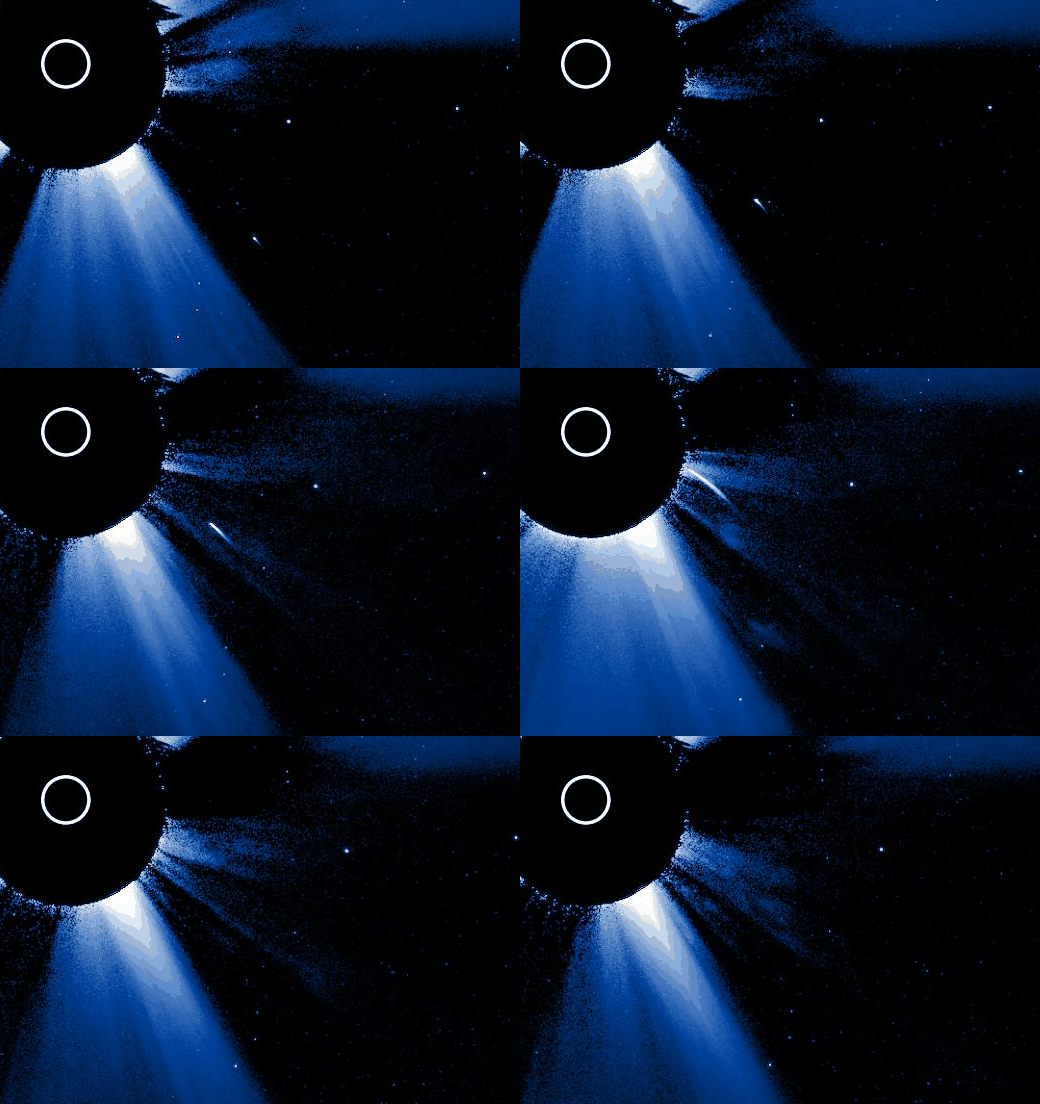
The comet was likely a member of the Kreutz family. Named after a 19th century German astronomer who studied them in detail, Kreutz sungrazers are fragments from the breakup of a giant comet at least 2000 years ago. Several of these fragments are thought to pass by the sun every day. Most are too small to see but occasionally a bigger fragment like this one attracts attention.
Realtime Comet Photo Gallery
Free: Space Weather Newsletter
NEW! BACKYARD ASTRONOMY ALERTS: We're proud to announce a new service from Spaceweather.com: Backyard Astronomy Alerts. We love this product. Subscribers receive real-time alerts about space station flybys, aurora outbursts, planetary conjunctions, meteor showers and more -- all easy to see with the naked eye.
SMS text messages tell you to go outside right now while the event is happening, and companion emails include sky maps and detailed observing tips. Give it a try! Introductory offer: 1 year for 50% off
Far Out Gifts: Earth to Sky Store
All sales support hands-on STEM education
Realtime Aurora Photo Gallery
Free: Spaceweather.com Newsletter
Realtime Space Weather Photo Gallery
Free: Space Weather Newsletter