POTENTIALLY DANGEROUS SUNSPOT: Sunspot 4513 has developed a 'beta-gamma-delta' magnetic field that harbors energy for X-class solar flares. Unlike Thursday's M8-class flare, which missed Earth, future flares will not miss. The sunspot has us in the strike zone now. Solar flare alerts: SMS Text.
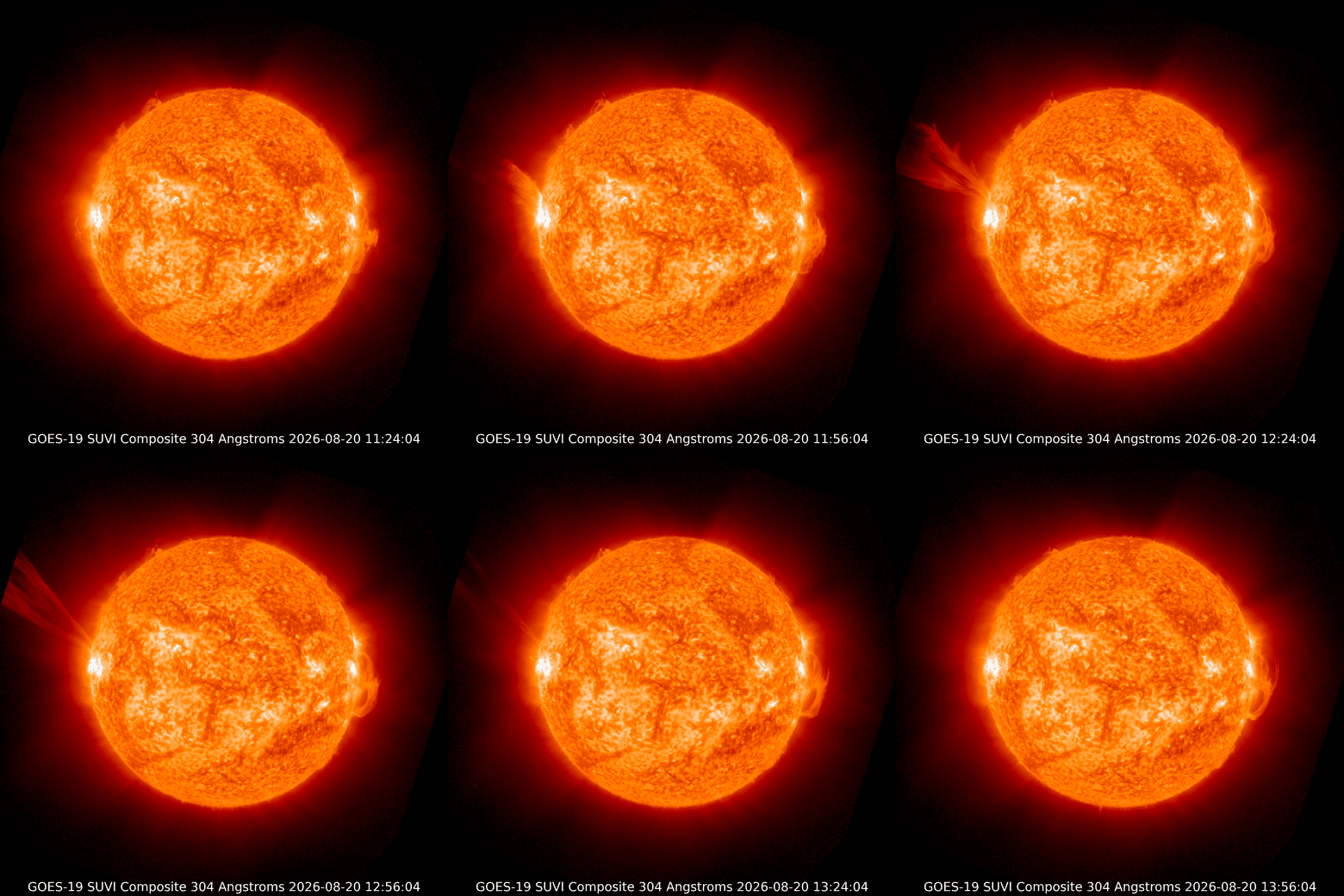
IT'S RAINING PLASMA: Amateur astronomers are watching a rainstorm on the edge of the sun. Pat P. of Pittsburgh, PA, photographed the downpour on Aug. 21st:
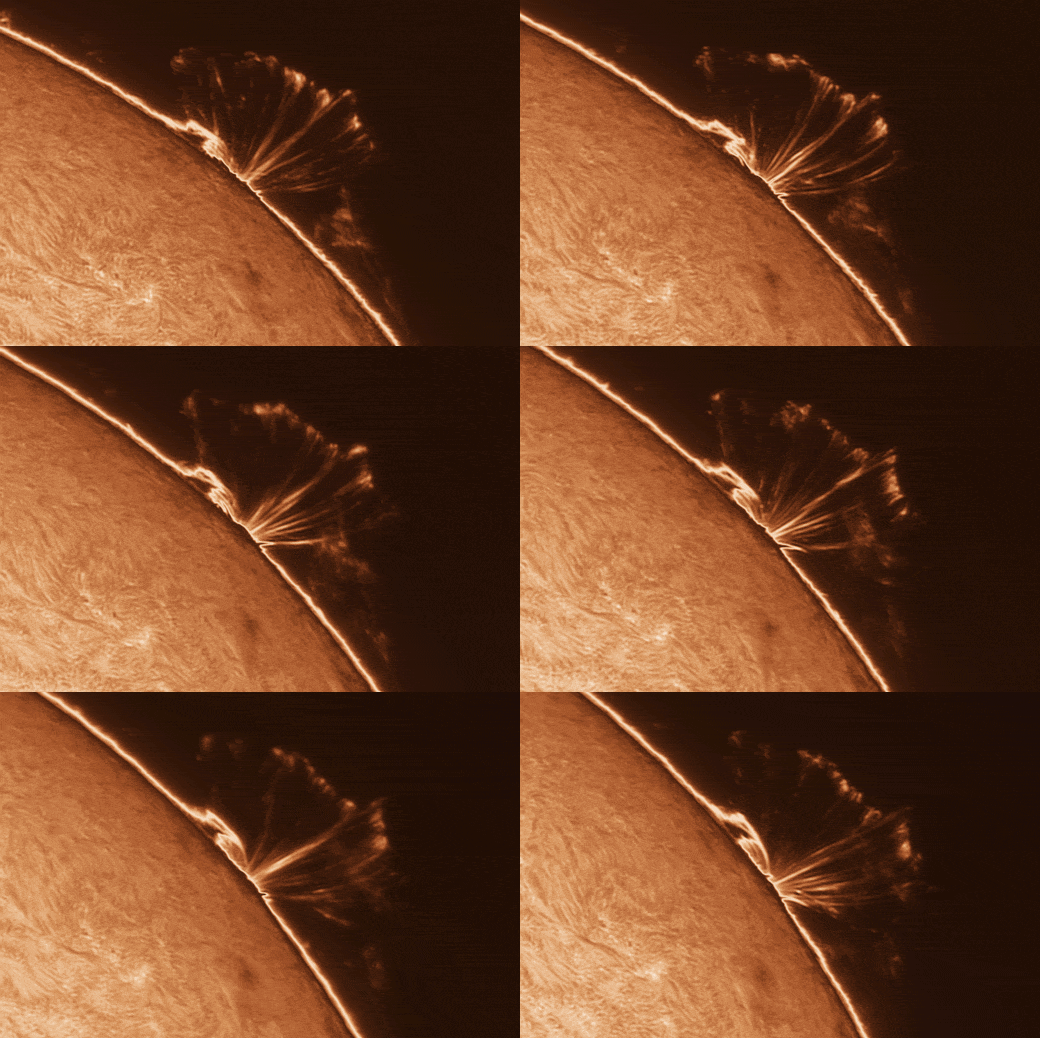
"It was spectacular!" says Pat.
The technical name of this phenomenon is "post flare loops." These are glowing arches of hot plasma that appear above the sun after a powerful solar flare. They trace magnetic field lines that have snapped, reconnected, and filled with superheated gas. "Raindrops" of plasma fall back to the sun as the loops relax.
The flare that produced these loops occured just behind the limb of the sun. We couldn't see it. But the resulting rainstorm was a beauty.
more images: from Michael Borman of Evansville, Indiana; from Eduardo Schaberger Poupeau of Rafaela, Argentina; from Thierry Legault of Paris, France; from Timo Alanko of Kalajoki, Finland; from Daniel Provencal of Montréal, Canada;
Realtime Solar Eclipse Photo Gallery
Free: Spaceweather.com Newsletter
CONSTELLATION CAT NIGHT LIGHT: It's the most far-out feline night light ever--The Constellation Cat. On April 23rd, the students of Earth to Sky Calculus launched it to the stratosphere onboard a giant helium balloon:
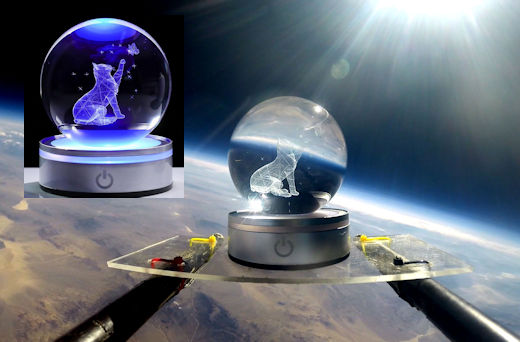
You can have it for $139.95. Outlined by stars in the style of an astronomical constellation, the laser-etched cat comes with an LED stand that produces a soothing glow for your bedside table. Also included: A unique greeting card shows the crystal ball in flight and tells the story of its journey to the edge of space.

Far Out Gifts: Earth to Sky Store
All sales support hands-on STEM education
Realtime Aurora Photo Gallery
Free: Spaceweather.com Newsletter
Realtime Space Weather Photo Gallery
Free: Space Weather Newsletter