TWO CMES MIGHT HIT EARTH: A new NOAA forecast model predicts that two CMEs will sideswipe Earth on Sept. 8th. The one-two punch could spark a G2-class geomagnetic storm with high latitude auroras. CME impact alerts: SMS Text.

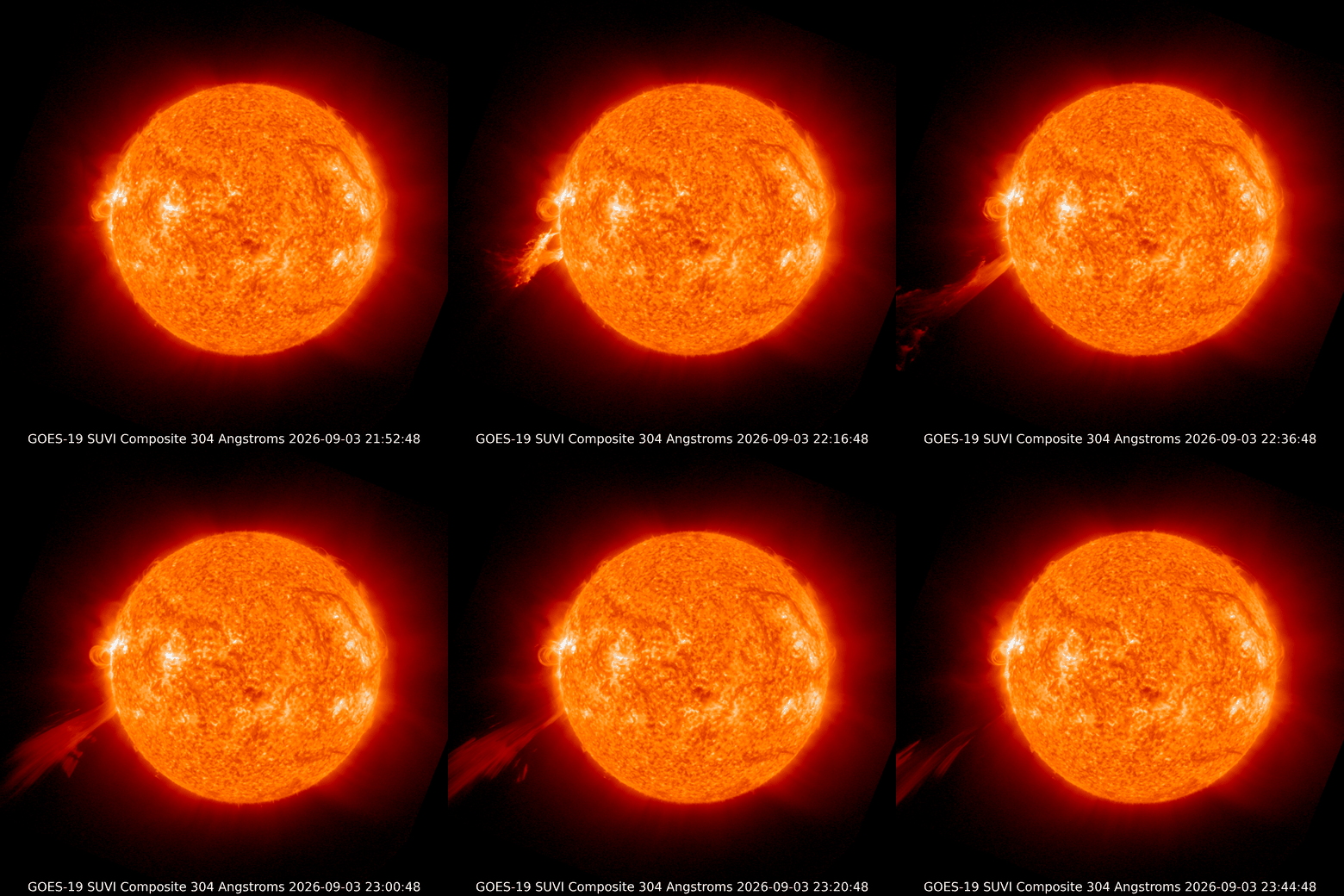
ONE CME WILL DEFINITELY HIT MERCURY: Earlier today, a huge prominence lifted off the eastern limb of the sun. The diameter of the expanding loop was nearly a full solar diameter:
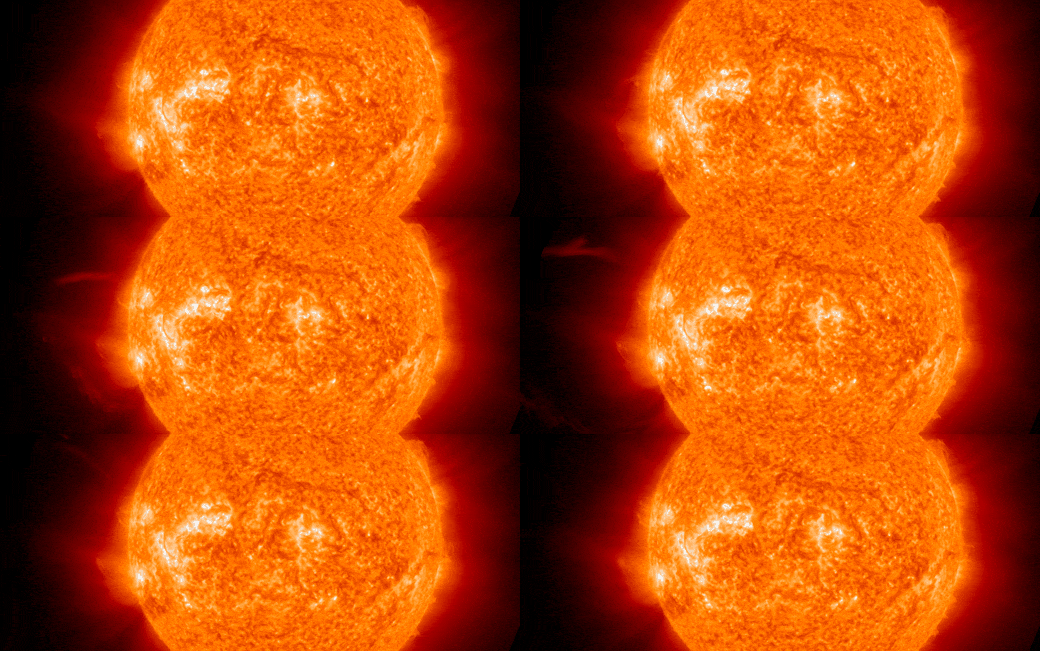
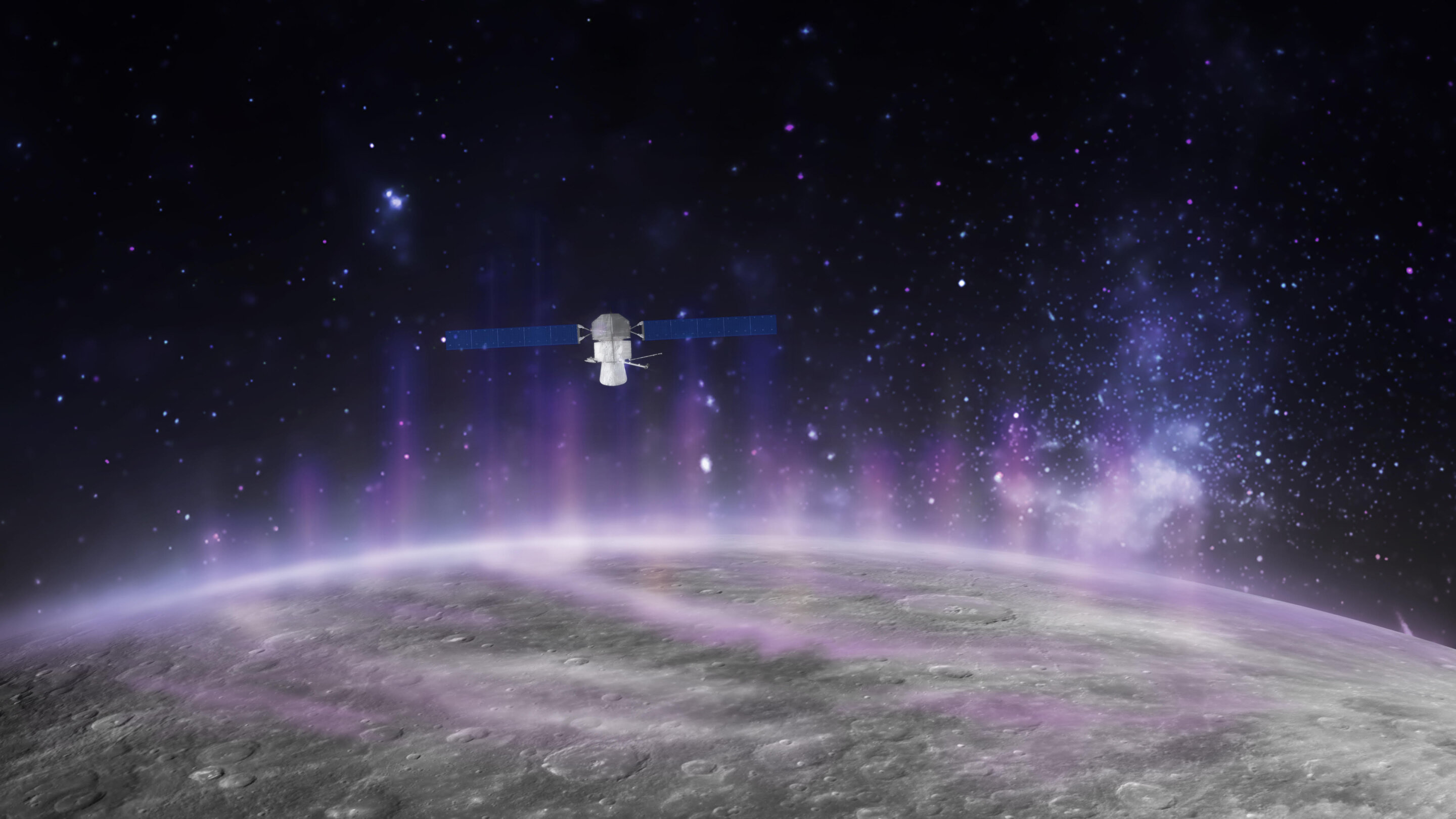
According to a NASA model, fragments of this prominence (in the form of a CME) will hit Mercury hours from now. The impact will probably ignite X-ray auroras at ground level on Mercury's rocky surface.
THE BEST TIME OF YEAR TO SEE THE MILKY WAY: If you've been wanting to see the Milky Way at a civilized hour, now is the time to look. Right after sunset, the backbone of our galaxy materializes in the south and reaches straight up into the sky. Jonathan Harmon sends this picture from the Outer Banks, Nags Head, North Carolina:
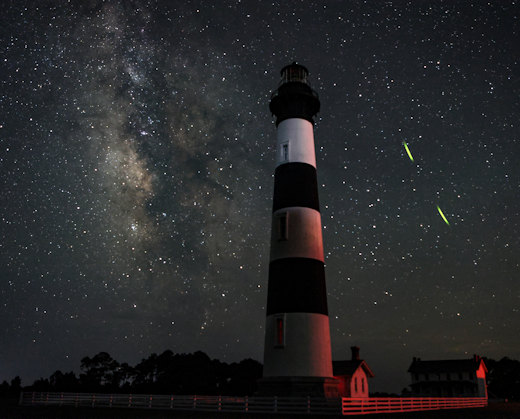
"I was photobombed by a lonely late season firefly calling for a mate," says Harmon. "Sorry buddy, that ship already sailed."
In early September, the core of the Milky Way is visible after dusk and peaks between 9 p.m. and 10 p.m., letting you view it without staying up past midnight. The early evening sky will remain essentially moonless for the next week, setting the stage for long exposures of the galaxy's dust lanes and star clouds. Submit your images here.
more images: from Marcus Prazniak of Tonopah, NV; from James Perez-Rogers of Ashokan Reservoir, NY
Realtime Space Weather Photo Gallery
Free: Space Weather Newsletter
MILLION-YEAR-OLD METEORITE PENDANT: About one million years ago, this meteorite landed in northern Sweden. On Aug. 25, 2026, we sent it back onboard a cosmic ray research balloon:
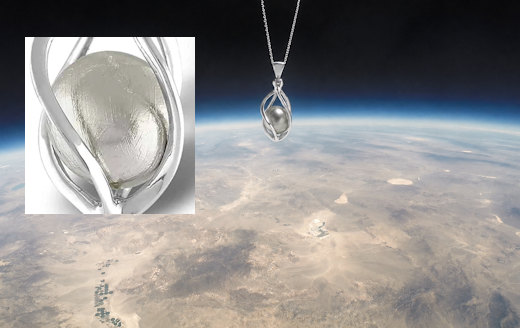
You can have it for $269.95. This is a spherical fragment of the Muonionalusta Meteorite found near the Muonio River in Sweden. It is contained within a sterling silver cage that hangs from a matching 18-inch chain.
The meteorite comes with a certificate of authenticity, but you can see that it's real using your own eyes. The sphere is crisscrossed by a faint pattern of geometric crystal lines formed by millions of years of slow cooling in space.
The students of Earth to Sky Calculus are selling space pendants to pay the helium bill for their cosmic ray ballooning program. Each one comes with a greeting card showing the jewelry in flight and telling the story of its trip to the stratosphere and back again.
Far Out Gifts: Earth to Sky Store
All sales support hands-on STEM education
Realtime Aurora Photo Gallery
Free: Spaceweather.com Newsletter