GEOMAGNETIC STORM WATCH (G1): A solar wind stream is approaching Earth. ETA: Oct. 20th. NOAA forecasters say that G1-class geomagnetic storms and high-latitude auroras are possible when it arrives. Aurora alerts: SMS Text.

A MAGICAL MORNING--ORIONIDS, MARS AND JUPITER: If you had to pick one day in 2026 to wake up before sunrise, Thursday, Oct. 22nd, might be it. It’s a magical morning. The brightest stars of winter will be sparkling overhead while Mars and Jupiter converge in the southeast. And a handful of bright meteors is very likely to cross the scene.
This is the peak of the Orionid meteor shower.
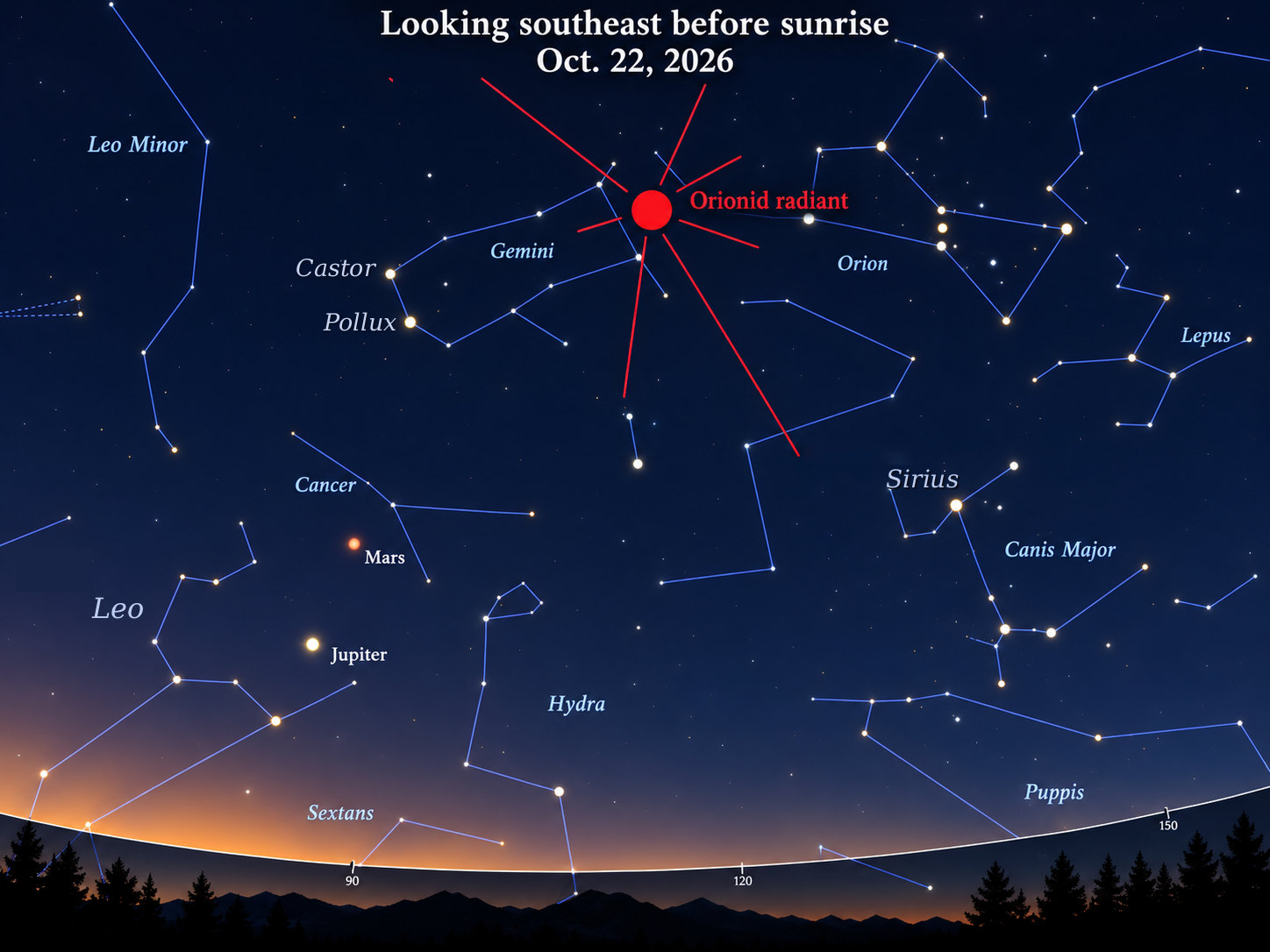
Orionids are debris from Halley’s Comet. Every October, Earth crosses a stream of dust and gravel left behind by Halley during previous visits. Hitting our atmosphere at 66 km/s (148,000 mph), grains of comet dust vaporize in streaks of light. Orionids often leave glowing trails, and a few explode as fireballs.
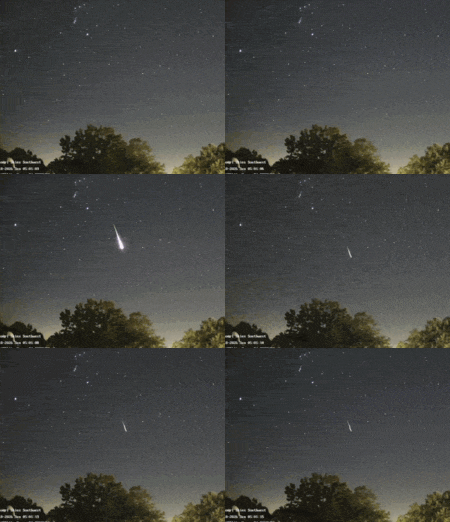 Forecasters expect 10 to 20 Orionids per hour during this year’s peak. Visibility is best between 4 am and sunrise when the Hunter’s Moon is below the horizon. Orionid meteors fly out of Orion, just above the red giant Betelgeuse. You don’t have to stare at that exact spot, however. Orionids can appear anywhere in the sky.
During any pause between meteors, look southeast. Jupiter and Mars are converging for an amazing close encounter on Nov. 16th. Even now, they are eye-catching. Jupiter is the brightest point in the morning sky, outshining even Sirius. Red Mars lies only 9 degrees away.
Get away from city lights, look up, and enjoy the show. PS: The shower is broad, so Wednesday morning, Oct. 21st, is also excellent.
Meteor alerts: Would you like a reminder when meteor showers are peaking? Sign up for our Backyard Astronomy Alert Service. You'll never miss another meteor display, space station flyby, aurora outburst and much more.
Realtime Space Weather Photo Gallery
Free: Space Weather Newsletter
THE SOUTH SEA IRIDESCENT PEARL: Are you looking for a far-out gift? Consider the South Sea Iridescent Pearl. On June 9, 2026, it flew to the edge of space onboard a cosmic ray research balloon:
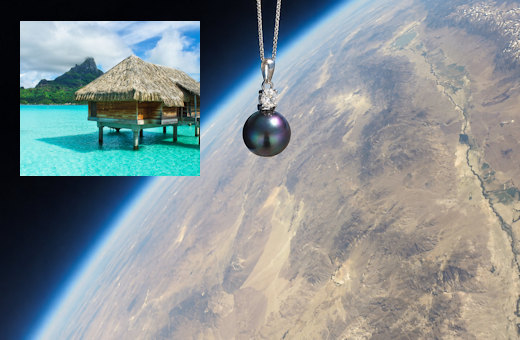
You can have it for $185.95. The pearl has a lovely iridescent sheen that hints at a South Sea rainbow when held in sunlight, and it is suspended from a 925 Sterling Silver chain. You'll also receive a greeting card showing the pendant in flight and telling the story of its journey to the edge of space.
Far Out Gifts: Earth to Sky Store
All sales support hands-on STEM education
Realtime Aurora Photo Gallery
Free: Spaceweather.com Newsletter